

We may earn a commission when you buy through links on this page, at no extra cost to you. Learn more.
Is shiraz sweet or dry? Shiraz is almost always dry. The grape, known as Syrah in most of the world, makes full-bodied red wines with firm tannins and dark fruit. Some bottles can taste slightly sweet because the fruit is ripe and jammy, but a still shiraz is normally made with all its sugar fermented out. Sweetness on the palate usually comes from fruit character and alcohol, not from leftover sugar.
Shiraz is one of the most recognized red wines on the American shelf, and it is often confused with sweeter styles. The confusion is understandable. The fruit in a warm-climate shiraz can taste ripe and round, and the name has a different meaning in Australia than it does in France. This guide explains what drives the sweet impression, how dryness is normally managed, and how to read a label so you can pick the style you want.
Why shiraz is considered a dry wine
The Wine Folly guide to Syrah, which covers the same grape, lists the style as dry. The wine is full-bodied, with medium-high tannins and medium acidity, and it usually reaches 13.5 to 15 percent alcohol. Those features describe a wine that is built around structure and dark fruit rather than sugar. A sweet wine would normally be described by its sugar level and its dessert style, which is not how shiraz is usually marketed.
The Wikipedia article on the grape adds an important point. It notes that the wines are powerfully flavored and full-bodied, and that many premium examples are high in tannin. It does not describe still shiraz as a sweet or off-dry wine. That is why most producers present their bottles as dry reds when they describe them to buyers.
Why shiraz can taste sweet
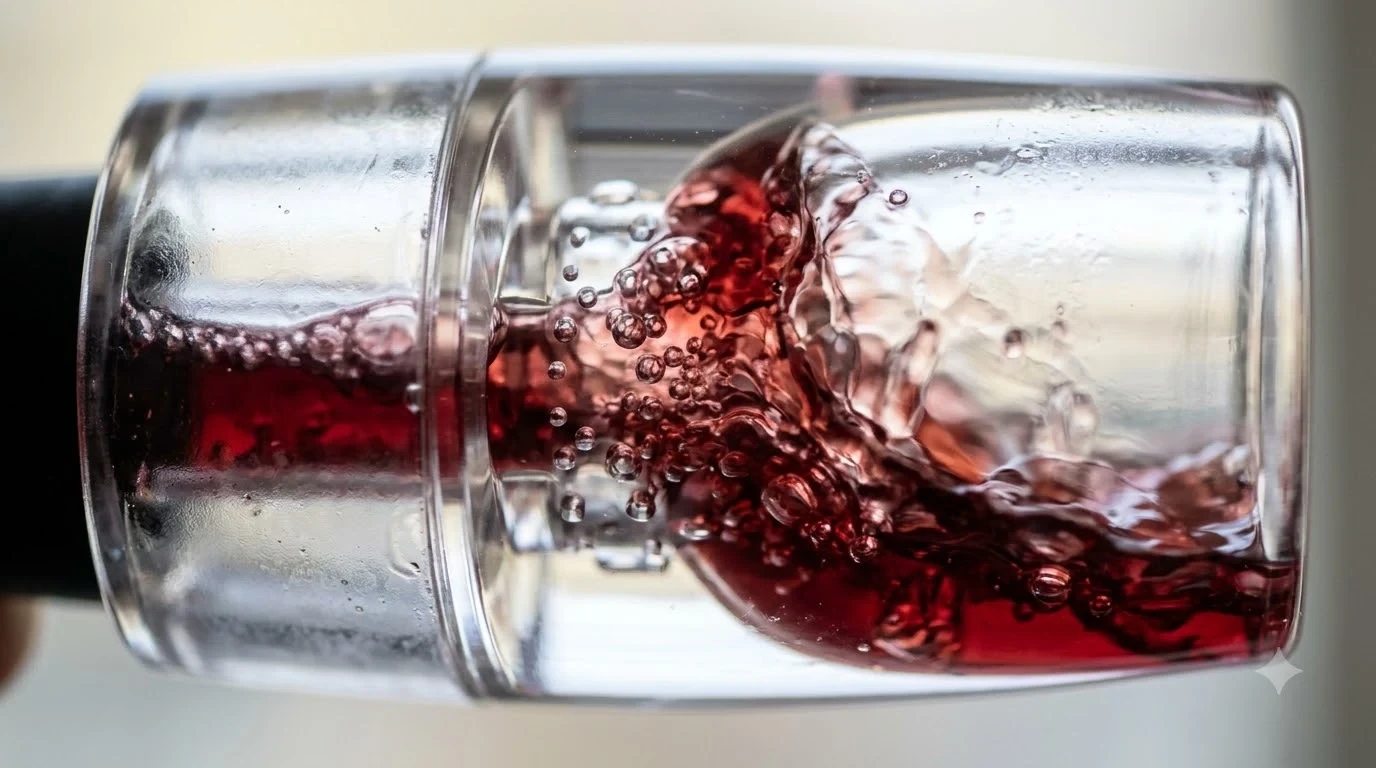
Several things make a shiraz seem sweeter than it is. The first is fruit. In hot climates, the grapes ripen to very high sugar, and the wine carries jammy flavors of plum, blackberry and cherry. Wikipedia describes hot-climate versions as having fuller body, softer tannins and jammier fruit, with spice notes such as licorice, anise and earthy leather. Ripe fruit reads as sweet on the palate even when the wine is dry.
The second is alcohol. A wine with 14 or 15 percent alcohol feels round and warm in the mouth, which is easy to mistake for sugar. The third is the way the wine is labeled. Wikipedia says shiraz-labeled wines may seem slightly sweetish in impression, although it adds that this rule of thumb is applied unevenly. In other words, the sweet feel is a sensory effect, not evidence of a sweet style.
| Shiraz style | Typical body | Typical flavor | Why it can taste sweet |
|---|---|---|---|
| Cool-climate (northern Rhône style) | Medium to full, high tannin | Blackberry, mint, black pepper | Less, but the fruit is still ripe |
| Warm-climate (Australian style) | Fuller, softer tannin | Jammy plum, licorice, anise | Ripe fruit and higher alcohol |
| Traditional Australian sparkling shiraz | Sparkling | Dark berries, spice | Historically made with some sweetness |
| Modern dry sparkling shiraz | Full-bodied | Dark fruit, spice | Fruit character only |
Where the sweet reputation comes from
Part of the reputation comes from Australia, where the grape is called shiraz and is one of the most widely planted varieties. Wikipedia notes that traditional Australian sparkling shiraz had some sweetness, and that some producers now make full-bodied dry sparkling versions. A buyer who remembers an older sweet sparkling bottle may assume that all shiraz is sweet. Today the still wines and most sparkling styles from major regions are dry, but the older image persists.
Shiraz is also used in fortified wines. Wikipedia mentions that Syrah appears in Port-style fortified wines, but those are a separate category from the dry red bottles that most shoppers buy. If a label says port style or fortified, it will usually state that clearly on the front or back.
How to read a shiraz label
A label can tell you a lot. Look for the region first, because a bottle from a warm area such as the Barossa Valley or McLaren Vale will taste riper than one from a cooler region. Look for the words dry, sparkling or fortified, which set the style. If the label is silent on sugar, the wine is most likely dry, and the producer’s tasting notes will describe its fruit and tannin.
Tip: If you prefer a softer red, look for a warm-climate shiraz with the word ripe or jammy in the tasting notes. If you prefer a firmer wine for food, look for a cooler-climate bottle from France’s Rhône Valley.
Shiraz and food
Because shiraz is dry and full in body, it pairs well with food that has fat, char or spice. If you are also comparing dry whites that can seem sweeter than they are, the guide on whether chenin blanc is sweet or dry and the one on sauvignon blanc use the same logic about fruit and sugar. For more on the color side of the question, see shiraz color, and the wider overview is in Wine by Type. Grilled and barbecued meats are a classic match, and the wine’s peppery notes suit rich sauces. The more fruit-driven warm-climate styles can handle sweet barbecue glazes, while cooler-climate bottles work better with roasted dishes and aged cheese. A lighter touch with a sweet dish keeps the wine from tasting heavier than it is.
Serving the wine a little below room temperature keeps the fruit lively and stops the alcohol from feeling hot. A short time in the glass gives the aroma room to open.
Syrah, shiraz and where the grape is grown
Syrah is the name used in France and much of the world, and shiraz is the name most often seen in Australia. The grape is one of the most widely planted red varieties, and it is grown in many countries with very different climates. Wikipedia lists the Northern Rhône in France, with Hermitage, Côte-Rôtie and Cornas, as the classic home of the wine, alongside southern Rhône blends. In Australia, the Barossa Valley, McLaren Vale and the Hunter Valley are important regions.
The grape also grows in California, Washington’s Walla Walla area, South Africa, Argentina, Chile, New Zealand and Sicily in Italy. Those regions explain why the same grape can produce wines that differ so much in fruit, tannin and body. A label that names the region is therefore more useful than the grape name alone when you are trying to predict the taste.
Buying shiraz for a dinner or a group
When you buy shiraz for a meal, choose the style to match the food rather than the sweetness you expect. A firm, cooler-climate bottle gives structure for roasted or grilled meat, while a warm-climate bottle with ripe fruit suits richer sauces and sweet barbecue glazes. If the group includes people who prefer lighter reds, a shiraz from a cooler region may be a better middle ground than a very jammy bottle.
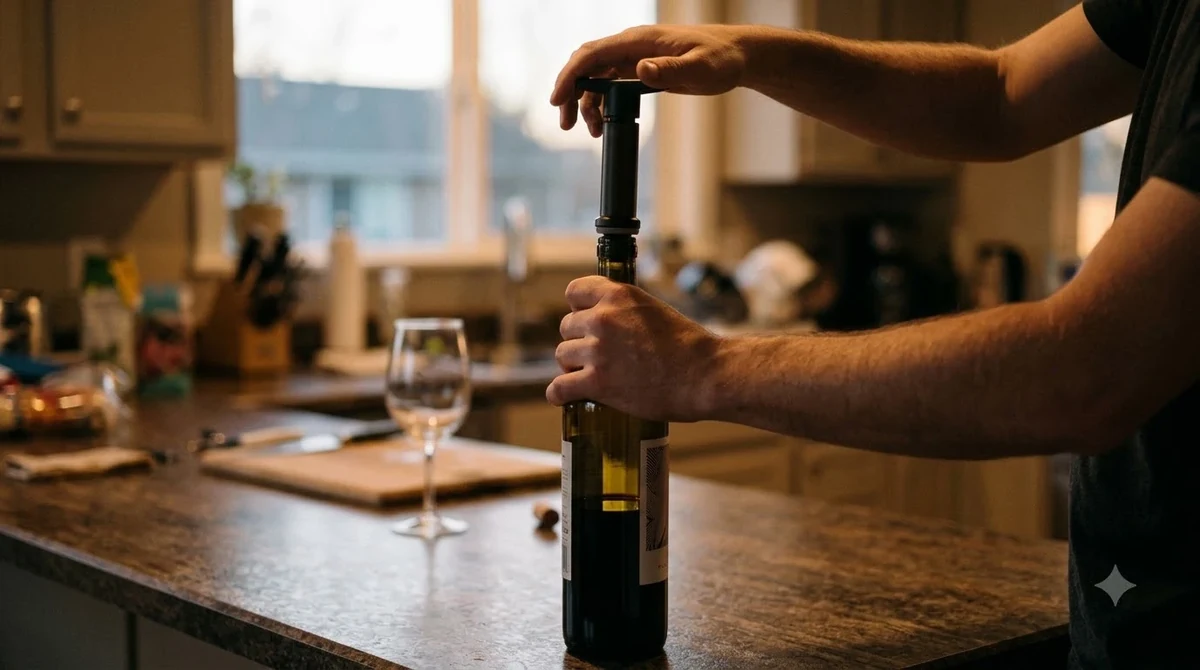
It also helps to open the bottle early when serving a full-bodied red. Letting it breathe for a short time softens the tannins and lets the fruit come forward, which makes the wine feel smoother without making it taste sweeter than it is.
Frequently Asked Questions
Is shiraz the same as syrah?
Yes. Shiraz and Syrah are two names for the same grape. Syrah is the common name in France and much of the world, while shiraz is used mainly in Australia.
Does shiraz have residual sugar?
A dry shiraz has little or no residual sugar. Its fruity and round impression comes from ripe grapes and alcohol, so the wine can taste sweeter than its sugar level.
Is shiraz a good choice for people who like sweet red wine?
A warm-climate shiraz is often the fruitiest dry red on the shelf, so it can suit someone who likes sweeter reds. If you want a clearly sweet wine, look for a labeled sweet or dessert style instead.
Why do some shiraz wines taste jammy?
Grapes grown in hot climates ripen to high sugar and deep fruit flavor. The wine keeps that jammy character after fermentation, which is why warm-climate bottles often taste riper than cooler ones.
Shiraz is a dry, full-bodied red wine that can taste sweet because of its ripe fruit and alcohol. Read the label for the region and style, and choose a warm-climate bottle if you want a softer, fruitier wine or a cooler-climate bottle for more structure.
More in Wine Types & Grapes
 Zinfandel Sugar Content: Dry Red vs. White Zinfandel GramsUpdated Nov 21, 2026
 Best Zinfandel Substitute Options for Sipping and CookingUpdated Nov 21, 2026
 Zweigelt Food Pairing: Best Dishes, Cheeses, and Serving TipsUpdated Nov 21, 2026
 Zinfandel Tannins Explained: How Structure Shapes Every BottleUpdated Nov 21, 2026
 Zinfandel Sweetness Level: Dry Red vs. Sweet White Zin ExplainedUpdated Nov 21, 2026
 Xinomavro Food Pairing: Best Dishes, Styles, and Serving TipsUpdated Nov 21, 2026