

We may earn a commission when you buy through links on this page, at no extra cost to you. Learn more.
Côte de Beaune wine comes from the southern half of Burgundy’s Côte d’Or, where Pinot Noir dominates the red wines of the north and Chardonnay leads the white wines of the south. The district includes famous villages such as Pommard, Volnay, Meursault and Puligny-Montrachet, and it produces some of the most sought-after wines in France. Its reds are often described as lighter and more perfumed than those of the neighboring Côte de Nuits.
This guide explains where the Côte de Beaune is, how its reds and whites differ, which villages matter most, and how to choose and serve a bottle. It is written for readers who want to understand the district before they buy a bottle or plan a visit to Burgundy.
Where the Côte de Beaune Sits
The Côte de Beaune is the southern part of the Côte d’Or, the limestone escarpment that runs through Burgundy in eastern France. The district starts between the towns of Nuits-Saint-Georges and Beaune and runs about 25 km south to the river Dheune. Together with the Côte de Nuits to the north, it forms the heart of Burgundy’s famous Pinot Noir and Chardonnay country. The Côte de Beaune entry describes the district’s position and its main appellations.
Burgundy as a whole is known for its classification system, which ranks vineyard sites as Premier and Grand Cru. The Climats that define these sites are a UNESCO World Heritage Site, a recognition of how the region’s vineyard boundaries reflect centuries of careful cultivation. The Bourgogne wine board describes Pinot Noir and Chardonnay as the region’s two noble grape varieties and highlights the Premier and Grand Cru classification. Because the Côte de Beaune is so compact, a single day of tasting can cover a wide range of styles.
Red Wines: Pinot Noir in the North and Around Beaune

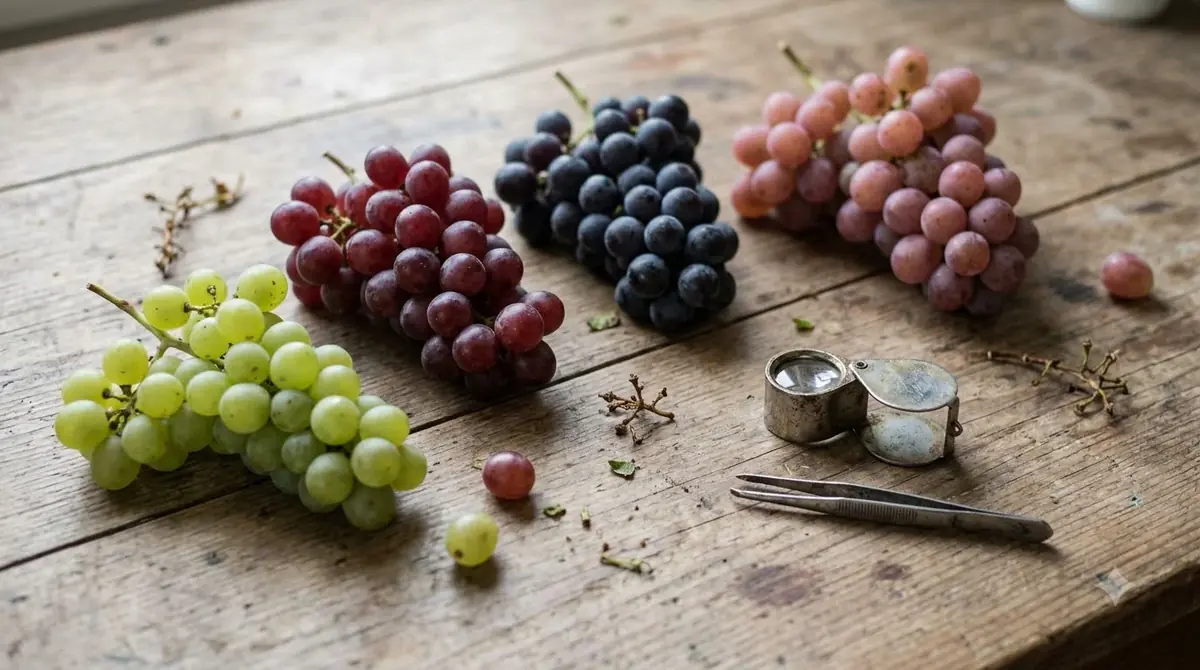
Pinot Noir is the principal red grape of the Côte de Beaune. Red wine dominates in the north, around the town of Beaune, and the style continues from the neighboring Côte de Nuits. Wines from this part of the district tend to be lighter and more perfumed, with red fruit and floral notes that appeal to drinkers who like delicacy over power.
Pommard and Volnay are the best-known red villages. Volnay is often described as more elegant and refined, while Pommard is also among the most recognized names for red wine in the district. Aloxe-Corton is the district’s only Grand Cru red, drawn from the Corton vineyard, which makes it a prized reference point for serious collectors. Beaune itself is the district’s largest appellation by production and includes many Premier Cru vineyards, so it offers a wide range of quality and price.
| Village or appellation | Color | What to expect |
|---|---|---|
| Volnay | Red | Elegant, refined Pinot Noir |
| Pommard | Red | Well-known name for red wine |
| Aloxe-Corton | Red (Grand Cru) | The district’s only Grand Cru red |
| Beaune | Red and white | Largest appellation, many Premier Crus |
White Wines: Chardonnay in the South
White wine takes over as the district moves south. Chardonnay is the main white grape, and it reaches its most famous expression in villages such as Meursault, Puligny-Montrachet and Chassagne-Montrachet. Meursault is celebrated for its white wines, although the village has no Grand Crus of its own. Puligny-Montrachet and Chassagne-Montrachet are home to the Montrachet family of Grand Cru vineyards, which are among the most admired white sites in the world.
Corton-Charlemagne is another major Grand Cru white, extending into the neighboring communes of Pernand and Ladoix. Its wines are known for structure and depth, and they can age for many years. Red production returns in the southernmost commune of Santenay, which is mainly known for red wine. This shift from red to white and back again is one of the most interesting features of the district.
How the Côte de Beaune Differs From the Côte de Nuits
The Côte de Beaune and the Côte de Nuits share the same limestone ridge and the same grape varieties, but their wines often differ in style. The Côte de Nuits is widely associated with firmer reds from villages such as Gevrey-Chambertin. By comparison, the Côte de Beaune red wines tend to be lighter and more perfumed, while its whites are among the most famous in Burgundy.
That difference matters when you buy. A Côte de Beaune red may suit a drinker who wants elegance and aroma, while a Côte de Nuits red may appeal to someone who prefers a firmer, more concentrated structure. If you enjoy both, tasting one from each district side by side is a useful way to learn the difference.
How to Choose a Bottle
Start with the color and the village. For reds, look for Volnay or Pommard if you want Pinot Noir with elegance and structure, and consider Beaune for a wider choice. For whites, Meursault and Puligny-Montrachet are classic starting points, and Chassagne-Montrachet is another famous name for white wine in the district. Read the label for the appellation name, since the village name tells you more about the style than the producer alone.
Producers in the district often bottle several cuvées from the same village, sometimes from different vineyard parcels, so the producer’s name matters as much as the appellation. A small estate may produce a village wine that tastes more focused than a larger house’s Premier Cru from the same commune. Tasting a few producers side by side is one of the best ways to see how much the maker shapes the final wine.
Look also for the classification on the label. Village-level wines come from a single commune, Premier Cru wines come from a named vineyard within a village, and Grand Cru wines come from the top sites. The higher the classification, the more specific the site, though a well-made village wine can be a rewarding purchase for everyday drinking.
Serving and Pairing Côte de Beaune Wine
Red Côte de Beaune wines are best served slightly cool so their aromas stay lively. Young reds may benefit from a short decanting, while older wines should be opened gently to avoid disturbing sediment. Whites from Meursault and Puligny-Montrachet suit a cool but not icy temperature, which keeps their texture and acidity balanced.
For food, Pinot Noir from the Côte de Beaune pairs well with roasted poultry, mushroom dishes and salmon, while richer whites go well with creamy sauces and roast chicken. The wines’ elegance means they do not overpower lighter preparations, so they suit a dinner where balance matters more than weight. For a broader guide to matching wine and food, the Wine Regions guide explains how regional styles relate to the table.
Frequently Asked Questions
What is the difference between Côte de Beaune and Côte de Nuits?
Both districts lie on the same limestone ridge and grow Pinot Noir and Chardonnay. Côte de Beaune reds are generally lighter and more perfumed, and the district is especially known for its white wines in the south.
Which grapes are grown in the Côte de Beaune?
Pinot Noir is the main red grape and Chardonnay is the main white. Red wine dominates in the north around Beaune, while white wine becomes more important farther south.
What is the best-known village in the Côte de Beaune?
It depends on what you want. Pommard and Volnay are well known for red wine, and Meursault and Puligny-Montrachet are famous for whites. Aloxe-Corton is notable as the district’s only Grand Cru red.
Is Côte de Beaune wine a good choice for a beginner?
It can be, because the district includes a wide range of styles and price levels. Start with a village-level red from Volnay or Beaune, or a white from Chassagne-Montrachet, and compare them to learn what you prefer.
Côte de Beaune wine rewards careful attention to village, color and classification. The district’s reds show elegance and aroma, and its whites include some of Burgundy’s most admired names. To explore a white wine style from another region, the gavi wine tasting guide offers a useful comparison, and the Wine Regions overview places Burgundy alongside other areas.
More in Wine Regions
 Willcox Wine Trail: Discover Arizona’s High-Elevation Wine CountryUpdated Nov 20, 2026
 Yakima Valley Wine Region: Find the Best Styles to TryUpdated Nov 20, 2026
 Vosne Romanee Wine Tasting: Identify Aromas and Choose Better PairingsUpdated Nov 20, 2026
 Yakima Valley Wine Festival: Find the Best Seasonal Wine EventsUpdated Nov 20, 2026
 Wales Vineyards: Discover Cool-Climate Wines and Where to VisitUpdated Nov 20, 2026
 Yountville Wine Festival: Discover Napa Wines and Local FoodUpdated Nov 20, 2026