


We may earn a commission when you buy through links on this page, at no extra cost to you. Learn more.
Chassagne montrachet wine is a prestigious French appellation wine from the southern Côte de Beaune in Burgundy, renowned primarily for rich, mineral-driven dry white wines made from Chardonnay alongside smaller quantities of structured red Pinot Noir. Established as an Appellation d’Origine Contrôlée (AOC) in 1937, the village spans 55 Premier Cru climats and shares three legendary Grand Cru vineyards with neighboring Puligny-Montrachet. White bottles balance opulent orchard fruit and hazelnut depth with chalky flint minerality, while red bottlings deliver firm tannins and bright red-berry complexity.
Located in the Côte-d’Or department just south of Puligny-Montrachet, this historic commune takes the second half of its hyphenated name from the famed Montrachet hillside it shares. While collectors around the globe prize the whites among the finest dry Chardonnays on earth, nearly a third of the vineyard area is still planted to Pinot Noir, making Chassagne-Montrachet one of Burgundy’s most versatile and rewarding villages to explore.
What Is Chassagne-Montrachet Wine?
Chassagne-Montrachet is a communal village appellation in Burgundy’s Côte de Beaune subregion producing both white Chardonnay and red Pinot Noir wines. Originally known simply as Chassagne-le-Haut, the village appended the name of its crown-jewel vineyard in 1879 before receiving official AOC recognition in 1937.
According to the Bourgogne Wine Board (BIVB), total production covers roughly 309 hectares, split between approximately 223 hectares of white grapes and 86 hectares of red grapes. Although white wine dominates modern output and international reputation, red wine actually accounted for the majority of plantings until the late twentieth century. Today, the commune encompasses 55 designated Premier Cru climats—named vineyard parcels recognized for superior terroir—and hosts three separate Grand Cru appellations within its borders: Montrachet, Bâtard-Montrachet, and Criots-Bâtard-Montrachet.
On a bottle label, you will encounter three main quality tiers. Village-level bottles state simply “Chassagne-Montrachet” and may blend fruit from across the commune, including a small number of qualifying plots in the neighboring village of Remigny. Premier Cru bottles add “Premier Cru” (or “1er Cru”) and usually name the specific climat of origin, such as Les Caillerets or Morgeot, while Grand Cru wines carry only the Grand Cru vineyard name without the village prefix.
Flavor Profile and Wine Styles
White Chassagne-Montrachet combines generous, rounded texture with vibrant acidity and a distinctive flinty mineral backbone. Red Chassagne-Montrachet offers a structured, earthy expression of Pinot Noir marked by dark cherry fruit and firm tannins.
In the glass, white Chassagne-Montrachet typically displays a glittering gold hue with subtle green highlights in its youth. Reviewers at the Bourgogne Wine Board note primary aromas of white blossoms—specifically mayflower, acacia, and honeysuckle—layered over verbena, fresh hazelnut, and wet flint. Because winemakers routinely ferment and age these wines in French oak barrels, younger bottles often carry hints of fresh butter and light toast. On the palate, the attack is immediate and mouth-filling, balancing fleshy weight with crisp citrus-driven persistence. Over five to fifteen years in bottle, primary floral notes evolve into honey, baked pear, toasted almond, and savory mushroom.
Compared to neighboring puligny montrachet wine, which is celebrated for laser-like tension and steely restraint, Chassagne-Montrachet tends to feel broader, slightly richer, and more muscular on the mid-palate. Even so, individual vineyard sites create dramatic stylistic contrasts. High-slope climats near the Puligny border like En Remilly and Les Caillerets yield taut, chalky whites with brisk energy, whereas southern sites such as Morgeot produce broader, more opulent expressions.
Red bottlings from Chassagne-Montrachet deserve far more attention than they typically receive in the United States. Brilliant ruby with purplish glints when young, these Pinot Noirs open with aromas of Morello cherry, cherry pit, wild strawberry, raspberry, and gooseberry, accented by spice and woodland floor. In youth, the tannins can feel somewhat austere and gripping, requiring a few years of cellar rest to soften into a concentrated, savory, and deeply complex red wine.
Geography, Terroir, and Key Vineyards
Chassagne-Montrachet sits at the southern end of the Côte de Beaune, where east- and southeast-facing slopes between 220 and 325 meters in elevation expose complex Jurassic limestone and marl soils. This geological mosaic allows Chardonnay and Pinot Noir to thrive side by side on the same hillside.
Moving down the slope from top to bottom, the underlying bedrock transitions through Rauracian, Callovian, and Argovian limestone strata. Surface soils vary dramatically from one climat to the next, shifting from shallow, pebbly limestone on the upper mid-slope to deeper clay-marl and sandy deposits lower down. Extensive marble quarries even cut a dramatic cliff face into the hillside—the same quarries that supplied the pink and beige stone used to build the Trocadéro and the Louvre Pyramid in Paris.
As wine writer Stephen Brook noted in Decanter’s profile of Chassagne-Montrachet, the hierarchy between Premier Cru and Grand Cru sites is immediately apparent in the glass. Within the commune, Bâtard-Montrachet delivers immense power and density, whereas Criots-Bâtard-Montrachet—a tiny Grand Cru located entirely within Chassagne—offers a leaner, more discreet, and remarkably persistent profile. Below the Grand Crus, standout Premier Cru vineyards shape the village’s identity across both colors:
| Vineyard Tier / Climat | Primary Wine Color | Soil & Slope Character | Signature Style in the Glass |
|---|---|---|---|
| Montrachet (Grand Cru) | White (Chardonnay) | Mid-slope limestone with thin, well-drained marl | Monumental depth, silkiness, and multi-decade aging potential |
| Bâtard-Montrachet (Grand Cru) | White (Chardonnay) | Lower-slope deeper clay-limestone below Montrachet | Broad-shouldered, powerful, and intensely concentrated |
| Criots-Bâtard-Montrachet (Grand Cru) | White (Chardonnay) | Gentle southern slope in Chassagne-Montrachet | Linear, finely etched, floral, and exceptionally long |
| Les Caillerets (Premier Cru) | White (Chardonnay) | Stony, shallow white limestone upper slope | Taut, chalky, precise, with vibrant citrus and flint cut |
| En Remilly (Premier Cru) | White (Chardonnay) | High elevation bordering Puligny-Montrachet | Energetic, saline, and mineral-driven with brisk acidity |
| Morgeot (Premier Cru) | White & Red | Expansive southern sector with varied clay and marl | Generous, textural whites and earthy, structured reds |
| Clos Saint-Jean (Premier Cru) | Red & White | Iron-rich clay and limestone near the old quarries | Savory, firm Pinot Noir and rich, full-bodied Chardonnay |
Understanding how soil shifts across these Wine Regions explains why two bottles carrying the same village name can taste remarkably distinct. Cooler, rockier parcels favor crisp white wines, while pockets richer in red clay and iron naturally lend structure and depth to Pinot Noir.
How to Serve Chassagne-Montrachet
Serve white Chassagne-Montrachet cool rather than ice-cold, ideally between 54°F and 57°F (12°C to 14°C), and serve red Chassagne-Montrachet slightly chilled at 57°F to 61°F (14°C to 16°C). Proper temperature and glassware allow the wine’s aromatic complexity and mineral texture to open fully.
Over-chilling white Burgundy straight from a standard kitchen refrigerator masks its hazelnut, white flower, and flint aromatics while making the oak feel disjointed. Pulling the bottle from the fridge 20 to 30 minutes before pouring brings it right into the ideal cellar-cool zone. Use a large-bowled Burgundy or wide Chardonnay glass so the broad surface area captures the wine’s layered bouquet.
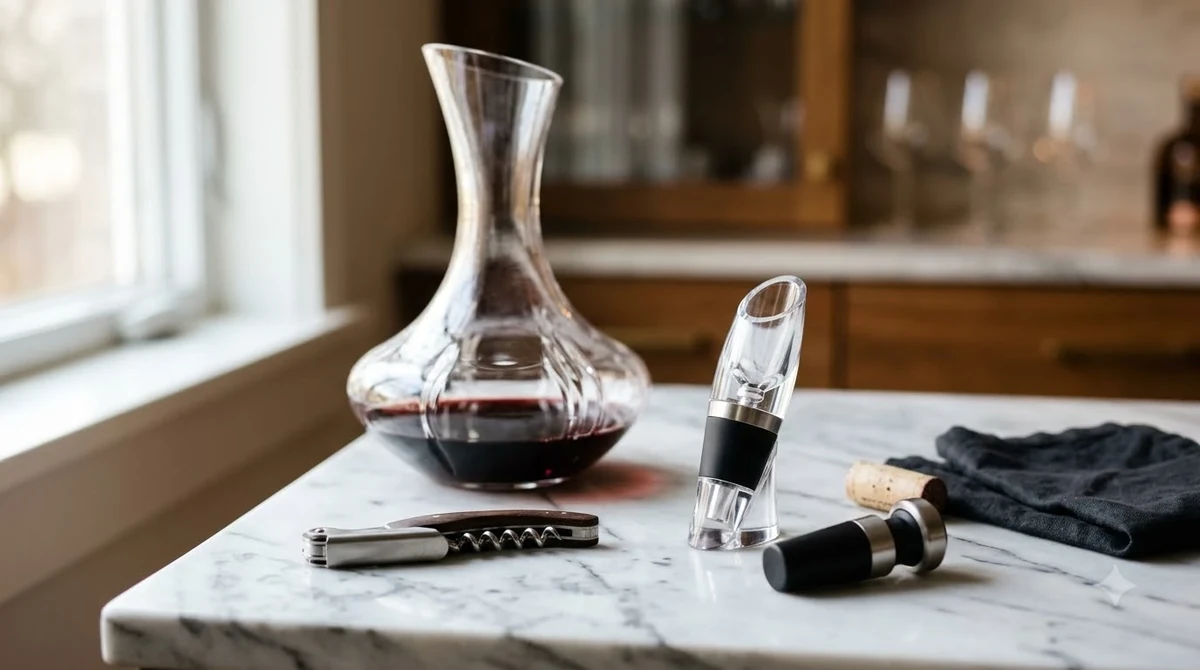
Decanting is optional for village whites, though young Premier Cru or Grand Cru whites often benefit from 30 to 45 minutes in a carafe to soften reductive flint notes and expand on the palate. For young red Chassagne-Montrachet, an hour in a decanter helps tame its youthful tannins and coax out ripe cherry and spice aromas. Older vintages of either color should be stood upright for 24 hours before opening and poured gently to leave any fine sediment behind.
Tip: If a young white Chassagne-Montrachet feels tight or overly smoky right after opening, let it warm slightly in the glass for ten minutes rather than rushing to chill it again—the fruit and hazelnut richness will bloom quickly.
Food Pairing Ideas
White Chassagne-Montrachet pairs naturally with rich seafood, poultry in cream or mushroom sauces, and mildly spiced dishes, while red Chassagne-Montrachet shines alongside roasted lamb, pork, and game birds. Matching the weight and texture of the dish to the wine’s concentration is the key to a memorable table.
For village-level whites, pan-seared sea scallops, roasted chicken with herbs, or veal in a light cream sauce echo the wine’s rounded body without overwhelming its citrus acidity. The Bourgogne Wine Board also highlights aromatic fish dishes—such as cedar-plank salmon, spiced couscous with white fish, or mild coconut curries—because Chassagne’s lush fruit stands up gracefully to gentle spice. Step up to a Premier Cru white when serving butter-poached lobster, langoustines, Dungeness crab, or aged Comté cheese.
Red Chassagne-Montrachet brings enough tannic grip and earthy depth to handle heartier fare than lighter styles of Pinot Noir. Herb-crusted rack of lamb, grilled pork tenderloin, duck breast, and wild mushroom risotto complement its cherry-pit fruit and savory spice. While bold southwest French reds like cahors wine pair best with heavily charred beef or cassoulet, a mature Premier Cru Chassagne-Montrachet Rouge is tailor-made for roasted pheasant, guinea fowl, or braised rabbit.
How to Choose a Bottle
In Burgundy, producer reputation matters even more than vineyard classification, so focus first on trusted domaines before deciding between village and Premier Cru bottlings. Well-respected names across the commune include Domaine Ramonet, Domaine Fontaine-Gagnard, Domaine Jean-Marc Pillot, Domaine Paul Pillot, Pierre-Yves Colin-Morey, Domaine Michel Niellon, and Château de la Maltroye.
When reading the label, look closely at the words directly beneath “Chassagne-Montrachet.” A village wine will list only the appellation name—or occasionally a non-classified lieu-dit such as Les Houillères or Les Chaumes—and offers the most approachable drinking window, typically shining three to seven years after the vintage. If the label reads “Premier Cru” followed by a climat like Les Caillerets, Les Vergers, La Maltroie, or Morgeot, expect greater concentration, higher aging potential, and distinct site personality.
Finally, check the vintage character and color before buying. Cooler, classic years emphasize brisk acidity, wet stone, and floral lift, while warmer growing seasons yield riper orchard fruit and plush texture. If you spot a bottle labeled “Chassagne-Montrachet Rouge” from a top white-wine estate, do not overlook it—these limited-production reds frequently deliver classic Côte de Beaune character and cellar longevity.
Frequently Asked Questions
Is Chassagne-Montrachet always a white wine?
No, Chassagne-Montrachet produces both white and red wines, though white Chardonnay accounts for roughly two-thirds of total vineyard acreage. The remaining third is planted to Pinot Noir, which yields structured, earthy red wines labeled simply as Chassagne-Montrachet or Chassagne-Montrachet Premier Cru.
What is the difference between Chassagne-Montrachet and Puligny-Montrachet?
Both are neighboring Côte de Beaune villages that share the famous Montrachet Grand Cru hill, but they express Chardonnay differently. Puligny-Montrachet is typically leaner, sharper, and more steel-driven, whereas Chassagne-Montrachet tends to be slightly broader, rounder, and richer on the palate while retaining bright flinty minerality.
How long can you age Chassagne-Montrachet wine?
Village-level white and red Chassagne-Montrachet bottles drink well within 3 to 8 years of the vintage, developing toasted hazelnut, honey, and savory earth notes. Top Premier Cru and Grand Cru bottlings from conscientious producers can age gracefully for 10 to 20 years or longer in a cool, dark cellar.
How do you pronounce Chassagne-Montrachet?
In French, it is pronounced roughly “shah-SAHN-yuh mohn-rah-SHAY.” The final “g” in Chassagne softens into an “nyuh” sound, and the “t” in the middle of Montrachet is silent.
Whether you open a vibrant village Chardonnay for a weekday roast chicken or cellar a single-vineyard Premier Cru for a special occasion, chassagne montrachet wine captures the geological richness and craftsmanship of southern Burgundy. Exploring its contrasting climats—and keeping an eye out for its expressive Pinot Noirs—rewards every glass with unmistakable sense of place.
More in Wine Regions
 Willcox Wine Trail: Discover Arizona’s High-Elevation Wine CountryUpdated Nov 20, 2026
 Yakima Valley Wine Region: Find the Best Styles to TryUpdated Nov 20, 2026
 Vosne Romanee Wine Tasting: Identify Aromas and Choose Better PairingsUpdated Nov 20, 2026
 Yakima Valley Wine Festival: Find the Best Seasonal Wine EventsUpdated Nov 20, 2026
 Wales Vineyards: Discover Cool-Climate Wines and Where to VisitUpdated Nov 20, 2026
 Yountville Wine Festival: Discover Napa Wines and Local FoodUpdated Nov 20, 2026