

We may earn a commission when you buy through links on this page, at no extra cost to you. Learn more.
A Gavi wine tasting focuses on one dry white from Piedmont, Italy, made only from the Cortese grape. Expect a pale, crisp wine with lemon, green apple, and almond notes and firm acidity. Gavi is light-bodied, so it works as an everyday glass with seafood and herb-driven pasta, and it also tastes serious enough for a formal dinner.
This guide explains what a Gavi tasting actually shows you, where the wine comes from, and how to serve and buy it. It is written for drinkers who want to understand the style before they open a bottle or sit down at a tasting room in Italy or at a wine shop.
What Gavi Wine Is
Gavi is a white wine named after a town in the Province of Alessandria, in the Piedmont region of northwest Italy. According to the Wikipedia entry on the wine, it is made exclusively from Cortese, a local white grape that is rarely used for wine outside this zone. The name on the label tells you where the grapes were grown and how the wine was made, so a bottle labeled Gavi is always a Cortese wine from that area.
The wine earned its first official status as a DOC in 1974 and was raised to DOCG in 1998, according to the Wikipedia entry on Gavi. The production area covers 11 communes, which is why Gavi is often described as a small, tightly defined appellation. For a tasting, that means the wines share a common base of grape and place, but producers still differ in how they handle fermentation, aging, and fruit.
Flavor and Style
A typical Gavi is bone-dry and light-bodied, with almost no tannin and medium-high acidity. The acidity is what gives the wine its snap. Wine Folly’s Cortese guide describes the common aromas and flavors as Meyer lemon, Gala apple, honeydew melon, and a hint of almond, with a seashell or saline note in some bottles. Alcohol is usually in the range of 11.5 to 13.5 percent ABV, which keeps the wine light on the palate.
Most tasters notice three things first: the pale straw color, the citrus and green fruit on the nose, and the clean finish. Good examples have some texture from time on the lees, while simpler bottles taste more like fresh lemon and pear. If you taste two Gavi wines side by side, the difference is usually in body and richness, not in the basic profile.
| Tasting point | What to look for in Gavi |
|---|---|
| Color | Pale straw, sometimes with a faint green edge |
| Body | Light to light-medium, dry with no tannin |
| Acidity | Medium-high, which gives a crisp finish |
| Aromas | Lemon, green apple, honeydew, almond |
| Serving temperature | 45 to 55 degrees F (7 to 12 degrees C) |
| Aging | Most bottles are best within a few years; Wine Folly suggests 3 to 5 years of cellaring for some examples |
How to Serve and Pair Gavi
Serve Gavi cold but not ice-cold. The 45 to 55 degree F range recommended by Wine Folly lets the citrus and the mineral edge show without making the wine taste thin. A white wine glass with a moderate bowl is enough. Gavi does not need decanting, so you can open it and pour right away.
The wine is built for food from the Italian coast. Wine Folly lists fragrant pesto pasta and seafood dishes with basil and lemon as classic matches. Grilled fish, steamed mussels, fried calamari, and fresh goat cheese also work well because the acidity cuts through oil and salt. Avoid heavy cream sauces and oaked chicken dishes, which can overwhelm the wine’s light body.
Tip: Gavi is a good choice for a warm-weather tasting at home because it stays fresh when opened for a few hours, though it is best enjoyed the day it is poured.
How to Run a Gavi Tasting at Home
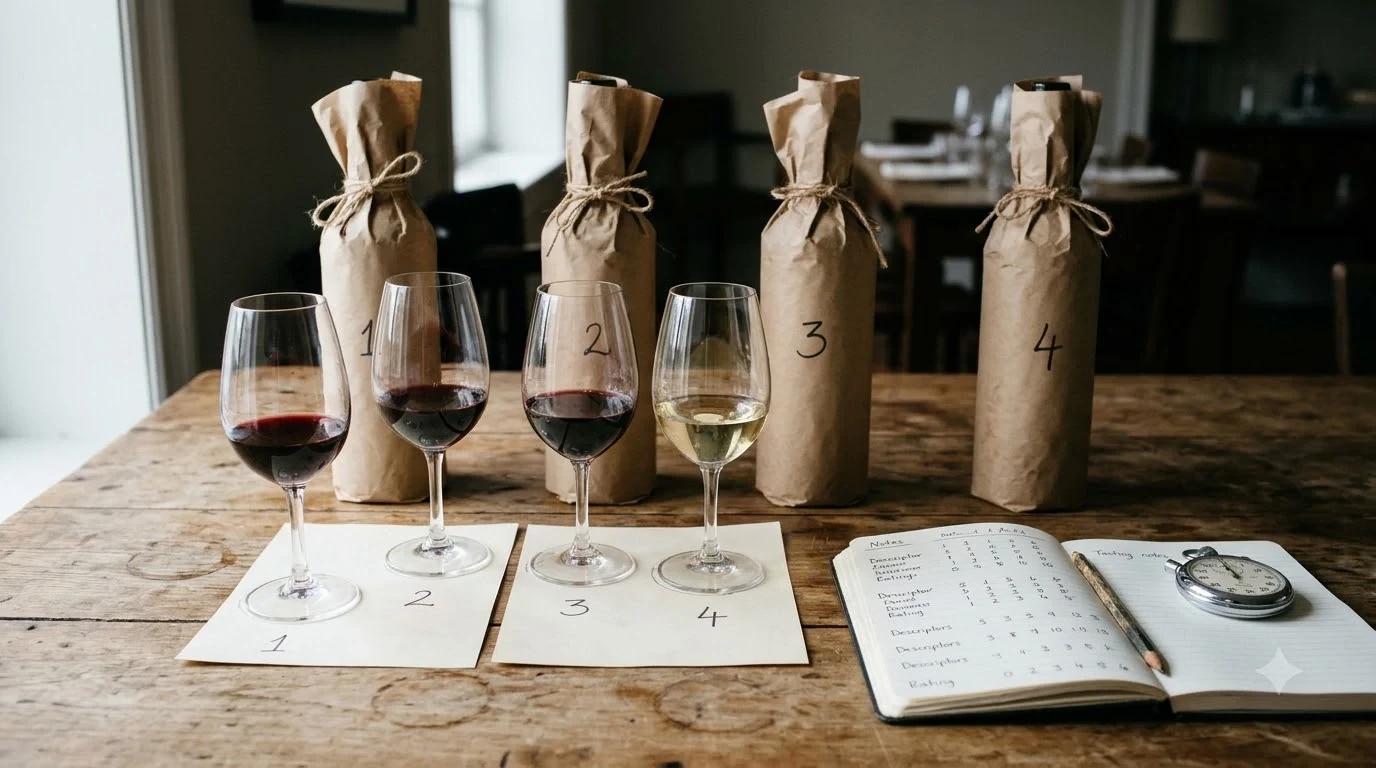
A useful home tasting needs only two or three bottles and a simple order of service. Put the lightest wine first and the most textured wine last, so your palate is not tired when you reach the richer style. Keep the glasses clean and use the same glass shape for every bottle so the comparison stays fair.
- Chill all bottles to the same range, 45 to 55 degrees F, and label the glasses so you know which wine is which.
- Look at the color first. Note whether it is pale straw or has a deeper golden edge, which can point to more time in the bottle.
- Smell the wine and write down the first three aromas you notice. Common answers are lemon zest, green apple, and white flowers.
- Take a small sip and hold it for a few seconds. Pay attention to the acidity, the body, and whether the wine feels round or sharp.
- Taste again with a bite of food, such as a plain cracker or a piece of fresh cheese, and notice how the wine changes.
- Compare the finish. A longer finish with a hint of almond or mineral is often a sign of more care in production.
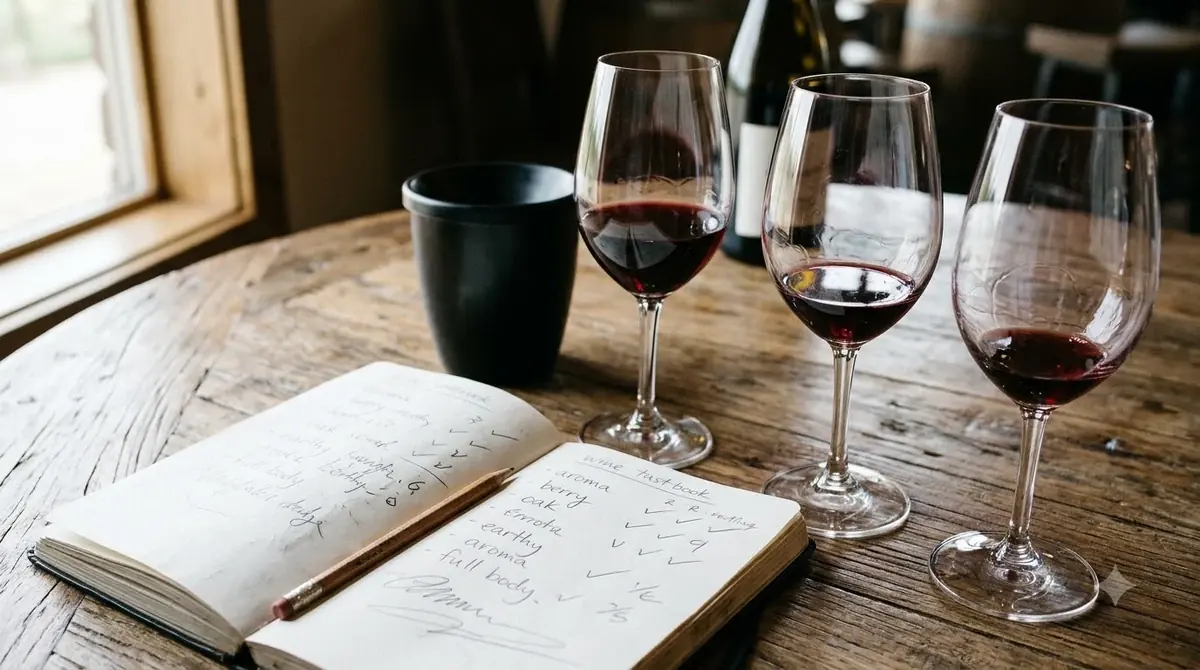
Taking notes on a simple scale from one to five for acidity, fruit, and finish makes the differences between producers easier to remember. It also helps you decide which bottle to buy again when you find one you like.
How to Choose a Bottle
Start with the word Gavi on the label and check for the DOCG seal, which confirms that the wine follows the appellation rules. Some bottles also name a single estate or vineyard, and those usually show more concentration. If you want a lighter, brighter style for everyday drinking, look for a fresh, young bottle. If you want something with more texture and length, look for a producer who describes time on the lees or extended aging.
Because Gavi is made from one grape in one area, the bottle’s producer matters more than the vintage. A reliable producer will be consistent from year to year, and a good shop or sommelier can point you toward a style that fits your meal. For a broader view of Italian white wine regions, the Wine Regions guide places Gavi next to other Piedmont and northern Italian styles.
If you enjoy tasting trips, the same approach works for wine country in the United States. Tasting rooms in regions like Rioja and Santa Fe follow a similar pattern: start with the lightest, most aromatic whites, then move toward richer wines.
Frequently Asked Questions
What does Gavi wine taste like?
Gavi is a dry, light-bodied white with lemon, green apple, and honeydew flavors and a crisp finish. It has medium-high acidity and almost no tannin, so it feels clean and fresh on the palate.
Is Gavi a sweet or dry wine?
Gavi is dry. Most tasting notes describe it as bone-dry, which means the sweetness is minimal and the acidity is the most noticeable structural feature.
What food goes well with Gavi?
Seafood, basil and lemon pasta, pesto dishes, and fresh cheeses are classic matches. The wine’s acidity cuts through oil and salt, so it works well with fried or grilled fish.
Should Gavi be served chilled?
Yes. Serve it between 45 and 55 degrees F (7 to 12 degrees C), which keeps the fruit and acidity in balance without muting the aromas.
A Gavi tasting is a good way to learn how a single grape can express a clear sense of place. Pick two or three bottles from different producers, serve them at the same temperature, and compare the citrus, texture, and finish. Once you know what Gavi tastes like, you can use that reference point to explore other crisp Italian whites.
More in Wine Regions
 Willcox Wine Trail: Discover Arizona’s High-Elevation Wine CountryUpdated Nov 20, 2026
 Yakima Valley Wine Region: Find the Best Styles to TryUpdated Nov 20, 2026
 Vosne Romanee Wine Tasting: Identify Aromas and Choose Better PairingsUpdated Nov 20, 2026
 Yakima Valley Wine Festival: Find the Best Seasonal Wine EventsUpdated Nov 20, 2026
 Wales Vineyards: Discover Cool-Climate Wines and Where to VisitUpdated Nov 20, 2026
 Yountville Wine Festival: Discover Napa Wines and Local FoodUpdated Nov 20, 2026