

We may earn a commission when you buy through links on this page, at no extra cost to you. Learn more.
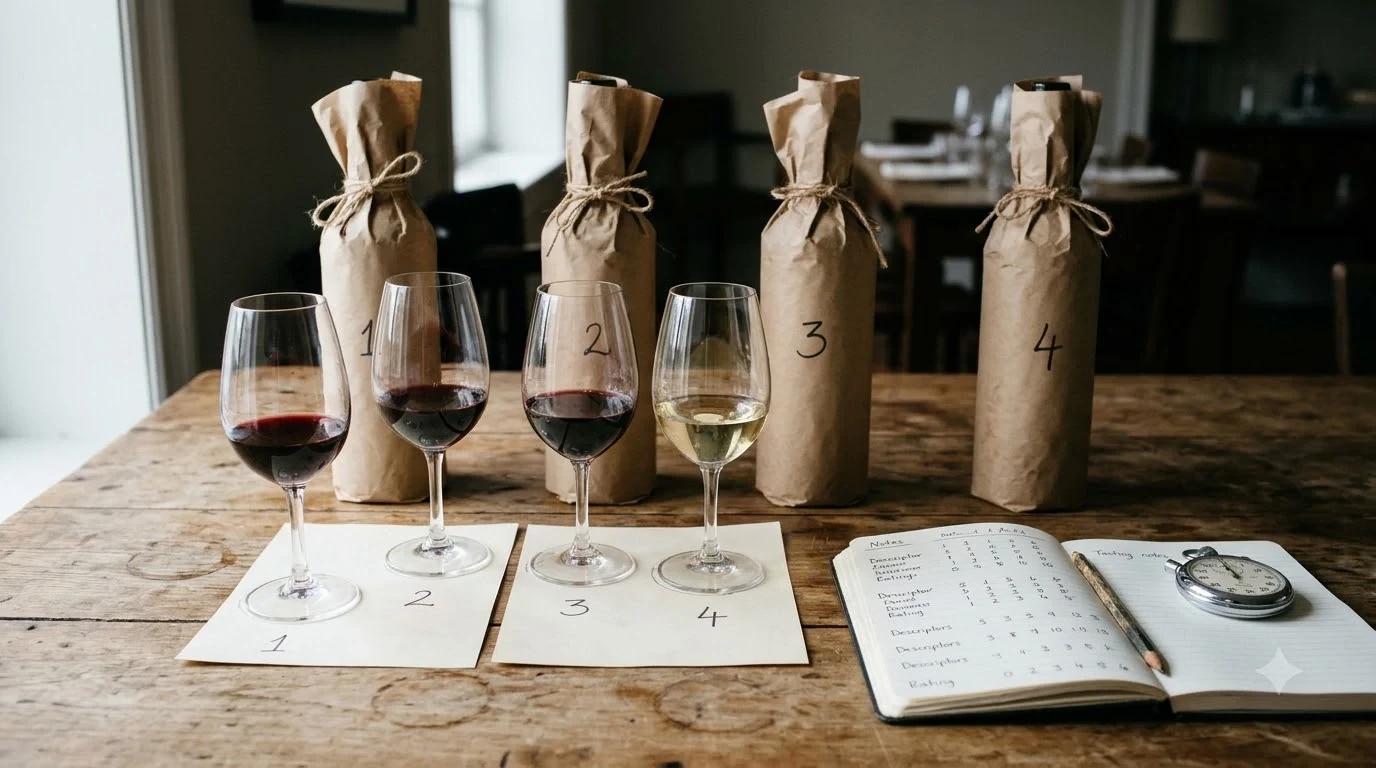
Rioja wine tasting takes place across a large Spanish region of nearly 600 wineries, where visitors can sample tempranillo-based reds, white and rosé styles, and sparkling wine in tasting rooms and vineyard visits. Most tastings are arranged through individual bodegas, which offer guided tours, flights, lunches, and vineyard walks. Planning ahead and choosing the right sub-zone helps you get the styles you came for.
This guide covers what to expect at a Rioja tasting, how the region is organized, the grapes and wine styles you will meet, and practical tips for booking visits and getting the most from each glass. It is written for travelers and for home drinkers who want to understand the region before they buy a bottle.
What Rioja Is and Why It Matters
Rioja is Spain’s best-known wine region, and its DOCa designation is the highest quality category in the Spanish system. The vineyards lie along the Ebro River in north-central Spain and extend across three autonomous communities, with most of the growing area in La Rioja itself. The official Rioja wine body describes more than 66,000 hectares under vine and a wide range of wine styles that have been made here for generations.
For visitors, Rioja offers something unusual. Wine tourism is well developed, with many bodegas that welcome guests, and the region runs a steady calendar of tastings, festivals, and experiences. The official Rioja wine body reports that wine tourism remains strong, with more than one million visits recorded in its latest update, so booking ahead is a good idea in busy months.
The Three Sub-Zones and How They Taste
Rioja is divided into three growing zones, and knowing them helps you read a label. Rioja Alta sits at higher elevation, has a shorter growing season, and produces lighter wines with brighter fruit. Rioja Alavesa shares much of Alta’s climate but gives fuller-bodied wines with higher acidity. Rioja Oriental, formerly called Rioja Baja, is the warmest and driest area and makes deeply colored, more alcoholic wines that are often used in blends.
Wines can blend grapes from more than one zone, which is still the common approach. Single-zone bottlings have become more popular in recent years, so a tasting can be a good way to compare how each sub-zone shows up in the glass.
Grapes and Wine Styles You Will Taste
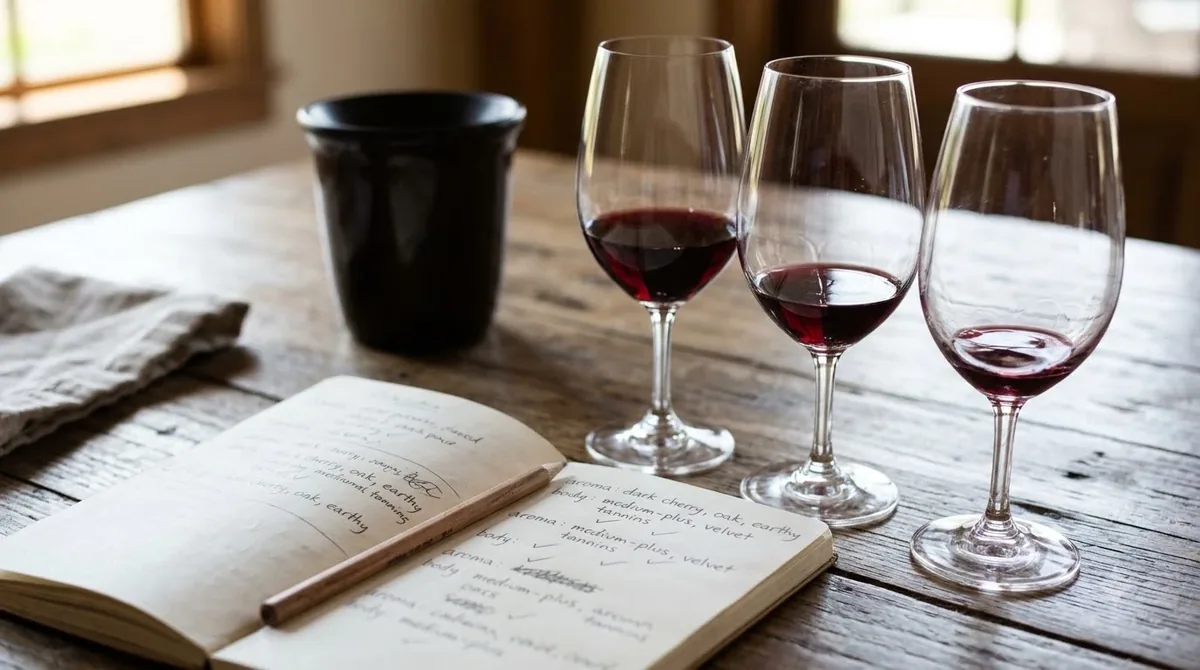
VinePair’s Rioja guide describes Tempranillo as the dominant red grape. Garnacha is often added for fruitiness, and Mazuelo (also known as Cariñena) and Graciano may appear in the blend as well. White Rioja is mostly Viura, which goes by Macabeo in some parts of Spain, and rosé is mostly Garnacha. Sauvignon Blanc and Chardonnay became authorized for white wines in 2007, so you may see them on a tasting list alongside traditional styles.
The red styles are grouped by oak and bottle aging. The youngest category, sold as Genérico and formerly called joven, has no minimum aging requirement and is usually drunk within a year or two of harvest. Crianza wines receive a period of oak aging followed by time in bottle before release. Reserva wines spend longer in the cellar, and Gran Reserva is made only in exceptional vintages with the longest aging. Tasting these in order is a useful way to understand how the region’s style changes with time.
| Style | What to expect in the glass |
|---|---|
| Genérico (formerly joven) | Youthful, fruity, fresh acidity, usually the most approachable |
| Crianza | Red and black fruit with toast and leather notes from oak |
| Reserva | Cigar box and dried fruit with subtler fresh fruit |
| Gran Reserva | Mature, layered, and made only in exceptional years |
| White and rosé | Viura-based whites and Garnacha-based rosés, often fresh and crisp |
Booking a Rioja Tasting Visit
Most visits are booked directly with a bodega, and the official Rioja site lists a range of options. Some wineries offer a guided tour with a classic tasting menu, some run flight tastings that move through several wines, and others pair the visit with lunch at the winery or a walk through the vineyards. Experience types are often filtered by group, so families, couples, friends, and solo visitors can find formats that suit them.
Examples listed on the official site include a guided tour and tasting menu at Bodegas Baigorri, flight tastings at Bodegas Murua, lunch at the winery at Viña Real, a vineyard walk at Bodegas Alore, and a vineyard, wine, and gastronomy experience at Bodegas Marqués de Reinosa. Schedules change, so confirm times and languages before you travel. The same site also lists a June-to-October riverside picnic with wine tasting called Flavours of the Ebro River.
Plan for a few visits per day at most. Each tasting involves several wines, and travel between villages takes longer than the map suggests. Booking one or two anchor visits and leaving time for a relaxed lunch usually gives a better experience than a tight schedule.
Tasting Tips for Rioja
Serve red Rioja at a cellar temperature slightly below room temperature, which keeps the fruit lively and the tannins smooth. Young wines can be opened and poured straight away, while structured reserva and gran reserva bottles often benefit from decanting. White and rosé styles should be served chilled but not ice cold.
Use the tasting order to your advantage. Start with lighter, younger wines and move toward the older, oak-driven bottles, because heavy oak and tannin can make a fresh wine taste dull afterward. Spit if you are visiting several bodegas in one day, and drink water between wines.
Food Pairings to Try
Young reds pair well with savory meats and strong cheeses. Jamón Serrano and Manchego are classic matches for fresher Genérico and crianza wines, because the acidity cuts through the fat. Crianza and reserva wines suit hearty vegetable stews and grilled or braised red meat, where the oak notes can match smoky, caramelized flavors.
Rioja’s whites and rosés work with lighter food. Grilled fish, seafood, and salads are a good match for Viura-based whites, while rosé suits tapas and simple grilled dishes. If your tasting includes a Gran Reserva, serve it with a slow-cooked dish and give it time to open.
Where Rioja Tastings Fit in the Wider Wine Trip
Many visitors combine a Rioja tasting with a wider trip through northern Spain. The region is easy to reach from larger cities, and the wineries often sit close to historic towns and restaurants. If you are still deciding which region to focus on, the wine regions guide compares how climate, soil, and grapes shape different styles around the world.
For travelers who want to compare tasting formats closer to home, the Sonoita wine tasting guide shows how a smaller rural region in the United States organizes its visits. Likewise, the Santa Fe wine tasting guide describes a different approach to tasting rooms in a city setting.
Frequently Asked Questions
Do I need to book a Rioja winery visit in advance?
For most bodegas, yes. Guided tours, flight tastings, and lunch experiences usually need a reservation, especially on weekends and during harvest season. Walk-in tastings are sometimes possible at larger wineries, but booking avoids disappointment.
What is the difference between Rioja Alta and Rioja Alavesa?
Rioja Alta sits at higher elevation and makes lighter wines with brighter fruit, while Rioja Alavesa shares a similar climate but produces fuller-bodied wines with higher acidity. Many bottles blend grapes from both zones, so a tasting can show how each one contributes.
Is Rioja only a red wine region?
No. Red wines are the best-known style, but Rioja also makes white and rosé wines, mainly from Viura and Garnacha, and sparkling wines are part of the official list of wine types. A good tasting includes more than one color.
What should I drink first at a Rioja tasting?
Start with a fresh, youthful wine or a white, then move to crianza and reserva bottles. Ending with the oakiest and most structured wines makes it easier to notice the differences between styles and avoids having a fresh wine overshadowed.
A Rioja tasting rewards a little planning. Book a few visits in advance, pick a mix of sub-zones and aging styles, and take time over lunch. You will leave with a clear sense of how one of Spain’s most important regions builds its reputation.
More in Wine Regions
 Willcox Wine Trail: Discover Arizona’s High-Elevation Wine CountryUpdated Nov 20, 2026
 Yakima Valley Wine Region: Find the Best Styles to TryUpdated Nov 20, 2026
 Vosne Romanee Wine Tasting: Identify Aromas and Choose Better PairingsUpdated Nov 20, 2026
 Yakima Valley Wine Festival: Find the Best Seasonal Wine EventsUpdated Nov 20, 2026
 Wales Vineyards: Discover Cool-Climate Wines and Where to VisitUpdated Nov 20, 2026
 Yountville Wine Festival: Discover Napa Wines and Local FoodUpdated Nov 20, 2026