

We may earn a commission when you buy through links on this page, at no extra cost to you. Learn more.
Sokol Blosser wine comes from a family winery in Oregon’s Willamette Valley, and it is best known for Pinot Noir grown in the Dundee Hills. The estate was founded in the early 1970s by Bill Blosser and Susan Sokol Blosser, during the years when Oregon was just starting to show that cool-climate Pinot Noir could compete with the best wines of Burgundy. The range now includes several Pinot Noirs, along with white wines and a few other varieties. This guide explains the winery’s history, the style of its wines, and how to choose and serve a bottle.
Many people searching for Sokol Blosser want to know two things: what kind of wine the winery makes, and whether it is worth buying. The answers depend on the vineyard, the vintage and the bottling, but the house style is clear enough to describe. The sections below cover the background, the wines, the Oregon context and some practical buying tips.
Where the Winery Started
Sokol Blosser was founded by Bill Blosser and Susan Sokol Blosser in the Dundee Hills, a set of volcanic hills west of the city of Dundee in the Willamette Valley. Their early work came in the 1970s, when few wineries existed in Oregon and most of the state’s vineyards were still small experiments. The couple planted Pinot Noir and other varieties on the hillside and built the winery around that focus.
The dates that appear in different sources do not all match. Some accounts give 1971 as the founding year, while others point to 1977 as the year of the first commercial vintage. Both dates appear in the record, so it is best to say the winery dates to the early 1970s and that its first commercial releases followed later in that decade.
The Family Story Today
Sokol Blosser has stayed in family hands for its whole history, which is unusual for a winery that has grown into a well-known name. The second generation of the family now runs the business, carrying on the original focus on Pinot Noir and on farming the estate with care. That continuity matters to many buyers because it points to a long-term approach rather than a short-term brand built around a single bottling.
The winery’s holdings extend beyond the original Dundee Hills site. Sokol Blosser works with vineyards in other parts of the Willamette Valley, including the Yamhill-Carlton and Eola-Amity Hills areas, so its wines can show differences in soil and elevation. Organic farming is part of the estate’s identity, and the winery promotes its certified organic vineyards as a core part of how it grows fruit.
What the Wines Taste Like
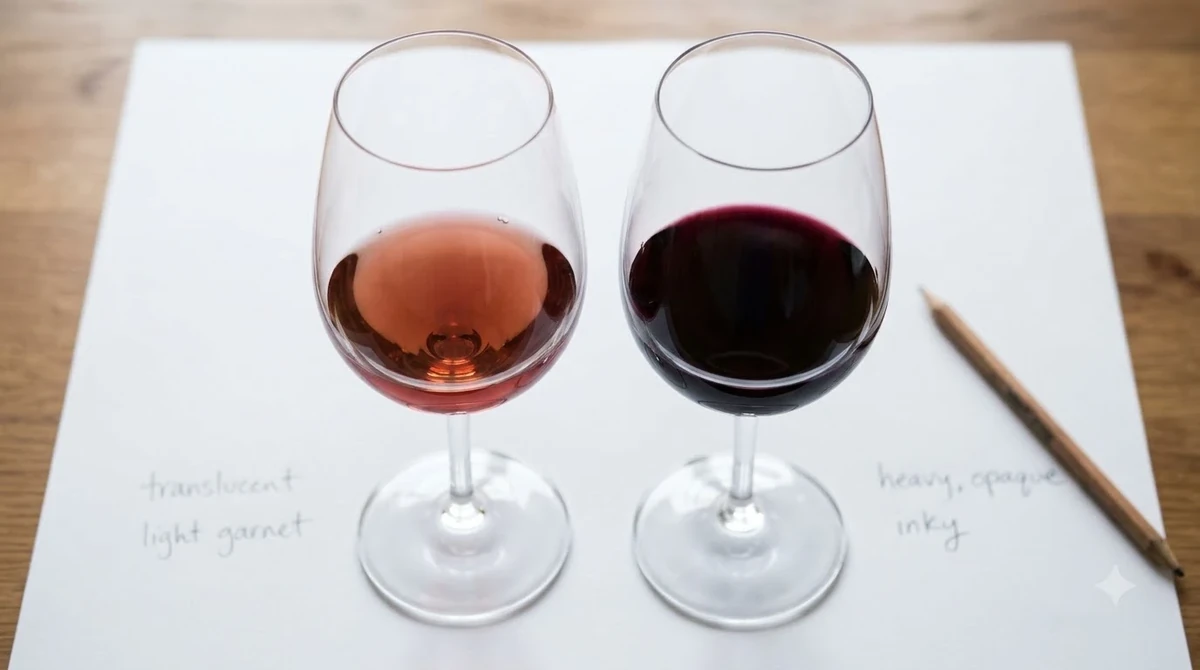
The house style leans toward bright fruit and fresh acidity. Pinot Noir from the Dundee Hills tends to show red cherry, raspberry and a mild earthiness, with a silky texture and a finish that is more elegant than heavy. The wines are rarely built on big oak or high alcohol. Instead, the goal is to show the grape and the place, which suits diners who want a red that works with a wide range of dishes.
White wines from the winery follow a similar logic. Fresh acidity and clean fruit are the main features, and the wines are made for drinking with food rather than for long cellaring. Buyers who like crisp, balanced whites will find the range easy to approach.
| Feature | What to expect |
|---|---|
| Main red | Pinot Noir from the Dundee Hills and nearby sites |
| Typical red aromas | Red cherry, raspberry, mild earth and spice |
| Acidity | Bright and fresh, which helps with food |
| Oak | Restrained, so the fruit stays in front |
| Region | Willamette Valley, Oregon |
| Farming | Estate vineyards with an organic focus |
Tip: Vintage conditions in Oregon can vary a lot from year to year. Read the vintage date and, where possible, the tasting notes before you buy several bottles of the same wine.
Oregon Pinot Noir and the Local Context
Oregon Pinot Noir is usually compared with Burgundy, since both regions favor cool growing conditions and thin-skinned grapes. Oregon’s wines often show more fruit than the classic French examples, while keeping the acidity and structure that make Pinot Noir easy to pair with food. The Dundee Hills is one of the most recognized sub-regions in the state, and Sokol Blosser is one of the names that helped build its reputation.
Because the region produces many Pinot Noirs, the winery name alone does not tell you everything about the glass. Sub-region, vintage and winemaking style all matter. If you enjoy the Oregon style, exploring other Pinot Noir producers from the same valley can give you a wider sense of what the region can do.
How to Serve Sokol Blosser Wines
Serve the Pinot Noirs slightly cool rather than at room temperature, since a little chill keeps the fruit lively and stops the alcohol from feeling heavy. For the whites, a cold but not icy temperature works best. Use a medium-sized glass for reds so the aromas can open, and a slightly narrower glass for whites to keep the aromas focused.
Young Pinot Noir usually drinks well without decanting. Older bottles may benefit from a short time in the glass, but they do not need much air. Opening the bottle an hour before dinner is a reasonable habit for many reds, though it is not essential.
Food Pairings and Who Will Enjoy the Wines
Pinot Noir is one of the most food-friendly red styles, and the Sokol Blosser range fits that pattern. Roast chicken, salmon, mushroom dishes and softer cheeses are all reliable partners. The wine’s acidity also helps with tomato-based dishes and roasted vegetables. A lighter red like this one is a good choice when a heavier wine would overwhelm the meal.
If you prefer sweeter or more casual bottles, the Barefoot Wine guide covers an easier-drinking style, and the Stella Rosa Wine page explains another approach. For a wider overview of brands and their styles, the Wine Brands section is a good place to compare.
How to Buy and Store the Wines
Buy Sokol Blosser wines from a retailer that stores bottles in a cool place. Heat is the main enemy of wine quality, so avoid bottles that have been left in a hot shop window or a warm delivery van. Once home, keep the bottles lying on their side in a dark, steady-temperature space. Pinot Noir in particular can lose its freshness when stored in warm conditions.
For the official background on the estate and its current offerings, the winery’s own website is the best place to start. Their site lists the wines and tasting information in detail, and it is a good way to check current releases before you shop. You can also read the Sokol Blosser website directly.
Frequently Asked Questions
Is Sokol Blosser known for Pinot Noir?
Yes. Pinot Noir from the Dundee Hills is the winery’s best-known focus, and the estate has built much of its reputation on the grape and the Oregon region.
Where is Sokol Blosser located?
The winery is based in the Dundee Hills of Oregon’s Willamette Valley. Its vineyards also extend into nearby Yamhill-Carlton and Eola-Amity Hills areas.
Is Sokol Blosser an organic winery?
The estate promotes organic farming as part of its identity, and it describes its Dundee Hills vineyard as certified organic. Check the label and the winery’s current information for the details of each bottling.
Should I serve Sokol Blosser Pinot Noir chilled?
A slight chill is usually the best approach. Serve the wine a little cooler than room temperature so the fruit stays bright and the alcohol feels balanced.
Sokol Blosser is a good place to start if you want to explore Oregon wine through a family-run estate with a clear focus on Pinot Noir. Compare a few bottles across the range, note the vintage and the vineyard, and you will quickly see how the house style shows up in the glass.
More in Wine Brands
 Underwood Wine Price: Compare Bottles, Cans, and Pack SizesUpdated Nov 21, 2026
 Zenato Wine Price: Compare Styles and Choose the Right BottleUpdated Nov 21, 2026
 Zuccardi Wine Price: Compare Bottles and Find the Right RangeUpdated Nov 21, 2026
 Yellow Tail Moscato Review: Taste, Sweetness and Serving TipsUpdated Nov 21, 2026
 Wolf Blass Yellow Label Review: Choose Your Best StyleUpdated Nov 21, 2026
 Wolffer Estate Rose Review: Choose the Right Bottle for Your TableUpdated Nov 21, 2026