

We may earn a commission when you buy through links on this page, at no extra cost to you. Learn more.
Petit verdot food pairing works best with bold, savory dishes that can stand up to high tannins, such as grilled or roasted meats, pork with pungent seasoning, and burgers with blue cheese. The wine’s full body and firm structure need rich food with some fat or char to balance them.
Petit verdot is a dark, full-bodied red grape that is often blended into Bordeaux-style wines but also appears on its own. Because it is so tannic and powerful, it needs more thought at the table than a lighter red. This guide explains which dishes suit the wine, how to serve it, and how to avoid the common mistakes that make it taste harsh.
Why Petit Verdot Needs Bold Food
The main feature of petit verdot is its structure. According to Wine Folly’s grape guide, the wine has high tannins, medium acidity, and full body, with an alcohol range of about 13.5 to 15 percent. Those tannins are the drying, grippy sensation on the palate, and they can feel harsh with lean or delicate food.
Fat and protein soften tannins. When a red wine meets a dish with some richness, the proteins in the food bind with the tannins, so the wine tastes smoother and the fruit comes forward. That is why petit verdot works with meat and cheese, while the same bottle can taste sharp next to a salad.
The flavor profile also guides the match. The wine typically shows black cherry, plum, violet, lilac, and sage. Those dark fruit and herbal notes pair with roasted spices, smoky grilling, and savory herbs.
Classic Dishes to Pair With Petit Verdot
The clearest match is roasted or grilled meat with a pungent note. Wine Folly recommends roasted meats of this kind, and it names Cuban-style pork as a strong example. Garlic, citrus, cumin, and oregano in the marinade complement the wine’s dark fruit and sage notes, and the char from the grill adds the smoky element the wine can carry.
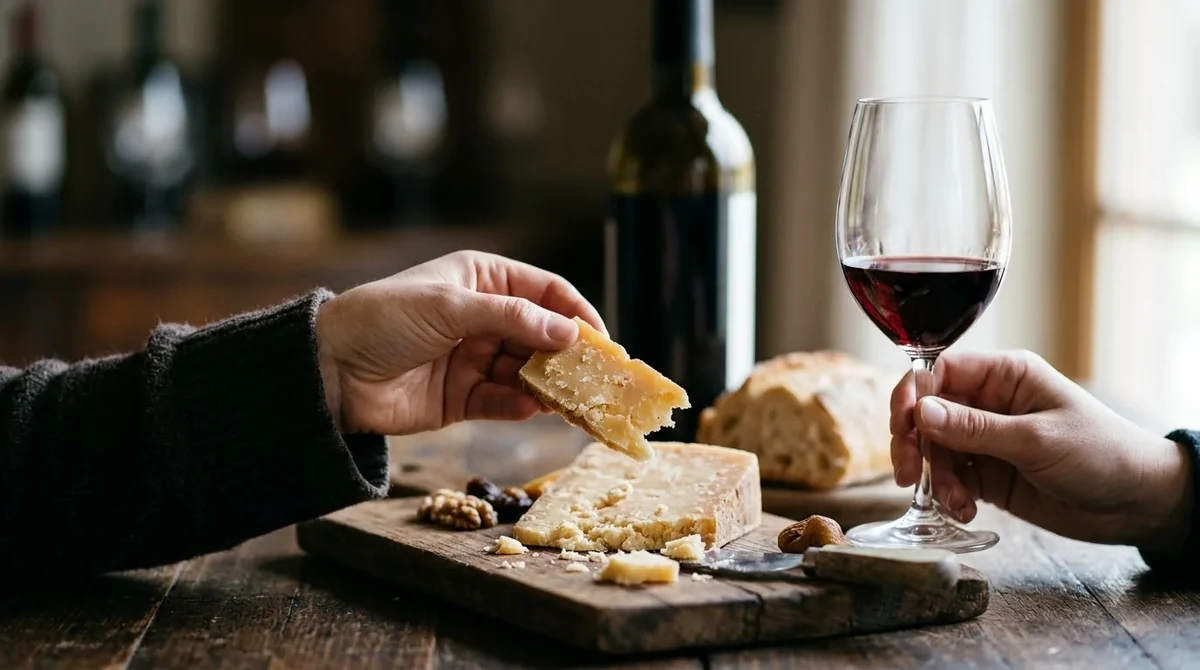
Burgers with blue cheese are another good option. The creamy, salty cheese softens the wine’s tannins, and the beef brings the fat the wine needs. A lean turkey burger or plain grilled vegetables usually leave the wine tasting drier than it should.
| Dish | Why it works | Tip |
|---|---|---|
| Cuban-style pork | Pungent seasoning matches the wine’s dark, herbal notes | Roast or grill for smoky depth |
| Burgers with blue cheese | Fat and salty cheese soften tannins | Choose an 80/20 beef patty |
| Lamb chops with rosemary | Rich meat and herbs echo the sage notes | Serve medium-rare |
| Hard aged cheese | Protein and fat balance the grip of the tannins | Cheddar or aged Gouda |
| Mushroom and bean stews | Earthy flavors meet the wine’s full body | Add thyme or bay leaf |
What to Avoid When Pairing Petit Verdot
The first mistake is serving petit verdot with light fish or delicate salads. The wine’s tannins are strong enough to make a light dish taste metallic or sour. If you want seafood, choose a rich, oily fish grilled with spice, and keep the wine for the heavier side of the plate.
The second mistake is pairing it with very sweet sauces. Heavy sugar in a barbecue sauce can make the wine taste bitter, because the sweetness and tannins fight each other. A dry rub or a savory, acidic sauce works better.
The third mistake is skipping decanting. The wine benefits from time in the glass, and Wine Folly recommends decanting for about one hour before serving. Aeration softens the tannins and lets the violet and cherry aromas show.
Tip: If the meal is light, serve a smaller pour and let the wine open slowly. A full glass of a very tannic red next to a light dish can feel heavy.
Serving Temperature and Glassware
Serve petit verdot between 60 and 68 degrees Fahrenheit, or 15 to 20 degrees Celsius, as Wine Folly suggests. That range is cooler than many people expect for a red. Serving it too warm can make the alcohol feel strong and hide the fruit, so a short time in the fridge before pouring can help if the room is hot.
A large red wine glass gives the aromas room to develop. Pour a moderate amount so the wine has space to open. Decanting for an hour is the easiest way to improve the wine, especially with a young bottle that still has firm tannins.
How to Build a Meal Around Petit Verdot
A good meal with petit verdot starts with a savory appetizer. Crostini with mushrooms, olives, or aged cheese work well, because they share the wine’s earthy and salty notes without overwhelming it. For the main course, pick a dish with fat and char, such as a grilled steak, roasted pork shoulder, or a slow-cooked stew with beef.
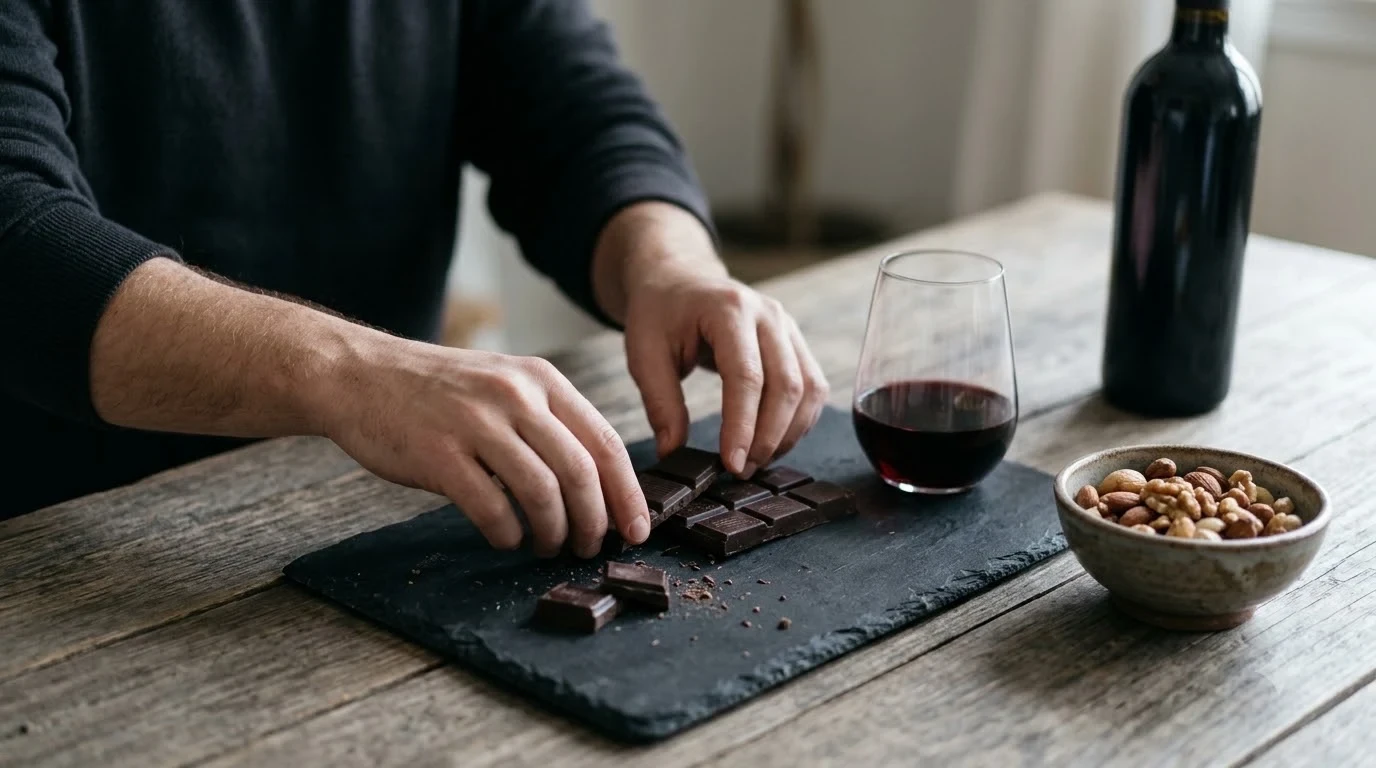
Dessert should be simple. A dark chocolate dessert, a plum tart, or a cheese plate with honey complements the wine’s dark fruit. Avoid very sweet, light desserts, since they will make the tannins feel more pronounced. If you are serving a cheese course, offer one or two aged cheeses rather than a wide selection, so the wine stays in focus.
For wines that behave similarly, the approach carries over. Our Barolo food pairing guide covers another high-tannin red and explains how to balance structure with rich food. You can also compare the approach with a lighter white in our gruner veltliner food pairing article.
How to Choose a Bottle
Petit verdot is often produced in small quantities and sometimes blended with other Bordeaux grapes, so the label may not always say the grape name on the front. Check the back label for the grape list. A bottle labeled as petit verdot will usually show the grape’s dark fruit and herbal profile, while a blend will show more balance and softness.
Look at the structure and age as well. A young bottle with firm tannins suits grilled and roasted meat and benefits from decanting. An older bottle has softer tannins and more savory notes, which pair well with aged cheese and mushroom dishes. For a broader look at how wine structure affects food matching, see our wine pairing guide.
The simplest rule is to match the weight of the wine to the weight of the dish. The bigger and more tannic the wine, the more fat, char, and savory flavor the food needs.
Frequently Asked Questions
What food goes best with petit verdot?
Roasted or grilled meats with a pungent or smoky seasoning are the best match. Cuban-style pork, lamb with rosemary, and burgers with blue cheese all work well because their fat and flavor balance the wine’s firm tannins.
Does petit verdot go with chicken?
Dark-meat chicken with a smoky or herbal seasoning can work, especially when the skin is well browned. Lean white-meat chicken is usually too light and makes the wine taste harsher.
Should petit verdot be decanted?
Yes, according to Wine Folly, decanting for about one hour helps soften the tannins and lets the aromas develop. It is especially useful for young bottles.
What temperature should petit verdot be served at?
Serve it between 60 and 68 degrees Fahrenheit, or 15 to 20 degrees Celsius. That range keeps the alcohol in check and lets the fruit and herbal notes come through.
Petit verdot rewards a bold, savory meal. Pick a grilled or roasted dish with some fat, decant the bottle for about an hour, and serve it at a cool red temperature. With those three steps, the wine’s structure becomes a strength instead of a challenge.
More in Food & Wine Pairing
 Risotto With White Wine Recipe: Make a Creamy Dinner at HomeUpdated Nov 20, 2026
 Wassail With Wine Recipe for a Festive Spiced Holiday DrinkUpdated Nov 20, 2026
 Spritz Veneziano Recipe: Make a Classic Venetian Aperitivo at HomeUpdated Nov 20, 2026
 Summer Wine Punch Recipe for Easy Homemade EntertainingUpdated Nov 20, 2026
 Bishop Recipe: How to Make a Bright, Citrus-Forward Red Wine CocktailUpdated Nov 20, 2026
 Wine Cupcakes Recipe: Bake Rich Chocolate Cupcakes at HomeUpdated Nov 20, 2026