

We may earn a commission when you buy through links on this page, at no extra cost to you. Learn more.
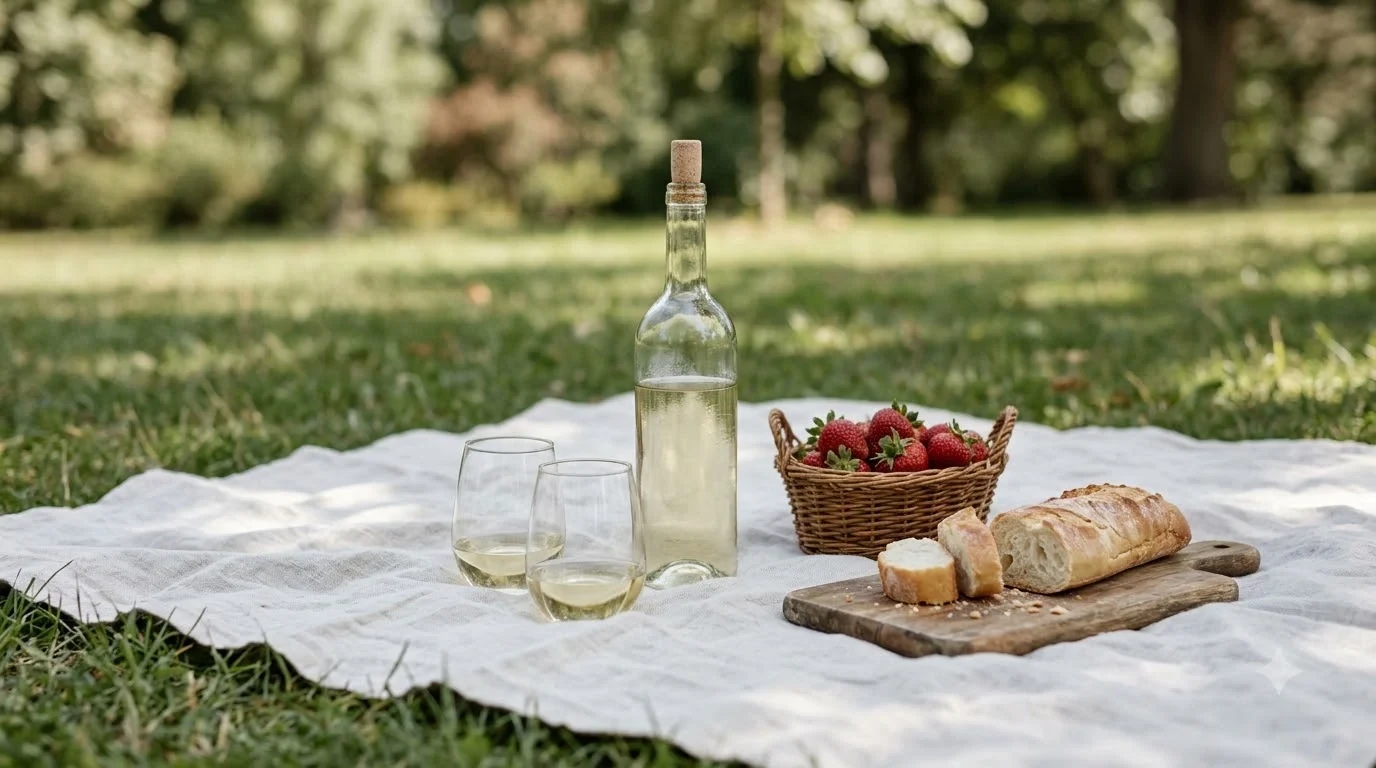
Gruner veltliner food pairing works best with dishes that match its high acidity, such as fried or creamy foods, pork, and light Asian dishes. The wine’s zesty, peppery profile cuts through richness and handles a wide range of flavors, which makes it one of the most food-friendly white wines from Austria.
Gruner veltliner is a dry white grape from Austria, and it has a reputation for being easy to pair. This guide explains which dishes suit the wine, how the style changes what you should serve with it, and what to look for when you buy a bottle for dinner.
Why Gruner Veltliner Pairs So Well With Food
The main reason this wine works at the table is its acidity. According to Wine Folly’s grape guide, the grape has a signature vein of very high acidity, and most wines are dry with no tannins. Acid acts like a palate cleanser, so it refreshes the mouth after fatty or salty bites instead of competing with them.
The flavor profile adds to that effect. The page lists starfruit, gooseberry, green bean, and white pepper as typical notes, with lime, lemon, and grapefruit in the aroma. Those herbal and peppery notes pair well with vegetables and spiced dishes, not just with lighter proteins.
Classic Dishes to Pair With Gruner Veltliner
The most traditional match is Wiener schnitzel, the breaded and fried veal or pork cutlet served across Vienna. The wine’s acidity slices through the crisp coating, and its body is light enough not to overwhelm the meat. Other creamy or fatty dishes also work well, because the acid balances the richness in the same way.
Asian dishes are another strong fit. Wine Folly suggests tonkatsu, the Japanese fried pork cutlet, and ramen, where the wine’s citrus and pepper notes stand up to broth and noodles. Fried foods in general are a good choice, from tempura to fried chicken.
| Dish | Why it works | Wine style to choose |
|---|---|---|
| Wiener schnitzel | Acidity cuts through the breaded, fried coating | Light, zesty bottle |
| Tonkatsu or ramen | Citrus and white pepper match savory broth and fried pork | Light to mid-bodied |
| Creamy pasta or chicken | Acid refreshes the palate after cream and butter | Mid-bodied |
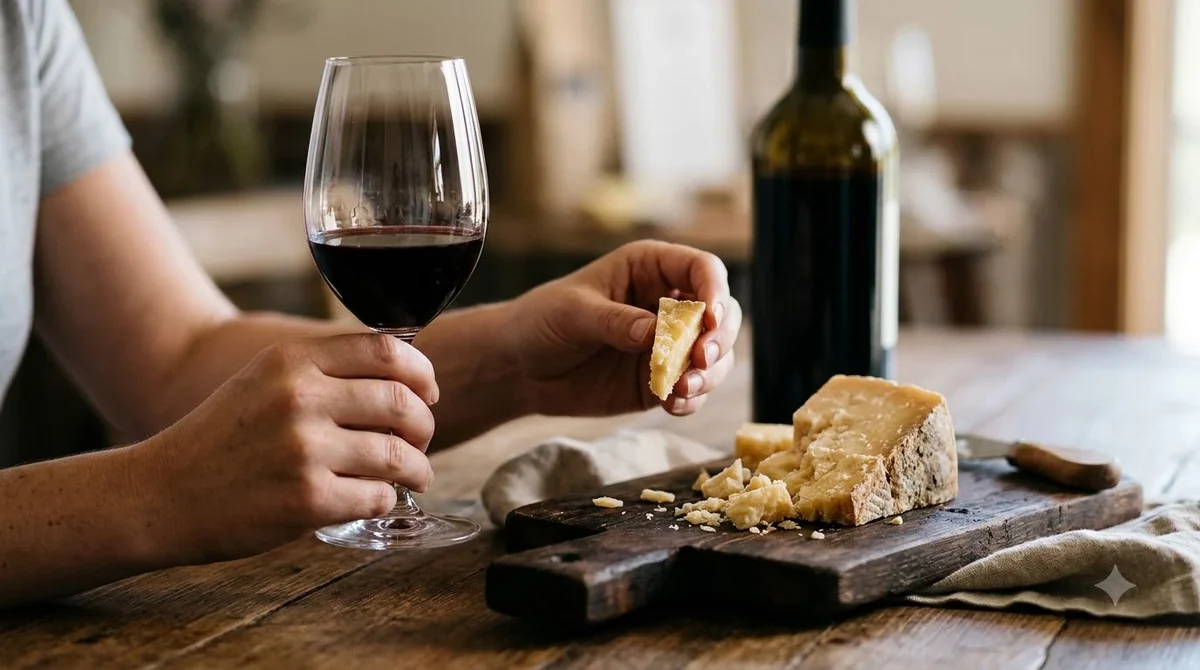
| Aged hard cheese (Gruyere, Appenzeller) | Savory, nutty notes echo the aged wine | Rich, reserve or Smaragd style |
| Green vegetables and herbs | Green bean and herbal notes complement the dish | Light, bright bottle |
How the Style Changes the Pairing
Gruner veltliner comes in a range of styles, and the best match depends on the one you open. Light wines from the Weinviertel are youthful and zesty, and they suit salads, fried snacks, and simple seafood. Richer bottles from the Wachau and Kamptal can carry more weight, so they work with roast chicken, pork dishes, and sauces with some body.
According to Wine Folly, the richer styles may see extended lees aging or occasional barrel aging, and the best examples can age for a decade or more. An older bottle with a bit of age has more savory, nutty character, and it pairs well with aged cheeses and mushroom dishes.
Serving Temperature and Glassware
Serve the wine chilled, between 45 and 65 degrees Fahrenheit (7 to 12 degrees Celsius), according to the Wine Folly profile. Zesty, youthful styles taste best at the cooler end of that range. Fuller, age-worthy bottles can be served a little warmer so their aromas open up.
A standard white wine glass is enough. Decanting is usually not needed, but an older bottle can benefit from a short decant to help it open. For everyday dinners, a young bottle served cold is a safe choice.
Tip: Match the wine to the sauce. Lighter, herbal dishes suit a zesty bottle, while creamy or nutty dishes suit a fuller one.
How to Choose a Bottle for Dinner
When you shop, look at the label for the region and the style. Wines from the Weinviertel tend to be light and dry, which makes them a good all-round choice for fried foods and salads. Bottles from the Wachau or Kamptal often carry designations that signal a richer, more structured style.
If you are serving a crowd with mixed dishes, a mid-weight bottle covers the most ground. It has enough acidity for fried and creamy foods and enough body for roast meats. For a more detailed look at how to match wines to specific dishes, see our guide to wine pairing.
Common Pairing Mistakes to Avoid
The most common mistake is serving the wine too warm. A young gruner veltliner served at room temperature can taste flat and lose the bright citrus and pepper that make it work with food. Chilling the bottle for an hour or two before dinner usually fixes the problem.
Another mistake is pairing a light, zesty bottle with very heavy, smoky barbecue sauce or a dish with a lot of spice heat. The wine’s acidity is strong, but the fruit is delicate, so the sauce can overwhelm it. In those cases a richer, mid-bodied bottle with more texture gives the dish more support.
Some people also expect every white wine to work with the same foods. Gruner veltliner is closer in structure to a lean, dry wine than to a buttery one, so it does better with fried and herbal foods than with dishes built on heavy butter or oak flavors. Matching the wine’s weight to the weight of the food is the simplest rule to follow.
Tip: If you are unsure, pick a dish with a crisp coating or a fresh herb sauce. Those two features tend to match the wine’s acidity and pepper notes almost every time.
Building a Full Dinner Around the Wine
Gruner veltliner can anchor a whole meal, not just one course. Start with a light appetizer such as radishes with butter and salt, a classic Austrian pairing, or a crisp salad with cucumber and herbs. The wine’s acidity makes these simple starters taste brighter. For the main course, choose a dish with some fat and texture, such as schnitzel or a pork cutlet, so the wine has something to cut through.
Dessert is harder to plan. The wine is dry, so a very sweet dessert will taste thin next to it. A lemon tart or a fruit-based dessert with tart notes usually works better, because the acidity in the dessert echoes the wine. For a cheese course, pick one aged hard cheese and serve it with a richer bottle rather than a light one.
Frequently Asked Questions
What food goes best with gruner veltliner?
Fried and creamy foods are a strong match, including Wiener schnitzel, tonkatsu, and creamy pasta. Its high acidity keeps the palate fresh after rich bites, and its peppery, citrus notes work with vegetables and herbs.
Is gruner veltliner good with chicken?
Yes. Roast or fried chicken pairs well, especially with a lemon or herb sauce. A light bottle suits simple grilled chicken, while a richer, mid-bodied bottle works with creamy chicken dishes.
Should gruner veltliner be served chilled?
Yes. Serve it between 45 and 65 degrees Fahrenheit. Youthful, zesty styles taste best cold, and richer, age-worthy bottles can be a little warmer.
Can gruner veltliner age?
Some examples can age for ten years or more, according to Wine Folly. Aged bottles develop more savory and nutty notes, which suit aged cheeses and mushroom dishes.
Gruner veltliner is a flexible wine that rewards a simple approach. Start with a fried or creamy dish, match the style to the sauce, and serve the bottle cold. For more pairing ideas across other grapes, explore our Barolo food pairing guide or the petit verdot food pairing article.
More in Food & Wine Pairing
 Risotto With White Wine Recipe: Make a Creamy Dinner at HomeUpdated Nov 20, 2026
 Wassail With Wine Recipe for a Festive Spiced Holiday DrinkUpdated Nov 20, 2026
 Spritz Veneziano Recipe: Make a Classic Venetian Aperitivo at HomeUpdated Nov 20, 2026
 Summer Wine Punch Recipe for Easy Homemade EntertainingUpdated Nov 20, 2026
 Bishop Recipe: How to Make a Bright, Citrus-Forward Red Wine CocktailUpdated Nov 20, 2026
 Wine Cupcakes Recipe: Bake Rich Chocolate Cupcakes at HomeUpdated Nov 20, 2026