

We may earn a commission when you buy through links on this page, at no extra cost to you. Learn more.
14 Hands red wine comes from Washington State and is built around bold, fruit-forward flavors that suit easy everyday drinking. The brand is made by 14 Hands Winery in Prosser, Washington, and its bottles are known for playful labels and approachable styles. This guide explains what to expect from the reds, how to serve them, and which dishes they pair with.
Many shoppers pick up a bottle of 14 Hands red wine at the grocery store without knowing much about the producer behind it. This page covers the basics: where the wine is made, how the reds tend to taste, how to serve them, and how to choose between the brand’s red and white options. If you are exploring other labels from the same shelf, the wine brands guide is a useful starting point.
Who Makes 14 Hands Red Wine
14 Hands Winery is based in Prosser, a town in the Yakima Valley of central Washington. The winery’s website (14hands.com) describes its wines as “wild, fruit-forward wines from Washington State,” and the brand positions itself around character and fun rather than formal tasting-room tradition. That positioning shapes almost everything about the labels, the naming, and the way the reds are marketed.
The producer’s site does not publish a detailed founding history or a full list of red varietals on the pages reviewed for this guide. For that reason, the best way to learn what is in a specific bottle is to read the back label, which normally names the grape or blend and the vintage. Washington is a major wine region with a long record of growing red grapes such as Cabernet Sauvignon and Merlot, so many of the reds from the state share a ripe, fruit-led character.
What the Reds Taste Like
Most people describe 14 Hands reds as soft, juicy, and easy to approach. The wines lean toward ripe dark fruit and a smooth finish instead of heavy oak or sharp tannins. That makes them a comfortable choice for someone who wants a red that does not demand a lot of attention before the first glass.
The brand does not present its reds as complex or aged wines, and that is part of the appeal. A typical bottle is meant for a weeknight dinner or a casual gathering. If you prefer lighter, more elegant reds, such as a Pinot Noir from Burgundy, the style will feel bolder and sweeter by comparison.
| Question | What to expect from 14 Hands reds |
|---|---|
| Region | Washington State, with the winery in Prosser |
| Overall style | Soft, fruit-forward, approachable |
| Tannin and oak | Generally gentle; check the label for oak notes |
| Best for | Casual dinners, backyard meals, and easy sipping |
| Serving temperature | Slightly cooler than room temperature |
How to Serve 14 Hands Red Wine
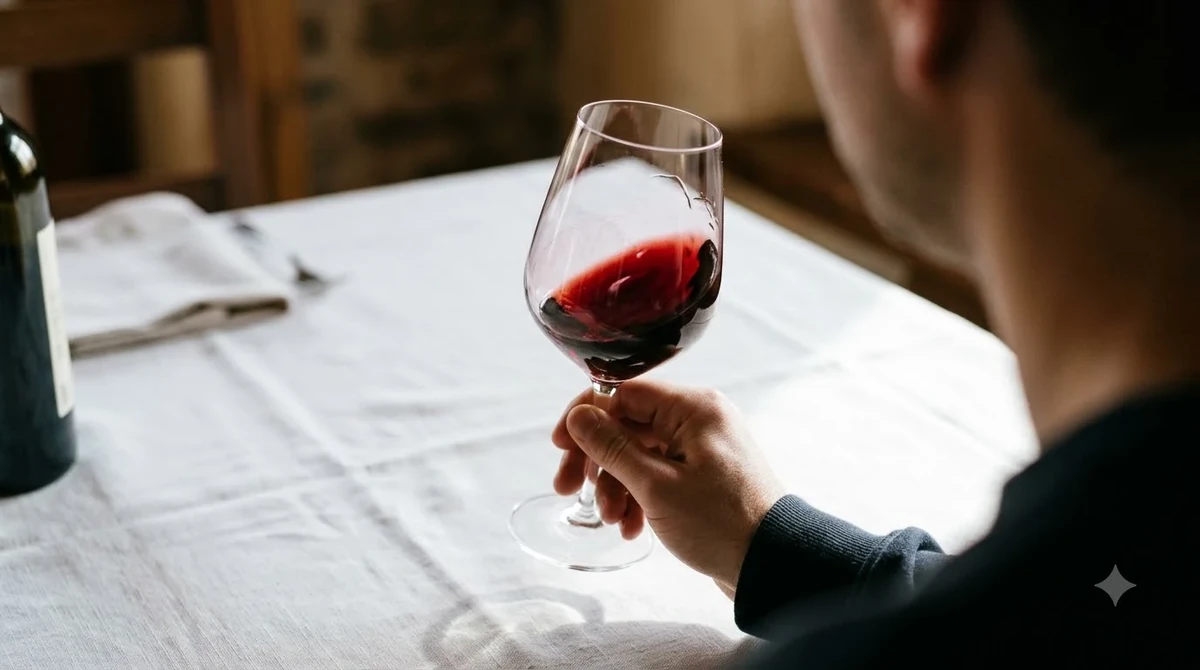
Serve the red slightly cooler than room temperature. A short stay in the refrigerator before pouring brings out fresher fruit and keeps the wine from tasting heavy. Use a standard red wine glass, which gives the aromas room to open.
Decanting is not necessary for a soft, young red like this. If the bottle has been open for a few days, the flavors will fade, so recork it tightly and keep it cool. Most casual reds from the brand are best enjoyed within a few days of opening.
Food Pairings That Work Well
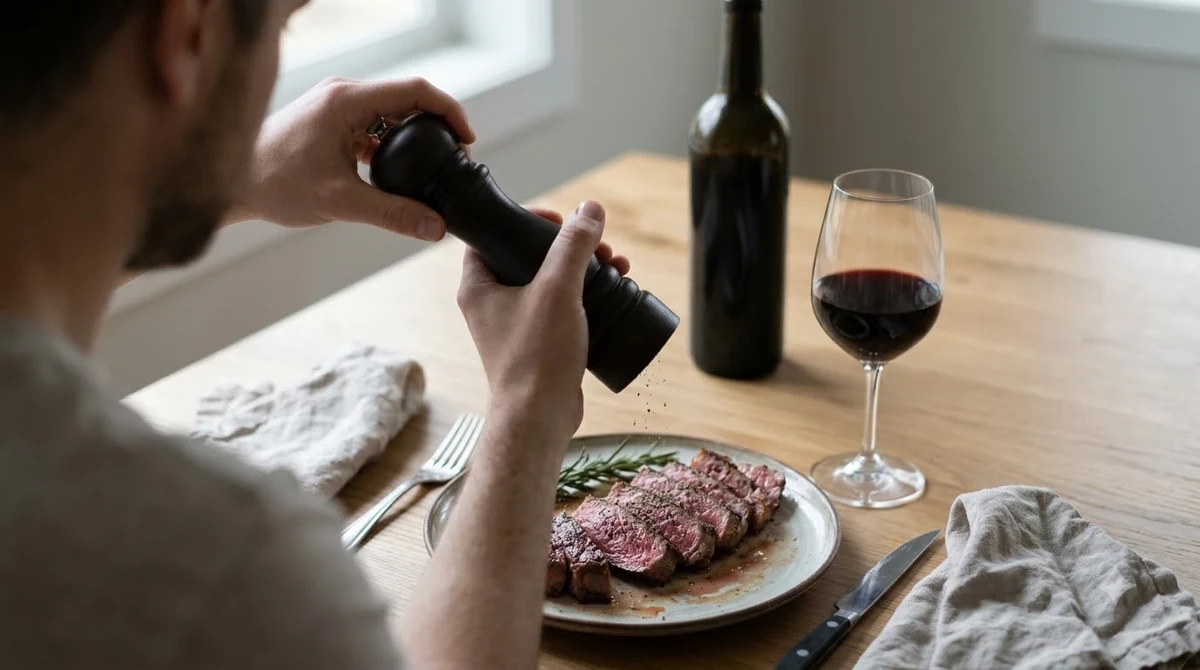
Because the reds are fruit-forward and not very tannic, they pair well with foods that are savory without being too fatty. Burgers, grilled sausages, pizza with tomato sauce, and roasted chicken all make sensible matches. As a general rule, a fuller red pairs with a richer main course, while a softer red suits lighter, everyday plates.
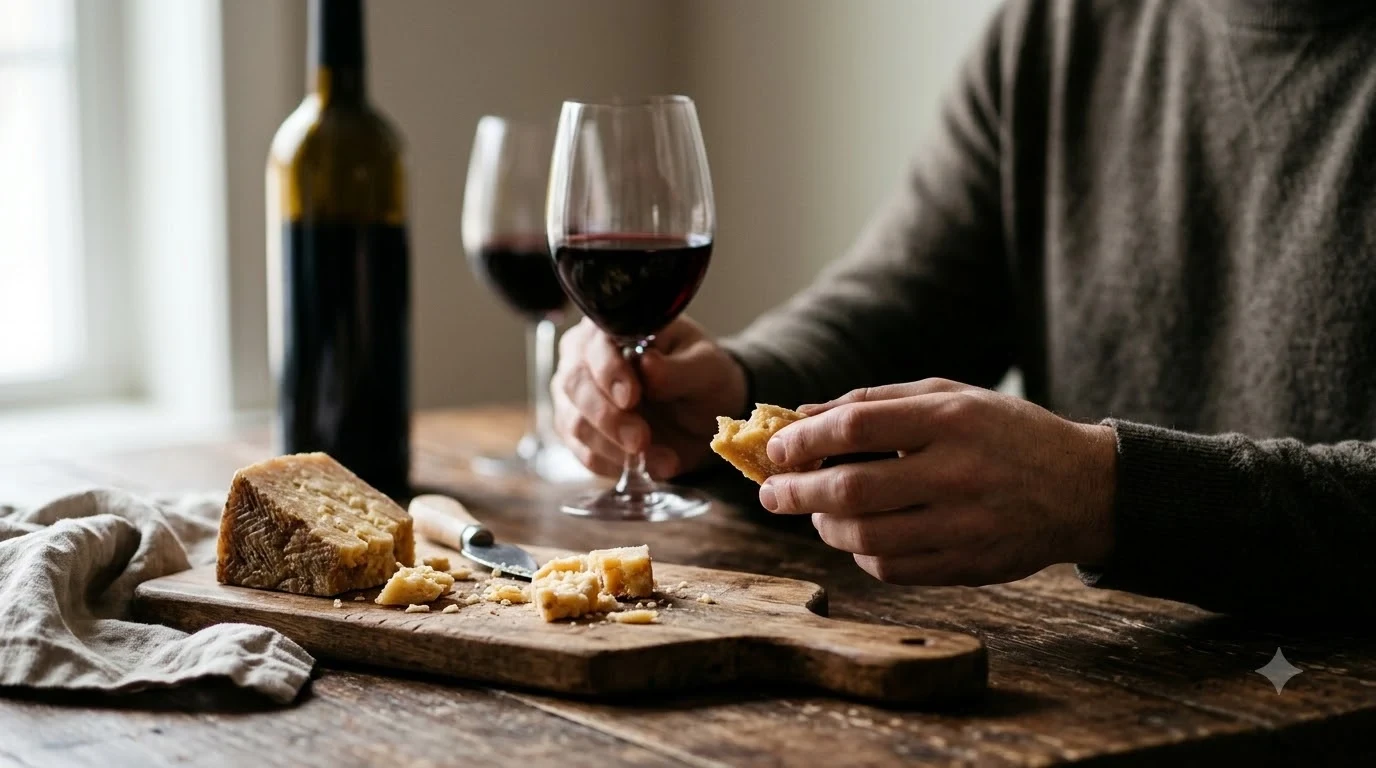
Spicy food can be a tricky match. Heat tends to make a sweet, fruity wine taste flatter, so a milder dish usually works better. For a cheese board, choose semi-firm cheeses such as cheddar or gouda, which hold up to the fruit without overwhelming it.
How to Choose the Right Bottle
Start with the label. The grape or blend, the vintage, and the alcohol content are all printed on the back, and they tell you more than the front design does. If you want a red that feels richer, look for a Cabernet Sauvignon style. If you want something softer and more fruit-driven, a red blend is usually the safer pick.
Think about the occasion as well. For a large group, buy a few bottles of the same red so you do not run short. For a single dinner, a smaller selection lets you test two or three styles and see which one you prefer. Keep in mind that the wines on store shelves change over time, so the exact bottle you find may differ from what is shown on the brand’s website.
Tip: If you are unsure about a red, pair it with a meal you already know well. The food will show you whether the wine’s fruit and softness complement the dish.
Where 14 Hands Reds Fit in a Wine Collection
Many drinkers build a small home collection with a few styles in mind: one bright white, one rosé for warm weather, and a couple of reds for different meals. A fruit-forward red from Washington State fills the everyday slot well. It is the bottle you open on a Tuesday, not the one you save for a special occasion, and that role is worth recognizing when you shop.
The same logic applies to comparing brands. A soft, fruit-led red is different from a structured cabernet from a cooler climate or a delicate Pinot Noir from Burgundy. If you want a bolder option, the cabernet-style reds in the 19 Crimes red guide show how a firmer structure changes the experience. If you want a more classic European style, the Albert Bichot wine guide covers Burgundy reds and whites from a long-established house.
Think about how often you will drink the wine. A bottle that is easy to open, easy to pour, and pleasant on its own is a practical choice for weeknights. For a dinner party, pair the reds with a few dishes and let guests compare their own preferences. Either way, the goal is a wine that makes the meal more enjoyable rather than one that asks for close study.
Storage is simple for most casual reds. Keep unopened bottles in a cool, dark place away from heat and direct sunlight. Once opened, recork the bottle tightly and refrigerate it if the weather is warm. The fruit fades over several days, so finishing the bottle within a short window keeps the wine tasting its best.
Frequently Asked Questions
Is 14 Hands red wine sweet?
The reds are generally described as fruit-forward and smooth, which can read as slightly sweet to drinkers used to dry, tannic wines. The exact level of sweetness depends on the specific bottle, so check the product description or ask the retailer for the style.
Where is 14 Hands red wine made?
The brand is made by 14 Hands Winery in Prosser, Washington. The winery’s site presents the wines as coming from Washington State, a major region for red grapes.
What should I serve with 14 Hands red wine?
Burgers, grilled sausages, roasted chicken, and tomato-based pizza are reliable matches. Avoid very spicy dishes, because heat can make a fruity red taste flat.
How should I store an open bottle?
Recork the bottle tightly and keep it in a cool place or the refrigerator. Most casual reds like this are best finished within a few days, since oxidation dulls the fruit over time.
Choosing a red from 14 Hands comes down to what you want from the evening: an easy, fruit-led glass for a casual meal, or a bolder pour for a heartier dish. Start with a simple pairing, note how the wine tastes with the food, and then compare a second bottle. For more context on other brands in the same category, read the 19 Crimes red guide or the Albert Bichot wine guide. The wine is meant to be enjoyed, so keep the pour relaxed and the table simple.
More in Wine Brands
 Underwood Wine Price: Compare Bottles, Cans, and Pack SizesUpdated Nov 21, 2026
 Zenato Wine Price: Compare Styles and Choose the Right BottleUpdated Nov 21, 2026
 Zuccardi Wine Price: Compare Bottles and Find the Right RangeUpdated Nov 21, 2026
 Yellow Tail Moscato Review: Taste, Sweetness and Serving TipsUpdated Nov 21, 2026
 Wolf Blass Yellow Label Review: Choose Your Best StyleUpdated Nov 21, 2026
 Wolffer Estate Rose Review: Choose the Right Bottle for Your TableUpdated Nov 21, 2026