

We may earn a commission when you buy through links on this page, at no extra cost to you. Learn more.
The best moscato brands are the producers that make a clearly labeled Moscato d’Asti, because that style follows strict rules for sweetness, low alcohol, and gentle bubbles. Comparing moscato brands is easier once you know what the label should tell you: the region, the style, the alcohol level, and whether the wine is fully sparkling or only lightly fizzy.
This guide is for buyers who want a sweet, low-alcohol white and need a clear way to compare the bottles on the shelf. The biggest source of confusion is the name itself, because moscato is a grape and also a family of wines that can differ a great deal in style. The Asti DOCG consortium website covers the Moscato d’Asti and Asti wines made in northwest Italy, and the rules it describes are a good reference when you read labels.
Know the Grape and the Style
Moscato d’Asti is made from Moscato bianco, which is also known as Muscat à Petits Grains. The wine is considered sweet and is usually treated as a dessert or aperitif style rather than a dry table white. That sweetness comes from fermentation that is stopped early, which leaves natural sugar in the bottle.
Wikipedia’s entry on Moscato d’Asti notes that the law caps the alcohol at 5.5 percent, which is well below most still wines. Many buyers are surprised by how light the wine feels for its sweetness, and that combination is a large part of its appeal.
On the palate, the wine is usually described as floral and fruity, with a soft texture and lively bubbles that lift the sweetness. Because the alcohol is low, the flavors feel bright rather than heavy, and the wine can be enjoyed on a warm afternoon without the weight of a fuller white.
Compare Moscato d’Asti and Asti Wines
Within the Asti DOCG family, the two best-known labels are Asti and Moscato d’Asti. The consortium describes Asti as a sparkling wine, while Moscato d’Asti is made in the frizzante style, which means it is gently sparkling rather than fully bubbly. The difference shows up in the glass, so check the label before you buy.
| Label feature | What it usually means | What to look for |
|---|---|---|
| Moscato d’Asti | Gently sparkling (frizzante), sweet, about 5.5 percent alcohol | DOCG designation on the label |
| Asti | Fully sparkling, usually sweet | Asti DOCG designation and a fuller bubble |
| Other moscato | Style varies by producer and country | Alcohol level and sweetness described on the back label |
Moscato made outside Piedmont may be labeled simply as moscato, and those bottles can differ in alcohol and sweetness. Reading the back label is the only reliable way to know what you are buying, and a label that gives both the alcohol percentage and the sweetness description is usually the more informative choice.
When two bottles look similar, put them side by side and compare the aroma first. A fresh, floral nose usually points to a younger wine, while a muted or stale smell suggests the bottle has been open or stored too warm.

Why Region Matters for Moscato
Moscato d’Asti comes mainly from the province of Asti in northwest Italy, with smaller amounts in nearby parts of Alessandria and Cuneo. The consortium describes the surrounding hills of Langhe, Roero, and Monferrato as a landscape with a long winemaking history, and the rules for Moscato d’Asti are tied to that area.
Because the DOCG defines where the grapes can come from, a DOCG label is one of the clearest signs of an authentic Moscato d’Asti. Bottles from other places can still be pleasant, but they follow different rules and may taste different from the classic style.
How to Judge Moscato Brands
A brand name can help you find a consistent style, but it does not replace reading the label. Use a short checklist to compare two or three bottles that sit side by side on the shelf.
- Confirm the label names Moscato d’Asti or Asti, and look for the DOCG mark.
- Check the alcohol level. Classic Moscato d’Asti is capped at 5.5 percent, so a bottle with a much higher figure is a different style.
- Check the sweetness description. Moscato d’Asti is sweet, but producers vary in how strongly they lean toward honeyed or floral notes.
- Choose a bottle close to the date you plan to drink it, since fresh moscato shows its floral aromas best.
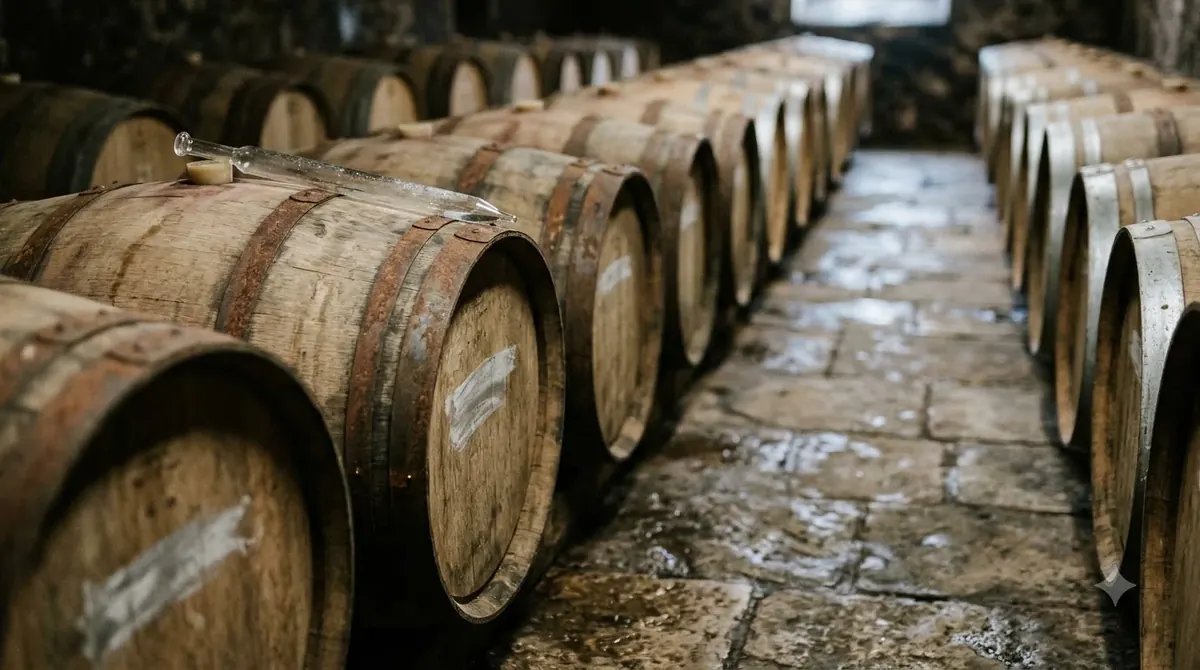
Brands that store their moscato well and bottle it close to release tend to show the freshest character. Since the style depends on youthful aromas, a bottle that has sat on a warm shelf for a long time may taste flat or dull, even if the brand is well regarded.
Serving and Food Pairing
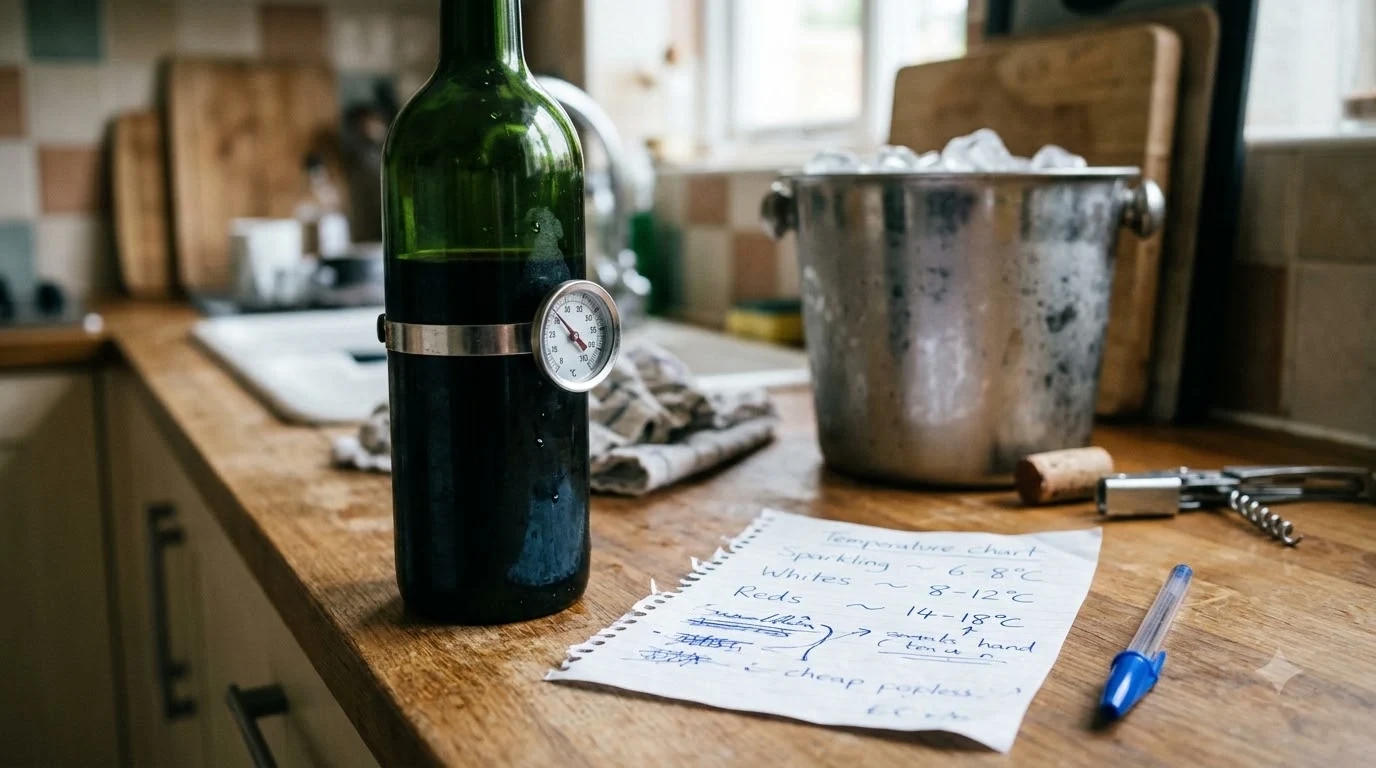
Serve moscato cold, but not ice-cold, so the sweetness and aromatic fruit can show. A chilled glass works well with fruit desserts, light cakes, and fresh berries, because the wine’s sweetness balances tart fruit without overwhelming it.
Moscato also suits spicy Asian dishes, where sweetness helps cool heat, and it can close a meal with a simple plate of biscotti. Pour small amounts, since the wine is light in alcohol and easy to drink quickly.
Salty snacks such as olives or soft cheeses can make a sweet moscato feel brighter, and a light fruit salad with mint is a simple match for a warm evening. Those pairings show the wine’s aromatic side without asking it to carry a heavy main course.
Common Mistakes When Buying Moscato
Most buyers who are disappointed by moscato expected a dry white. Others choose a bottle that is labeled moscato without checking whether it is the Piedmont style, which can lead to a different experience.
- Expecting a dry, crisp white from a sweet, aromatic wine.
- Serving the wine too warm, which makes the sweetness feel heavy.
- Buying an old bottle, since the fresh floral character fades over time.
- Assuming all moscato is fully sparkling when Moscato d’Asti is only frizzante.
Frequently Asked Questions
What is the difference between Moscato d’Asti and Asti?
Both come from the Asti area and are made from Moscato bianco. Asti is fully sparkling, while Moscato d’Asti is gently sparkling in the frizzante style. Check the label to confirm which style you are buying.
How much alcohol does moscato contain?
Classic Moscato d’Asti is capped at 5.5 percent alcohol by law, which is low for a wine. Moscato labeled outside the Piedmont rules may vary, so read the back label.
Is moscato a dessert wine?
Moscato is sweet and often served with dessert or fruit, though many people enjoy it as an aperitif before a meal. Its low alcohol and gentle bubbles make it a relaxed choice for lunch or a warm evening outdoors.
Its low alcohol and gentle bubbles make it easy to pour in smaller glasses.
Can I keep an open bottle of moscato?
Keep an opened bottle cold and sealed, and drink it within a few days. The fizz and fresh aromas fade faster than in a still wine, so plan to finish the bottle sooner. Pouring small glasses and returning the bottle to the refrigerator between servings helps the wine stay lively for longer.
Moscato is a good example of a style where the label matters more than the brand. A short check of the designation, alcohol level, and bubble style will tell you more than a familiar name, and it makes the comparison fair across producers.
Once you know the label rules and the style you like, comparing moscato brands becomes a clear task. For more on sparkling wines, see the prosecco brands guide, and for a wider look at the shelf, the red wine brands guide covers a very different style. Enjoy responsibly.
More in Wine Buying Guides
 Riesling Gift: Choose a Bottle They’ll LoveUpdated Nov 21, 2026
 Sweet Red Wine Gift: Choose a Bottle They’ll LoveUpdated Nov 21, 2026
 Malbec Gift: How to Choose a Memorable Bottle for Any OccasionUpdated Nov 21, 2026
 Sherry Gift Ideas That Match Every Wine LoverUpdated Nov 21, 2026
 Moscato Gift: How to Choose a Sweet Wine They’ll LoveUpdated Nov 21, 2026
 Merlot Gift: How to Choose a Bottle They’ll AppreciateUpdated Nov 21, 2026