

We may earn a commission when you buy through links on this page, at no extra cost to you. Learn more.
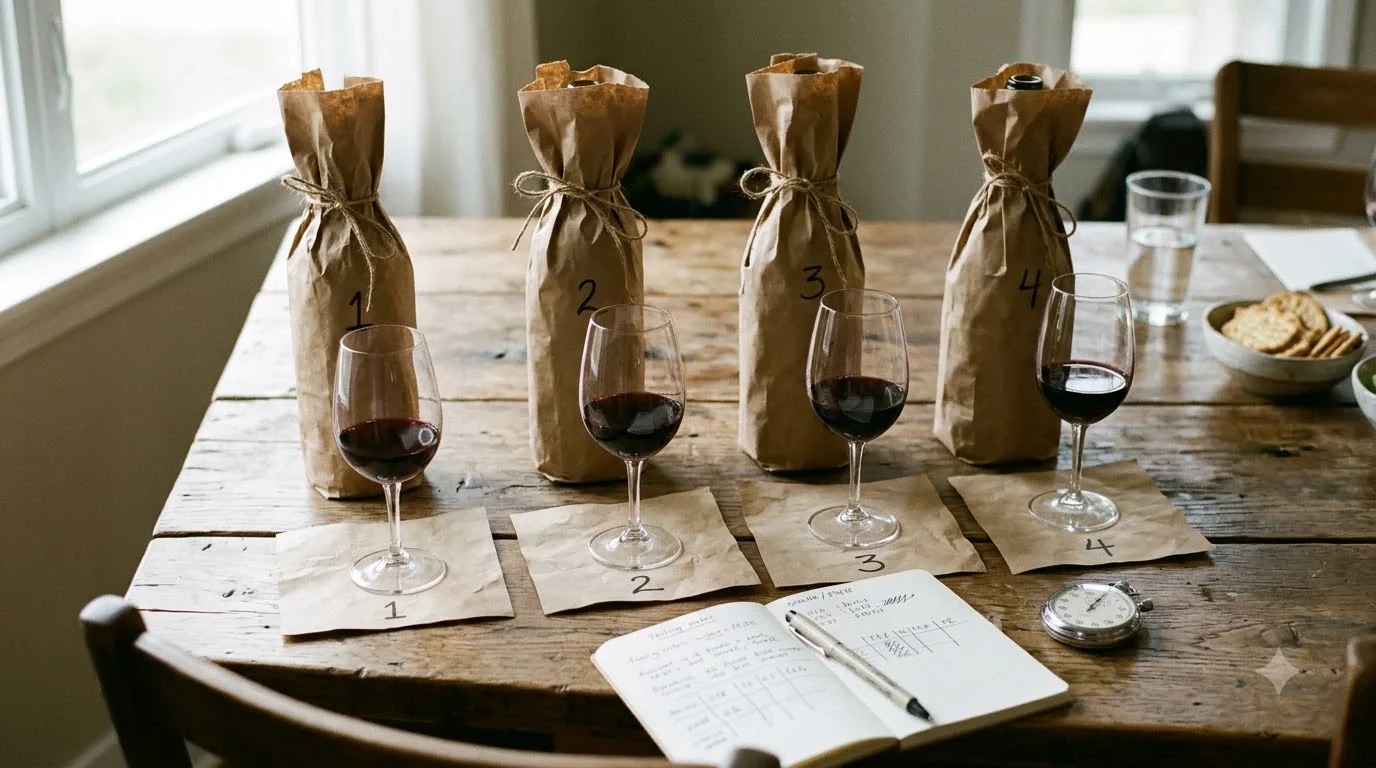
Sonoita wine tasting happens in a small, high-elevation grape-growing area in southeastern Arizona, roughly an hour southeast of Tucson, where vineyards sit at about 4,500 to 5,000 feet among open grasslands. The region is the state’s first federally recognized appellation, and most of its tasting rooms are spread along rural roads rather than in a single downtown. Plan a visit around winery hours, bring water for the drive, and expect wines that reflect cool nights and a long, dry growing season.
This guide explains where Sonoita is, what the wines tend to taste like, how a day of tasting usually works, and what to check before you go. It is written for visitors who have heard about Arizona wine but want a clear picture before they set out.
Where Sonoita Sits and Why It Matters
The Sonoita American Viticultural Area covers roughly 208,000 acres in southeastern Arizona, mostly in southern Santa Cruz County and extending into parts of Cochise and Pima counties. The Bureau of Alcohol, Tobacco and Firearms established it on October 25, 1984, and it was the first appellation in Arizona. That status matters for visitors because the label on a bottle can tell you directly whether the grapes came from this area.
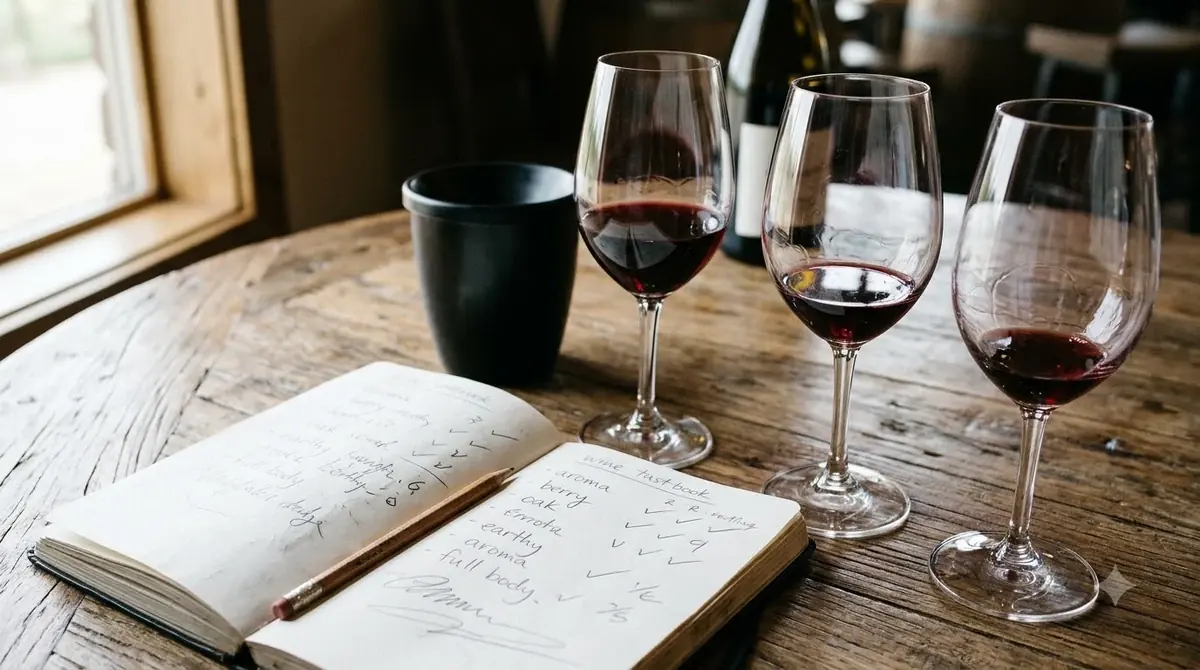
The area lies close to the Mexican border, so the landscape feels very different from the city. Rolling grassland, scattered oak, and mountain ranges form the backdrop, and the vineyards are set into that open country rather than packed together.
Elevation, Climate and the Grapes You Will See
Most vineyards in the region sit between about 4,500 and 5,000 feet above sea level. Altitude keeps daytime heat in check and brings cooler nights, which helps the grapes hold acidity. Winemakers in the area work with a wide list of varieties, and a tasting menu can move from crisp whites to bold reds in one afternoon.
The reference entry on the Sonoita AVA lists about 27 grape varieties grown there. Red examples include Cabernet Sauvignon, Merlot, Syrah, Sangiovese, and Pinot Noir. Common whites include Chardonnay, Sauvignon Blanc, and Riesling. The entry also reports 22 wineries and 18 vineyards in the appellation, though those counts can change as new producers open.
| Feature | What to expect in Sonoita |
|---|---|
| Elevation | About 4,500 to 5,000 feet |
| Reds you will likely see | Cabernet Sauvignon, Merlot, Syrah, Sangiovese, Pinot Noir |
| Whites you will likely see | Chardonnay, Sauvignon Blanc, Riesling |
| Getting there | About an hour southeast of Tucson, around three hours from Phoenix |
How a Day of Sonoita Wine Tasting Usually Works
A typical visit starts with one winery, where the staff pour a flight and explain the vineyard. Many visitors then move to a second stop before lunch, which keeps the schedule relaxed. Because the wineries are spread across open country, distances between them can be longer than in a dense wine district, so a shorter route with two or three stops often works better than trying to see everything.
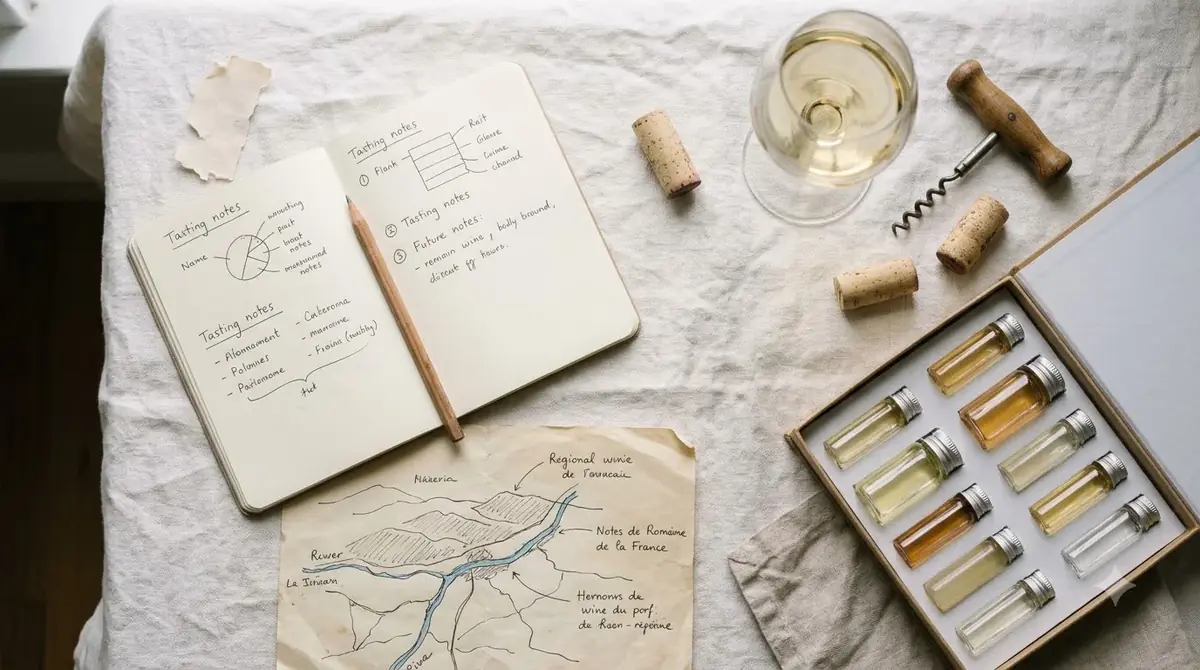
Tasting rooms in the area commonly offer seated flights, glasses by the bottle, and vineyard views. Some producers also host private tastings, events, and weddings. Ask ahead if you want a guided tour of the vines or a barrel room visit, because those experiences are not always on the standard schedule.
Sonoita Vineyards as a Starting Point
Sonoita Vineyards is one of the best-known names in the appellation. According to the winery’s own website, it is the oldest commercial vineyard and winery in Arizona, planted in 1974 and opened to visitors in 1983, with more than 30 acres of vines at about 5,000 feet. The site describes its wines as ranging from crisp and fruity to bold and complex, and it offers daily tastings from 10:00 a.m. to 4:00 p.m., closed Tuesdays and major holidays.
The winery also lists a gift shop, a barrel room, and an area where visitors can enjoy a glass of wine among the vines. Its annual Blessing of the Vines is a seasonal event, so check the calendar before planning around it. For a wider view of how regions compare, the Wine Regions guide puts Sonoita in context with other areas.
Tips for Visiting Sonoita Wineries
Start early in the day. Tasting hours in the region are often shorter than in larger wine areas, and some rooms close on certain weekdays. Confirm the schedule the day before, especially if you plan to visit on a Tuesday or during a holiday week.
Bring water and a plan for transportation. The distances between vineyards and town are real, and rural roads can be quiet after dark. If you are staying overnight, look for lodging close to your first winery. Some visitors combine a tasting day with a trip to nearby desert and mountain scenery, which fits well with a slower pace.
Ask about tasting fees and whether they are waived with a bottle purchase, because policies differ from one room to the next. Keep the portion size of each pour in mind as well, and pace yourself across the stops.
Plan food for the day as well. Many visitors arrive hungry after a drive, so pack a light lunch or check whether a winery offers snacks or a picnic setting. Eating before you start makes it easier to taste several wines without feeling rushed. Designated drivers, rideshare options, or a booked tour all help keep the day safe and relaxed, especially on rural roads.
Tip: Pick two wineries with different styles, such as one known for whites and one for red blends, so you can compare how the same land shows up in different wines.
Reading Labels and Choosing Bottles to Take Home
When you find a wine you like, the label is the fastest way to learn more about it. Look for the appellation line, which tells you whether the grapes came from Sonoita or from a wider Arizona blend. A label that names Sonoita as the origin means the fruit grew inside that appellation, which is the most direct link to the place you visited.
Vintage matters too. Young reds often show bright fruit and firm tannins, while older bottles can soften and develop more savory notes. Ask the pourer how each wine is best enjoyed in the next few years, and whether the winery recommends cellaring. Many tasting rooms are happy to explain the difference between a fresh white and an oak-aged one, which helps you choose bottles that match your own taste.
Shipping rules vary by state, and some tasting rooms only sell by the bottle on site. If you plan to bring wine home, confirm the rules for your state and ask whether the winery can pack bottles safely for the drive. Keep receipts with your luggage and plan for the bottles to travel in a padded case.
Frequently Asked Questions
Is Sonoita wine tasting worth a special trip from Tucson?
For many visitors, yes. The drive is about an hour, and the appellation offers a quiet, rural setting with a different wine profile than the coastal regions most people know. A day trip works well for two or three wineries.
What grapes should I try in Sonoita?
Start with the grapes that appear most often on tasting menus, such as Cabernet Sauvignon, Merlot, Syrah, Sangiovese, Chardonnay, and Sauvignon Blanc. Asking the pourer which wines come from estate-grown fruit is a good way to learn what each vineyard does best.
Do Sonoita wineries require reservations?
Policies vary. Many rooms welcome walk-ins during open hours, while private tastings, tours, and events usually need advance booking. Check each winery’s website or call ahead before you drive out.
When is the best time to visit?
Spring and fall are popular because daytime temperatures are comfortable for walking through vineyards. Summer afternoons can be hot, so plan outdoor time for the morning and move indoors during the warmest hours.
A good Sonoita wine tasting day combines a clear plan, two or three contrasting wineries, and time to enjoy the open landscape. Check hours, book any private experience early, and use the gavi wine tasting and santa fe wine tasting guides if you want to compare how other regions organize their tasting rooms.
More in Wine Regions
 Willcox Wine Trail: Discover Arizona’s High-Elevation Wine CountryUpdated Nov 20, 2026
 Yakima Valley Wine Region: Find the Best Styles to TryUpdated Nov 20, 2026
 Vosne Romanee Wine Tasting: Identify Aromas and Choose Better PairingsUpdated Nov 20, 2026
 Yakima Valley Wine Festival: Find the Best Seasonal Wine EventsUpdated Nov 20, 2026
 Wales Vineyards: Discover Cool-Climate Wines and Where to VisitUpdated Nov 20, 2026
 Yountville Wine Festival: Discover Napa Wines and Local FoodUpdated Nov 20, 2026