

We may earn a commission when you buy through links on this page, at no extra cost to you. Learn more.
The best boxed sauvignon blanc is a dry, high-acid white with clear green-herb or tropical-fruit character, sold in a bag-in-box that keeps air out once it is opened. Pick a leaner, herbal style for seafood, goat cheese, and fresh salads, and a riper, fruit-forward style for warm evenings and grilled dishes. The grape’s natural acidity suits a format built for regular pouring, so a boxed sauvignon blanc works well as an everyday white.
Sauvignon blanc is one of the easiest white wines to find in a box, and it is also one of the most useful for everyday drinking. Shoppers who want a crisp white without buying a full bottle each time often reach for boxed options, but the label rarely says much about style. This guide explains what to look for, how the main sauvignon blanc styles differ, and how to match a box to the way you plan to drink it.
Quick Comparison of Sauvignon Blanc Styles in a Box
Sauvignon blanc is grown in many places, and the growing region shapes the glass more than the packaging does. Use this table as a starting point when you compare labels on the shelf.
| Style | What to expect in the glass | Best pairing |
|---|---|---|
| Loire-style, herbal | Tart, green, with grassy and herbal notes and firm acidity | Goat cheese, feta, asparagus, herb-heavy dishes |
| New Zealand-style, fruit-forward | Louder aromatics, passion fruit and tropical fruit, bold fruit weight | Grilled chicken, shellfish, spicy Thai or Vietnamese food |
| Cool-climate coastal | Citrus, gooseberry, and a crisp finish | Oysters, sushi, light fish dishes |
| Warm-climate, rounder | Riper peach and melon notes with softer acidity | Roast chicken, pork, mild cheeses |
The table is a broad guide. Many boxed wines blend fruit from several regions, so the style on the label may be general. When the box names a specific region, that detail is the most useful clue to how the wine will taste.
Herbal, Crisp Styles for Everyday Sipping
The most classic sauvignon blanc style is crisp, dry, and herb-driven. According to Wine Folly’s sauvignon blanc grape guide, the grape typically shows gooseberry, honeydew, grapefruit, and white peach, and on the nose it can also show green, herbal notes. Cool climates suit the grape best, which is why Loire Valley and Marlborough wines are often used as reference points for this style.
For a boxed wine, a herbal style is a safe pick for a weeknight. It is light enough to drink on its own before dinner and flexible enough to pair with simple food. Look for a label that describes the wine as dry and lively, and avoid boxes that promise a rich or heavy texture if you want a sharp, clean finish.
Serve these wines cool. Wine Folly lists a serving range of 45 to 55 degrees Fahrenheit (7 to 12 degrees Celsius) for sauvignon blanc, so a few hours in the refrigerator before pouring will bring out the crisp side of the wine.
Riper, Tropical Styles for Warm Evenings
Some sauvignon blancs are noticeably riper. Wines from warmer sites can show passion fruit, guava, and other tropical fruit, with a softer edge than the Loire style. The VinePair sauvignon blanc primer describes the difference simply: depending on where the grape is grown, sauvignon blanc can taste tart and green with grassy notes, or riper with tropical fruit such as passion fruit and guava. Its high acidity stays consistent across both styles.
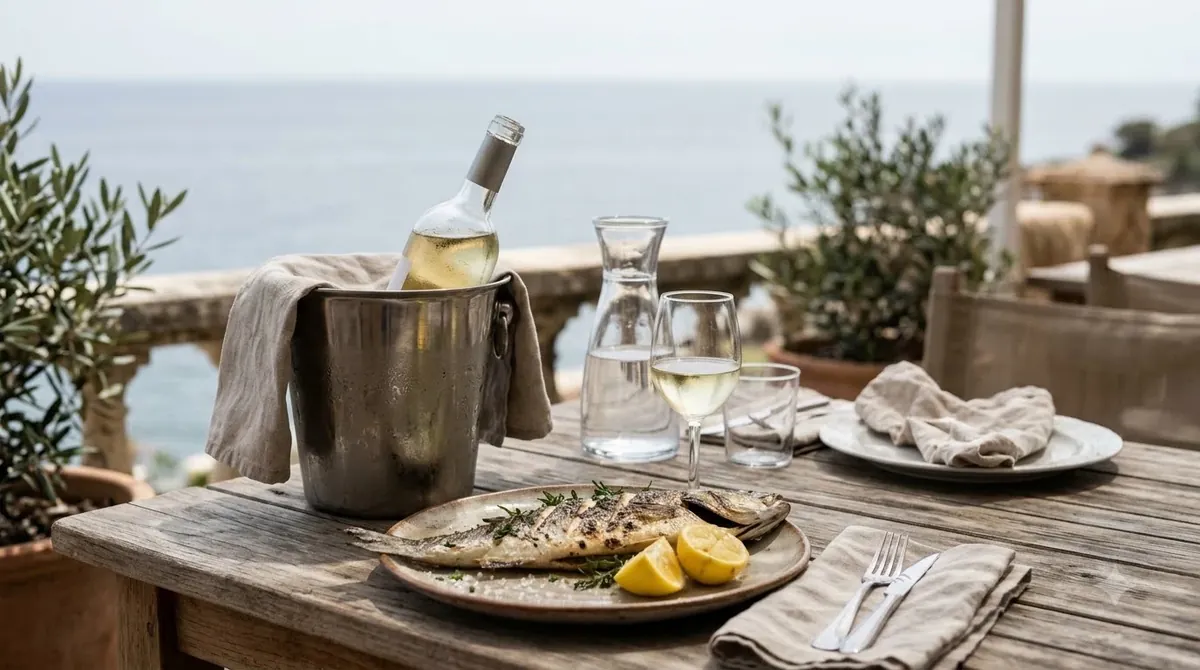
These boxes suit outdoor meals, barbecue, and spicy food. The fruit weight helps them stand up to grilled chicken and shrimp, and it balances the heat in dishes with chili and fresh herbs. If you plan to serve the wine with a lot of food, the riper style gives you more room to work with.
Lighter, Zesty Styles for Seafood and Salads
A lighter sauvignon blanc with lemon and lime character is the most versatile choice for seafood. The acidity cuts through oil and works with the delicate flavors of white fish, crab, and mussels. Herb-forward dishes are another strong match, including dill sauces, basil pasta, and salads with cucumber, green beans, and fresh mint.
Wine Folly’s food pairing notes list herb-driven dishes with chicken, tofu, or fish, along with feta, chèvre, and mozzarella di bufala. A zesty boxed sauvignon blanc fits this kind of meal well, especially when you want a glass that feels light and bright rather than heavy.
Value, Volume, and Convenience
The main reason to choose a box is practical. A bag-in-box holds more wine than a standard bottle, and the bag collapses as you pour, which limits the air that reaches the wine. That design makes boxes a common choice for households that want an open bottle of white on hand for several days, and for gatherings where a bottle would run out too fast.
Value should be judged by the wine inside, not by the size of the box alone. A bigger container is only a better buy if the wine tastes right for your meals. Read the descriptions, check the grape and region if they are listed, and try a small pour before committing to a large box for a party.
It also helps to think about how quickly the box will be finished. A household that pours a glass a few evenings a week will get more from a box than one that opens wine only on weekends. The bag keeps the wine protected while it is sealed, but the fresh character of sauvignon blanc is at its best early on, so a box is most rewarding when it is used steadily rather than left for weeks between pours.
How to Choose a Boxed Sauvignon Blanc
Choosing a box is easier when you start with the style you enjoy and then check the packaging details. Use these points to narrow the shelf quickly.
- Decide on style first. Pick herbal and crisp for seafood and salads, or riper and fruit-forward for grilled food and warm weather.
- Check the region. A label that names a specific growing area gives you more information about the taste than a generic blend.
- Look for the words dry and fresh. These usually signal the clean finish most people expect from sauvignon blanc.
- Keep it cold. Store the box in the refrigerator and serve it at the cool temperature the grape prefers.
- Plan the pour. Once the bag is opened, use the wine over the following days, and keep the tap sealed when you are not pouring.
If you are comparing boxed options with bottled sauvignon blanc, the same rules apply. Style matters more than the container, so read the description and match it to the meal you plan to serve.
Frequently Asked Questions
Is a boxed sauvignon blanc a good everyday wine?
Yes, for many people it is. A dry, herbal sauvignon blanc works with simple meals such as salads, fish, and chicken, and the box format makes it easy to pour one glass at a time without opening a full bottle.
How should I serve a boxed sauvignon blanc?
Chill it well before serving. Wine Folly suggests a serving range of 45 to 55 degrees Fahrenheit (7 to 12 degrees Celsius), which keeps the acidity lively and the aromas clean.
What food goes best with sauvignon blanc?
Goat cheese, feta, asparagus, green herbs, oysters, and light fish are classic matches. Riper, fruit-forward styles also pair well with grilled chicken and spicy Thai or Vietnamese dishes.
How do I know if a boxed sauvignon blanc will be too sweet?
Look for the words dry or crisp on the label, and check the style description. Sauvignon blanc is usually a dry wine, so a box that describes it as sweet or dessert-style is a different product and may not suit a crisp, herbal taste.
A good boxed sauvignon blanc is not hard to find once you know what you want from the glass. Start with a herbal style for food, choose a riper style for outdoor meals, and keep the wine cold. For more options within the same grape, compare the best sauvignon blanc brands and then see how the same grape behaves in other formats. If you also want a red for the same shelf, the best boxed red wine guide covers the red side of the box aisle.
More in Wine Buying Guides
 Riesling Gift: Choose a Bottle They’ll LoveUpdated Nov 21, 2026
 Sweet Red Wine Gift: Choose a Bottle They’ll LoveUpdated Nov 21, 2026
 Malbec Gift: How to Choose a Memorable Bottle for Any OccasionUpdated Nov 21, 2026
 Sherry Gift Ideas That Match Every Wine LoverUpdated Nov 21, 2026
 Moscato Gift: How to Choose a Sweet Wine They’ll LoveUpdated Nov 21, 2026
 Merlot Gift: How to Choose a Bottle They’ll AppreciateUpdated Nov 21, 2026