

We may earn a commission when you buy through links on this page, at no extra cost to you. Learn more.
The best sauvignon blanc brands are easier to choose when you start with the style rather than the name, because the grape tastes very different depending on where it is grown and how it is made. Cool-climate examples from France’s Loire Valley tend to be lean and herbal, New Zealand’s Marlborough wines lean toward louder aromatics and fruit, and some California bottlings are labeled Fumé Blanc. Decide which style you want, then look for that region on the label, and the brand choice becomes much simpler.
This guide is for shoppers who know they like sauvignon blanc but want a clearer way to pick a bottle. It explains the main styles, what each one tastes like, and how to read a label so you can compare brands on equal terms. Brand names change with vintages and distribution, so use the style notes here as a filter and check the current bottle in front of you.
Quick Comparison
The table below compares the main regional styles of sauvignon blanc. Use it to narrow your search before you look at any single producer.
| Style | Typical flavors | Good with |
|---|---|---|
| Loire Valley, France | Lean, green, herbal, with fresh acidity | Goat cheese, salads, and light seafood |
| Marlborough, New Zealand | Louder aromatics, tropical fruit, and bright citrus | Grilled fish, spicy dishes, and fresh herbs |
| Bordeaux, France | Dry whites with citrus and a more structured body | Shellfish and roasted white meats |
| California, labeled Fumé Blanc | Often riper fruit with a softer texture | Roast chicken and creamy pastas |
What Sauvignon Blanc Tastes Like
Sauvignon blanc is known for acidity, and that acidity is its defining trait. Its flavors range from tart green apple and freshly cut grass to riper notes of passion fruit and guava, according to the VinePair sauvignon blanc guide. Those two ends of the spectrum explain most of the differences you will notice between bottles on the shelf.
The herbal and green character comes from compounds called methoxypyrazines, which become more pronounced in cooler climates. The riper tropical notes are linked to thiols, which are more prominent in warmer growing conditions and in some winemaking styles. You do not need to know the chemistry to shop well, but it helps explain why two bottles of the same grape can taste so different.
Best for Crisp, Herbal Bottles From the Loire
If you want a dry, lean white with fresh acidity and green notes, look for wines from the Loire Valley in France. Loire examples are generally the most restrained of the major styles, which makes them a good match for lighter meals and for drinkers who find very fruity whites too sweet.
When you read a Loire label, look for the region or village name rather than a brand alone. Village names often tell you more about the style than a marketing line on the front of the bottle.
Best for Fruit-Forward Bottles From New Zealand
Marlborough in New Zealand is the best-known name for a fuller, more aromatic style of sauvignon blanc. The wines usually show louder aromatics and brighter fruit, and they are often the first bottle people reach for when they want a clear, expressive example of the grape.
If you prefer a fruit-forward style, Marlborough is a reliable place to start. Compare two or three bottles from the same vintage side by side, because the same producer can taste noticeably different from year to year.
Best for Structured Dry Whites From Bordeaux
Bordeaux shares a close connection with sauvignon blanc, and many dry whites from the region sit between the lean Loire style and the riper Marlborough style. Look for appellation names such as Entre-Deux-Mers, Graves, or Pessac-Léognan on the label when you want a more structured dry white with a steady, citrus-led finish.
Bordeaux whites are also a useful choice for food. Their body and acidity make them easy to pair with shellfish, roasted white meats, and dishes with butter or cream sauces.
Best for Smooth, Food-Friendly Bottles From California
Many California wines are sold as Fumé Blanc, a marketing term coined by Robert Mondavi in 1968 that refers to the smoky, flinty style of Pouilly-Fumé in the Loire. Fumé Blanc bottles often show riper fruit and a softer texture than the leanest Loire wines. That makes them a practical choice for dinner tables where the meal is rich, such as roast chicken or a creamy pasta.
The label term matters. A California bottle labeled Fumé Blanc tells you what style to expect more clearly than the words sauvignon blanc alone.
Best for Budget-Conscious Shoppers
You do not need to pay for a rare bottle to find a good sauvignon blanc. Start with bottles from the regions above and compare labels for region, vintage, and style rather than price alone. Buying a few different styles in small quantities tells you more about your own taste than a single expensive bottle.
Look for wines that name a region or appellation clearly. Vague labels often hide a blend or a style you may not enjoy, so clear regional information is a good sign that the bottle was made with a specific profile in mind.
How to Choose a Bottle
The checklist below helps you compare bottles quickly in a shop or restaurant. It works best when you apply it to two or three options at once, rather than judging each bottle alone.
| What to check | What it tells you |
|---|---|
| Region on the label | Points to the likely style, such as lean Loire or fruit-forward Marlborough |
| Fumé Blanc wording | Signals a riper, softer style, usually from California |
| Vintage year | Recent vintages tend to show fresher fruit and acidity for most dry styles |
| Dry or off-dry | Confirms whether the wine is intended to be dry or carries some residual sweetness |
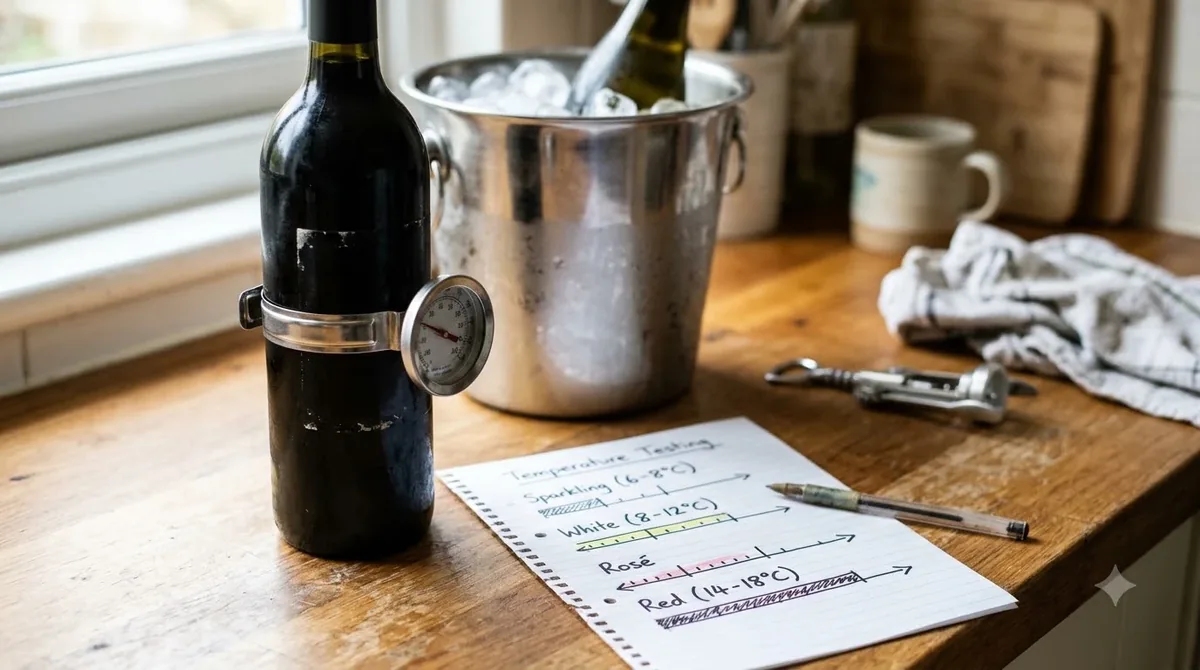
Tip: Serve sauvignon blanc well chilled, but not ice cold, so the aromatics can show. A bottle that tastes flat when very cold often opens up a few minutes after you pour it.
Frequently Asked Questions
What is the best sauvignon blanc style for beginners?
A good starting point is a Marlborough bottle, because its fruit and aromatics are easy to notice. Once you know that style, a Loire bottle makes a useful comparison for the leaner, herbal side of the grape.
What does Fumé Blanc mean on a label?
Fumé Blanc is a term used mainly in California for sauvignon blanc, and it was coined by Robert Mondavi in 1968. It refers to the smoky, flinty style associated with Pouilly-Fumé in the Loire Valley. The style is often riper and softer than the leanest Loire wines.
Which sauvignon blanc goes best with fish?
Lean Loire wines and dry Bordeaux whites both suit lighter fish and shellfish because of their acidity and freshness. Marlborough wines can work with grilled fish and spicy dishes, especially when the sauce has herbs or citrus.
Is sauvignon blanc a good wine to cook with?
It can be, because its acidity brightens sauces and seafood dishes. Use a dry bottle you would also be happy to drink with the meal, since the flavor concentrates as the sauce reduces.
Pick the region or style that fits your meal, compare two or three labels from the same category, and use the table above to decide. For a wider look at how different white grapes compare, the best prosecco brands guide covers a sparkling alternative, and the best cabernet sauvignon brands guide shows how a red grape is shopped on the same principles. The wine buying guide explains how to read labels more broadly.
More in Wine Buying Guides
 Riesling Gift: Choose a Bottle They’ll LoveUpdated Nov 21, 2026
 Sweet Red Wine Gift: Choose a Bottle They’ll LoveUpdated Nov 21, 2026
 Malbec Gift: How to Choose a Memorable Bottle for Any OccasionUpdated Nov 21, 2026
 Sherry Gift Ideas That Match Every Wine LoverUpdated Nov 21, 2026
 Moscato Gift: How to Choose a Sweet Wine They’ll LoveUpdated Nov 21, 2026
 Merlot Gift: How to Choose a Bottle They’ll AppreciateUpdated Nov 21, 2026