

We may earn a commission when you buy through links on this page, at no extra cost to you. Learn more.
Entre Deux Mers wine is a dry white from the largest sub-region of Bordeaux, a blend built mainly on Sauvignon Blanc with Sémillon and Muscadelle, and it is known for fresh, herbal, citrus-driven flavors. The area sits between the Garonne and Dordogne rivers, and its dry whites must meet a residual sugar limit under the AOC rules. Red wine is also made here, and since 2023 it can be sold under the AOP Entre-Deux-Mers name.
Entre-Deux-Mers is a name that many wine drinkers see on bottles from Bordeaux without knowing much about it. The name means “between two seas,” a reference to the two rivers that frame the area. The region is large, partly forested, and quieter than the famous estates on the Left Bank, but it produces a lot of fresh, good-value white. This guide explains where it sits, what goes into the blend, how the appellation rules work, and how to serve and pair the wine.
Where Entre-Deux-Mers Sits
Entre-Deux-Mers lies between the Garonne and Dordogne rivers, in the part of the Bordeaux region that runs toward the point where the two rivers meet. The Entre-Deux-Mers article on Wikipedia describes the boundaries as the Gironde department border to the east and the Bec d’Ambès, the spot where the two rivers join, to the west. It is a sub-region of Bordeaux, and it is the largest of them by area.
The total area is about 3,000 hectares, or 7,400 acres. A large share of that land is forest, so only about half grows grapes. The article gives roughly 1,500 hectares, or 3,700 acres, under vine, with around 250 growers. Among the roughly 250 growers, the wines are generally made to be ready to drink soon after release, which is one reason the appellation is popular for everyday bottles. For a wider view of how Bordeaux fits among other French regions, see the Wine Regions section of this site.
Grape Varieties and the Blend
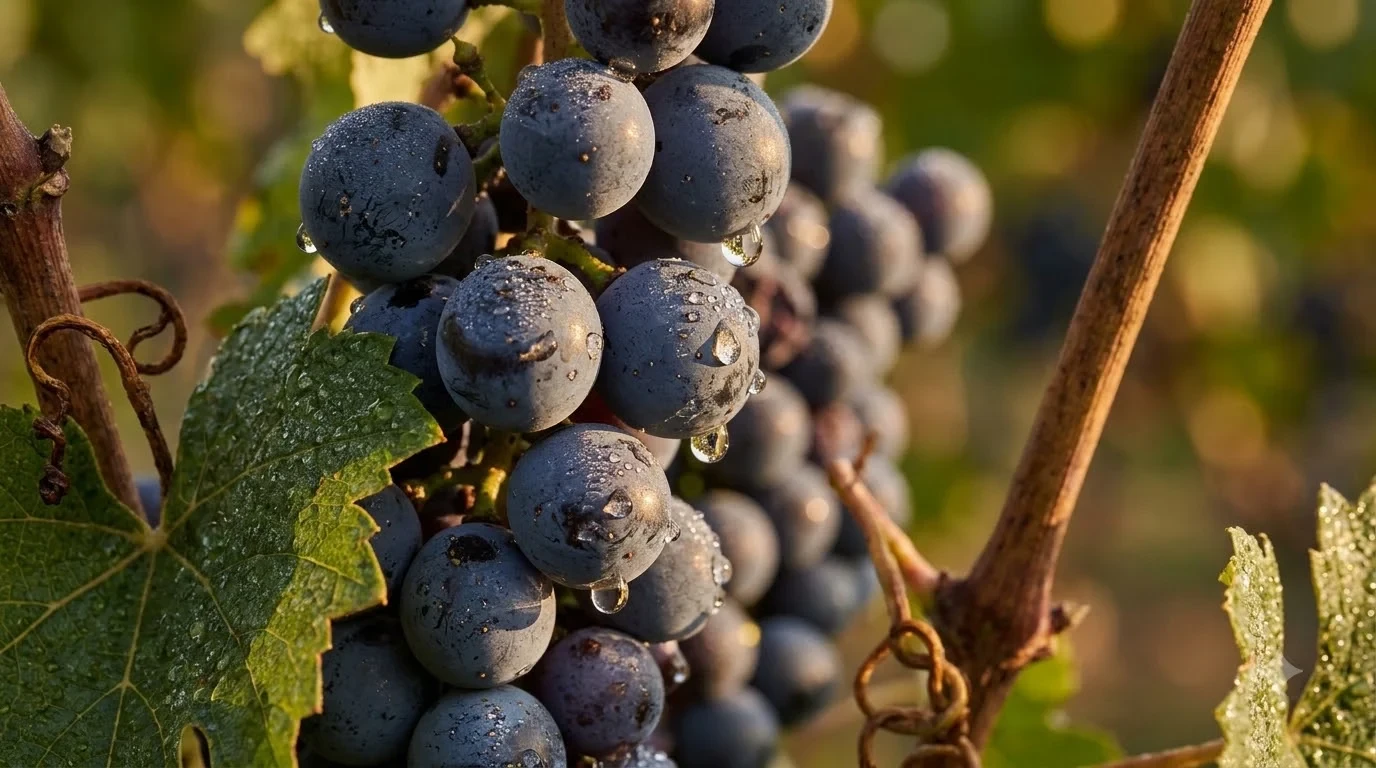
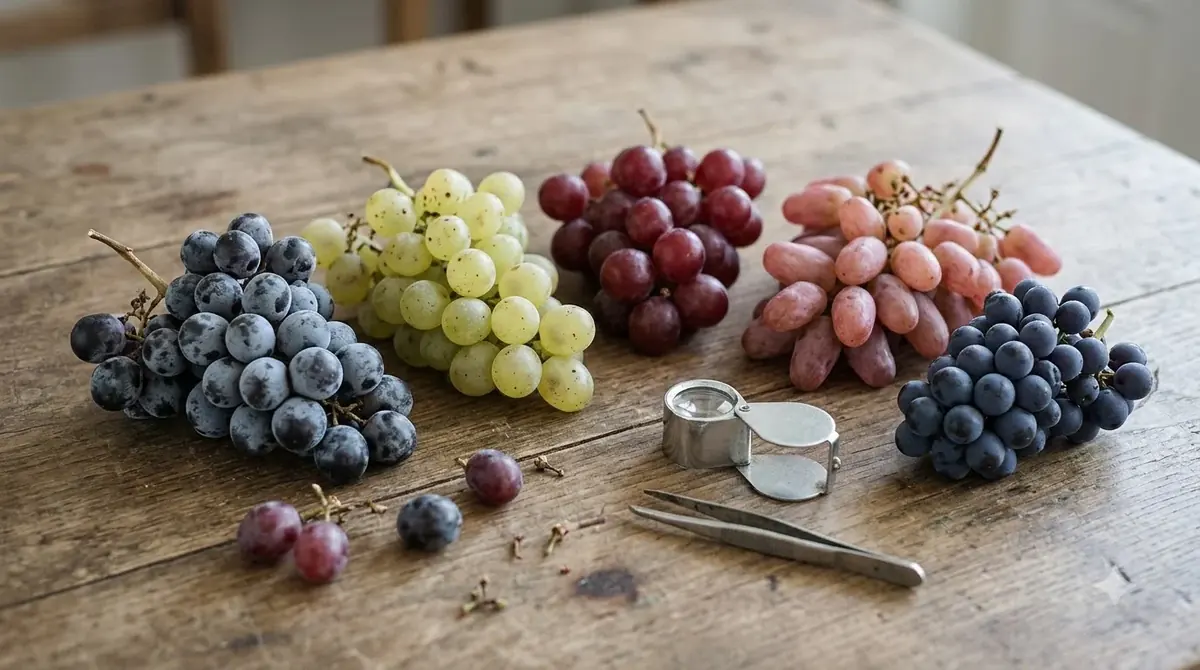
The dry white wine is a blend, and Sauvignon Blanc is the main component. Sémillon and Muscadelle usually fill out the blend, with Sémillon adding body and Muscadelle adding a floral, aromatic note. The Sauvignon Blanc sets the tone, bringing bright acidity and the green, herbal character that many people look for in a white from this part of France.
Red wine is also produced in the region. For most of its history, red from Entre-Deux-Mers was sold as basic Bordeaux or Bordeaux Supérieur. Since 2023, however, the red can be sold under the AOP Entre-Deux-Mers name, with rules that are slightly stricter than those for the broader Bordeaux labels. Reds with this name are a newer category, so they are still less common on shelves than the dry whites.
| Style | Main grapes | Appellation | Key rule or note |
|---|---|---|---|
| Dry white | Sauvignon Blanc, Sémillon, Muscadelle | AOC Entre-Deux-Mers | Less than 4 g/L residual sugar, minimum 11.5% alcohol |
| Red | Red Bordeaux varieties | AOP Entre-Deux-Mers (since 2023) | Slightly stricter rules than Bordeaux or Bordeaux Supérieur |
| Sweet white | Sémillon-led blends from the south | Cadillac, Loupiac, Sainte-Croix-du-Mont | Syrupy styles from the southern edge of the region |
How the Appellation Rules Work
The dry white carries the AOC Entre-Deux-Mers name, and the rules set a limit of less than 4 grams per liter of residual sugar. That keeps the wine dry in the sense most readers expect. The same white must reach at least 11.5% alcohol, which is a modest minimum that still allows for lighter, fresher styles.
The sweet wines are a separate category. Syrupy whites from the south of the region are sold under the Cadillac, Loupiac, and Sainte-Croix-du-Mont appellations rather than under Entre-Deux-Mers. If you see those names on a label, expect a sweet wine with a richer texture, not a dry white of the kind this guide covers.
What the Wine Tastes Like
A typical dry Entre-Deux-Mers white is light to medium in body, with high acidity and no tannin. Wine Folly’s profile for Sauvignon Blanc describes flavors of gooseberry, honeydew, grapefruit, white peach, and passion fruit, and it notes that aromas can run from grassy, pea-like notes to tropical fruit such as mango. Entre-Deux-Mers can show some of that range, with the grapefruit and herb character usually most prominent in the younger bottles.
Oak changes the picture. Some producers age part of the wine in barrel, which adds a richer and creamier texture and a rounder finish. Those oak-aged bottles can be a good choice for a heavier dinner, while the unoaked, bright styles suit a warm afternoon or a simple lunch. Reading the back label or the producer’s description helps you find the style you want.
How to Buy a Bottle of Entre-Deux-Mers
Shopping for Entre-Deux-Mers is simpler once you know what to look for. Start with the appellation: a bottle that says AOC Entre-Deux-Mers is a dry white, while a label naming Cadillac or Loupiac points to a sweet wine. If you want red, look for the AOP Entre-Deux-Mers name on bottles from 2023 onward, since older reds may carry only the broader Bordeaux name. Vintage matters less for these young whites than for aged reds, because most bottles are meant to be drunk within a year or two of release.
Price is a practical guide, not a promise of quality. Many dry Entre-Deux-Mers whites sit in the everyday range, so tasting a few different producers is the surest way to find a house style you like. Note the producer’s description on the back label, and check whether the bottle mentions oak aging, since that single detail changes the texture more than almost anything else on the label.
How to Serve Entre-Deux-Mers
Wine Folly’s Sauvignon Blanc profile recommends serving the wine at 45 to 55°F, or 7 to 12°C, in a white wine glass, without decanting. That is cooler than room temperature but warmer than straight from a deep freeze, and it lets the aromas show without making the wine taste sharp. Keep the bottle in the refrigerator for a few hours before opening, and pour it again once the glass warms slightly if the first sip feels too cold.
Because the wine is young and fresh, it does not need decanting. Opened bottles keep their character for a short time, so finish the bottle within a few days, re-cork it, and keep it chilled. A bright, dry white like this one suits everyday meals better than a long-term cellaring plan.
Food Pairings for Entre-Deux-Mers
The acidity and herbal notes make Entre-Deux-Mers a natural partner for light dishes. Wine Folly suggests keeping the pairing light for proteins such as salmon, crab, oysters, or cod, and it recommends soft, flavorful cheeses such as feta, chèvre, burrata, or mozzarella di bufala. Green vegetables such as asparagus, green peas, and zucchini suit the wine, and so do herbs such as dill, mint, basil, and chive.
The same profile notes that herb-forward Thai and Vietnamese dishes work well with this style of white. A bowl of fresh noodles with lime and herbs, or a salad with citrus dressing, can bring out the wine’s green and citrus character. Avoid heavy cream sauces unless the wine is oak-aged, since a crisp, unoaked white can taste thin next to rich dishes. Readers who like comparing crisp dry whites from different countries can also look at the gavi wine tasting guide, which covers another light, high-acid white.
Tip: If a bottle labeled Entre-Deux-Mers tastes richer than expected, check whether it was aged in oak. Oak-aged styles pair better with roast chicken or creamy pasta than the bright, unoaked bottles do.
Frequently Asked Questions
Is Entre-Deux-Mers wine sweet or dry?
The AOC Entre-Deux-Mers white is dry, with less than 4 grams per liter of residual sugar. Sweet wines from the south of the region carry separate appellations such as Cadillac, Loupiac, and Sainte-Croix-du-Mont.
What grapes are in Entre-Deux-Mers white?
Sauvignon Blanc is the main grape, usually blended with Sémillon and Muscadelle. The blend gives the wine bright acidity, herbal notes, and a light floral lift.
Can Entre-Deux-Mers be red?
Yes. Red wine is made in the region, and since 2023 it can be sold under the AOP Entre-Deux-Mers name, with rules slightly stricter than those for basic Bordeaux labels.
How should I serve Entre-Deux-Mers?
Serve it chilled at about 45 to 55°F, or 7 to 12°C, in a white wine glass. It does not need decanting, and it is best enjoyed within a few days once opened.
Entre-Deux-Mers is one of Bordeaux’s most practical white wines: fresh, dry, and easy to pair with everyday food. Check the appellation on the label, decide whether you want the bright unoaked style or a richer oak-aged bottle, and serve it cool with herbs, seafood, or soft cheese.
More in Wine Regions
 Willcox Wine Trail: Discover Arizona’s High-Elevation Wine CountryUpdated Nov 20, 2026
 Yakima Valley Wine Region: Find the Best Styles to TryUpdated Nov 20, 2026
 Vosne Romanee Wine Tasting: Identify Aromas and Choose Better PairingsUpdated Nov 20, 2026
 Yakima Valley Wine Festival: Find the Best Seasonal Wine EventsUpdated Nov 20, 2026
 Wales Vineyards: Discover Cool-Climate Wines and Where to VisitUpdated Nov 20, 2026
 Yountville Wine Festival: Discover Napa Wines and Local FoodUpdated Nov 20, 2026