

We may earn a commission when you buy through links on this page, at no extra cost to you. Learn more.
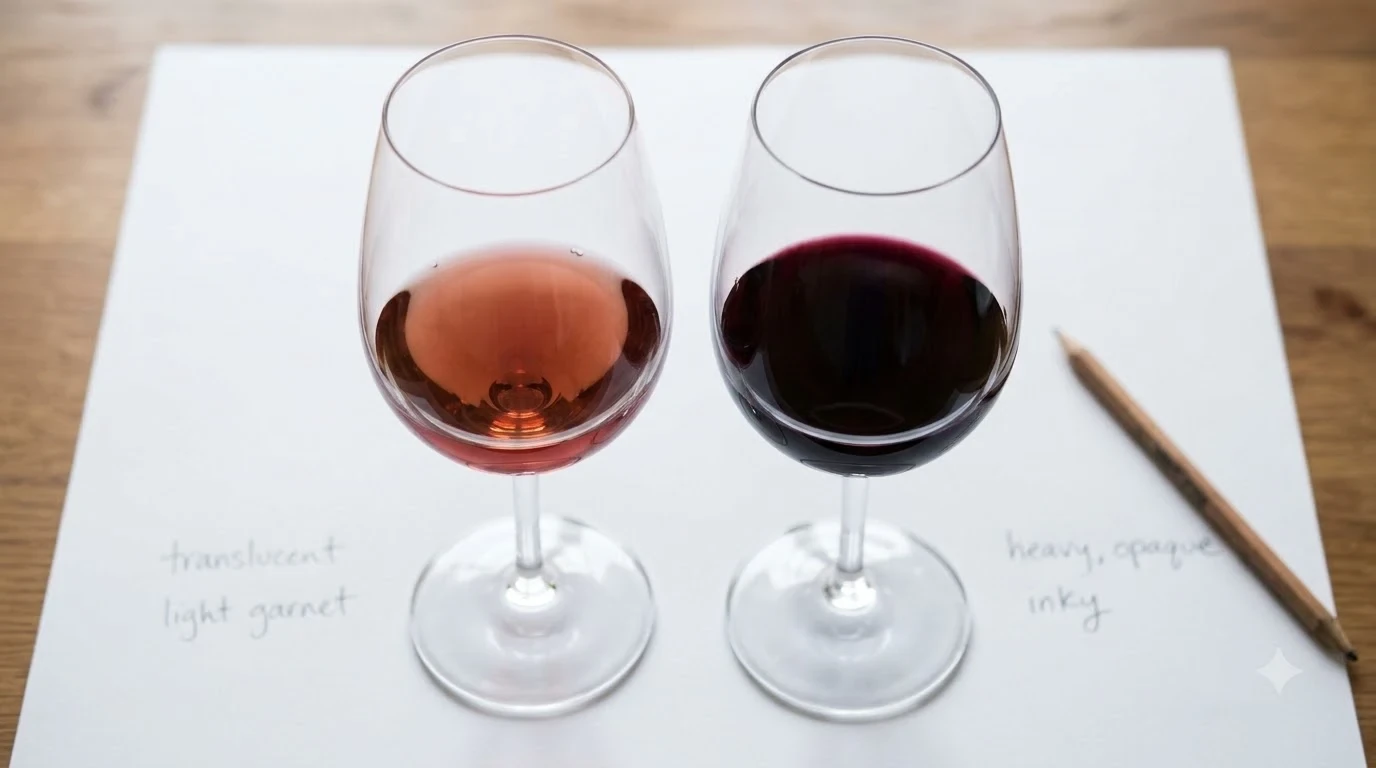
The best cabernet sauvignon brands are the producers that show a consistent regional style, clear vintage information, and a wine that matches the way you plan to drink it. A brand name is a starting point, but region, alcohol level, and winemaking choices tell you more about what is in the glass than the logo on the bottle.
This guide is for buyers who want to compare cabernet sauvignon labels without relying on marketing alone. Wine Folly’s cabernet sauvignon grape guide calls the grape the world’s most popular red wine variety, and that reach is exactly why brands can look so similar on a shelf.
Why a Brand Alone Does Not Tell the Whole Story
Many cabernet brands are large houses that source fruit from several vineyards, so the same name can produce wines with different character from year to year. The house style is real, but it is shaped by the vintage, the growing region, and the winemaker’s decisions about oak and blending.
Cabernet sauvignon began as a cross of cabernet franc and sauvignon blanc in Bordeaux, and it spread widely after that. Wikipedia’s cabernet article notes that it is now grown in Napa Valley, Sonoma, Paso Robles, Coonawarra, Margaret River, Barossa Valley, Washington State, Chile, Argentina, South Africa, and New Zealand. A brand that works well in one of those places may taste quite different in another.
Compare Brands by Region First
Region is the most practical way to sort brands into families. Bordeaux bottles tend toward blackcurrant, cedar, and graphite, while California bottles often show riper black fruit. Australian examples can carry mint or eucalyptus in some areas, and Chilean bottles often sit in a fuller, fruit-led style.
| Style family | Typical profile | Good for |
|---|---|---|
| Bordeaux-influenced (France) | Blackcurrant, cedar, graphite, firm tannins | Roast meats and aged cheese |
| Napa and Sonoma (California) | Ripe black fruit, often above 14 percent alcohol | Grilled steak and rich sauces |
| Coonawarra and Barossa (Australia) | Blackcurrant, with mint or eucalyptus in some bottles | Barbecue and hearty stews |
| Chile and Argentina | Black cherry and fuller fruit | Weeknight dinners and casual meals |
These families are general patterns, not rules. A producer in a cool site may make a lean bottle, while a warm-site producer may make a restrained one, so the table is a starting point for comparison rather than a verdict.
Bordeaux-style blends are a special case. The grape is usually blended with merlot and cabernet franc, and in the United States a Bordeaux-style blend may be labeled Meritage. When you see that word on a label, the wine is built from several varieties, and the cabernet sauvignon share tells you how much weight the blend gives to the grape.
Outside France and California, some brands blend cabernet with local grapes, such as sangiovese in Tuscany or shiraz in Australia. Those blends can taste quite different from a varietal bottle, even when the label names the same grape first.
Read the Label Like a Buyer
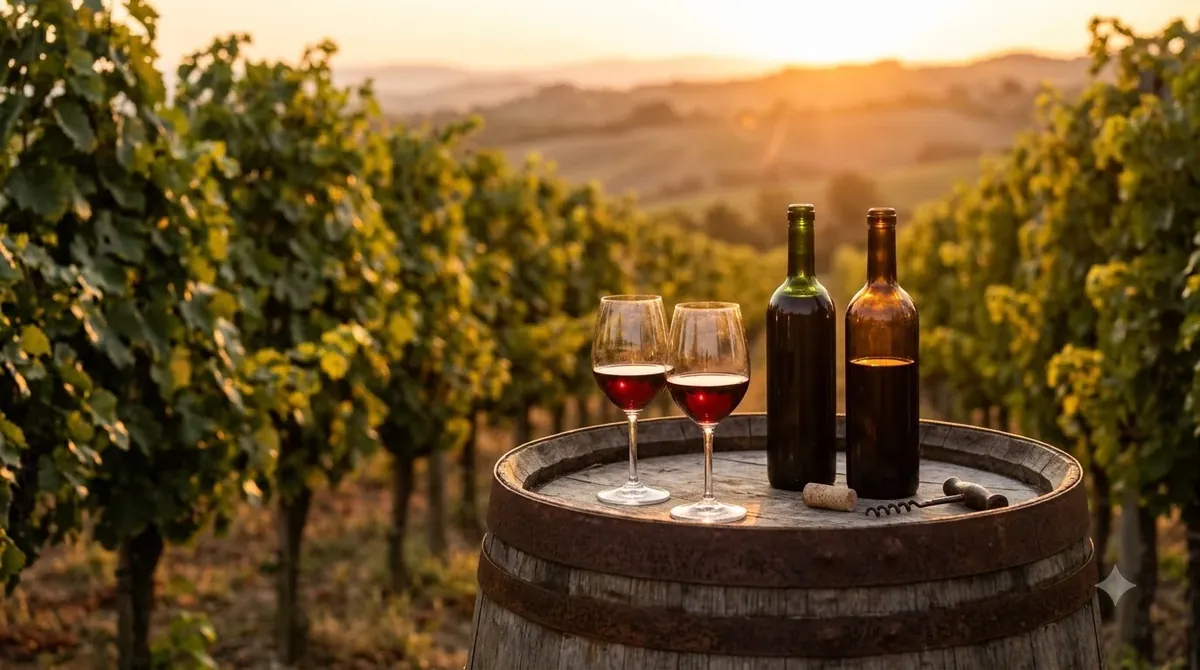
A good back label gives you clues that the front design hides. Look for the vintage, the region or appellation, the alcohol percentage, and any statement about grape blend. Those four details let you compare two bottles from different brands on equal terms.
- Confirm the vintage, and avoid the very youngest bottles if you want a structured wine that has settled.
- Check the region, since the origin usually predicts the style better than the brand name does.
- Read the alcohol percentage. Higher numbers usually mean riper fruit and more body.
- Note the blend. Some cabernet sauvignon is blended with merlot, cabernet franc, or petit verdot, which softens or sharpens the finish.
Some labels also name a sub-region, a single vineyard, or a reserve bottling. Those words usually signal a narrower source and often a more focused style, though they do not guarantee a better wine. Read them as clues about where the grapes came from, then decide whether that kind of bottle fits the meal you are planning.
How Brand Size Affects What You Taste
Large brands often aim for consistency, which means they blend wine from many barrels and lots to reach the same profile each year. That approach tends to produce predictable bottles, although the wine may feel less distinctive than a smaller producer’s single-vineyard release.
When you compare two brands side by side, pour both at the same temperature, wait a few minutes, and taste them with the same food. That keeps the comparison fair and shows which style you prefer rather than which bottle was easier to open.
Smaller producers can offer more local character, but their output changes more from one year to the next. Neither approach is better in every case. A consistent everyday bottle suits a weeknight dinner, while a more individual bottle suits a planned meal where the wine is the centerpiece.
Serving and Matching Cabernet Brands
Serving temperature matters as much as the brand. Wine Folly suggests serving red wine between 60 and 68 degrees Fahrenheit (15 to 20 Celsius), and a warm bottle can taste hot and heavy regardless of who made it.
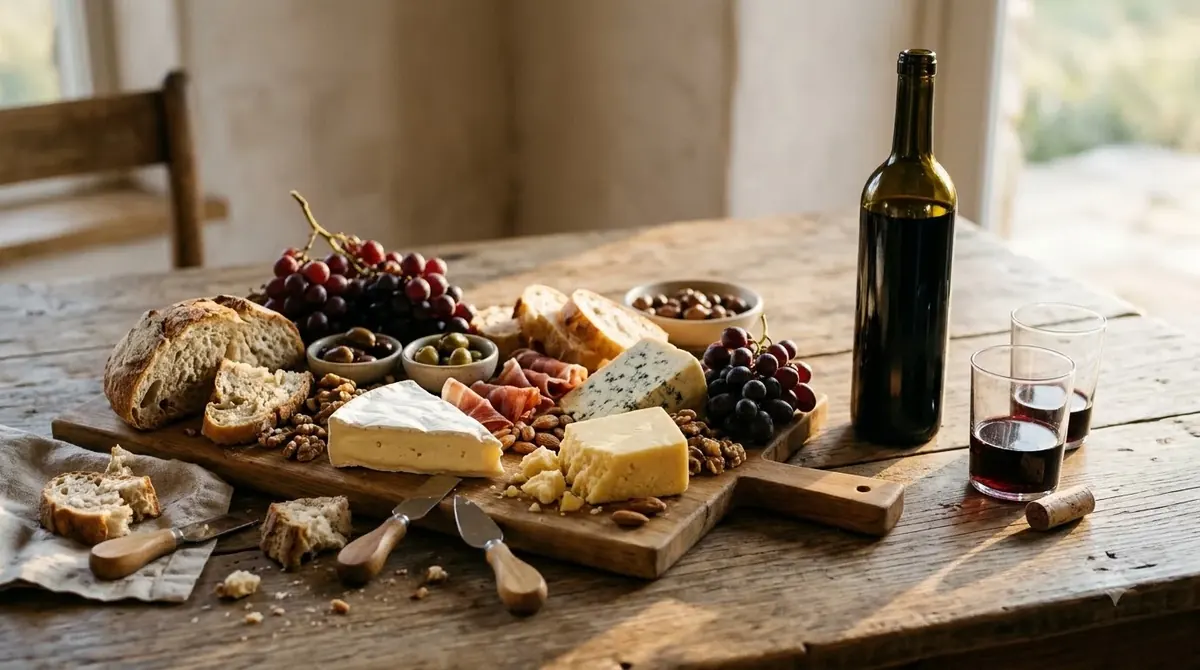
Full-bodied cabernets pair well with grilled red meat, roasted lamb, and aged hard cheeses, because the fat in those foods softens firm tannins. Lighter, cooler-site bottles suit roast chicken or tomato-based pasta better. Matching the wine’s weight to the dish is more useful than matching a brand to a menu.
Common Mistakes When Comparing Brands
Most comparison errors come from treating a famous name as a guarantee, and from forgetting that a brand’s entry-level bottle and its premium bottle can share a name while differing in region and style. Buyers also tend to judge a bottle after one sip at the store, when the wine is cold and closed, instead of after it has been poured at a proper temperature.
- Choosing by label design or a famous name without checking the region and vintage.
- Serving a bold bottle warm, which exaggerates alcohol and drying tannins.
- Judging a young, tannic wine before it has had time to open up.
- Comparing brands from different vintages as if they were the same year.
Frequently Asked Questions
Which cabernet sauvignon brand is the best?
No single brand suits every palate. The best choice depends on region, vintage, and the foods you plan to serve. Comparing two or three bottles from different regions at the same price level is the most reliable way to find a favorite.
Does a higher alcohol level mean a better cabernet?
Not necessarily. Higher alcohol usually signals riper fruit and more body, which many people enjoy with rich food. Balance and acidity matter just as much, so a bottle at a moderate level can still be excellent.
Should I buy a cabernet sauvignon brand I already know?
A known brand is a safe starting point, especially for everyday dinners. Trying a bottle from a different region of the same grape is a good way to learn how much style changes with place.
How long should I keep a cabernet before drinking it?
Many everyday cabernets are ready soon after release, while structured bottles from good vintages can improve for years, as tannins soften and the fruit becomes more layered. The back label and the producer’s own tasting notes give the most reliable guidance for a specific bottle.
Once you know which region and style you like, comparing brands becomes straightforward, and each new bottle becomes a test of what you already know about the grape. For more on cabernet at the warehouse, see the guide to cabernet sauvignon at Costco, or explore the sauvignon blanc brands guide to see how another grape compares. Enjoy responsibly.
More in Wine Buying Guides
 Riesling Gift: Choose a Bottle They’ll LoveUpdated Nov 21, 2026
 Sweet Red Wine Gift: Choose a Bottle They’ll LoveUpdated Nov 21, 2026
 Malbec Gift: How to Choose a Memorable Bottle for Any OccasionUpdated Nov 21, 2026
 Sherry Gift Ideas That Match Every Wine LoverUpdated Nov 21, 2026
 Moscato Gift: How to Choose a Sweet Wine They’ll LoveUpdated Nov 21, 2026
 Merlot Gift: How to Choose a Bottle They’ll AppreciateUpdated Nov 21, 2026