

We may earn a commission when you buy through links on this page, at no extra cost to you. Learn more.
The best port brands depend on the style you want, because a ruby, a tawny, and a vintage port taste very different. Port is a fortified wine from Portugal’s Douro Valley, and houses such as Taylor, Graham, Dow, and Croft make several of the styles covered here. Start with the style that fits your plans, then look for a house that makes it well.
Port is one of the most recognizable wines of Portugal, but its style names can be confusing at first. The Douro region is one of the oldest demarcated and regulated wine regions in the world, and the Port Wine Institute (IVDP) describes the category’s rules and styles. This guide groups port by what you want from the bottle, with a comparison table, a short checklist for reading labels, and answers to common questions. Use it to build a shortlist of houses and styles before you shop.
Quick Comparison
Each port style follows a different ageing path, and that path shapes the color, sweetness, and body you will find in the glass. The table summarizes the main styles so you can decide which group of houses to explore first.
| Style | Typical Character | Ageing Path | Good For |
|---|---|---|---|
| Ruby | Bright red color, fresh red fruit | Tanks or concrete to limit oxidation | Everyday sipping |
| Tawny | Golden-brown, nutty, concentrated | Wooden barrels for years | Dessert pairing and cheese |
| Vintage | Deep, structured, long-lived | Short time in cask, then decades in bottle | Special occasions and cellaring |
| Late Bottled Vintage (LBV) | Richer than ruby, approachable | About four to six years in wood | A middle choice between ruby and vintage |
| White | Dry to sweet, nutty or floral | Varies by producer | Aperitif or a lighter choice |
Best for Everyday Ruby: Young, Fruity Port
Ruby port is the youngest red style. It is kept in large tanks or concrete rather than wood, which limits oxidation and keeps the wine bright red. Ruby is fined and cold filtered before bottling and generally does not improve with age, so it is meant to be opened fairly soon after purchase.
Reserve Ruby is a step up within the style. It is a premium ruby approved by the tasting panel of the Port Wine Institute. To compare ruby styles, start with houses such as Cockburn, Croft, Graham, and Sandeman, and buy two or three to see how each one handles fruit and sweetness.
Ruby works well as an easy after-dinner glass and in simple mixed drinks. Because it is young and fruity, it is less complex than tawny or vintage, which is part of its appeal for a first bottle.
Best for Nutty, Golden Flavors: Tawny Port
Tawny port is aged in wooden barrels, which lets the wine oxidize slowly and lose some volume through evaporation. The result is a golden-brown color, nutty flavors, and a more concentrated, syrupy body. Basic tawnies are typically aged three to seven years in wood, and reserve tawnies are about seven years old.
Age-indicated tawnies are blends labeled 10, 20, 30, 40, or 50 years. Read the age statement together with the producer’s description, because the label describes the style of the blend rather than a single barrel history. The age is a guide to character, not a promise about each bottle.
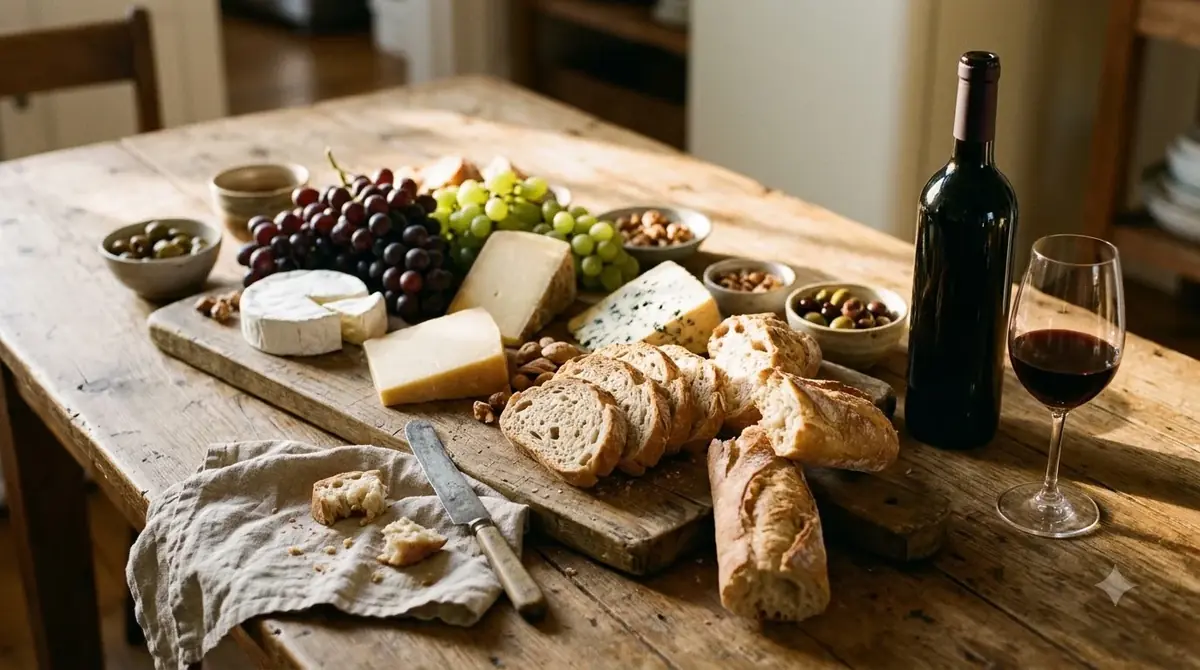
Colheita is a single-vintage tawny aged at least seven years in wood, with the harvest year on the label. It is a good choice if you want a tawny that comes from one year and shows how that year developed. Tawny pairs well with nut desserts, dark chocolate, and aged cheeses.
Best for Cellaring and Special Occasions: Vintage and Single Quinta Port
Vintage port is made only from a single declared year, and only in the best years. It accounts for roughly 2 percent of production, which makes it rarer than the other styles. It spends at most about two and a half years in cask and then matures in the bottle for decades.
A single quinta vintage comes from one estate rather than a house blend. It is usually made in years when the house does not declare a full vintage, so it offers a way to taste a vintage-style wine in a lighter year. Ask the shop whether the bottle is a house vintage or a single quinta bottling before you buy.
Young vintage port can be tannic and closed, so many buyers choose it as a planned bottle for a special evening. Houses such as Taylor, Graham, Dow, and Warre appear among the named port shippers and are a reasonable place to begin a search for vintage-style bottles.
Best for Middle-Ground Value: Late Bottled Vintage
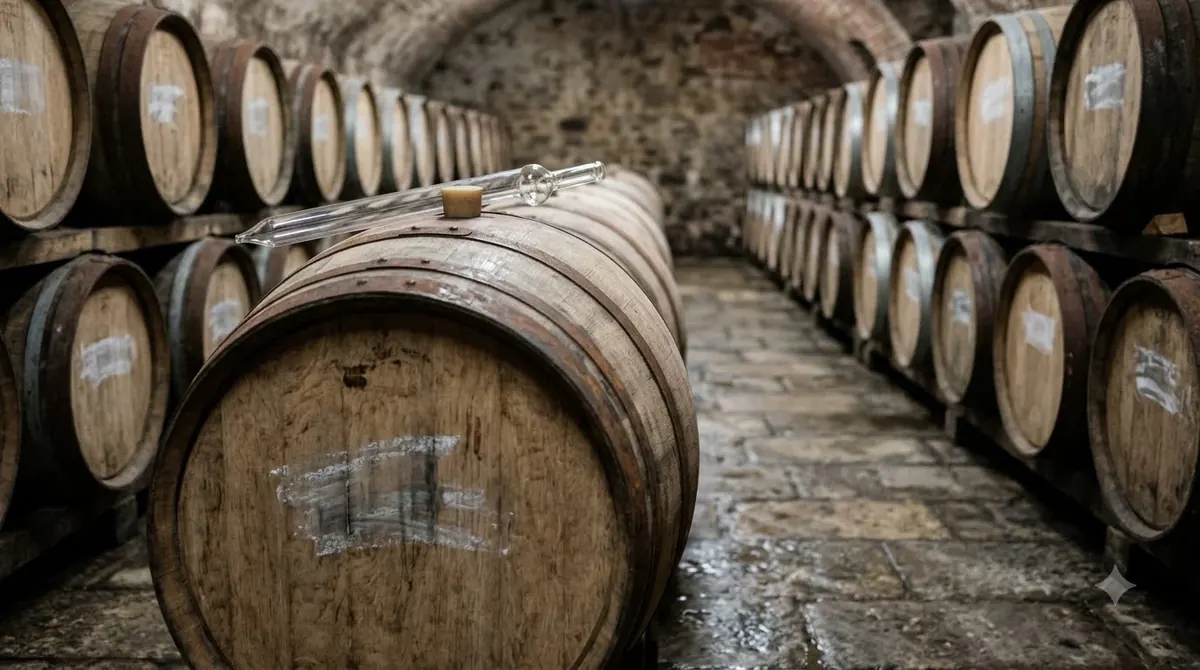
Late Bottled Vintage, or LBV, started as wine meant for vintage port that was held back in barrel. It spends about four to six years in wood before bottling. This gives it more depth than a ruby without the long bottle ageing that a vintage needs.
The label tells you whether the LBV is filtered. A filtered LBV is ready to drink. An unfiltered LBV needs decanting and may improve further in the bottle, and it can throw a sediment, so a careful pour helps. If you are new to port, an LBV is a sensible middle choice between a simple ruby and a costly vintage.
Crusted port follows a similar logic. It is a blend of several vintages, bottled unfiltered with a driven cork, and decanted before drinking. It suits buyers who want more body without a single-vintage declaration.
Best for Something Different: White and Rosé Port
White port is made from white grape varieties and ranges from dry to sweet. Lagrima is the sweetest of the white styles. The category is less familiar to many buyers, but it can be a good introduction to port for people who prefer lighter wines. Taylor’s “Chip Dry” was introduced in 1934 and is one of the early dry white styles in the category.
Rosé port is a ruby fermented with limited skin contact, similar to how rosé wine is made. The first rosé port releases were made in 2008 by Poças and Croft. Rosé is usually served chilled and used as a lighter aperitif or in a spritz-style drink.
These styles are useful when a guest wants something different from the red port they already know. Read the sweetness level on the label and choose dry or sweet to match the food or the occasion.
How to Choose a Port Brand
A simple checklist makes the choice easier. Start with the style, then the age statement, then the house. Each step narrows the list without requiring deep knowledge of the category.
- Choose the style. Pick ruby for bright fruit, tawny for nuts and caramel, vintage for cellaring, or LBV for a balance of the two.
- Read the age statement. A tawny labeled 20 years is a blended style, while a colheita shows a single harvest year.
- Check filtration on an LBV. Filtered means ready to drink, while unfiltered means decant.
- Compare two or three houses. Buy the same style from two houses to see how each one handles the wine.
For background on how wines are grouped, see the wine buying guide. If you want to compare house names in other categories, the champagne brands and red wine brands pages cover those styles.
Frequently Asked Questions
What is port wine?
Port is a fortified red wine from Portugal’s Douro Valley. Producers add a neutral grape spirit to halt fermentation early, which leaves residual sugar and raises the alcohol to about 19 to 22 percent by volume. Most port is sweet, though dry and white versions also exist.
Which port style is best for a beginner?
Ruby is the most straightforward style because it is fruity and young. An LBV is a good next step, and a filtered LBV is ready to drink without decanting. Check the label for filtration before you buy.
Does ruby port improve with age?
Generally no. Ruby is fined, cold filtered, and kept in tanks or concrete to preserve its bright color, so it is designed to be enjoyed relatively young. Vintage port is the style that rewards long cellaring.
What does the age on a tawny port mean?
Age-indicated tawnies labeled 10, 20, 30, 40, or 50 years are blends meant to show a character associated with that age. Read the producer’s description to understand how the blend is built, and compare it with a colheita if you want a single harvest year.
Choosing a port brand is mostly a question of style. Decide between fruit, nuts, depth, and cellaring, then compare a few houses within that group. For more wine-buying basics, return to the wine buying guide and build your list from there.
More in Wine Buying Guides
 Riesling Gift: Choose a Bottle They’ll LoveUpdated Nov 21, 2026
 Sweet Red Wine Gift: Choose a Bottle They’ll LoveUpdated Nov 21, 2026
 Malbec Gift: How to Choose a Memorable Bottle for Any OccasionUpdated Nov 21, 2026
 Sherry Gift Ideas That Match Every Wine LoverUpdated Nov 21, 2026
 Moscato Gift: How to Choose a Sweet Wine They’ll LoveUpdated Nov 21, 2026
 Merlot Gift: How to Choose a Bottle They’ll AppreciateUpdated Nov 21, 2026