

We may earn a commission when you buy through links on this page, at no extra cost to you. Learn more.
The best Georgia wineries are the ones that feature the state’s native Muscadine grape alongside European and hybrid varieties, and the two federally recognized growing areas, the Upper Hiwassee Highlands and Dahlonega Plateau, are the places to start. Georgia leads the nation in wine made from Muscadine, a grape native to the Southeast, and its wineries also produce wines from vinifera, French-hybrid and American grapes. Picking the right stop depends on the style you want and how you plan to visit.
Georgia is not the first state most wine drinkers think of, which makes its wineries a fresh option for a tasting trip or for learning about a different side of American wine. The state has a long winemaking history, a warm climate that suits native grapes, and a newer wave of vineyards planted from the 1980s onward. This guide explains how the wine region is organized, which grapes to try, and how to choose a winery that fits your taste.
Quick Comparison of Georgia Wine Styles
Georgia wineries work with a wide mix of grapes, so the first step is to know which style you are drinking. The table below compares the main groups the state’s producers use. Use it to match a winery’s tasting list with the flavors you enjoy.
| Grape group | Examples named in sources | Typical character | Best for |
|---|---|---|---|
| Native Muscadine | Muscadine (Vitis rotundifolia) | Off-dry, medium body, ripe fruit notes | Visitors who want something distinctly Southern |
| European vinifera | Chardonnay, Merlot, Cabernet Sauvignon | Familiar styles with varietal character | Guests who know the classic grapes |
| French hybrids | Varieties grouped under French-hybrid cultivars | Adapted to humid growing conditions | Tasters curious about hybrid wines |
| American varieties | Concord, Scuppernong | Bold, fruit-forward styles | People who like the flavors of native grapes |
Best for Muscadine Wine Lovers
Muscadine is the grape most associated with Georgia, and the state leads the nation in wine made from it. Wine Folly describes the grape as native to the Southeastern United States and notes that few producers make it well, which makes a good Muscadine bottle worth seeking out. The same page lists flavors such as ripe banana, yellow apple, lime peel and cranberry, and classes the wine as off-dry with medium body and medium acidity, at about 10 to 11.5% ABV.
If you want to try it with food, Wine Folly suggests the sweeter versions for a strongly flavored dessert such as a fruit trifle with custard and brandy. The page recommends serving it at 55 to 60°F (12 to 15°C) and decanting for about 30 minutes before pouring. Ask the tasting-room staff whether the bottle is a dry or sweet style, since producers range widely in sugar levels.
Best for Visitors Who Want Structure in Their Trip
Georgia’s wine areas are formally defined, and knowing them helps you plan a route. The Upper Hiwassee Highlands AVA, established in 2014, was the state’s first American Viticultural Area. It is a multi-state area at an average elevation of about 2,000 feet in the southern Appalachians, covering three counties in northwestern Georgia and two in southwestern North Carolina. The Dahlonega Plateau AVA followed four years later, in the foothills of Three Sisters Mountain, roughly an hour north of Atlanta.
For a day trip from Atlanta, the Dahlonega Plateau is the easier starting point. For a longer trip that crosses into North Carolina, the Upper Hiwassee Highlands give you a wider set of vineyards in mountain country. Plan visits around tasting hours, which often end early in the afternoon, and check whether each winery requires reservations for groups.
Best for Guests Who Know the Classic Grapes
Georgia producers also grow European vinifera, including Chardonnay, Merlot and Cabernet Sauvignon. The Wikipedia article on Georgia wine lists dozens of cultivars across vinifera, French-hybrid and American groups, so a winery may offer familiar styles alongside its native wines. This is useful if your group includes people who want a glass of something recognizable while others try Muscadine.
The source does not say which varieties are planted in each sub-area, so treat the grape list as a range of what the state grows rather than a guarantee for a specific winery. Read the tasting menu for the vintage and style, and ask staff what they recommend for someone who usually drinks red or white.
Best for History and Context
Georgia has a more turbulent wine history than many states. Winemaking was active in the 19th century, and by 1900 the state ranked sixth among U.S. states in wine production. The temperance movement then gained political strength, and in 1907 Georgia became the first Southern state to ban the production, transport and sale of alcohol. Prohibition lasted until 1935, and the industry was largely wiped out until the 1980s, when modern vineyards were planted again.
That history explains why the modern industry is young by European standards. Wineries that opened in recent decades are building their own identities, so a tasting can feel more experimental than a long-established region. The Wikipedia article on Georgia wine also notes that the state’s wines have received awards and praise, which is one reason guests often leave with a new favorite.
Best for Sweet Pairings and Dessert
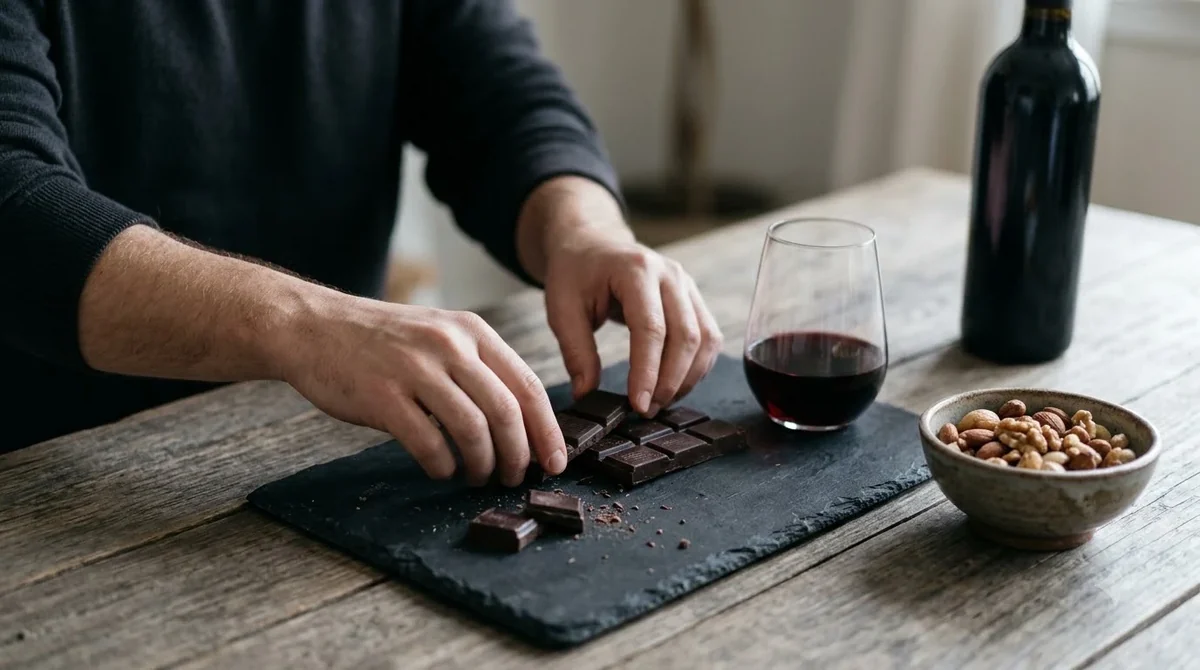
Many Georgia wines are on the sweeter side, which makes them a natural fit for dessert and rich, spiced foods. A Muscadine served with a trifle or a fruit tart can carry the dessert rather than compete with it. For savory food, go with a drier vinifera or hybrid bottle, and reserve the sweeter Muscadine for the end of the meal.
When you build a picnic or a tasting meal around these wines, bring a simple cheese board and fresh fruit. Sweet wines work best with salty and creamy foods, while dry reds handle grilled meat and bold cheeses.
How to Choose a Georgia Winery
Start with the style you want. If you are curious about the state’s signature grape, choose a winery that makes Muscadine and offers several bottles to compare. If you want a more classic experience, look for a producer that lists European varieties on its tasting menu. Check whether the winery is in the Dahlonega Plateau or the Upper Hiwassee Highlands, since that helps you group stops on the same day.
Next, match the visit to your schedule. Tasting rooms in mountain areas can be quiet on weekdays and busy on weekends, so book ahead if you are traveling in a group. Ask about tasting fees and whether the bottle purchase is credited toward the fee, because policies differ between wineries. Serve Muscadine cool at 55 to 60°F (12 to 15°C), and keep the bottle out of direct sun on the drive home.
Tip: Ask the tasting staff for a sweetness level before you buy. Georgia wines range from dry to sweet, and the label does not always make the difference clear.
Frequently Asked Questions
What is the best Georgia wine to try first?
Muscadine is the most distinctive choice because it is the grape the state is best known for. Start with a bottle that the winery describes as off-dry, and compare it with a vinifera or hybrid wine on the same tasting menu.
Where are most Georgia wineries located?
Two federally recognized growing areas define much of the wine region. The Dahlonega Plateau AVA sits in the foothills of Three Sisters Mountain, about an hour north of Atlanta, and the Upper Hiwassee Highlands AVA spans northwestern Georgia and southwestern North Carolina.
Is Muscadine wine sweet?
Many Muscadine wines are off-dry, and some are sweeter. Wine Folly describes the style as off-dry with medium body and medium acidity, so the sweetness will vary by producer and by bottle.
How should I serve Georgia wine?
Serve Muscadine at about 55 to 60°F (12 to 15°C). Vinifera and hybrid whites are usually served cooler, and reds slightly below room temperature. Check the label or ask the winery for the specific guidance on each bottle.
Once you have a shortlist, plan the route so that each stop fits your schedule and the style you want to taste. For a comparison with another wine region, the guide to best Temecula wineries shows how a Southern California tasting trip is organized. You can also read the wine buying guides for more on styles, sweetness and serving.
More in Wine Buying Guides
 Riesling Gift: Choose a Bottle They’ll LoveUpdated Nov 21, 2026
 Sweet Red Wine Gift: Choose a Bottle They’ll LoveUpdated Nov 21, 2026
 Malbec Gift: How to Choose a Memorable Bottle for Any OccasionUpdated Nov 21, 2026
 Sherry Gift Ideas That Match Every Wine LoverUpdated Nov 21, 2026
 Moscato Gift: How to Choose a Sweet Wine They’ll LoveUpdated Nov 21, 2026
 Merlot Gift: How to Choose a Bottle They’ll AppreciateUpdated Nov 21, 2026