

We may earn a commission when you buy through links on this page, at no extra cost to you. Learn more.
Georgia wineries are the vineyards and tasting rooms of the U.S. state of Georgia, which is best known for wines made from the native Muscadine grape and for two mountain-foothill appellations in the north of the state. The state’s first American Viticultural Area, Upper Hiwassee Highlands, was recognized in 2014, and the Dahlonega Plateau AVA followed a few years later. Many wineries are small, family-run operations in the North Georgia Mountains, about an hour’s drive north of Atlanta. This guide covers the regions, grapes, history and visiting tips for Georgia wineries.
Georgia is often overlooked on wine maps, yet its winemaking history reaches back more than a century and its wineries have grown quickly over the past two decades. The state has a humid climate and a long growing season, which suits some grapes well and makes others difficult. The wineries that do well tend to choose varieties that handle heat and humidity, and they often focus on tasting rooms and local visitors. If you want to compare how different parts of the country shape their wines, our Wine Regions guide is a good starting point.
Where Georgia’s Wineries Are Located
Georgia has two officially recognized American Viticultural Areas. The Upper Hiwassee Highlands AVA was the state’s first, recognized in 2014. It spans three counties in northwestern Georgia and two counties in southwestern North Carolina, at an average elevation of about 2,000 feet. The Dahlonega Plateau AVA came next and sits in the foothills of Three Sisters Mountain, about an hour north of Atlanta. Both areas sit in the mountains, where the air is cooler than in the flatter parts of the state.
Most of the wineries visitors actually find are clustered in the North Georgia Mountains and nearby towns such as Dahlonega, Helen and the Habersham area. Their tasting rooms are often surrounded by vineyards, orchards or small farms, and many of them sit along scenic drives that make a day trip easy. Because the wineries are spread across a large area, planning a route before you leave is worth the effort.
The Grapes Georgia Winemakers Grow
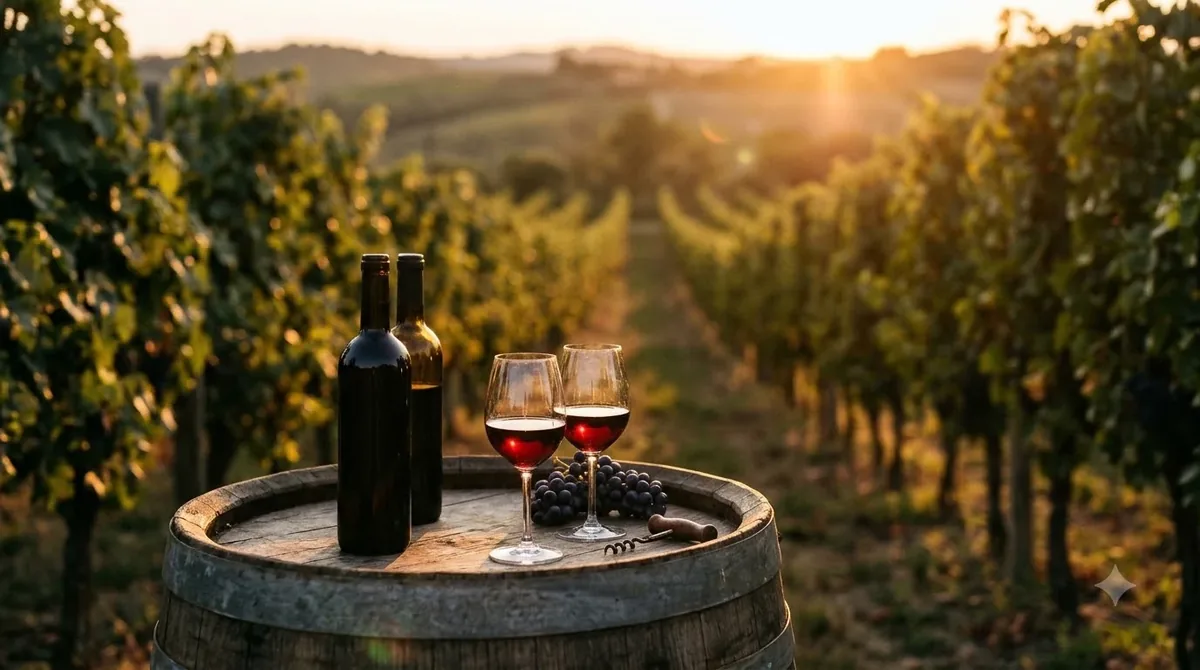
Georgia’s most distinctive grape is the Muscadine, a native southeastern variety that thrives in heat and humidity. The state is widely recognized as a national leader in Muscadine wines, which often show bold fruit, a slight musky aroma and a sweet or semi-sweet profile. Scuppernong, a green-skinned Muscadine, is also common in the state’s wine lists and tasting rooms.
Beyond the native grapes, Georgia wineries grow a long list of cultivars. Records describe around 35 grape varieties in the state, including Concord and Catawba for traditional sweet wines, along with Chardonnay, Merlot, Cabernet Sauvignon, Riesling, Syrah and Vidal blanc. Many winemakers also work with French-hybrid and cold-hardy varieties such as Chambourcin, which is a red grape that handles humidity and disease pressure better than many classic European vines.
| Grape group | Examples | Typical style |
|---|---|---|
| Native American | Muscadine, Scuppernong, Concord, Catawba | Sweet or semi-sweet, fruity, often aromatic |
| Classic European | Chardonnay, Merlot, Cabernet Sauvignon, Riesling, Syrah | Dry to off-dry, varies by producer |
| Hybrid and cold-hardy | Chambourcin, Vidal blanc | Fruit-forward, tolerant of humid weather |
Tip: If you are new to Georgia wine, try a Muscadine or a fruit-forward hybrid first. Those styles show the local character of the state more clearly than a classic European variety grown in the same region.
A Brief History of the State’s Wine Industry
Winemaking in Georgia was active in the nineteenth century, and by 1900 the state ranked sixth among U.S. states in wine production. That early success did not last. The temperance movement gained political strength in the early 1900s, and in 1907 Georgia became the first Southern state to ban the production, transport and sale of alcohol. Prohibition lasted until 1935, and the industry was largely wiped out in the decades that followed.
Vineyards returned in the 1980s, when growers planted European, French-hybrid and American grape varieties on a new footing. Wineries such as Habersham Winery & Vineyards, which describes itself as one of the state’s oldest and largest, have operated since 1983 and helped establish a modern Georgia wine identity. Growth has accelerated in recent years, and local producers often say that new wineries have opened across the state.
Styles and What to Expect in the Glass
Georgia wines cover a wide range of styles. Muscadine and Scuppernong wines are typically sweet or semi-sweet, with bright fruit and a distinct aroma that some visitors find unusual at first. Fruit wines and blends are common in tasting rooms, and they often suit warm weather and casual meals. Hybrid reds such as Chambourcin can be fruity and fresh, with moderate tannin.
Dry European-style wines also appear on Georgia menus. Chardonnay, Riesling, Merlot and Cabernet Sauvignon are grown at many wineries, though the results depend heavily on the vineyard site and the producer’s choices in the cellar. Because of this variety, a good approach is to taste several styles in one visit and note which ones you enjoy, then choose bottles accordingly. If you already know the dry European styles well, comparing a Georgia Riesling with the crisp whites of Alsace wineries can show how much climate and soil change the same grape.
Visiting Georgia Wineries: Tips for a Good Day
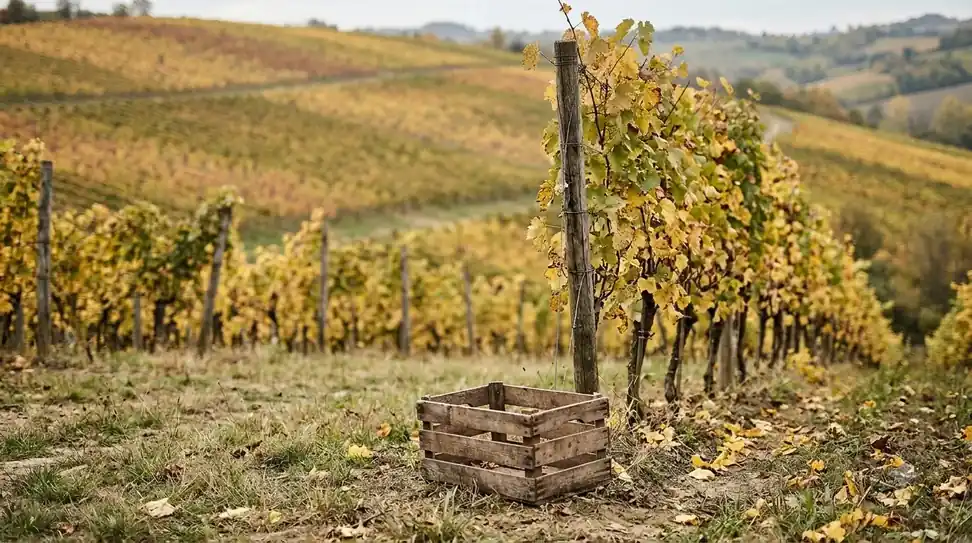
Georgia wineries are most often visited as part of a day trip. Plan a small number of stops, because tasting rooms can be busy on weekends and many have fixed closing times. Check each winery’s hours before you go, since schedules can change with the season and local events. Many tasting rooms end tastings a short time before closing, so arriving earlier in the afternoon gives you more time to taste and talk with staff.
Ask for a flight or a short tasting list if you want to compare styles. Tasting staff can explain how a wine was made, which vineyard it came from and what foods might pair with it. Designated drivers, water and a snack between stops are simple habits that make the day more comfortable and safer. Many wineries also host seasonal festivals and events, which can be a fun way to meet local producers, although these events can draw large crowds.
When buying a bottle to take home, check the label for the state, the appellation and the grape variety. A Georgia label that names an AVA or a single vineyard usually gives you more information about where the grapes were grown. Some wineries also ship directly to customers where state law allows, so ordering online after a visit is an option, though rules vary by location.
Frequently Asked Questions
Are there wineries in the state of Georgia?
Yes. Georgia has a number of wineries, mostly in the North Georgia Mountains and foothills. Many are small family-run operations with tasting rooms open to visitors, and the state has two recognized American Viticultural Areas.
What is Georgia’s most famous wine?
Muscadine wine is the state’s best-known style. Muscadine is a native grape of the Southeast, and Georgia is widely recognized as a national leader in wines made from it, often sweet or semi-sweet.
Where are the best Georgia wineries located?
The North Georgia Mountains are the main wine area for visitors. Dahlonega and the Helen and Habersham areas are popular, and the Dahlonega Plateau AVA sits in the foothills roughly an hour north of Atlanta.
Do I need a reservation to visit a Georgia winery?
Many wineries welcome walk-in visitors, especially on weekdays. Busy weekends and special events may require reservations or tickets, so check each winery’s website or call ahead before planning a route.
Georgia wineries offer a relaxed way to explore a region that many wine drinkers have not yet tried, and for a broader look at American wine country, the Columbia Valley wineries guide covers a very different climate. Start with a Muscadine or a fruit-forward hybrid, then compare a dry European-style wine from another winery. A short route through the mountains with two or three stops is a good way to see the variety the state has to offer.
More in Wine Regions
 Willcox Wine Trail: Discover Arizona’s High-Elevation Wine CountryUpdated Nov 20, 2026
 Yakima Valley Wine Region: Find the Best Styles to TryUpdated Nov 20, 2026
 Vosne Romanee Wine Tasting: Identify Aromas and Choose Better PairingsUpdated Nov 20, 2026
 Yakima Valley Wine Festival: Find the Best Seasonal Wine EventsUpdated Nov 20, 2026
 Wales Vineyards: Discover Cool-Climate Wines and Where to VisitUpdated Nov 20, 2026
 Yountville Wine Festival: Discover Napa Wines and Local FoodUpdated Nov 20, 2026