

We may earn a commission when you buy through links on this page, at no extra cost to you. Learn more.
The best Charlottesville wineries are the ones that match your taste, so start by choosing a style, then pick estates that focus on it. The area sits in Virginia’s wine country east of the Blue Ridge Mountains, where producers grow both European vinifera and hybrid grapes. Plan a few stops around one theme, such as red blends, Virginia whites or a historic estate, rather than trying to visit many tasting rooms in a single afternoon.
Charlottesville is one of the more visited bases for wine tourism in Virginia. The city is close to rolling vineyards, historic estates and small farm properties, and many visitors come for a single weekend to taste a range of wines. This guide explains how to choose a winery, what to expect from the region’s wines, and how to plan a visit that stays enjoyable from the first tasting to the last.
Why Charlottesville Is a Strong Base for Wine Visits
Charlottesville sits in the central part of Virginia’s wine region, and most of the state’s wine production comes from the central and northern counties just east of the Blue Ridge Mountains. That position puts the city within reach of many estates and makes it a practical base for a day of tasting. The surrounding landscape also gives visits a relaxed, rural feel that many visitors value.
The region’s history adds interest to a trip. Wikipedia’s entry on Virginia wine notes that a Charlottesville winery won an international award in 1873 for a “Virginia claret” made from Norton grapes. In the early 1900s the city promoted itself as the capital of the wine belt in Virginia. Thomas Jefferson’s vineyards at Monticello, established around 1807, struggled with disease and did not produce wine until the late twentieth century, a story that many visitors find memorable.
Who This Guide Is For
This guide suits visitors who want to plan a tasting day without a long list of stops. It also helps wine lovers who are new to Virginia and want to understand what the region does well. If you are looking for a specific bottle to buy, the regional style summaries below will help you decide which estates to visit first.
Plan on a few stops per day. Virginia tasting rooms vary in size and format, and a slow afternoon with three or four estates usually gives a better sense of the region than a rushed route through many more.
What Virginia Wines Taste Like
Virginia’s wine profile is broad. Wikipedia’s entry on Virginia wine lists the top five grapes statewide as Chardonnay, Cabernet Franc, Merlot, Vidal blanc and Viognier. Petit Manseng and Petit Verdot are also highlighted as well suited to the state’s climate and soils. You will find both dry reds and whites, along with some sweeter and sparkling styles, so ask at each tasting room which bottles reflect the estate’s own approach.
Because the region is humid, many producers focus on grapes that handle the climate and disease pressure well, and some work with hybrid varieties. A visit is a good chance to compare a Cabernet Franc or Merlot with a Viognier or Chardonnay from the same estate, which shows how the same site expresses different grapes.
Key Factors When Choosing a Winery
Choosing the right estate comes down to a few practical questions. Think about the style you enjoy, the atmosphere you want, and how far you are willing to drive between stops. The table below summarizes the main factors to weigh.
| Factor | What to look for | Why it matters |
|---|---|---|
| Wine style | Estates that focus on reds, whites or sparkling wine | Lets you taste what you came for |
| Atmosphere | Historic house, farm setting or modern tasting room | Shapes the feel of the visit |
| Grape focus | European vinifera or Virginia hybrid specialties | Shows how the region’s grapes differ |
| Tasting format | Flights, seated tastings or guided tours | Affects how much time each stop takes |
| Distance | Estates grouped in one sub-area | Reduces driving between stops |
Step-by-Step Plan for a Charlottesville Winery Day
A well-planned day makes the most of the region. Start by choosing one or two styles you want to taste. Then pick estates in the same sub-area, which keeps driving manageable and lets you move from one tasting to the next without rushing.
- Decide on a theme, such as red blends, Virginia whites or a historic estate.
- Check each winery’s hours and tasting format before you leave, since schedules and reservation rules vary.
- Group two or three estates in the same area to limit driving.
- Book a seated tasting or tour at the estate you most want to visit, especially on weekends.
- Plan a meal between stops, and arrange a designated driver or a rideshare for the return trip.
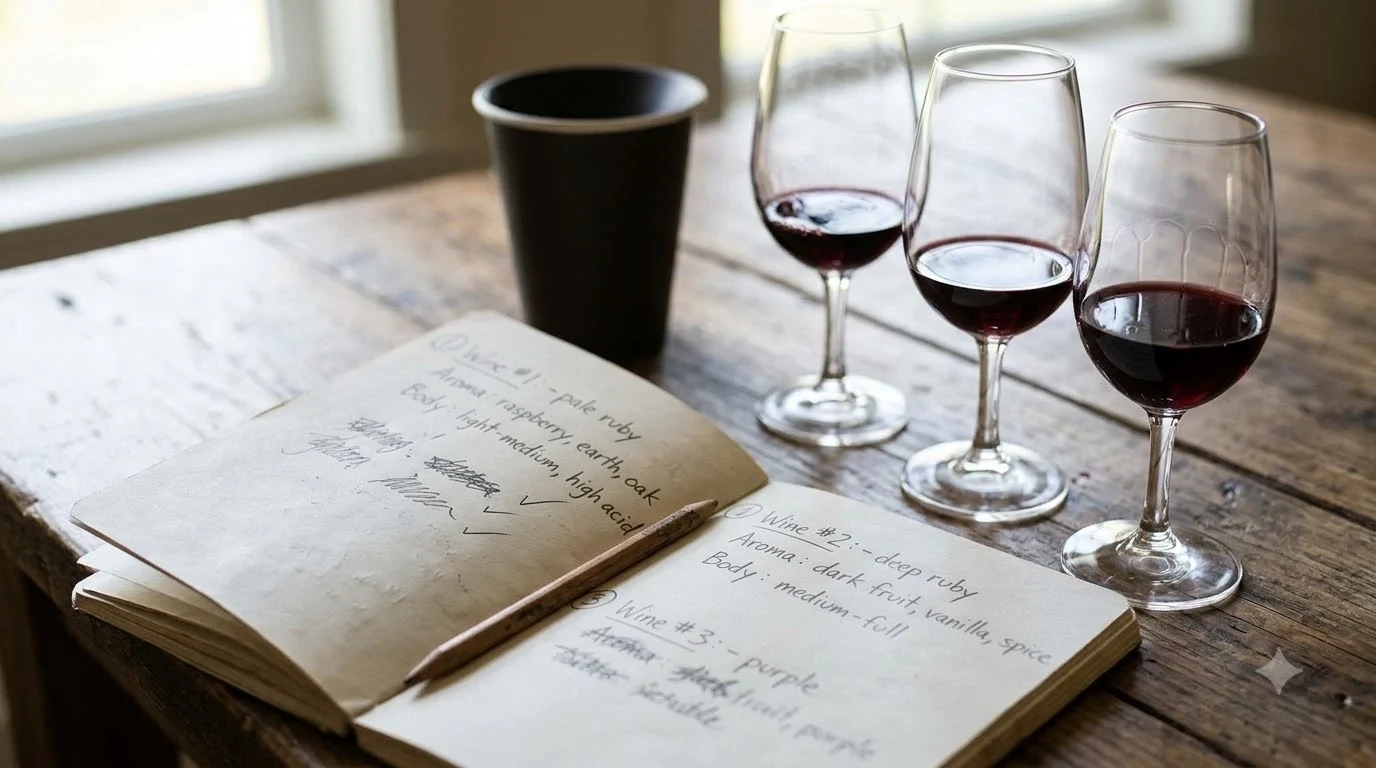
- Take notes on what you enjoy so you can buy bottles or join a mailing list later.
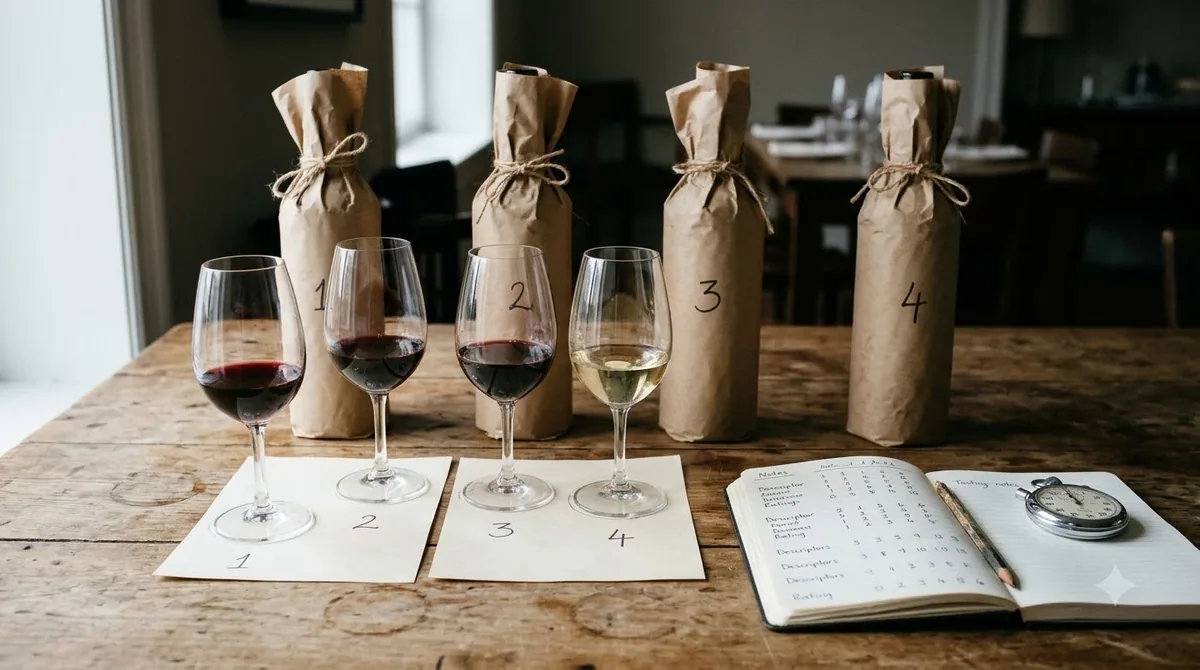
Pacing matters as much as the route. Begin with a lighter white or sparkling wine, move to the reds, and save the richest or sweetest bottles for last. This order keeps your palate fresh and gives you a clearer sense of each estate. Ask the staff which wines they recommend for the stage of your visit, since many tasting rooms are glad to suggest a flight that builds across the afternoon.
Common Mistakes to Avoid
The most common mistake is trying to visit too many wineries in one day. Each tasting takes time, and palate fatigue sets in quickly. A second mistake is assuming all Virginia wine tastes the same. The grapes, climate and winemaking vary a great deal from one estate to the next, so exploring a few different styles gives a better picture of the region.
Visitors also sometimes overlook practical details. Check whether a tasting room requires a reservation, whether it accepts walk-ins, and whether it charges for flights. Finally, plan for transport. A driver who does not drink, or a rideshare booked in advance, keeps the day safe and enjoyable.
Many visitors also find it useful to set expectations before they arrive. A small estate may have a limited selection, a seasonal list, or a single tasting format, while a larger property may offer several tastings, a restaurant, or outdoor seating. Neither is better in general. The right choice depends on whether you want a quiet tasting of a few wines or a longer afternoon with food and views.
Frequently Asked Questions
How many wineries should I visit in a day?
Three or four is a comfortable number for most visitors. More than that makes it hard to appreciate each wine, and a slower pace lets you talk with the staff and learn about the estate.
Do I need reservations for Charlottesville wineries?
It depends on the estate. Some tasting rooms accept walk-ins, while seated tastings, tours and weekend visits often need a booking. Check each winery’s website or call ahead before you plan your route.
What wine styles are typical in Virginia?
Virginia produces a wide range, including Chardonnay, Cabernet Franc, Merlot, Viognier and Vidal blanc. Petit Manseng and Petit Verdot are also grown in the state. Each estate chooses its own mix, so the tasting room is the best place to compare.
Is Charlottesville a good base for a wine weekend?
Yes. Its location in central Virginia makes it a practical base for visiting estates in several directions. Plan each day around one sub-area so you spend more time tasting and less time driving.
The best Charlottesville wineries depend on the style you want to taste and how you like to spend a day. Choose a theme, group your stops, and plan transport before you leave. For more on wine regions and choosing a style, see our wine buying guide, or compare a trip to another region in our Paso Robles winery guide.
More in Wine Buying Guides
 Riesling Gift: Choose a Bottle They’ll LoveUpdated Nov 21, 2026
 Sweet Red Wine Gift: Choose a Bottle They’ll LoveUpdated Nov 21, 2026
 Malbec Gift: How to Choose a Memorable Bottle for Any OccasionUpdated Nov 21, 2026
 Sherry Gift Ideas That Match Every Wine LoverUpdated Nov 21, 2026
 Moscato Gift: How to Choose a Sweet Wine They’ll LoveUpdated Nov 21, 2026
 Merlot Gift: How to Choose a Bottle They’ll AppreciateUpdated Nov 21, 2026