

We may earn a commission when you buy through links on this page, at no extra cost to you. Learn more.
The best Livermore wineries sit in the Livermore Valley, a warm, gravel-soiled appellation in Alameda County that is known for historic estates and for Cabernet Sauvignon, Petite Sirah, and Sémillon. This guide explains what sets the valley apart from other Bay Area wine areas, which kinds of wineries suit different tastes, and how to plan a visit around the valley’s climate and history.
Livermore is about an hour’s drive east of San Francisco in the Tri-Valley area. Its wine history reaches back well before the modern Bay Area wine boom, and its vineyards grow on gravelly sandy loam that drains quickly. Those conditions give many of the valley’s wines a distinctive character that visitors often notice first.
This page covers the valley’s main wine styles, the kinds of estates to look for, and practical tips for a day of tasting. For a sense of how other regions compare, our guides to best Temecula wineries and best Paso Robles wineries cover different climates and grape mixes.
Quick Comparison
Livermore is smaller than many California wine areas, so a single day can cover several estates. The table below compares the kinds of wineries and styles you will find, which helps you choose where to spend your time.
| Winery type | What it tends to offer | Styles to look for | Best for |
|---|---|---|---|
| Historic estates | Long-running family or corporate estates with established tasting rooms | Cabernet Sauvignon, Chardonnay, Sémillon | Visitors who want history and classic wines |
| Boutique producers | Smaller wineries that focus on a few varieties | Syrah, Zinfandel, Petite Sirah | Tasters who want something specific |
| Vineyard-focused estates | Estates that highlight single vineyards or hillside sites | Pinot noir, Merlot, Sauvignon blanc | A quieter visit with a vineyard walk |
What Shapes the Valley’s Wines
The valley is a warm, sunny area with a moderate coastal climate. The Wikipedia entry on the Livermore Valley AVA describes a growing season of about 254 days, running from March through early November, and notes that cool marine winds and morning fog help moderate temperatures. Days and nights can vary widely, which gives the grapes time to ripen while keeping acidity in the wine.
The soil matters as much as the weather. The AVA’s soils are mainly Yolo-Pleasanton associations with Livermore gravelly sandy loam, and the area is predominantly gravel-based. Gravelly soils drain well and stress the vines a little, which many growers consider useful for concentrated fruit. The same entry lists 32 grape varieties grown in the valley, including Cabernet Sauvignon, Chardonnay, Merlot, Pinot noir, Sauvignon blanc, Sémillon, Syrah, and Zinfandel.
Best for Historic Estates
If history is part of the appeal, the valley’s long-running estates are the place to start. Wikipedia’s Livermore Valley AVA entry names several producers that have shaped the area, including Cresta Blanca Winery, Wente Vineyards, and Concannon Vineyard. Each has a distinct tasting experience, and many visitors plan a route that includes at least one of these established names.
Historic estates are good choices for classic Cabernet Sauvignon and for Chardonnay, which is one of the valley’s most widely planted whites. Ask staff about the age of the vines, since older vineyards often produce wines with more concentration. Tours and vineyard walks are common at these wineries, so allow extra time if you want to see the grounds. A guided tour is also a useful way to learn how the estate’s sites differ, since the same variety can taste noticeably different when grown on a gravelly slope compared with flatter ground. Many visitors find that a tour before the tasting makes the wines easier to compare, and it gives them a clearer sense of what to look for in each glass. Historic estates also tend to have deeper cellars and longer reserve lists, so it is worth asking whether older vintages are available to taste during your visit.
Best for Boutique and Small-Batch Wines
The valley also has smaller producers that focus on a narrower range of grapes. The AVA’s entry names Cuda Ridge Wines, Rios-Lovell Estate Winery, and Steven Kent Winery among the wineries it lists, and these smaller estates often pour a tighter selection that gives you a closer look at one style.
Boutique wineries are a good fit if you prefer to taste a few wines in depth. Expect smaller tasting rooms and more personal service. Visits may need advance booking, so check each estate’s hours and policies before you go.
Best for Petite Sirah and Bold Reds
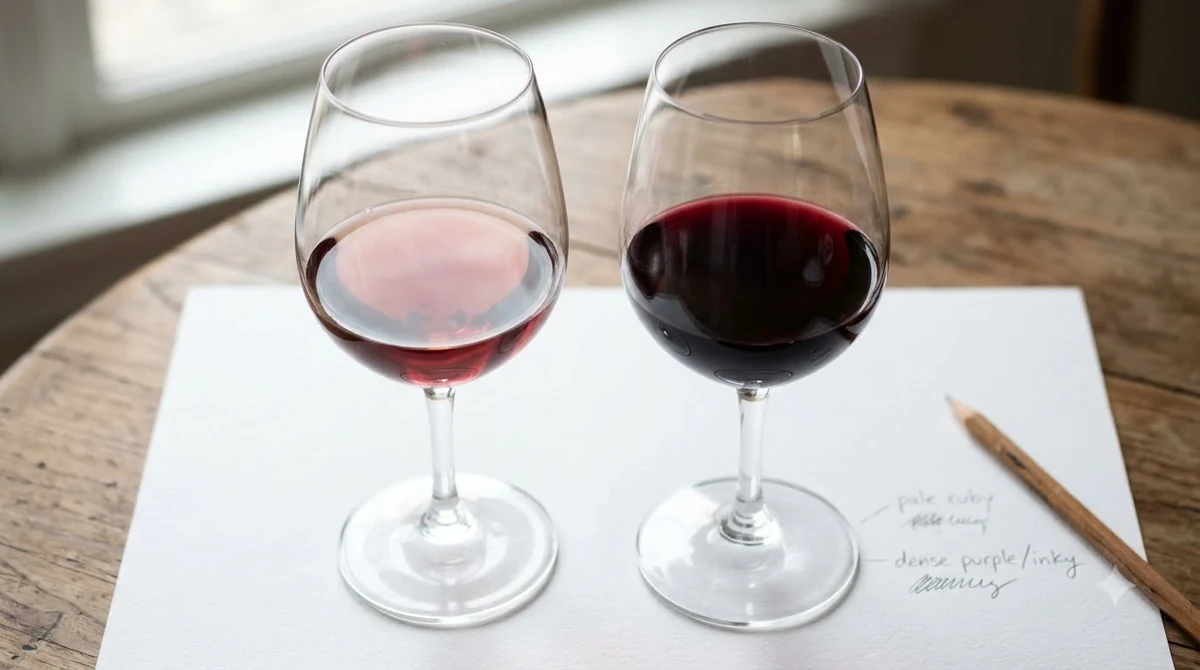
Petite Sirah is the variety most often linked with Livermore’s identity. The Wikipedia entry describes it as the valley’s best historically known red, and it tends to produce dark, dense wines with firm tannins. Zinfandel and Syrah also appear on the valley’s grape list, and they round out a red-focused flight.
Bold reds like these pair well with grilled meats and hearty dishes. If you are new to Petite Sirah, start with a small pour and compare it with a Cabernet Sauvignon from the same visit so you can see how the two differ.
Best for Vineyard Walks and Quiet Visits
Some estates in the valley focus on the vineyard as much as the tasting room. A visit to a hillside or gravel-soil site lets you see the terrain that shapes the wine, and it gives you a clearer sense of why the valley’s soils and climate matter so much.
Gravel soils and the valley’s marine breezes shape the vineyard experience. On a walk, you can notice how the ground feels underfoot and how the afternoon air cools toward evening. Those details help explain why the valley’s wines often combine ripe fruit with a clean, fresh finish. Ask the staff whether the vineyard you are visiting grows the variety you are tasting, since many estates source fruit from several sites across the valley and the connection between a single block and a bottle can be less direct than it looks.
A quieter day also helps you enjoy the wines more. Plan two or three stops rather than a full circuit, leave time for a walk, and finish with the wines you liked best rather than trying to taste everything on the menu.
How to Choose
Start with the style you like, then pick the winery type that matches it. The table below gives a simple way to narrow your list.
| If you want | Look at | Why |
|---|---|---|
| History and classic wines | Long-running estates | Established tasting rooms and vineyard tours |
| A focused, small-batch tasting | Boutique producers | Smaller lineups and personal service |
| Bold, dark reds | Petite Sirah, Zinfandel, and Syrah pours | Valley’s best-known red styles |
| A quiet, scenic visit | Vineyard-focused estates | Less crowded, with time for walks |
Tip: Tasting room hours and reservation rules change often. Check each winery’s current policy before you plan a route, and arrange a designated driver or ride service for the day.
Frequently Asked Questions
Where is the Livermore Valley?
The Livermore Valley is an American Viticultural Area in Alameda County, California, centered on Livermore in the Tri-Valley region. It is part of the wider San Francisco Bay Area.
What grapes is Livermore known for?
Petite Sirah is the variety most often linked with the valley’s history. Cabernet Sauvignon, Chardonnay, Sémillon, Syrah, and Zinfandel are also widely grown, and the AVA lists 32 varieties in total.
Do I need a car to visit Livermore wineries?
A car gives you the most flexibility, since the wineries are spread across the valley. Many visitors use a tour service or a designated driver so everyone can taste without driving afterward.
Is it better to book ahead for a tasting?
Booking ahead is a good idea, especially for smaller estates and weekend visits. Some wineries offer appointment-only tastings, so check each winery’s policy before you travel.
Livermore suits a focused, relaxed visit. Choose a mix of historic and boutique estates, decide which styles matter most to you, and plan a realistic number of stops. For more on choosing and buying wine, see our wine buying guide, and drink responsibly.
More in Wine Buying Guides
 Riesling Gift: Choose a Bottle They’ll LoveUpdated Nov 21, 2026
 Sweet Red Wine Gift: Choose a Bottle They’ll LoveUpdated Nov 21, 2026
 Malbec Gift: How to Choose a Memorable Bottle for Any OccasionUpdated Nov 21, 2026
 Sherry Gift Ideas That Match Every Wine LoverUpdated Nov 21, 2026
 Moscato Gift: How to Choose a Sweet Wine They’ll LoveUpdated Nov 21, 2026
 Merlot Gift: How to Choose a Bottle They’ll AppreciateUpdated Nov 21, 2026