

We may earn a commission when you buy through links on this page, at no extra cost to you. Learn more.
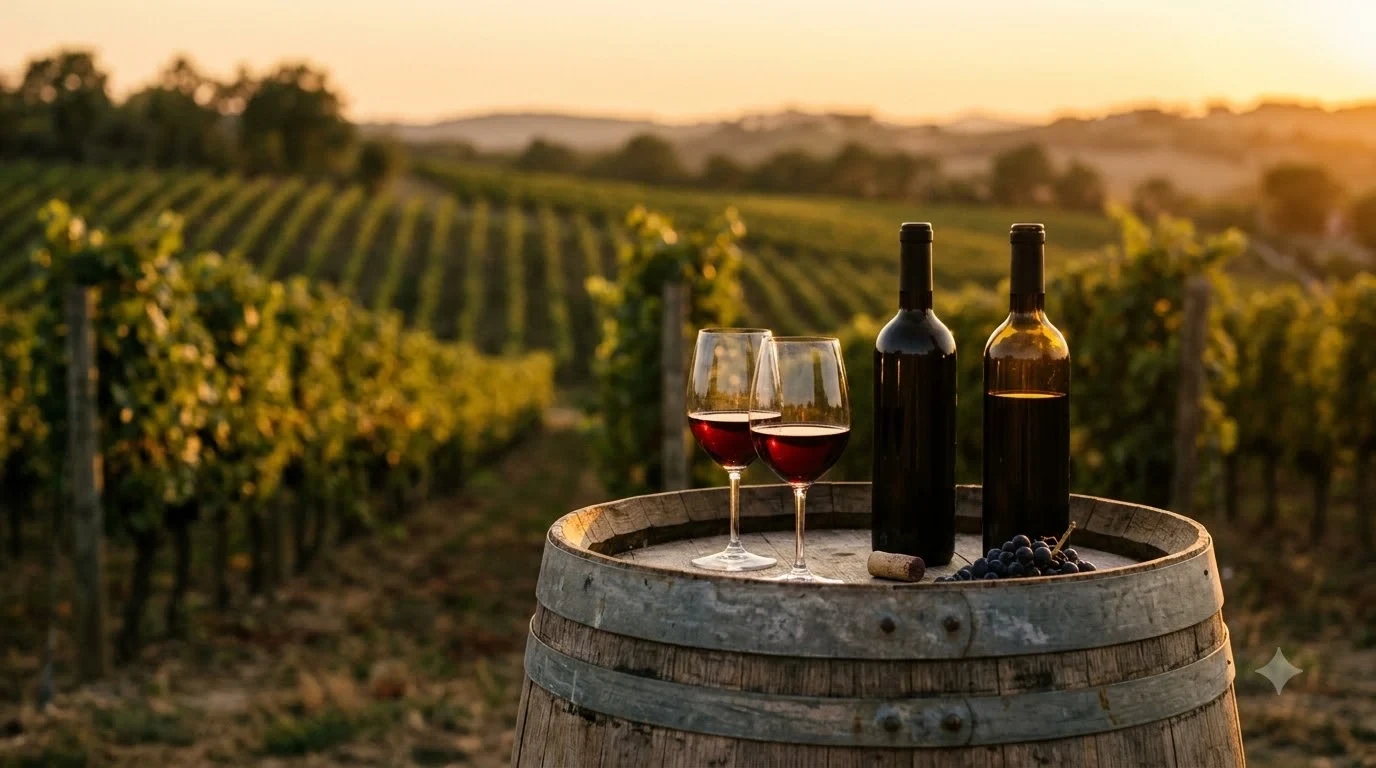
California wine is wine made in the United States’ largest wine-producing state, and it ranges from Napa Cabernet and Sonoma Pinot Noir to Central Coast Rhône blends and high-volume Central Valley bottlings. The state’s vineyards stretch roughly 700 miles, from Mendocino County to southwestern Riverside County, and they span 147 approved American Viticultural Areas. Most of the grapes are grown in a Mediterranean climate that is cooled by Pacific winds and fog.
This guide walks through the history, the main regions, the grape varieties and the styles you will see on shelves. It is written for shoppers who want to choose a California bottle with more confidence, whether that is a weeknight red or a bottle for a special dinner.
How California became a serious wine state
Winemaking in California goes back to the Spanish missions. According to the Wikipedia entry on California wine, Spanish missionaries introduced Vitis vinifera vines in the 1700s, and the first vineyard was planted at Mission San Juan Capistrano in the 1770s. Buena Vista Winery, founded in 1857 by Agoston Haraszthy in Sonoma, is described as the state’s first commercial winery.
The industry was set back by phylloxera in the late nineteenth century and then by Prohibition, which began in 1919. Only a small number of wineries were still operating when Prohibition ended in 1933. Recovery took decades, and the turning point most often cited by wine writers is the 1976 Paris tasting, when judges ranked California Chardonnay and Cabernet Sauvignon above well-known French examples. That result drew international attention to the state’s wines and encouraged new investment.
Today the state’s wine business is large and varied. Many producers are small family estates, while others are part of big companies. That mix explains why the same grape can show up in very different styles depending on where it is grown and who makes the wine.
The major California wine regions
California is usually described in four main regions: the North Coast, the Central Coast, the South Coast and the Central Valley. Each has a different climate and a different reputation, and the names on the front of a bottle often tell you which one you are buying from.
The North Coast includes Napa, Sonoma, Mendocino, Lake, Solano and Marin counties. Napa is known for warm, drier growing conditions and for its high-end Cabernet Sauvignon and Chardonnay. Sonoma is a close second in reputation, and the Russian River Valley within it is noted for cool-climate Pinot Noir and Chardonnay. Both areas are where most visitors start.
The Central Coast runs from the San Francisco Bay Area south to Santa Barbara County, and it is often split into a north and a south section. It is known for Rhône-style varieties, with Paso Robles, Santa Barbara County and San Luis Obispo as leading areas. Many wineries here are smaller and more relaxed than the Napa estates.
The Central Valley is the state’s high-volume region. It produces most of California’s wine grapes, nearly 75 percent by one widely cited measure, and it supplies many everyday bottles. The South Coast is smaller and more localized, with its own pockets of cool-climate and warm-climate growing. Discover California Wines, the state’s promotional site, lists six regions: the North Coast, Central Coast, Sierra Foothills, Inland Valleys, Southern California and Far North California. Its wine profile also describes California as the world’s fourth-leading wine producer.
The grapes and styles to know
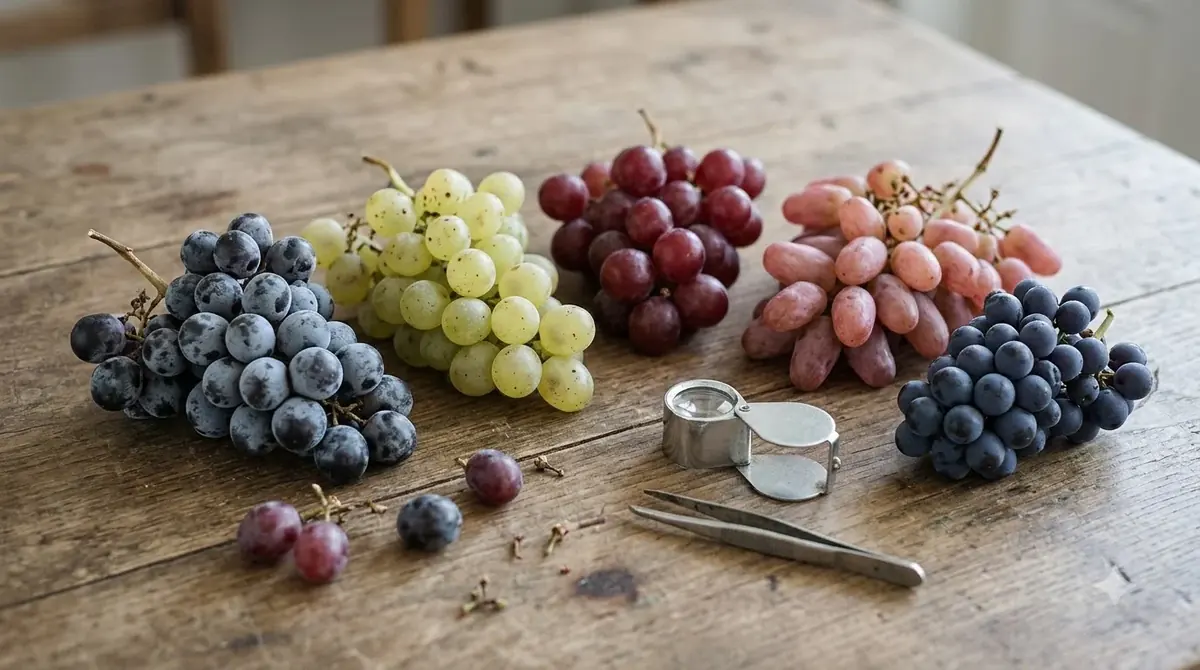
The state’s leading grapes are Cabernet Sauvignon, Chardonnay, Merlot, Pinot Noir, Sauvignon Blanc, Syrah and Zinfandel. Those seven account for much of the wine you will see on shelves, though many producers also grow Rhône and Italian varieties.
Cabernet Sauvignon from Napa and nearby areas tends to be concentrated and lush, with dark fruit and firm structure. Chardonnay is often described as buttery and full-bodied, with the flavor shaped by oak and malolactic fermentation. Zinfandel is typically powerful and jammy, and Pinot Noir from cooler coastal sites tends to be more delicate and bright. Many California wines are fruit-forward New World styles, and higher alcohol levels are common, with many bottles above 13.5 percent.
When you read a label, check the grape name, the region and the vintage. A Napa Cabernet and a Central Coast Cabernet can taste quite different, and a cool-climate Pinot Noir will not resemble a warm-climate one. The grape tells you what to expect, and the place tells you how it will taste.
Beyond the core seven, California growers have spent decades experimenting with Rhône varieties such as Grenache, Mourvèdre and Viognier, and with Italian grapes such as Sangiovese and Barbera. Many of these wines are made in smaller quantities and are often found at specialty shops or directly from the winery. They can be a good way to try something new without paying for a famous label.
Tasting is the best way to learn the state’s range. A flight of Chardonnays from different coastal sites, or a side-by-side of Cabernets from Napa and the Central Coast, shows more about style than any written description. Many tasting rooms are happy to guide first-time visitors, and staff can explain how the climate and soils shape the wine in each glass.
How to read a California wine label
Most California labels show the grape variety, the appellation, the vintage and the producer. An American Viticultural Area, or AVA, is the official growing region. A label that names a specific AVA gives you a clearer picture than one that says only California. Single-vineyard labels go further and name one site, which often signals a more focused, site-specific wine.
The phrase “California” alone means the wine can come from anywhere in the state, and a blend from many sources is common at the lower price points. Neither style is wrong. A broad blend is often easier to drink every day, while a labeled AVA or vineyard usually points to a more specific style.
Serving and pairing California wine at home
Serve bold reds such as Napa Cabernet or Zinfandel with grilled meats, roasted vegetables and aged cheeses. Their tannins and fruit balance rich food, and a short rest in a decanter can help a young bottle open up. Pinot Noir from cooler coastal sites is a good match for salmon, mushroom dishes and roast chicken, and it is generally served a little cooler than a big red.
Chardonnay from California is often rich enough for creamy pasta, roast pork or lobster with butter. Lighter styles and Sauvignon Blanc suit salads, fish and goat cheese. If you are trying a new California bottle, start with a regional Pinot Noir or Chardonnay to learn the style, then move on to the more intense Cabernets and Zinfandels.
For a comparison with another large wine country, see the Italy wine guide, which covers how regional rules and grape names shape the bottles you find in the same shops. The Wine Regions hub is a good starting point if you want to compare more areas side by side.
Wine writers also point out that the state’s cooler coastal zones and warmer inland valleys often produce very different versions of the same grape. Checking the region on the label, and asking a shop staff member what they like from that area, usually gives you a better starting point than relying on the grape name alone.
Frequently Asked Questions
What is the most famous California wine region?
Napa Valley is the best known, especially for Cabernet Sauvignon and Chardonnay. Sonoma is a close second, and the Russian River Valley there is noted for cool-climate Pinot Noir.
What grape is California best known for?
Cabernet Sauvignon is the state’s signature red, and Chardonnay is its best-known white. Zinfandel, Pinot Noir and Syrah are also widely planted and well regarded in the right sites.
Is California wine usually high in alcohol?
Many California wines are fruit-forward and carry higher alcohol than European wines of similar style. Checking the label for the alcohol percentage is a simple way to compare bottles.
What does an AVA on the label mean?
An American Viticultural Area is an official, defined growing region. A label naming an AVA gives you more specific information about where the grapes came from than a label that says only California.
California wine offers a wide range, from everyday blends to site-specific bottles from famous valleys. Start with the region and grape on the label, choose a style that suits the food you plan to serve, and taste across a few regions before you settle on a favorite. The state has enough variety that most shoppers find something they like.
More in Wine Regions
 Willcox Wine Trail: Discover Arizona’s High-Elevation Wine CountryUpdated Nov 20, 2026
 Yakima Valley Wine Region: Find the Best Styles to TryUpdated Nov 20, 2026
 Vosne Romanee Wine Tasting: Identify Aromas and Choose Better PairingsUpdated Nov 20, 2026
 Yakima Valley Wine Festival: Find the Best Seasonal Wine EventsUpdated Nov 20, 2026
 Wales Vineyards: Discover Cool-Climate Wines and Where to VisitUpdated Nov 20, 2026
 Yountville Wine Festival: Discover Napa Wines and Local FoodUpdated Nov 20, 2026