

We may earn a commission when you buy through links on this page, at no extra cost to you. Learn more.
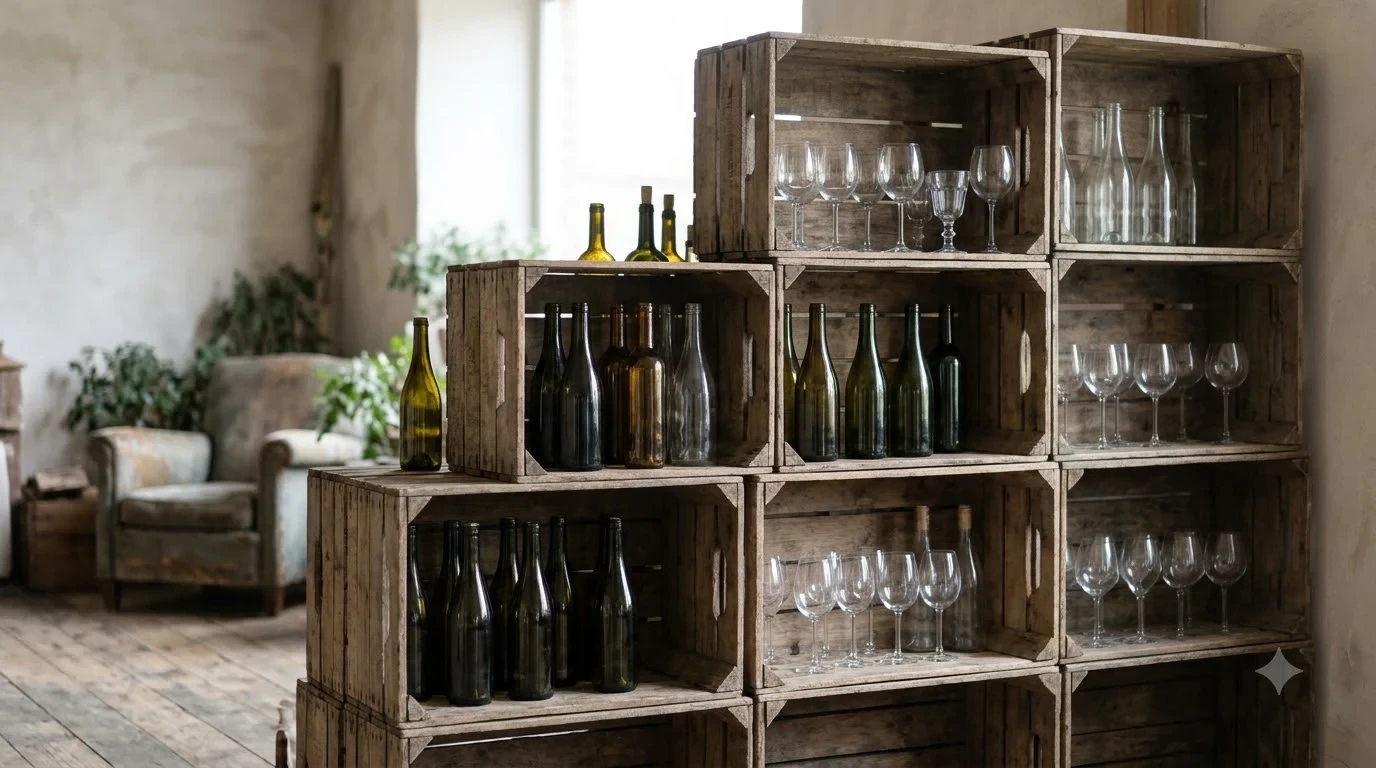
The best wine storage tower is a tall, freestanding unit with a sturdy frame, enough cubbies for your full collection, and a closed or semi-closed front that keeps light off the bottles. Towers store more bottles in a narrow footprint than most countertop racks, which makes them a good fit for a hallway, a pantry or a dining room corner. Pick the height and bottle count first, then the material and the front style.
A wine storage tower is a vertical unit that holds bottles in rows from floor to shoulder height. Unlike a flat rack, it uses the wall height of a room, so it suits people who have more bottles than shelf space and not enough floor room for a cabinet. This guide explains how towers differ from racks and cabinets, what to check before buying, and which type of tower suits each common home situation.
Quick Comparison of Storage Units
A tower sits between an open rack and an enclosed cabinet. The table compares the main options by footprint, capacity and how well each one protects bottles from light and temperature swings.
| Unit | Footprint | Bottle capacity | Light and temperature protection |
|---|---|---|---|
| Open tower | Narrow | High | Low, bottles exposed |
| Tower with door or front panel | Narrow to medium | High | Moderate |
| Wine cabinet with cooling | Medium | Moderate | High |
| Wall rack | Very small | Low | Low |
The Wikipedia entry on wine cellars notes that wine should be kept away from light, heat and vibration, and that wine left exposed to light can spoil. An open tower is the simplest option, but its bottles are visible and unprotected, so it works best in a cool, dim room. A tower with a front panel or door gives a better balance of storage and protection for most homes.
Best for Everyday Home Storage in a Narrow Space
For a hallway, a pantry corner or a slim dining room wall, a narrow tower gives you a high bottle count without taking up much floor area.
Look for a unit that is deep enough to hold a standard 750 ml bottle without the neck pressing against the shelf above, and check the spacing between shelves if you own taller bottles. Narrow towers are easy to fit against a wall, but they can tip if they are overloaded at the top, so fill the lower shelves first and keep the heaviest bottles close to the floor.
Keep the tower away from a radiator or a window, since both bring temperature swings that wear on a bottle over time.
Best for Long-Term Aging in a Cool Room
If you plan to age bottles for several years, a tower with a closed front in a cool, steady room protects the wine better than an open unit.
The Wikipedia wine cellar article says wine can be stored satisfactorily between 7 and 18 degrees Celsius if changes are gradual, and that 13 degrees Celsius is described as ideal for short-term storage and long-term aging. It also notes that swings of 14 degrees or more can make wine breathe through the cork, which speeds aging. A tower in a basement or an interior room with a stable temperature gives you more control than one in a sunny kitchen.
Passive storage is free to run but less predictable, while active cabinets hold temperature and humidity more tightly. A tower is usually a passive choice, so the room you put it in matters most.
Best for Mixed Collections and Display
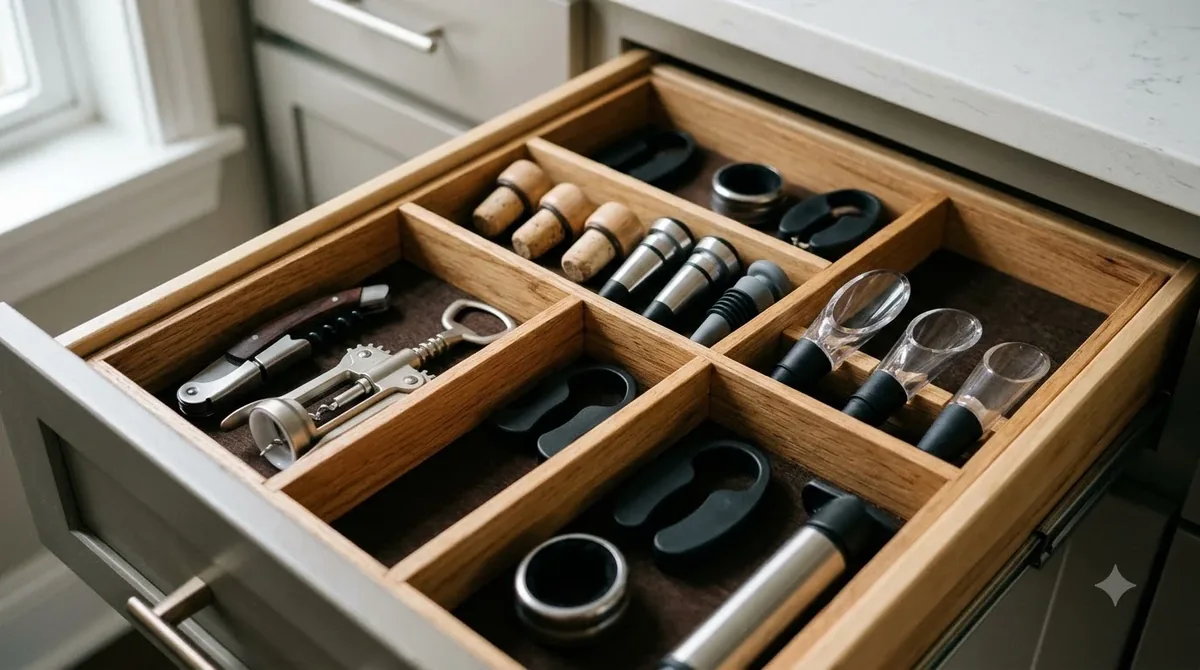
If you want to show off a range of bottles while keeping them sorted by style or region, an open tower with clear cubbies gives you visible labels and easy access.
An open design lets you grab a bottle from any shelf without moving the others, which helps when you keep red and white wine on the same unit. The trade-off is that exposed bottles collect more dust and see more light, so keep the tower in a shaded spot and do not leave bottles on display for months at a time.
Group bottles by how soon you plan to open them, and place the ones for aging on the lower, darker shelves.
Best for Small Apartments and Shared Spaces
In a small apartment, a tower that closes on the front keeps dust, pets and household traffic away from the bottles, and it blends into the room better than an exposed rack.
A front panel or door also helps keep bottles out of direct sunlight, which Wikipedia lists among the conditions that can spoil wine. Shared spaces often mean bumps and vibration, so choose a tower with a sturdy base and tight joints, and avoid placing it near a washing machine or a fridge that vibrates when it cycles.
If you have a small collection, a wine rack may be enough, and a tower only makes sense once the bottle count grows past what a flat rack holds.

Best for Large Collections and Planned Growth
When your collection is growing, a tall tower with spare cubbies gives you room to add bottles without buying a second unit, and it keeps the storage layout simple.
Work out how many bottles you own today, then plan for twice that number. A case of wine holds a fixed number of bottles, so the how many bottles in a case of wine guide is a useful way to size the tower in cases rather than single bottles. If you buy by the case, choose a tower with cubbies sized for that layout.
For collections past a few hundred bottles, a cabinet with active cooling or a dedicated cellar space is usually a better long-term plan than a single tower. The wine storage cabinet options cover that step up, and the Racks & Storage section lists the lighter alternatives by footprint.
How to Choose a Wine Storage Tower
Start with the space. Measure the height, width and depth of the spot where the tower will go, and allow room to open a door or slide a shelf without bumping the wall.
Tip: Check the bottle depth and the cubby height before you buy. Standard 750 ml bottles fit most units, but taller formats need deeper cubbies.
Next, decide how protective the unit needs to be. An open tower is the cheapest and easiest to reach into, while a front panel or door reduces light and dust. A cabinet with active cooling is the strongest option for long aging, but it costs more to run and needs a power outlet.
Before you commit, consider the wider layout of the room. Think about where you will stand to pour, how close the tower sits to the dining table or kitchen counter, and whether guests will need to reach past it. A tower that blocks a walkway or sits behind a door is a frustration in daily use, even if it stores the bottles well.
Finally, look at the build quality. A stable base, solid joints and a weight rating matter more than a fancy finish, because a loaded tower is heavy and can tip if the frame flexes.
Frequently Asked Questions
How many bottles can a wine storage tower hold?
Capacity depends on the number of cubbies and the bottle size. Most units are built around standard 750 ml bottles, so check the listing for the stated cubby count before you buy.
Should a wine storage tower have a door?
A door or front panel helps keep light and dust off the bottles, which is useful for long storage. An open tower is fine for wine you drink soon, provided it sits away from sunlight and heat.
Where should I put a wine storage tower at home?
Choose a cool, dim and steady spot away from radiators, windows and appliances that vibrate. A basement or an interior room often has the most stable temperature.
Is a tower better than a cabinet for wine?
A tower holds more bottles in a narrow footprint for less money, but a cabinet with active cooling protects wine better for long aging. Choose by how long you plan to keep the bottles and how much space you have.
A tower earns its place when the collection outgrows a flat rack and the room has height to spare. Choose the unit by space, protection and aging plans, then fill it from the bottom up so the weight stays low and stable. Revisit the layout once a year, since a collection that grows steadily often needs a different unit within a few seasons.
A wine storage tower is a practical way to store a growing collection in a small footprint. Match the unit to your space and your aging plans, keep it out of light and heat, and leave room to add bottles as your collection grows.
More in Racks & Storage
 Best Wine Barrel Racks for Distinctive Bottle StorageUpdated Nov 20, 2026
 Best Pyramid Wine Rack: Materials, Sizes and Where It FitsUpdated Nov 18, 2026
 Best Kitchen Cabinet Wine Rack Insert for Built-In Bottle StorageUpdated Nov 18, 2026
 Best 16 Bottle Wine Rack Options for Kitchens, Bars and CellarsUpdated Nov 18, 2026
 Best 48 Bottle Wine Rack Options for Cellars, Kitchens, and Tight SpacesUpdated Nov 18, 2026
 Best 30 Bottle Wine Rack Styles for Large CollectionsUpdated Nov 18, 2026