

We may earn a commission when you buy through links on this page, at no extra cost to you. Learn more.
The best kitchen cabinet wine rack insert is a slim, fixed or pull-out rack that fits the exact depth and height of an existing cabinet, with bottles stored horizontally in a rigid frame that does not sag under weight. Pull-out drawer inserts suit base cabinets, slim vertical dividers suit narrow gaps beside the range or fridge, and lazy susan style turntables suit corner cabinets. Measure the cabinet opening before you buy, because a few inches of difference in depth or height can stop an insert from fitting at all.
A kitchen cabinet insert turns unused space into wine storage without adding a freestanding piece to the room. Most kitchens already have cabinet depths that suit a bottle lying flat, but the usable space depends on how the cabinet is built, where the shelves sit, and whether the door swings in front of the rack. An insert is a practical choice when the countertop is crowded and the wine needs to stay out of direct light and away from the stove.
Quick Comparison
Each kitchen cabinet insert style fits a different cabinet type and handles access in its own way. The table compares the main options so you can match the design to the space you already have.
| Insert Type | Best Cabinet | Access | Main Strength | Watch For |
|---|---|---|---|---|
| Pull-out drawer insert | Base cabinet | Slides out fully | Easy to reach the back bottles | Needs clearance for the slide mechanism |
| Slim wall cabinet insert | Upper cabinet | Fixed shelf | Keeps bottles off the counter | Shallow depth limits bottle length |
| Vertical divider rack | Narrow gap or tall cabinet | Fixed, front access | Fits a few inches of leftover width | Bottles can lean if not seated well |
| Lazy susan turntable | Corner cabinet | Rotates to the front | Brings back corners into reach | Costs more and needs a round base |
| Tiered drawer rack | Deep drawer | Pulls out with the drawer | Stacks rows without blocking the way | Heavy when full, so check the drawer rating |
Best for Upper Cabinets: Slim Wall Cabinet Inserts
Slim inserts for wall cabinets are the simplest way to store a few bottles above the counter. They suit small kitchens where every square foot of counter space is in use.
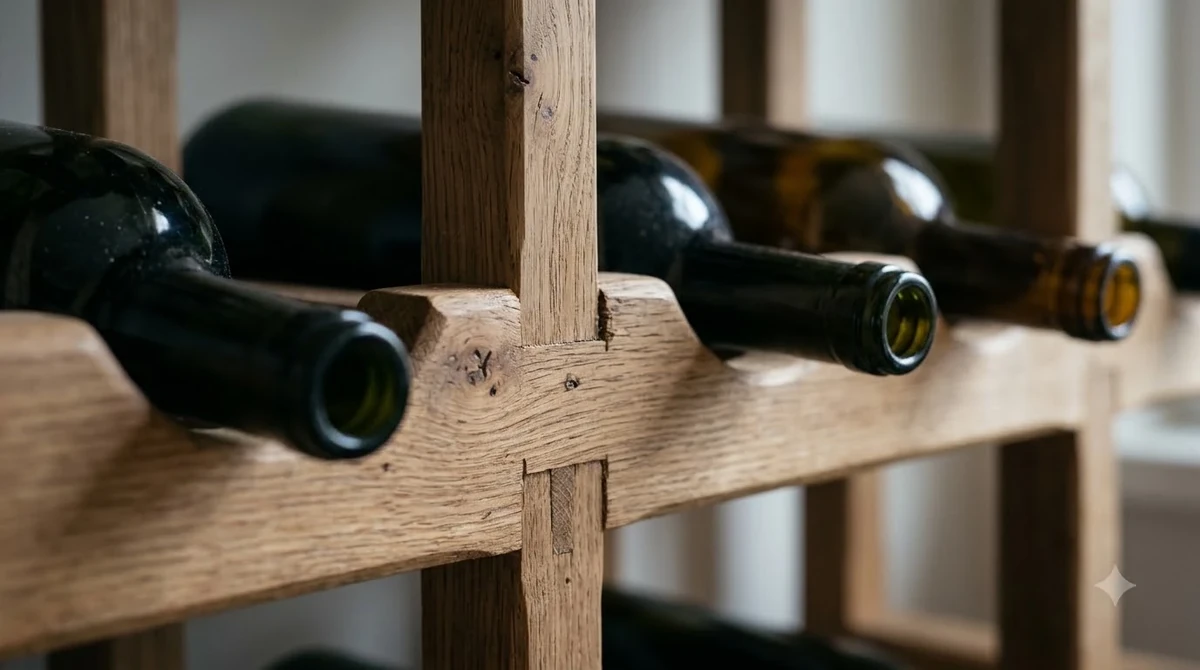
Why it stands out: A wall cabinet is often shallow, usually around 12 inches deep according to the Kitchen cabinet article, so an insert designed for that depth keeps bottles flat without spilling into the door. A fixed shelf with a lip also keeps bottles from rolling when the cabinet door opens and closes. Storing wine up high keeps it away from the warm air near the stove, though it is still better to keep wine out of direct heat.
Keep in mind and best for: A shallow cabinet limits bottle length, so tall bottles or magnums may not fit, and the bottles sit at eye level, where you can see them easily. Check the clearance under the cabinet above the counter, since a tall rack can block the lower edge of the door. This style suits everyday bottles and a small rotating selection.
Best for Base Cabinets: Pull-Out Drawer Inserts
Pull-out drawer inserts are the most convenient option for base cabinets. The whole rack slides out so you can reach bottles at the back without leaning into the cabinet.
Why it stands out: Base cabinets are deeper than wall cabinets, commonly about 24 inches according to the Kitchen cabinet article, which leaves room for several rows of bottles. Pull-out drawers also carry weight well, and the reference notes that ordinary drawers can usually hold around 75 to 100 pounds. A full drawer of wine should stay within a rating like that, so check the slide rating before you load it.
Keep in mind and best for: Drawer slides need space to move, so measure the side clearance and the depth of the cabinet frame. Pull-outs can also be less accessible than a fixed rack if the cabinet is narrow, since the rack may only hold a single column. This style suits households that want a large number of bottles out of sight and easy to pull out.
Best for Corner Cabinets: Lazy Susan and Tray Slides
Corner cabinets are notoriously hard to use, and a turntable or sliding tray insert can change that. These designs bring back bottles to the front without crawling inside.
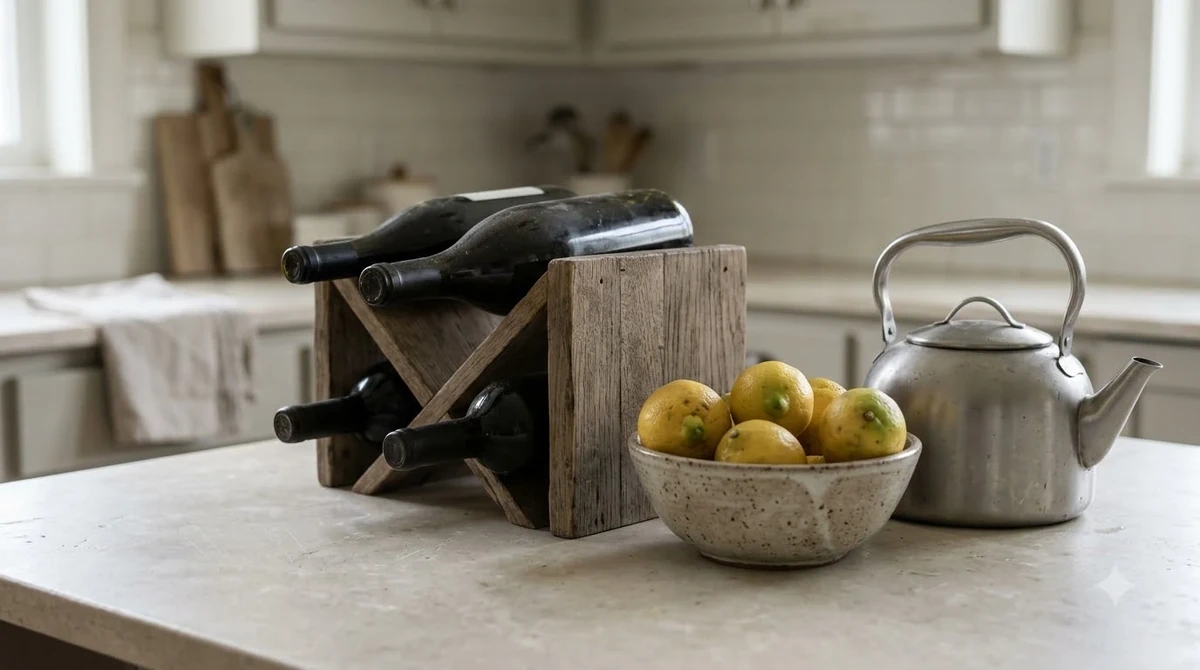
Why it stands out: Kitchen design references note that corner cabinets often use lazy susans or turntables, and tray slides can move sideways and front to back in blind corners. A round turntable spins the bottles to you, which removes the guesswork of finding a label in the dark. Tray slides work well when the corner is deeper than average and the bottles need a flat, stable base.
Keep in mind and best for: A lazy susan costs more than a basic shelf, and it needs a round or wedge-shaped base that matches the cabinet opening. Heavy bottles on a turntable can unbalance it, so spread the weight across the base and keep the tallest bottles near the center. This style suits corners that currently hold forgotten bottles.
Best for Narrow Gaps: Slim Vertical Dividers
Narrow gaps beside the range, the fridge, or a cabinet end often waste three or four inches of width. A slim vertical divider rack can turn that gap into a storage column for standing bottles.
Why it stands out: A slim column makes the most of space that is otherwise unused. Because the rack stands bottles upright, it takes very little floor space and can be fixed to the side of a cabinet or the wall. Vertical storage works for bottles you plan to drink in the next few weeks, which is the typical use of an everyday kitchen collection.
Keep in mind and best for: Upright storage is not ideal for long-term cellaring, since the cork can dry out over time. Bottles in a narrow column can also lean if the rack is not properly seated, so choose a model with a front lip or a fixed divider. This style suits open bottles and the everyday wines that you use within a few weeks.
Best for Deep Drawers: Tiered Drawer Racks
Deep drawers can hold a surprising amount of wine when the rack is built to use the full height. Tiered drawer racks stack bottles in rows that stay within reach when the drawer is pulled out.
Why it stands out: A tiered rack uses the height of a deep drawer, which keeps the counter clear. The drawer carries the rack’s weight, so you get the benefit of the slide without a separate installation. It also keeps the bottles away from the cabinet door, where small temperature swings can be stronger.
Keep in mind and best for: A full tiered rack is heavy, so confirm that the drawer and its slides can handle the load before you fill it. Tiers that are too high can scrape the drawer front when it opens. This style suits collectors who keep a few cases in a deep drawer and need a clean front face.
How to Choose
Start with the cabinet itself. Measure the inside width, height, and depth, then check where the hinges and shelves sit, since they often limit how far an insert can extend. Next, decide how you open bottles. If you use the same few bottles every week, an easy-access drawer or a turntable is worth the extra cost. If you only keep a few bottles on hand, a slim fixed rack may be enough.
Tip: Measure the tallest bottle you buy, including magnums, before you order. A rack that fits a standard 750 ml bottle can still fail on a taller one.
Check the weight rating and the material as well. Metal and wood racks hold weight differently, and a slim insert can flex under a full load if it is not braced. Look for a frame that stays firm when you add a full row, and avoid thin shelves that bend when you lift a bottle out.
Frequently Asked Questions
How deep should a kitchen cabinet wine rack insert be?
Base cabinets are commonly around 24 inches deep, and wall cabinets are commonly around 12 inches deep, according to the Kitchen cabinet reference. Measure your own cabinet, since older kitchens and custom work may differ.
Can a wine rack insert go in a wall cabinet?
Yes, but wall cabinets are shallow, so the insert should be designed for that depth. Bottles in a wall cabinet often fit horizontally with a slim fixed shelf, while taller bottles may need a different spot.
Is a pull-out wine rack worth the cost?
A pull-out rack makes the back bottles easy to reach and suits a base cabinet well. It costs more than a fixed shelf, so it is most useful when the cabinet holds a large number of bottles.
Where should wine be stored in a kitchen?
Keep wine away from the stove, the oven, and direct sunlight, since heat and light can affect the wine over time. A cabinet away from the range is usually a better spot than one directly above the cooktop.
If the insert is a small part of a larger plan, the wine rack cabinet guide covers built-in cabinets, and the under cabinet wine glass rack guide suits glassware. For a sense of how much storage you need, the how many bottles in a case of wine guide explains case sizes, and the Racks & Storage section lists more options.
More in Racks & Storage
 Best Wine Barrel Racks for Distinctive Bottle StorageUpdated Nov 20, 2026
 Best Wine Storage Tower: Sizing, Protection and Room LayoutUpdated Nov 18, 2026
 Best Pyramid Wine Rack: Materials, Sizes and Where It FitsUpdated Nov 18, 2026
 Best 16 Bottle Wine Rack Options for Kitchens, Bars and CellarsUpdated Nov 18, 2026
 Best 48 Bottle Wine Rack Options for Cellars, Kitchens, and Tight SpacesUpdated Nov 18, 2026
 Best 30 Bottle Wine Rack Styles for Large CollectionsUpdated Nov 18, 2026