
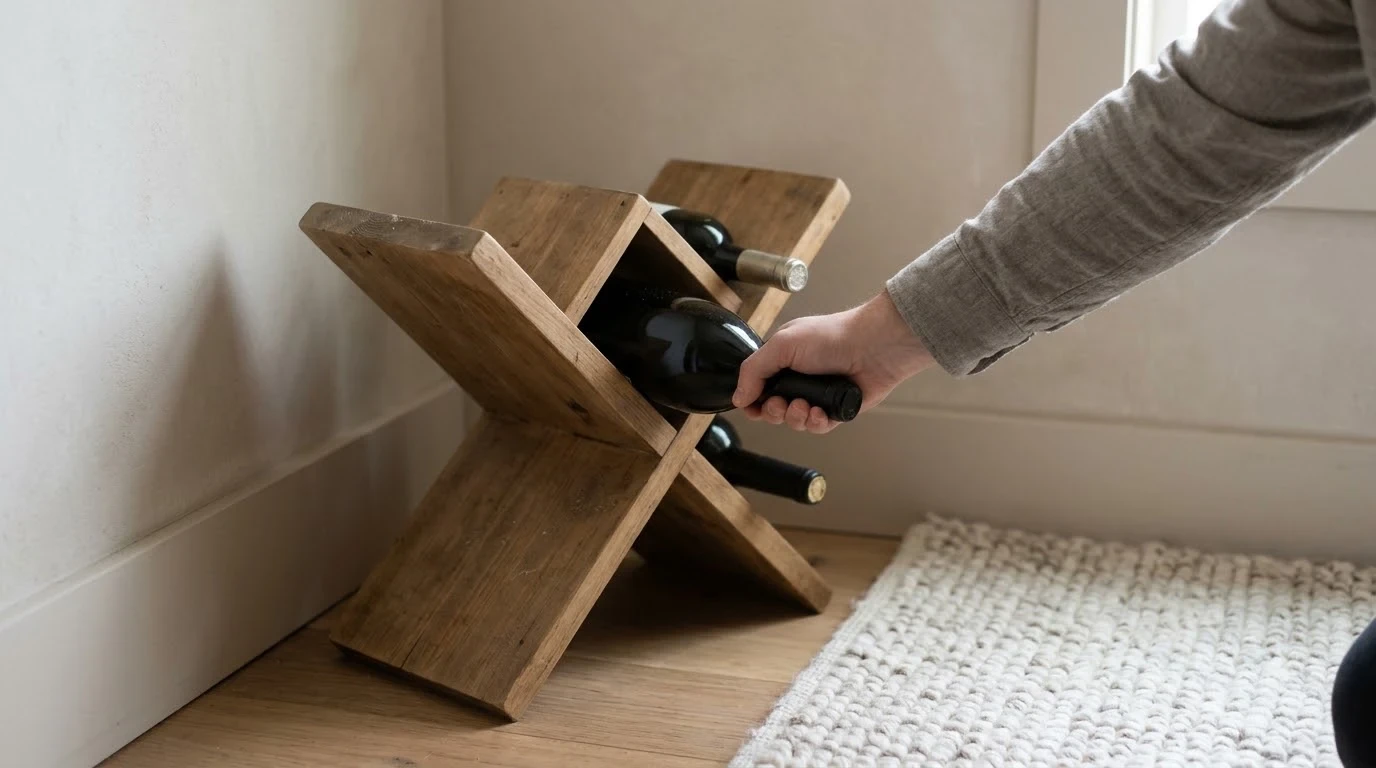

We may earn a commission when you buy through links on this page, at no extra cost to you. Learn more.
The best wine rack cabinet for most homes is a freestanding bar cabinet with integrated horizontal bottle cubbies, stemware racks, and enclosed storage for glassware and accessories. If you want to age collectible bottles for several years, a temperature-controlled refrigerated cabinet protects against heat and humidity swings, while small apartments benefit most from slim vertical tower cabinets. Larger dining rooms and open-concept spaces are better served by wide buffet sideboards that double as serving stations.
Unlike open shelving, a dedicated cabinet shields bottles from ambient kitchen light and dust while keeping corkscrews, decanters, and stemware organized behind closed doors. Choosing the right format comes down to how many bottles you keep on hand, whether you plan to age wine long term, and how much floor space your room can spare.
Quick Comparison
Each cabinet style balances bottle capacity, footprint, and serving functionality differently depending on your layout and drinking habits.
| Cabinet Type | Typical Capacity | Footprint | Best Feature | Ideal Room |
|---|---|---|---|---|
| Freestanding Bar Cabinet | 12 to 24 bottles | Medium | All-in-one stemware and spirit storage | Dining or living room |
| Wide Buffet Sideboard | 18 to 36+ bottles | Large | Broad countertop for decanting and serving | Dining room or open kitchen |
| Slim Vertical Tower | 10 to 20 bottles | Small | Tall, narrow profile for tight corners | Apartments or breakfast nooks |
| Temperature-Controlled Cabinet | 24 to 50+ bottles | Medium to Large | Active cooling and steady humidity | Basements or warm climates |
| Corner Wine Cabinet | 12 to 24 bottles | Compact | Triangular back fits unused room angles | Small dining rooms or hallways |
Best for Everyday Entertaining and All-in-One Storage
A freestanding bar cabinet combines horizontal bottle cubbies with overhead stemware tracks and enclosed drawers, giving casual hosts a single hub for wine, spirits, and bar tools.

Why it stands out: This classic furniture piece keeps everything required for pouring a glass within arm’s reach. Most designs place a lattice or individual bottle grid in the lower section, a pull-out shelf or flat counter at waist height for uncorking, and hanging racks above for stemmed glasses. Because the upper doors close over the glassware, your stems stay free of dust and cooking grease between dinner parties.
Keep in mind: Standard cubby holes are usually sized for regular 750ml Bordeaux bottles, which means wider Burgundy, Champagne, or Pinot Noir bottles may feel snug. It is best for households that rotate through one to two cases of everyday wine each month rather than long-term collectors.

- Size
- 47.2"W x 15.8"D x 45.3"H
- Material
- MDF board
- Storage
- 2 drawers, 2 shelves, 2 doors
- Lighting
- LED strip, glass cabinet doors
This tall cabinet keeps drinks, glasses and serving pieces in one place, which makes it a practical choice for regular entertaining. Glass doors and an LED strip show off the contents, while a wide top handles a microwave or coffee station. It can double as a sideboard buffet, and the labeled parts and instructions simplify assembly.
Pros & ConsView
- Wine rack, glass rack and drawers in one unit
- LED strip and glass doors display your collection
- Doubles as a coffee bar or sideboard
- Heavy at about 101 pounds
- Needs roughly 47 inches of floor width
Best for Dining Rooms and Large Gatherings
Wide buffet sideboards offer generous horizontal bottle racks alongside deep drawers and broad tabletop surfaces built for decanting, plating appetizers, or setting up a self-serve tasting bar.
Why it stands out: When you host holiday dinners or weekend brunches, counter space disappears fast. A sideboard solves both storage and serving bottlenecks at once, giving you a sturdy, waist-high surface to line up decanters and ice buckets while keeping extra napkins, foil cutters, and reserve bottles tucked underneath. Many models also feature adjustable interior shelves that accommodate taller liquor bottles or bulky glassware alongside standard wine slots.
Keep in mind: Sideboards require substantial wall clearance and heavy-duty floor support once loaded, as a single full case of wine weighs roughly 35 to 40 pounds. Check out our guide on how many bottles in a case of wine to calculate total weight before placing a large cabinet on older hardwood floors. This format is best for dedicated dining rooms where you want furniture that anchors the space.

- Capacity
- 12 bottle compartments
- Layout
- 3 tiers, 5 open shelves
- Material
- Metal and wood
- Lighting
- LED strip, 60 color modes
With 12 bottle compartments, a large tabletop and open shelves, this three-sided bar table gives a dining room extra serving and storage space. The LED strip offers 60 color modes for evening gatherings, and adjustable feet help it sit level. Numbered parts and clear instructions make a first-time build manageable for most buyers. Leave a little clearance around the base, since the three-sided frame is open.
Pros & ConsView
- 12 compartments store bottles horizontally
- Large tabletop doubles as a serving surface
- Adjustable feet level the base
- Open-style shelves have no doors
- Bottle compartments are limited to 12
Best for Small Apartments and Tight Spaces
Slim vertical tower cabinets maximize bottle density using a narrow footprint, stacking horizontal racks, a small prep drawer, and a top display shelf upward rather than outward.
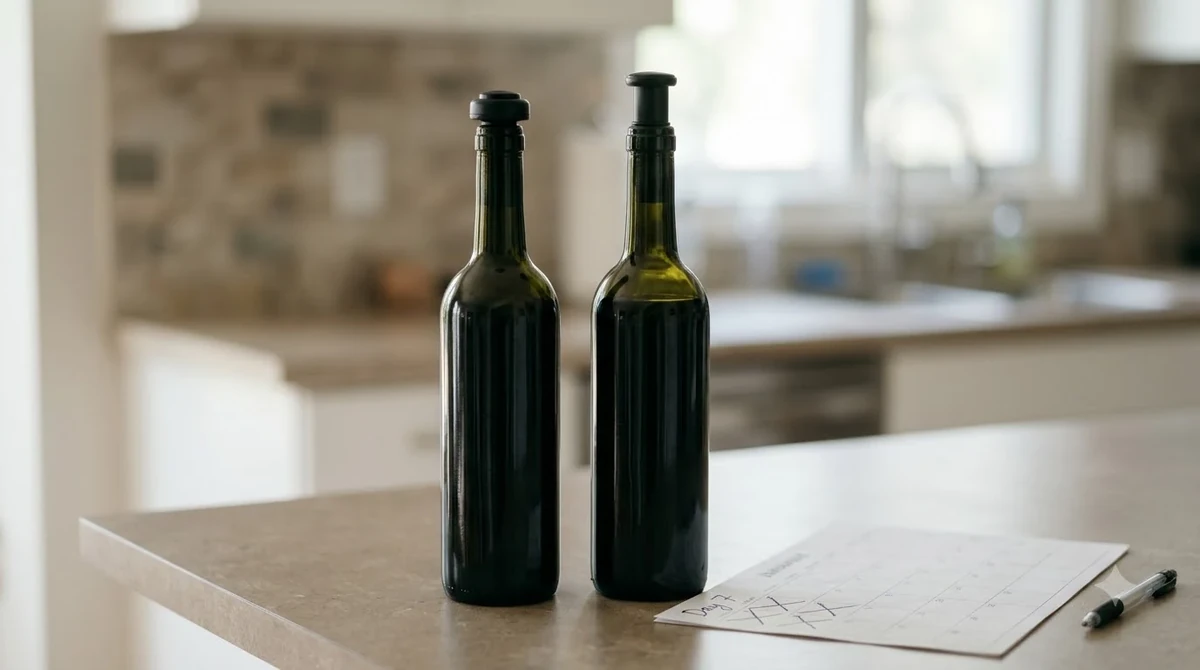
Why it stands out: Floor space is at a premium in urban apartments and compact kitchens, and a tall, narrow cabinet slips easily beside a refrigerator, pantry door, or hallway nook. By building vertically, these units hold 12 to 20 bottles without crowding walkways or requiring a dedicated dining area. Look for designs with a solid wood or steel frame and adjustable leveling feet so the tall silhouette stays steady on uneven flooring.
Keep in mind: Because tall cabinets have a higher center of gravity, always load heavier bottles on the bottom rows and secure the frame to wall studs using anti-tip hardware. If you have zero floor space to spare, a wall mounted wine rack offers an even lighter alternative. Slim towers are best for apartment dwellers building a modest, everyday collection.

- Wine Rack
- Detachable, holds 5 bottles
- Glass Holder
- Detachable, up to 8 glasses
- Material
- Engineered wood, metal frame
- Max Load
- 330 pounds
A retro industrial look suits a small kitchen or dining nook, and the mesh door keeps contents visible and ventilated. The detachable rack holds five bottles and the glass holder takes up to eight stems, so you can configure it around your own needs. A sturdy metal frame and adjustable feet keep it stable on uneven floors.
Pros & ConsView
- Detachable rack and glass holder adapt to your use
- Mesh door with magnetic self-locking latch
- Sturdy metal frame supports up to 330 pounds
- Rack holds only 5 bottles
- Surfaces are hand wash only
Best for Long-Term Aging and Temperature Control
Temperature-controlled wine cabinets pair insulated cabinetry and UV-tinted glass doors with active cooling systems to maintain steady cellar conditions for bottles you plan to age.
Why it stands out: Standard wooden cabinets protect bottles from light, but they cannot stop summer heat waves or dry winter air from damaging wine over several years. As Wine Enthusiast notes, keeping wine near a steady 55 degrees Fahrenheit with moderate humidity prevents corks from drying out and protects against premature oxidation. Active cabinets also use low-vibration compressors or thermoelectric cooling so sediment settles undisturbed.
Keep in mind: Refrigerated units require proper ventilation clearance around the back or front exhaust vents and generate a faint hum when the compressor cycles on. Reviewers at VinePair point out that bottles you plan to drink within a few weeks do not need strict climate control, making active cabinets best for collectors cellaring age-worthy reds and vintage sparkling wines for years.

- Capacity
- 12 bottles, 1 column
- Material
- Solid mahogany
- Bottle Fit
- 2-7/8" to 3-1/2" diameter
- Design
- Stackable, 4 feet long
A passive rack rather than a cooled cabinet, this one suits collectors who already have a cool, dark spot for bottles. Solid mahogany holds twelve in one column, and a stackable design lets you add columns later. Hidden pre-drilled fasteners keep screws out of sight, and it fits common Bordeaux, Cabernet and Burgundy bottle diameters, so a mixed cellar of standard bottles sits comfortably.
Pros & ConsView
- Solid mahogany with hidden pre-drilled fasteners
- Stackable columns grow with your collection
- Fits common bottle diameters
- No cooling or temperature control
- Single column holds only 12 bottles
Best for Awkward Room Angles and Unused Corners
Corner wine cabinets feature a wedge-shaped back that tucks neatly into 90-degree room intersections, turning dead floor space into an accessible mini bar and bottle rack.
Why it stands out: Corners in dining rooms, breakfast nooks, and living areas often go unused because rectangular furniture leaves awkward gaps behind it. A triangular or pentagonal corner unit sits flush against both walls, giving you angled bottle storage below, a small triangular serving surface in the middle, and glass-front display shelving above. It adds storage capacity without protruding into the main traffic flow of the room.
Keep in mind: Corner layouts naturally limit interior shelf width, meaning you will have less room for wide serving trays or oversized decanters compared to a rectangular sideboard. Always measure both wall edges carefully before ordering to ensure door hinges swing open freely without hitting adjacent trim. This style is best for compact dining rooms that need functional storage without sacrificing walking room.

- Size
- 26.7" x 11.8" x 30.7"
- Tiers
- 5 tiers with glass holder
- Material
- Iron and engineered wood
- Safety
- Anti-tip kit, leveling feet
Awkward corners are where this slim five-tier rack earns its place. Stemware holders, wavy wire sections for bottles and a base panel with guardrails organize drinks in one floor footprint under 12 inches deep. Four leveling feet compensate for uneven floors, and an included anti-tip kit lets you anchor it to the wall for added peace of mind around kids or pets.
Pros & ConsView
- Anti-tip kit anchors the rack to the wall
- Leveling feet handle uneven floors
- Separate zones for stemware and bottles
- Bottle count is not listed
- Floor stand needs wall anchoring for full stability
How to Choose
Start by evaluating where the cabinet will live and how long you intend to keep your bottles before uncorking them. Any cabinet placed near a sunny window, radiator, or oven will expose bottles to heat spikes that accelerate aging and flatten fresh fruit flavors.
- Bottle Orientation: For bottles sealed with natural cork, choose racks that hold bottles horizontally or at a slight downward tilt so the wine stays in contact with the cork and keeps it moist.
- Cubby Dimensions: Look for individual openings at least 3.5 inches wide if you regularly buy Pinot Noir, Syrah, or sparkling wines, which use wider bottles than standard Cabernet Sauvignon.
- Material and Stability: Solid hardwoods like oak, walnut, or mahogany and powder-coated steel resist sagging under heavy loads better than thin particleboard.
- Door Style: Solid wood doors block 100 percent of ambient light, while glass-front doors let you browse labels easily—just make sure glass panels sit away from direct sunlight.
If you only need open bottle organization inside an existing pantry or closet rather than a full piece of furniture, browsing our complete lineup of Racks & Storage or comparing standalone wine rack designs can save both space and money.
Tip: Leave at least 15 to 20 percent of your cabinet’s bottle slots open when you first set it up so you have wiggle room for odd-shaped Champagne bottles and seasonal gift purchases.
Frequently Asked Questions
Should wine bottles be stored horizontally inside a cabinet?
Yes, bottles sealed with natural cork should lie horizontally so the wine stays in continuous contact with the cork. Keeping the cork moist prevents it from shrinking and letting oxygen seep into the bottle. Wines sealed with screw caps or synthetic corks can be stored either horizontally or upright without any risk to freshness.
Where is the best place in a house to put a wine rack cabinet?
Place your cabinet in a cool, dark interior room away from direct sunlight, exterior doors, radiators, and kitchen appliances that generate heat or vibration. A dining room interior wall, hallway nook, or finished basement works much better than a spot right next to a stove or sunny bay window.
Can you store both red and white wine in the same non-refrigerated cabinet?
Yes, both red and white wines age comfortably at the same steady room or cellar temperature between 53 and 59 degrees Fahrenheit. You only need to separate them right before serving by moving white and sparkling bottles into your kitchen refrigerator for an hour or two to chill.
How do I stop a tall wine cabinet from tipping over?
Always load your heaviest bottles on the lowest shelves first to keep the center of gravity close to the floor. In addition, attach the top rear frame of any tall cabinet directly to a wall stud using L-brackets or anti-tip straps, especially if you live in an area with uneven floors or active kids and pets.
Matching your cabinet style to your room layout and drinking pace keeps every bottle protected and ready to pour. Whether you choose a compact corner unit or a full dining room sideboard, prioritizing horizontal cork support and a cool, shaded location will keep your wine tasting just as the winemaker intended.
More in Racks & Storage
 Best Wine Barrel Racks for Distinctive Bottle StorageUpdated Nov 20, 2026
 Best Wine Storage Tower: Sizing, Protection and Room LayoutUpdated Nov 18, 2026
 Best Pyramid Wine Rack: Materials, Sizes and Where It FitsUpdated Nov 18, 2026
 Best Kitchen Cabinet Wine Rack Insert for Built-In Bottle StorageUpdated Nov 18, 2026
 Best 16 Bottle Wine Rack Options for Kitchens, Bars and CellarsUpdated Nov 18, 2026
 Best 48 Bottle Wine Rack Options for Cellars, Kitchens, and Tight SpacesUpdated Nov 18, 2026