


We may earn a commission when you buy through links on this page, at no extra cost to you. Learn more.
The answer to how many bottles in a case of wine is 12 for a standard case of 750 ml bottles, which adds up to about 9 liters. A half case holds 6 bottles, and a case of magnums holds 6 bottles of 1.5 liters, which also comes to 9 liters. Some producers and retailers use other counts, so the listing or label tells you the final number you will receive.
Whether you are stocking a home cellar, planning a dinner party, or comparing prices at a wine shop, the number of bottles in a case is one of the first things worth knowing. This guide explains the common case sizes, how they are counted, and what to check before you buy.
Why the standard case has 12 bottles
The 12-bottle case is the default in the American wine trade. Most still wine is bottled in 750 ml bottles, and twelve of them fit neatly into one shipping carton. Distributors, importers, and retailers all work from the same count, which is why a case of table wine from one shop usually looks the same as a case from another.
A case-count reference from a wine retailer, Vinovest’s guide to case sizes, lists the same 12-bottle standard and six-bottle half case, and it estimates about 60 five-ounce glasses in a standard case. Because wine is sold by volume, a case is really a fixed amount of liquid. Twelve bottles at 750 ml each equals 9 liters, and that 9-liter total shows up again in several other formats. Once you know that figure, it becomes easier to compare case sizes that look different on paper.
Case sizes compared: standard, half, and magnum
Three case sizes account for most of what you will see on a shelf or in an online catalog. The standard case is the reference point, and the other two are simple fractions or multiples of it. Each one is built around a different bottle size, so the bottle count changes even when the total volume stays similar.
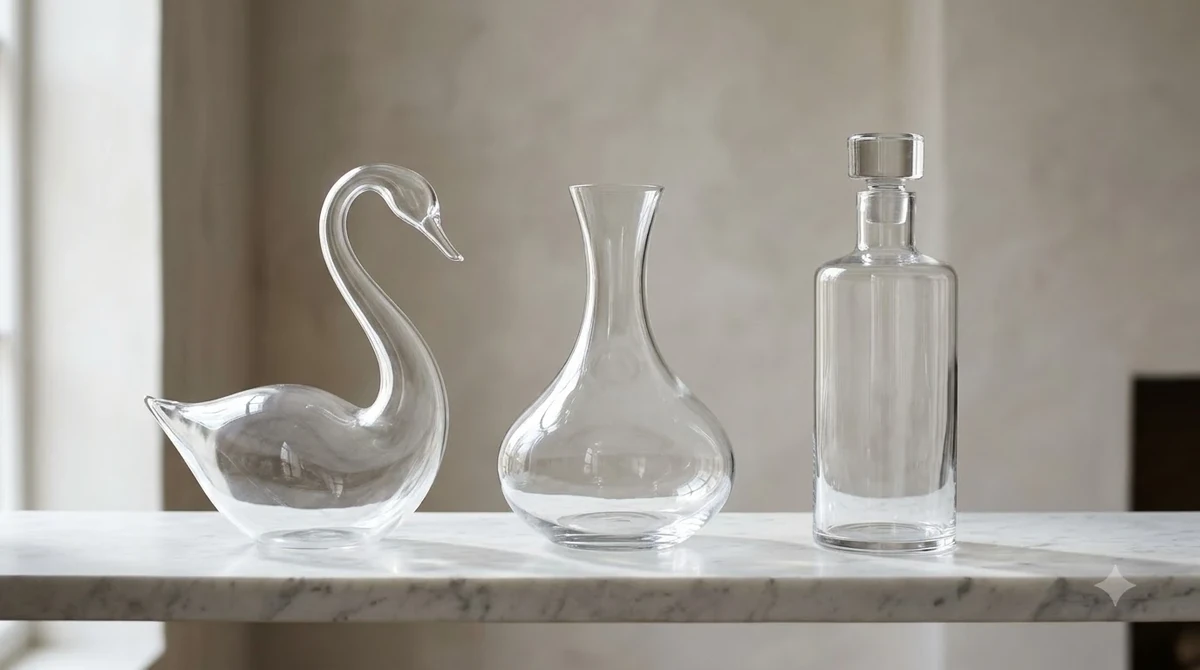
Half cases are popular with people who want variety without buying a full dozen of one wine. Magnums are often chosen for celebrations, and a single large bottle can make a bigger impression at the table than several smaller ones.
| Case type | Bottle size | Bottles per case | Total volume |
|---|---|---|---|
| Standard case | 750 ml | 12 | 9 liters |
| Half case | 750 ml | 6 | 4.5 liters |
| Magnum case | 1.5 liters | 6 | 9 liters |
| Half-bottle case | 375 ml | 24 | 9 liters |
The table shows why a magnum case and a standard case hold the same amount of wine even though they have half as many bottles. A six-bottle magnum case and a twelve-bottle standard case each contain 9 liters, so the choice comes down to how many bottles you want to open, how you plan to serve them, and how easily the bottles fit your storage space. Larger bottles are also heavier, which affects how the case is handled when you carry it home. Price per bottle can look very different across these formats, so compare the total volume before you decide which case is the better deal.
Case sizes for sparkling wine and other formats
Sparkling wine follows the same arithmetic, but the bottle count depends on the bottle size and the seller. Shops that stock both still and sparkling wines often list the count on each product page, so it pays to read the number rather than assume it. Heavier bottles also make shipping costlier, which is one reason some retailers set their own minimum quantities.
Tasting sets and mixed cases are a different category altogether. A mixed case gives you 12 bottles of different wines, which is useful for trying a range of styles. Because these are assembled by the seller, the exact contents and bottle count are set by the listing rather than by a universal rule.
How many glasses are in a case
A case is also a useful way to plan how much wine a group will need. Using the common U.S. standard of a 5-ounce pour, a standard 750 ml bottle holds a little more than five glasses. That means a 12-bottle case holds roughly 60 glasses, and a half case holds about 30.
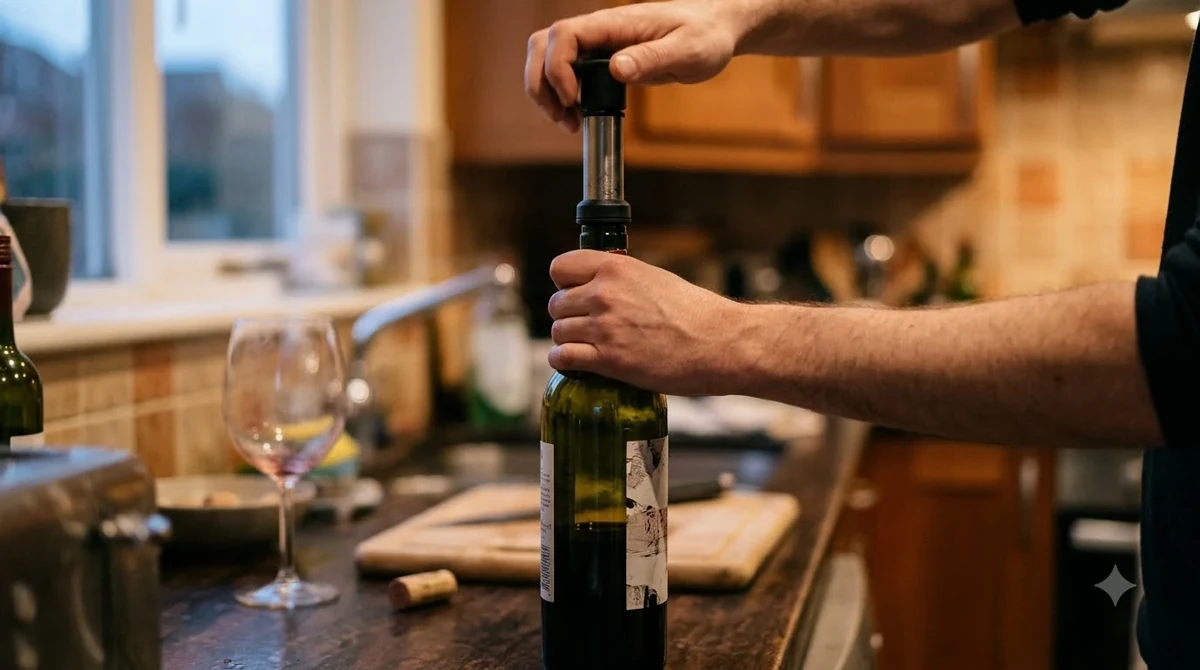
Your own pour will vary, and restaurants often serve a bit more or less depending on the glass. For a dinner party, it helps to count the total pours your guests will likely drink, then divide by the bottle count, adjusting for how long the evening runs and what else is being served. If you want the math for a single bottle, see our guide on how many glasses are in a bottle of wine.
Glass size changes how a pour looks but not how much wine a bottle holds. A large bowl can hold far more than a small one, so two people can each pour what seems like a normal glass and drink very different amounts. Measuring pours helps when you are hosting, because it turns a vague guess into a number you can plan around.
Buying by the case and what to check
Buying a full case often lowers the price per bottle, and many shops offer a discount for a mixed case of six or twelve. The savings are real for wines you already know you like, but a case of something unfamiliar can be an expensive gamble. A half case or a mixed case is usually the safer way to explore.
Think about how fast you will drink through the case, too. Twelve bottles of a wine you enjoy can be a good value, but only if the bottles will be opened within a reasonable time. Opened wine keeps for a shorter period than unopened wine, so a case is most sensible when you have a steady group of people to share it with or a plan for the bottles you will open first.
Before you check out, read the listing carefully. Confirm the bottle size, the number of bottles, and whether the case is one wine or a mix. Some online shops also count shipping and handling separately, so compare the total cost rather than the case price alone.
Storing a case at home
If you plan to keep a case for a while, storage matters more than the case count. A cool, dark place with a steady temperature suits most wines. Sudden swings in temperature are harder on wine than a constant temperature that is simply on the warm side, so a closet on an inside wall often works better than a spot near a sunny window. Keep the case out of the reach of children and away from anything that vibrates, such as a washing machine, because constant movement can disturb sediment in older bottles. Keep bottles lying on their sides when they have corks, so the cork stays moist, and avoid spots near heaters, windows, or appliances that give off heat. For an introduction to how wine is grouped and described, the wine basics guide covers the terms you will see on labels.
Frequently Asked Questions
How many bottles are in a case of wine?
A standard case holds 12 bottles of 750 ml each. Some cases are sold as six-bottle halves, and magnum cases hold six 1.5-liter bottles.
How many liters are in a case of wine?
A standard case of 12 bottles at 750 ml each contains about 9 liters. Magnum cases and cases of smaller bottles also come to 9 liters, even though the bottle count is different.
How many glasses of wine are in a case?
Using a 5-ounce standard pour, a 12-bottle case holds about 60 glasses. A half case holds about 30 glasses. Real pours vary with the glass and the person serving.
Is it cheaper to buy wine by the case?
Often it is, because many shops discount full cases and mixed cases. Compare the total cost, including shipping, and check that the wines are ones you are likely to drink.
A case of wine is easiest to understand as a fixed volume split into bottles. Once you know the 9-liter total for a standard case, you can compare half cases, magnums, and other formats quickly. Check the listing for the exact count, and choose the size that fits how much you will drink and how long you plan to keep it.
More in Wine Basics
 Which Rose Is Best for Your Taste, Budget, and Food PairingsUpdated Nov 21, 2026
 Is Cheap Wine Bad? How to Find Bottles Worth DrinkingUpdated Nov 21, 2026
 What To Write On A Wine Gift Tag: Thoughtful Messages For Every OccasionUpdated Nov 21, 2026
 Which Wine Is Best For Weight Loss? Compare Lower-Calorie ChoicesUpdated Nov 21, 2026
 What Is The Best Wine For Mimosas? Choose Bubbly That Balances Orange JuiceUpdated Nov 20, 2026
 Which Prosecco Is Best for Your Taste and OccasionUpdated Nov 20, 2026