

We may earn a commission when you buy through links on this page, at no extra cost to you. Learn more.
The best Bordeaux wineries are found across a handful of sub-regions, and the right choice depends on the style you want: Cabernet-led blends from the Médoc and Graves on the Left Bank, Merlot-led reds from Saint-Émilion and Pomerol on the Right Bank, or sweet white wines from Sauternes. This guide explains how those areas differ, which estates carry the most historical weight, and how to plan a visit or a purchase around your taste.
Bordeaux is one of the largest fine wine regions in the world, and its wineries, called châteaux, cover a wide range of styles and price levels. The region’s geography, split by the Gironde estuary and its two rivers, shapes what grows where. Knowing the sub-regions first makes the rest of the wine list much easier to read.
This page covers the main Bordeaux sub-regions, the estates most often cited in the region’s history, and practical ways to choose. If you are comparing destinations, see our guides to best Temecula wineries and best Fredericksburg wineries, which show how other regions differ.
Quick Comparison
Most Bordeaux wineries sit in one of two broad banks of the region, with sweet whites set apart in Sauternes. The table below compares the main areas so you can decide where to focus.
| Area | Bank | Main grapes | Typical style |
|---|---|---|---|
| Médoc | Left Bank | Cabernet Sauvignon, with Merlot | Structured, firm red blends |
| Graves | Left Bank | Cabernet Sauvignon for reds; Sauvignon blanc and Sémillon for whites | Red blends and dry whites |
| Saint-Émilion | Right Bank | Merlot, with Cabernet Franc and Cabernet Sauvignon | Plush, Merlot-led reds |
| Pomerol | Right Bank | Merlot-dominant | Rich, concentrated reds |
| Sauternes | Left Bank (south) | Sémillon, Sauvignon blanc, Muscadelle | Sweet whites affected by noble rot |
How the Left and Right Banks Differ
The Left Bank lies on the west side of the Garonne and includes the Médoc and Graves. Cabernet Sauvignon leads most blends here, usually with Merlot. The Right Bank lies north of the city on the Dordogne side, around Libourne, where Merlot is the dominant grape. Wines from the two banks often taste different even at the same price point: Left Bank blends tend to show firmer tannins and structure, while Right Bank wines are often softer and rounder.
The region’s historical classification also reflects these differences. The Wikipedia Bordeaux wine entry explains that the 1855 classification was made at Napoleon III’s request for the Exposition Universelle in Paris, and it ranks red wines of the Médoc and the sweet wines of Sauternes-Barsac. Its first-growth estates include Château Lafite Rothschild, Château Margaux, Château Latour, Château Mouton Rothschild, and Château Haut-Brion in Graves. Château d’Yquem is the only superior first growth among the Sauternes estates.
Best for Classic Left Bank Structure
If you like wines with firm tannins, dark fruit, and a long finish, the Médoc is the place to start. Its gravel soils and Cabernet-led blends produce wines that often reward cellaring. The famous 1855 first growths are all in this area, which is why many visitors plan their trips around the Médoc’s estates.
Graves offers a useful contrast. Its reds are also Cabernet-led, but the area is also known for dry white wines from Sauvignon blanc and Sémillon. Pessac-Léognan, a well-known district within the wider Graves zone, is often cited for both red and white estates. If you want to taste both colors in one area, Graves is a good choice.
Best for Plush Right Bank Merlot
Saint-Émilion and Pomerol are the Right Bank names most often linked to Merlot. The wines tend to be softer and fuller in texture, with plum and dark-berry character and a velvety feel. Pomerol is known for small, highly regarded estates, while Saint-Émilion offers a wider mix of châteaux and villages within the same appellation.
Visitors who prefer a rounder, more approachable style often find Right Bank wines an easy entry point. Many châteaux here are small, so tastings and visits may need advance booking, and it is worth asking staff which vintages they pour.
Best for Sweet Sauternes
Sauternes is a separate world within Bordeaux. Its sweet whites come from Sémillon, Sauvignon blanc, and Muscadelle, and their sweetness develops when noble rot concentrates the grapes. The region is best known for Château d’Yquem, the only superior first growth in the Sauternes classification.
Sauternes wines are often served with dessert or with rich cheeses, and they are a good choice for a different kind of tasting. Because the style is unusual, ask for a small pour and a short tasting note from the staff before you commit to a bottle.
Best for Mixed Flights and Regional Variety
If you want to compare several areas, the Entre-Deux-Mers and the Bordeaux appellations outside the famous districts offer a broader range at more approachable price points. The Bordeaux wine council’s website notes that many châteaux in the Entre-Deux-Mers make Merlot-dominant wines, and the area is often a practical place to taste a wide selection without visiting the most famous estates.
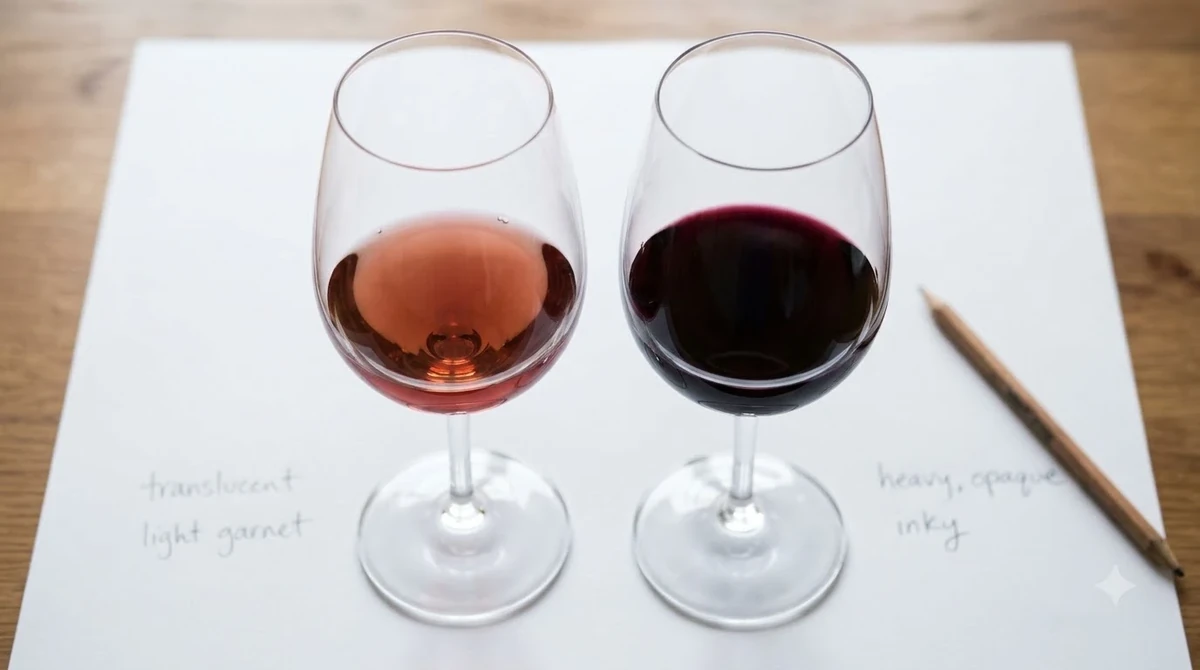
A mixed flight lets you compare banks side by side. Try a Médoc, a Saint-Émilion, and a Sauternes in one tasting, so you can see how grape choice and climate shape each style. Pour order matters too. Most tasters start with the lighter, younger wines and finish with the most structured reds, so the palate is not overwhelmed before the richer bottles arrive. If a sweet wine is on the list, many people save it for last or taste it alongside a simple dessert, since its intense sweetness can make drier wines poured afterward taste sharper than they are.
How to Choose
Start with the style you enjoy and the amount of structure you want. Use the table below as a guide when you plan a visit or pick a bottle.
| If you prefer | Look at | Why |
|---|---|---|
| Firm, structured reds | Médoc | Cabernet-led blends with firm tannins |
| Softer, rounder reds | Saint-Émilion, Pomerol | Merlot-led style |
| Dry white wines | Graves and Pessac-Léognan | Sauvignon blanc and Sémillon |
| Sweet, dessert-style wines | Sauternes | Noble rot concentrates the sugar |
| A broad, approachable range | Entre-Deux-Mers and regional appellations | Wide choice at more varied prices |
Tip: Bordeaux labels can be dense. Check the appellation and the producer’s name rather than the château name alone, since the same estate may use different names across lines.
Frequently Asked Questions
What is the difference between the Left Bank and Right Bank?
The Left Bank, including the Médoc and Graves, is led by Cabernet Sauvignon and tends to produce firmer, more structured reds. The Right Bank, including Saint-Émilion and Pomerol, is led by Merlot and tends to produce softer, rounder wines.
Which Bordeaux estates are the most famous?
The 1855 classification includes first growths such as Château Lafite Rothschild, Château Margaux, Château Latour, Château Mouton Rothschild, and Château Haut-Brion. Château d’Yquem is the top-rated estate among the Sauternes wines.
Do I need to book a visit to a Bordeaux winery?
Many châteaux welcome visitors by appointment, and smaller estates often require advance booking. Check each winery’s website or contact details before you travel, since policies differ widely.
What is Sauternes known for?
Sauternes is known for sweet white wines made from Sémillon, Sauvignon blanc, and Muscadelle. The sweetness develops when noble rot concentrates the grapes, and the wines are typically served with dessert or rich cheese.
Bordeaux rewards a planned visit. Pick the bank that matches your taste, decide whether you want reds, whites, or a sweet wine, and book ahead for the smaller estates. For more on choosing and buying wine, see our wine buying guide, and drink responsibly by arranging a designated driver or ride service.
More in Wine Buying Guides
 Riesling Gift: Choose a Bottle They’ll LoveUpdated Nov 21, 2026
 Sweet Red Wine Gift: Choose a Bottle They’ll LoveUpdated Nov 21, 2026
 Malbec Gift: How to Choose a Memorable Bottle for Any OccasionUpdated Nov 21, 2026
 Sherry Gift Ideas That Match Every Wine LoverUpdated Nov 21, 2026
 Moscato Gift: How to Choose a Sweet Wine They’ll LoveUpdated Nov 21, 2026
 Merlot Gift: How to Choose a Bottle They’ll AppreciateUpdated Nov 21, 2026