

We may earn a commission when you buy through links on this page, at no extra cost to you. Learn more.
The best apartment wine fridge is usually a compact single-zone or dual-zone model between roughly 12 and 40 bottles that fits a counter, a kitchen nook or a living room corner without blocking a walkway. Apartment living changes the priorities: floor space is limited, noise travels through shared walls, and the fridge often has to sit near the kitchen or living area where people spend time. Size, quiet operation and a sensible temperature range matter more than a large bottle count.
Apartments reward careful planning. A wine fridge that works well in a detached house may be too loud, too deep or too tall for a small kitchen or studio. This guide compares the main types of apartment wine fridges, explains which features matter most in a small space, and answers the questions renters and condo owners ask most often about placement and storage.
Quick Comparison of Apartment Wine Fridge Types
Most apartment buyers choose from a few types. The differences come down to footprint, how many bottles fit, and whether the unit can be built in or only stands freely. The table below summarizes the trade-offs.
| Fridge type | Footprint | Typical use | Main trade-off |
|---|---|---|---|
| Countertop compact | Narrow, fits a counter corner | Studios and small kitchens | Fewer bottles, less temperature zoning |
| Freestanding single-zone | Slim, under-counter height | Storing wine at one serving temperature | One temperature for all bottles |
| Freestanding dual-zone | Slightly wider and taller | Reds and whites at different temperatures | Takes more floor space |
| Under-counter built-in | Matches cabinet opening | Clean look in a renovated kitchen | Needs a fitted space and may not be allowed in every rental |
| Tall stand-alone | Tall, narrow column | Larger collections where floor space is available | Can tip if not secured on a level floor |
Best for Studios and Small Kitchens
A compact countertop or slim freestanding unit is the most practical choice when the kitchen is small and every square foot is used. These models hold a modest number of bottles, which suits a household that drinks a few bottles a week and does not keep a long-term cellar. They sit in a corner or next to the refrigerator without needing a dedicated cabinet.
Why it stands out: A narrow footprint fits almost any counter or kitchen nook, and the purchase cost is usually lower than a large dual-zone model.
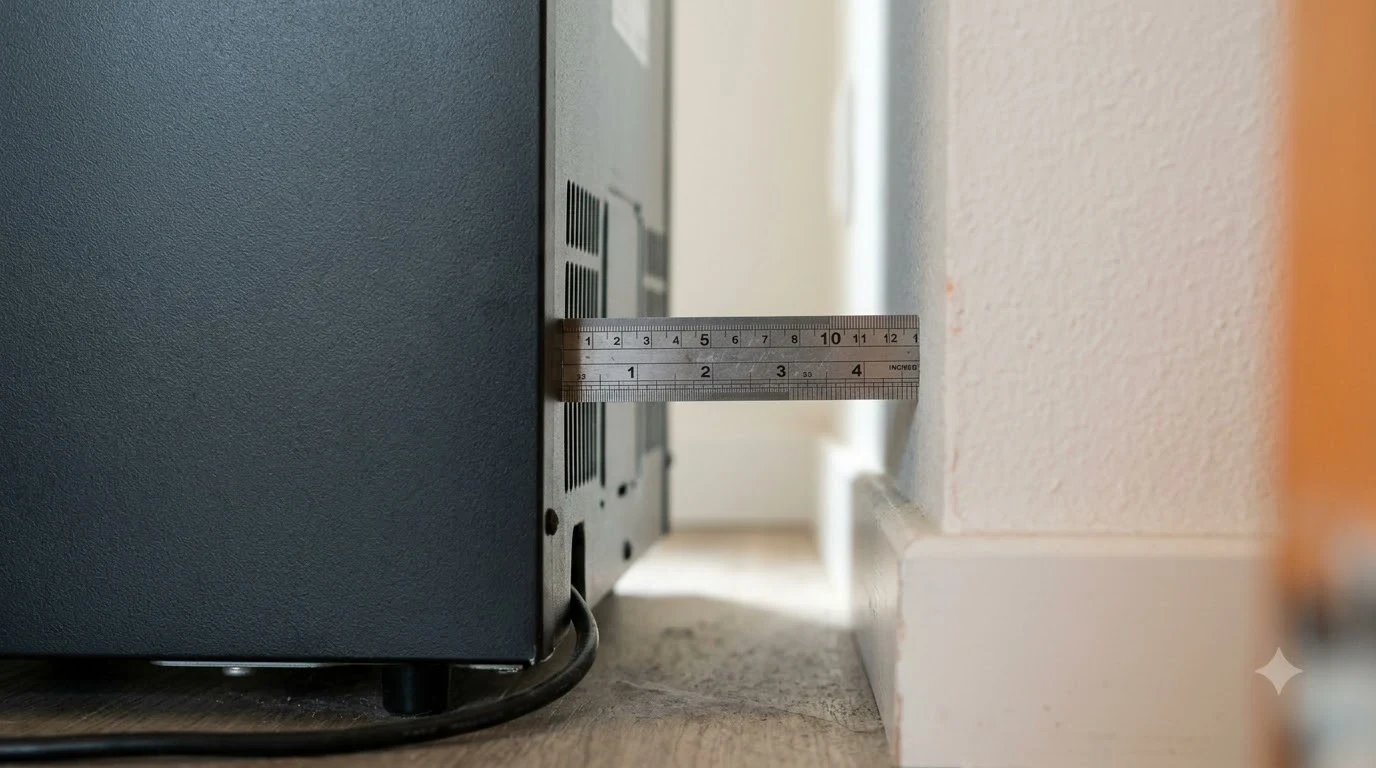
Keep in mind: Compact units often run one temperature for the whole interior. Check the top and sides for ventilation clearance, since a unit pressed against a wall can work harder and run warmer.
Best for: Renters in studios or one-bedroom units who want wine within reach without a large appliance.
Best for Living Rooms and Open-Plan Spaces
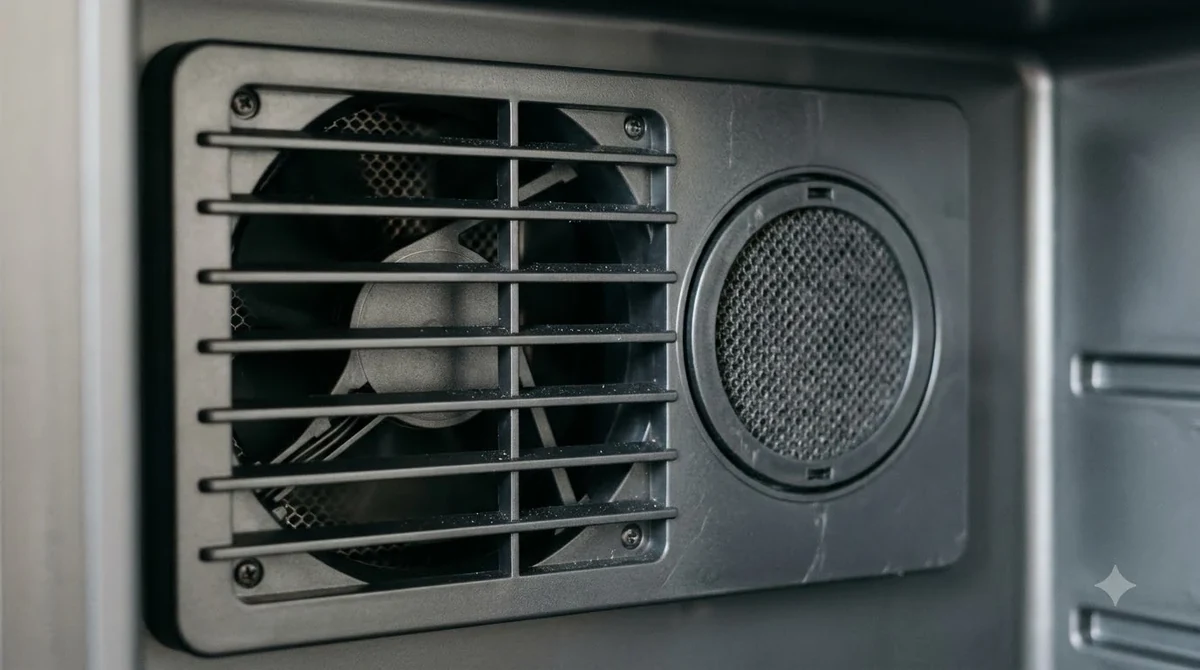
In open-plan apartments, the wine fridge is often seen from the dining or living area, so appearance matters as much as capacity. Glass-door models with interior lighting show the bottles and suit a room that doubles as a dining space. Placing the unit against an interior wall away from the sofa and television keeps the sound of the compressor out of the main seating area.

Why it stands out: A visible collection doubles as décor, and a glass door lets guests choose a bottle without opening the unit.
Keep in mind: Glass doors let in light, which is not ideal for long-term storage. Keep the unit out of direct sun and away from heat sources such as ovens and radiators.
Best for: Apartments where the wine fridge is part of the living or dining space.
Best for Quiet Operation in Shared Buildings
Noise is the most common complaint in shared buildings, because a compressor hum or a fan can carry through a wall to a bedroom or neighboring unit. Quiet models use better insulation and vibration control, and some are designed to run at a lower sound level. A thermoelectric model is quieter in operation but cools less than a compressor model, so it suits rooms that stay cool.
Why it stands out: A quiet unit makes it possible to keep the fridge in a bedroom-adjacent room or a studio without disturbing sleep.
Keep in mind: Thermoelectric units depend on the room temperature. In a warm apartment in summer they may not reach a useful serving temperature for white wine.
Best for: Light sleepers and anyone sharing a wall with another household.
Best for Storing Wine at Two Temperatures
Dual-zone models let reds and whites sit at different temperatures. This is useful in a small apartment where one fridge has to handle both everyday drinking and bottles kept for a few months. Each zone has its own thermostat, so the colder section can hold white and sparkling wine while the warmer section keeps red wine closer to serving temperature.
Why it stands out: Two zones cover the most common serving needs without buying two appliances, which saves space in a small kitchen.
Keep in mind: Dual-zone units are wider and taller than single-zone models. Measure the planned location carefully before ordering.
Best for: Couples and roommates who drink both red and white regularly.
Best for Built-In Looks in Renovated Kitchens
Under-counter built-in models fit a cabinet opening and give a clean, integrated look. They suit owners who have renovated a kitchen and want the wine fridge to match the other appliances. Built-in installation usually requires a fitted space with proper ventilation at the front or top, so this option is best for owners rather than renters.
Why it stands out: A built-in unit looks like part of the kitchen and frees counter space that a freestanding model would use.
Keep in mind: Confirm the cabinet opening, the ventilation requirement and any warranty terms before cutting the cabinet. Some rental agreements do not allow permanent changes.
Best for: Owners who want a permanent kitchen upgrade and have a suitable cabinet space.
How to Choose an Apartment Wine Fridge
Start with the space. Measure the width, depth and height of the planned spot, then add clearance for airflow at the back and sides. Many small kitchens have a narrow gap that fits a unit only if the door swing is planned, so check the door direction as well. Next, decide how many bottles you need and whether one temperature will work for both red and white wine.
Noise and placement come next. Test the location in your mind: a unit next to a bedroom wall or a sofa will be heard more than one near the kitchen sink. Finally, consider how the fridge will be moved. A heavy unit may need two people to carry it up stairs or through a narrow entrance.
- Measure the planned spot and leave room for airflow and the door swing.
- Choose single-zone for one serving temperature, dual-zone for red and white.
- Look for a quiet rating or a thermoelectric design for shared walls, and remember thermoelectric units suit cooler rooms.
- Check whether a built-in installation is allowed before choosing that style.
Frequently Asked Questions
What size wine fridge fits an apartment kitchen?
Most apartment kitchens fit a compact or slim freestanding unit that sits under a counter or in a corner. Measure the planned spot first, then compare the width, depth and height of each model against the gap, leaving room for airflow and the door swing.
Is a thermoelectric wine fridge quiet enough for an apartment?
Thermoelectric models run more quietly than many compressor units, which helps in shared buildings. They depend on the room temperature, so they may not cool well in a warm apartment. Check the room temperature in summer before choosing one.
What temperature should apartment wine storage stay at?
Storage references describe a range of about 7 to 18 °C (45 to 64 °F) for wine, with 13 °C (55 °F) cited as ideal for both short-term storage and aging. A dual-zone fridge lets you set a cooler zone for white wine and a warmer zone for red.
Can I keep wine in a fridge without a dedicated wine unit?
A standard kitchen refrigerator runs colder than most wine should be served, and its frequent temperature changes are a concern for storage. A dedicated wine fridge holds a steadier temperature and suits wine kept for more than a few days. For serving, a short stay in a standard fridge is fine.
An apartment wine fridge works best when it fits the space, stays quiet and holds a temperature that suits the bottles. Measure the spot first, then compare the size options. For more ideas on where a unit fits, the guide to wine fridges by room covers common layouts, and the bar wine fridge guide covers larger units for home bars.
For background on storage temperatures, the Wikipedia article on wine cellars describes the range and stability that matter for keeping wine in a home unit.
More in By Room & User
 Wine Fridge in Bedroom: Choose Quiet Storage That Fits Your SpaceUpdated Nov 20, 2026
 Wine Fridge in Living Room: Choose the Right Size, Style, and SetupUpdated Nov 20, 2026
 Wine Fridge In Dining Room: Choose the Right Size and StyleUpdated Nov 20, 2026
 Wine Fridge In Pantry: Choose the Right Size and SetupUpdated Nov 20, 2026
 Wine Fridge In Kitchen: Choose the Right Fit and PlacementUpdated Nov 20, 2026
 Wine Fridge In Garage: Choose a Cooler That Handles Temperature SwingsUpdated Nov 20, 2026