

We may earn a commission when you buy through links on this page, at no extra cost to you. Learn more.
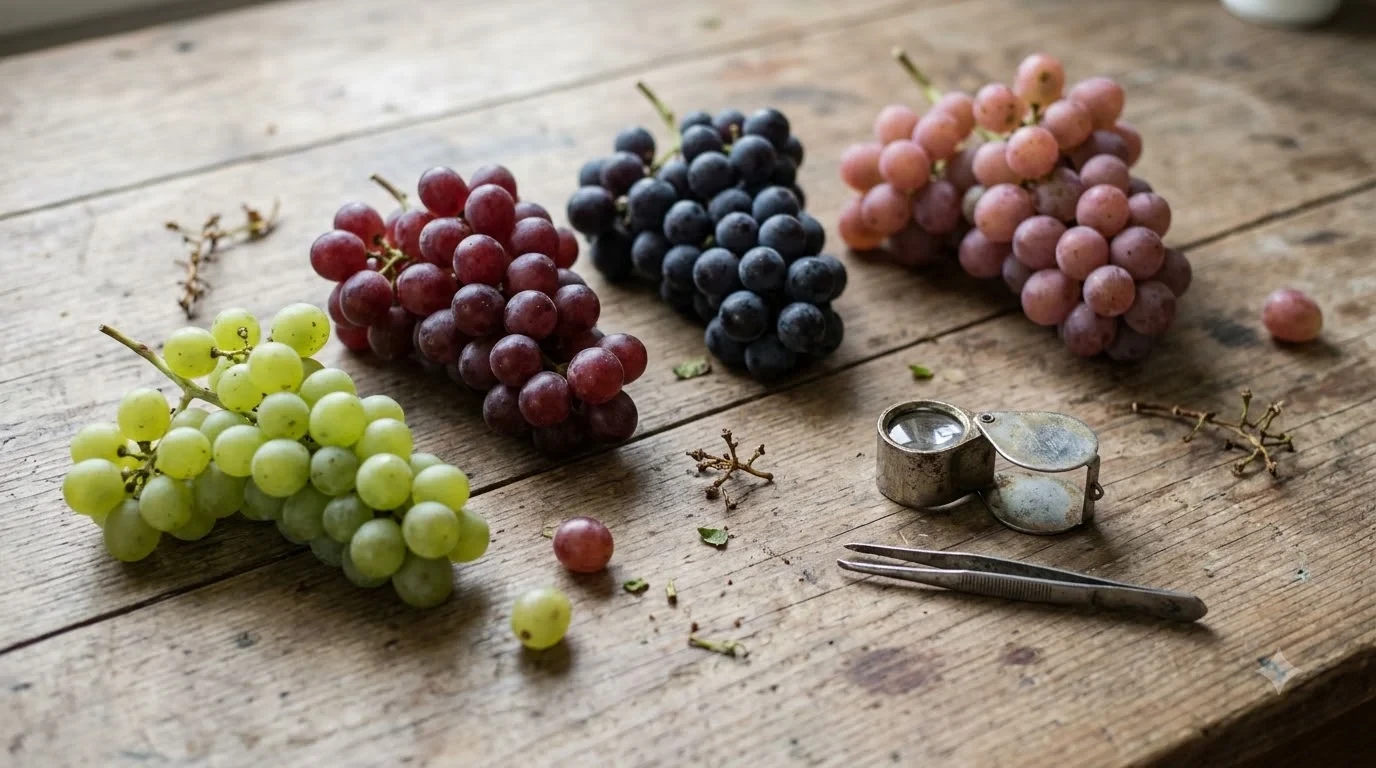
A rkatsiteli grape is a white grape from Georgia that makes dry and semi-sweet whites and traditional amber wines fermented with their skins. Wine Folly calls it Georgia’s ancient and most widespread grape, with roots going back more than 3,000 years. Its flavors lean toward citrus, green apple, and herbal notes, and its acidity is moderate to low, which sets it apart from many crisp whites.
Rkatsiteli is one of the most historic grapes in the wine world, yet many wine drinkers have never seen it on a shop shelf. If you have noticed the name on a bottle from Georgia or Eastern Europe, this guide explains what the grape tastes like, how its styles differ, how to serve it, and which foods work best with it.
Where rkatsiteli comes from
Georgia is the home of rkatsiteli, and Wine Folly describes it as the country’s ancient and most widespread variety. The grape’s history goes back more than 3,000 years, which makes it one of the oldest known grape varieties still grown today. That long history is a large part of its appeal for people who enjoy wines with a clear sense of place and tradition.
Most of the world’s rkatsiteli vines are planted in former Soviet countries. That pattern follows the expansion of viticulture during the Soviet era, and it explains why the grape is common across that part of Europe and Central Asia. Among the regions, Kakheti in eastern Georgia is the most renowned, and it is especially known for qvevri wines made in large clay vessels buried in the ground.
Flavor profile and body
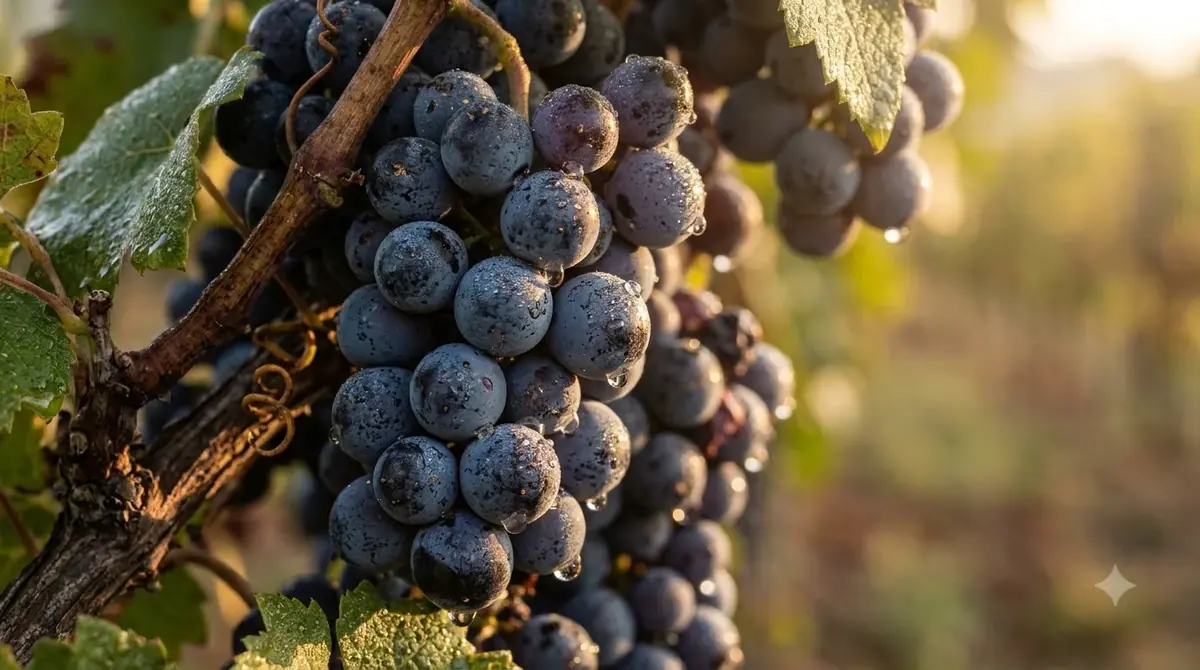
A typical rkatsiteli is a dry white with a medium-light body, no tannins, and medium acidity. Wine Folly’s rkatsiteli grape guide gives an alcohol range of 11.5 to 13.5 percent ABV, which keeps the wine feeling moderate on the palate. The fruit tends to be bright and fresh, with citrus and green apple as the most common notes.
Wine Folly lists pineapple, lime, resin, tarragon, and fennel as primary flavors, which gives the grape a more herbal and savory edge than many familiar whites. The resin and herb notes are often the first thing people mention when they describe the wine, and they make the finish feel distinctive rather than simply fruity.
The acidity deserves a closer look. The grape’s acidity is moderate to low, and Wine Folly notes that producers often blend it with higher-acid varieties or rely on skin contact to add structure. That means a rkatsiteli can taste softer than a crisp Sauvignon Blanc, and that softness is a feature for drinkers who want a white with a rounder texture.
| Feature | What to expect from rkatsiteli |
|---|---|
| Body | Medium-light |
| Tannin | None in the dry style |
| Acidity | Medium to moderate, often softer than crisp whites |
| Main flavors | Pineapple, lime, resin, tarragon, fennel |
| Alcohol (ABV) | 11.5% to 13.5% |
| Home region | Georgia, especially Kakheti |
Dry, semi-sweet, and amber styles
Rkatsiteli is made in several styles, and the differences are large. The dry whites are light and fresh, with citrus and herb character. Semi-sweet versions give a softer, more rounded wine for drinkers who enjoy a little sweetness. The most distinctive style is the amber wine, which is fermented with its skins in qvevri and can show honey, dried apricot, walnut, and earthy notes.
The amber style is the one that surprises most people. Skin contact changes the color and texture, and the wine can feel more layered and textural than a clean white. If you are new to orange or amber wines, start with a dry rkatsiteli before moving on to the skin-contact version, since the amber style takes a little more openness to appreciate.
Tip: Check the label for words such as qvevri, amber, or skin contact. Those terms tell you the wine is the richer, more textured style rather than a light dry white.
How to serve rkatsiteli
Wine Folly recommends serving the dry style at 45 to 55°F (7 to 12°C). That range keeps the citrus and herb notes lively without making the wine taste thin. A white wine glass is the standard choice, though a slightly broader glass can suit richer skin-contact versions because it lets the aromas open.
Amber rkatsiteli can be served a little warmer than the dry style, which lets its honey and dried fruit notes come forward. Decanting is not needed for either style. Wine Folly also gives a cellaring window of three to five years, while noting that some bottles can age longer, so it is safe to keep a bottle for a few years if you have a cool place to store it.
Food pairings that suit rkatsiteli
Wine Folly suggests crisp rkatsiteli for light dishes, since the fresh acidity and herbal notes lift simple food without covering it. For the amber styles, the same source recommends spiced meats and aromatic rice from Lebanese, Turkish, and Iranian cuisines. The acidity also works well with rich foods, including many Persian dishes.
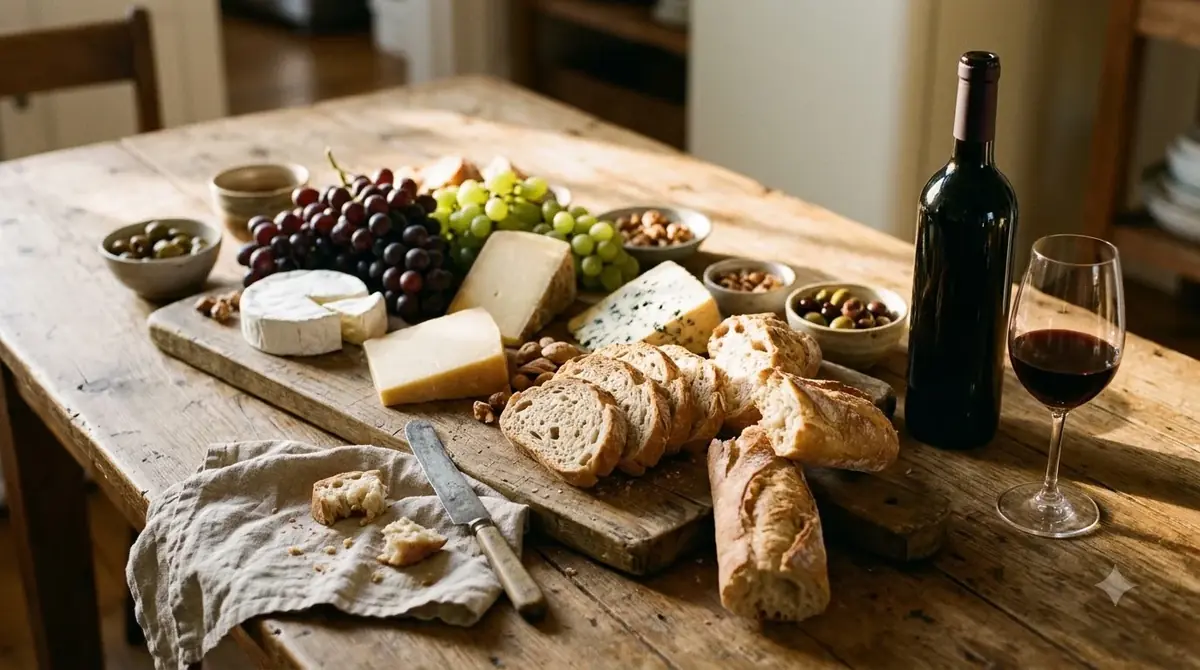
At home, a dry rkatsiteli is a good match for grilled fish, a green salad with herbs and lemon, or soft cheese with fresh bread. An amber style can handle a spiced lamb skewer, a pilaf with saffron and dried fruit, or a dish built on yogurt and herbs. The key is to match the wine’s weight: lighter whites suit light food, while the richer amber styles can stand up to bolder flavors.
How to choose a bottle of rkatsiteli
Start by deciding what you want from the wine. If you prefer a fresh white for simple meals, look for a dry rkatsiteli that mentions citrus, green apple, or herbs on the label. If you want something unusual for a dinner party, an amber rkatsiteli made with skin contact in qvevri will give your guests something to talk about.
Read the back label and the producer’s description, since Georgian labels can differ from those you may know from France, Italy, or Spain. For a useful comparison of how alcohol and structure shape a familiar white, see our guide to kendall jackson chardonnay alcohol content. For broader background on how wines are grouped by brand and origin, the wine brands guide is a helpful next step.
Price and availability can vary widely, so a retailer who knows Georgian wine is worth asking. A short conversation about whether you want a light dry white or a textured amber style will usually lead to a better bottle than picking by label design alone.
Frequently Asked Questions
What does rkatsiteli taste like?
Dry rkatsiteli typically shows citrus, green apple, and herbal notes. Wine Folly lists pineapple, lime, resin, tarragon, and fennel as primary flavors, with a light to medium-light body and no tannins.
Is rkatsiteli a sweet wine?
Not usually. The most common style is dry, and there are semi-sweet versions as well. The amber, skin-contact style is a separate traditional style, and its honey and dried fruit notes can make it taste richer than a clean white.
What is an amber rkatsiteli?
An amber rkatsiteli is a white grape wine fermented with its skins, often in qvevri clay vessels in Georgia. The skin contact gives the wine a deeper color and notes of honey, dried apricot, walnut, and earth.
How should rkatsiteli be served?
Wine Folly recommends 45 to 55°F (7 to 12°C) for the dry style in a white wine glass. Amber styles can be served slightly warmer, and decanting is not needed for either style.
Rkatsiteli is a useful grape for anyone who wants a white wine with history and character. Start with a dry bottle served cool, then try an amber version with a meal that includes spice or herbs. Once you know the grape, a comparison with a more familiar white will show how much its style differs.
More in Wine Brands
 Underwood Wine Price: Compare Bottles, Cans, and Pack SizesUpdated Nov 21, 2026
 Zenato Wine Price: Compare Styles and Choose the Right BottleUpdated Nov 21, 2026
 Zuccardi Wine Price: Compare Bottles and Find the Right RangeUpdated Nov 21, 2026
 Yellow Tail Moscato Review: Taste, Sweetness and Serving TipsUpdated Nov 21, 2026
 Wolf Blass Yellow Label Review: Choose Your Best StyleUpdated Nov 21, 2026
 Wolffer Estate Rose Review: Choose the Right Bottle for Your TableUpdated Nov 21, 2026