

We may earn a commission when you buy through links on this page, at no extra cost to you. Learn more.
Kendall Jackson Chardonnay alcohol content is not printed on the producer’s product listings that were reviewed for this guide, so the exact percentage should be checked on the label. What the producer’s site does show is a broad range of California Chardonnays drawn from several coastal appellations, and the label is the most reliable place to confirm the alcohol by volume for any single bottle. The wine’s body and style also tell you a lot about how strong it will feel on the palate.
Shoppers often ask about alcohol content for a few practical reasons: they want to pace a dinner, plan a gathering, or compare a Chardonnay with a lighter white. This guide explains where to find the number on a Kendall-Jackson bottle, what the brand’s Chardonnay range looks like, and how to think about strength when you are choosing a wine.
Where to Find the Alcohol Content
Every wine sold in the United States must show its alcohol content on the label, usually as a percentage of alcohol by volume near the bottom of the front or back label. For a Kendall-Jackson Chardonnay, that line is the most reliable source, because the same wine can differ slightly from one vintage to the next.
The producer’s Chardonnay product pages list the appellation for each bottle, but they do not state an alcohol percentage in the listings reviewed for this guide. If the label is hard to read or the bottle has already been opened, a retailer’s product page or the producer’s technical sheet for that vintage can fill in the gap.
The Kendall-Jackson Chardonnay Range
Kendall-Jackson offers Chardonnay from several California sources. The producer’s listings include wines labeled for Santa Barbara County, Santa Maria Valley, Russian River Valley, Anderson Valley, Los Carneros, Petaluma Gap, and Arroyo Seco. Each appellation has its own climate, and that climate shapes how ripe the fruit gets and how much acidity it keeps.
The lineup also includes a Chardonnay labeled as unoaked, which is a different style from the oak-influenced bottlings. The name signals that the wine was bottled without oak, so it tends to show brighter fruit and a cleaner finish. Reading the label name before you buy helps you match the bottle to the meal.
What Affects Strength in Chardonnay
Alcohol in wine comes from the sugar in the grapes at harvest. Riper fruit usually produces a wine with more alcohol and a fuller texture, while cooler sites tend to give more acidity and a lighter body. Winemaking choices, such as how long the wine stays in contact with its lees, also change how the wine feels, even though they do not directly set the alcohol number.
The brand’s history is a useful reminder of how styles evolve. Kendall-Jackson was founded in 1982 when a downturn in the grape market led its founders to make their own wine instead of selling grapes. According to the Wikipedia entry for the winery, a stuck fermentation of the 1982 Chardonnay left an off-dry wine that was bottled as it was and became popular. Early success like that shows why sweetness, body, and strength are closely tied together in the minds of many drinkers.
| What you want to know | Where to look |
|---|---|
| Exact alcohol by volume | The back label of the specific bottle |
| Vintage and appellation | The front label and the producer’s product page |
| Oak or unoaked style | The label name and the tasting or technical sheet |
| Body and freshness | The producer’s description and reviews from wine writers |
How Chardonnay Strength Affects Serving
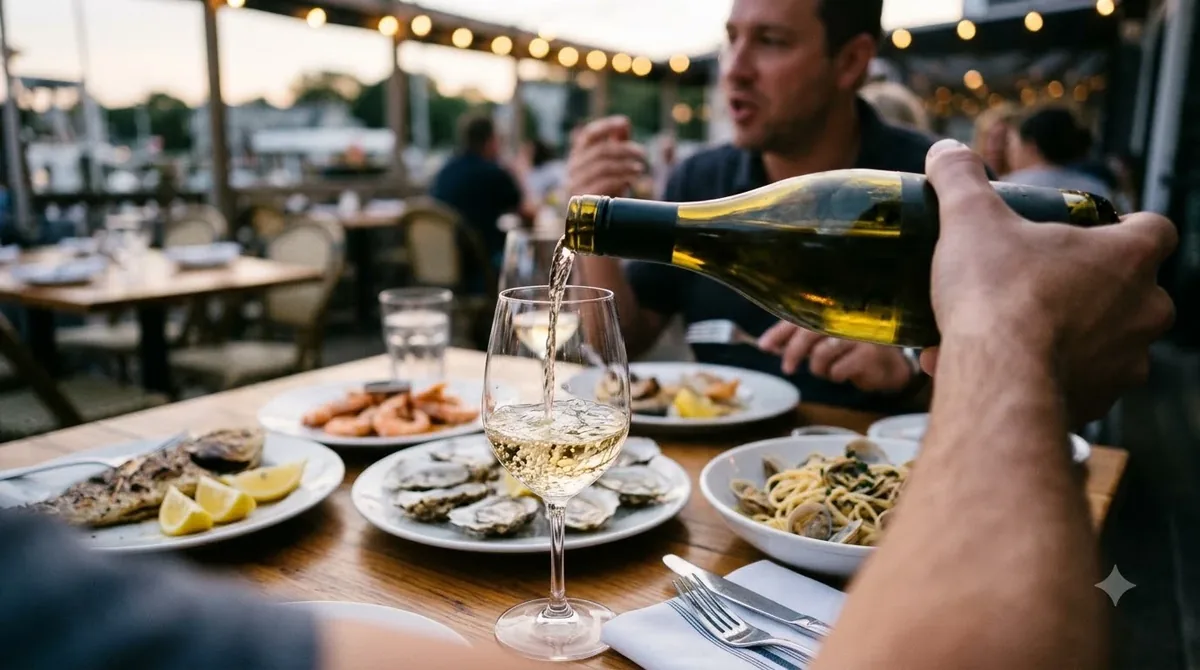
A Chardonnay that is fuller and riper can feel warmer on the palate, so it pairs well with richer dishes and a slightly warmer serving temperature. A lighter, more acidic Chardonnay tends to feel crisp and refreshing when chilled. Serving it at a cool temperature and pouring modest portions can make a wine feel balanced whatever its strength.
If you are hosting, it helps to plan around the total experience rather than one number. Pair a bolder Chardonnay with grilled seafood or roast chicken, and keep a lighter white or sparkling option for guests who prefer something crisp. Water and food also help pace the evening.
Comparing Kendall-Jackson With Other Bottles
People often compare a Chardonnay with other popular bottles on the shelf. The sutter home moscato alcohol content guide covers a much sweeter, lighter style, which is a very different experience from a dry or off-dry Chardonnay. If you are weighing a white against a sweet option, that comparison shows how sweetness and alcohol can change the feel of a glass.
For a red, the kendall jackson red wine page covers the producer’s red side, which can help if you want to stay within one brand but change the style. Shoppers who want a lighter white with a little sweetness may also find the sutter home white zinfandel alcohol content guide useful. Comparing these bottles side by side helps you choose the strength and style that fit the occasion.
Price should not be the only guide either. A bottle with a clear label, a stated appellation, and a producer that explains its style is usually easier to match to a meal than a cheaper bottle with little information. Reading the label takes less than a minute and gives you a far better idea of what will be in the glass.
Across the whole category, the Wine Brands section groups producers and their wines so you can see how one brand’s Chardonnay compares with others.
Buying Tips for a Kendall-Jackson Chardonnay
When you pick up a bottle, start with the vintage. Recent releases can taste brighter and fresher, while an older bottle may show more developed flavors. Then check the appellation on the label, since it signals the climate and the likely balance of fruit and acidity. Finally, read the label name to confirm whether the wine is oaked or unoaked.
Storage also affects how the wine tastes once it is home. Keep the bottle in a cool, dark place away from heat, and reseal any opened bottle tightly and store it in the refrigerator. Chardonnay is usually best within a few days of opening, when its fruit is still fresh and its balance has not shifted.
If you are shopping for a specific alcohol level, buy after checking the back label rather than relying on a general expectation. A reputable retailer will usually display the alcohol percentage in the product details, and that is the most dependable way to match a bottle to your plans.
Frequently Asked Questions
What is the alcohol content of Kendall Jackson Chardonnay?
The producer’s product listings reviewed for this guide do not state an alcohol percentage. Check the back label of the specific vintage you are buying, since the figure is printed there.
Is Kendall Jackson Chardonnay oaked?
The range includes both oak-influenced bottlings and an unoaked Chardonnay. The label name tells you which style you are buying.
Does a riper Chardonnay always have more alcohol?
In general, riper fruit gives more sugar at harvest, which usually leads to more alcohol. Winemaking and vintage conditions also affect the final number, so the label remains the best guide.
How should I serve a Kendall Jackson Chardonnay?
Serve it chilled but not ice cold. A fuller, oaked bottle works with richer dishes, while an unoaked bottle suits lighter meals and seafood.
Kendall Jackson Chardonnay is easy to enjoy once you know where to look. Check the label for the exact alcohol by volume, match the style to the meal, and serve the wine at a sensible temperature. For the brand’s history and the winery’s own background, the Kendall-Jackson Wikipedia entry gives useful context, and the producer’s Chardonnay range page lists the appellations behind the lineup.
More in Wine Brands
 Underwood Wine Price: Compare Bottles, Cans, and Pack SizesUpdated Nov 21, 2026
 Zenato Wine Price: Compare Styles and Choose the Right BottleUpdated Nov 21, 2026
 Zuccardi Wine Price: Compare Bottles and Find the Right RangeUpdated Nov 21, 2026
 Yellow Tail Moscato Review: Taste, Sweetness and Serving TipsUpdated Nov 21, 2026
 Wolf Blass Yellow Label Review: Choose Your Best StyleUpdated Nov 21, 2026
 Wolffer Estate Rose Review: Choose the Right Bottle for Your TableUpdated Nov 21, 2026