

We may earn a commission when you buy through links on this page, at no extra cost to you. Learn more.
Cupcake Moscato is a light, fizzy Italian Moscato d’Asti, made in a noticeably sweet and easy-drinking style. It comes from the Cupcake brand, which is built around approachable wines for casual drinking. The wine is low in alcohol, usually around 5 to 6 percent by volume, and it tastes of peach, pear, and orange blossom, which is why many people choose it for brunch, parties, and dessert.
Moscato is one of the most popular sweet wines in the American market, and Cupcake Moscato is among the bottles shoppers see most often. This guide explains what the wine is, how sweet it tastes, how to serve it, and which foods make the best match, so you can judge whether it suits your table.
What Cupcake Moscato Is
Cupcake Moscato is a Moscato d’Asti, a style named for the Asti area of Piedmont in northwest Italy. The wine is made from the Moscato Bianco grape, which is naturally aromatic and tends to produce soft, sweet, lightly sparkling wines. Moscato d’Asti is partly fermented and then stopped, so it keeps a good amount of natural grape sugar along with a gentle fizz.
The brand sells its wines as approachable, fruit-forward bottles, and the Moscato is one of its best-known styles. It is a wine built for easy drinking rather than careful tasting, although the aromas are still pleasant when you take a moment with the glass.
Sweetness and Flavor
Cupcake Moscato is clearly sweet. Its aromas and flavors lean toward peach, ripe pear, and a touch of orange blossom, with a soft, lightly fizzy texture that keeps the wine from feeling heavy. Drinkers who like sweet wines usually find it balanced, while those who prefer dry wine often find it too sweet.
A Tastings.com review gave a 2021 Cupcake Moscato d’Asti 89 points and a Silver Medal, though it gives no detailed tasting note. That review is older, and the publication itself notes that its quality rating was based on a market sample from the time, so treat it as a snapshot rather than a current verdict. Customer reviews on large retail sites are split on sweetness, with some calling it nicely balanced and others saying it is too sweet to pair with a full meal.

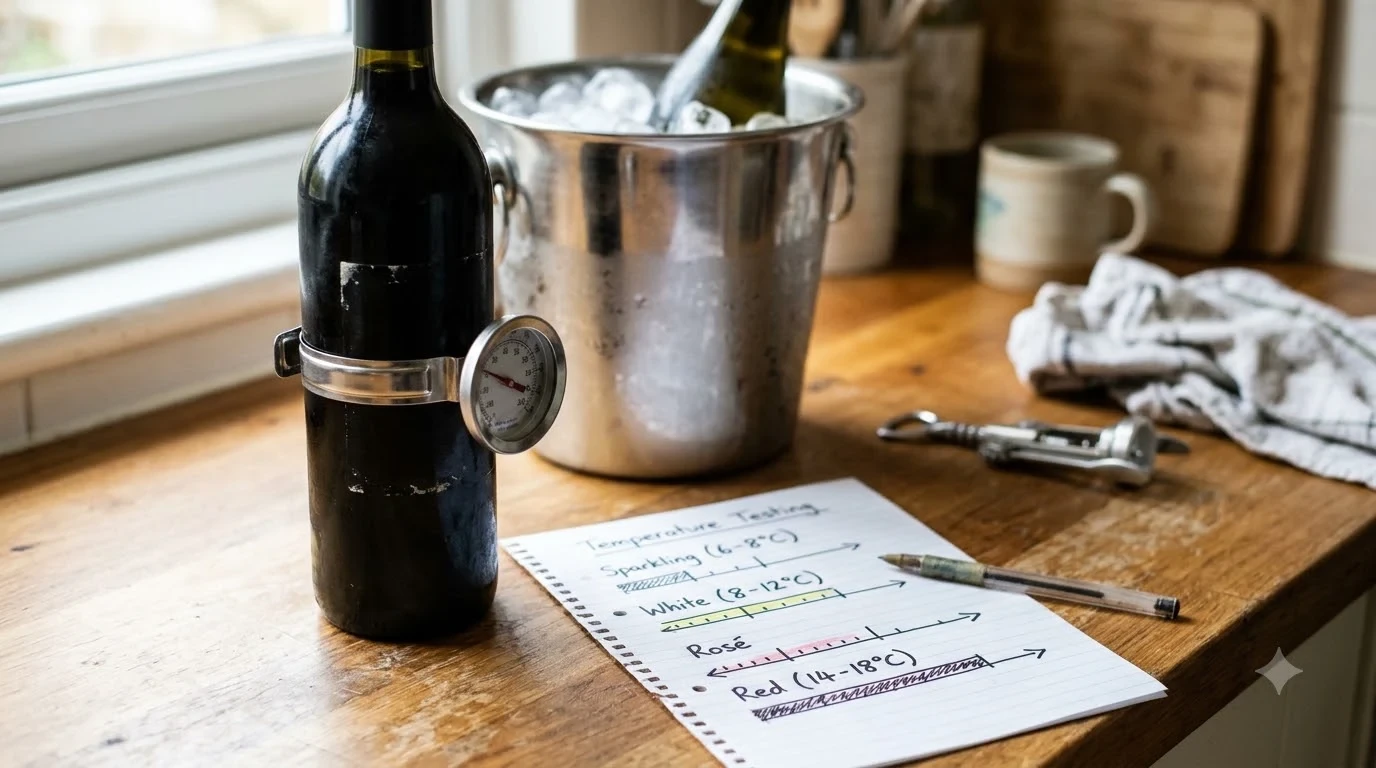
Serving temperature changes how the wine reads. Warmer glasses taste sweeter and flatter, while cold glasses lift the fruit and keep the bubbles lively. That is one reason many people leave the bottle in the refrigerator until the moment they pour.
How Sweet Is Too Sweet?
Sweetness is the main question with Moscato, and it is also the main reason people love or avoid the style. Compared with a dry white such as Pinot Grigio, Cupcake Moscato tastes much sweeter, and it sits closer to a fruity dessert wine than to a crisp table white.
If you usually drink dry wine, start with a small glass and serve it cold. Chilling the wine mutes some of the sugar and keeps the fruit bright, which many newcomers find more enjoyable.
| Trait | What to expect |
|---|---|
| Sweetness | Noticeably sweet, with a soft finish |
| Bubbles | Light and gentle (frizzante style) |
| Alcohol | Low, around 5 to 6 percent by volume |
| Main flavors | Peach, pear, orange blossom |
| Best served | Cold, within a few days of opening |
Sweetness is not always easy to read from the label. Moscato d’Asti is a regional style, so the wording on the front and back of the bottle is worth checking. Sweetness on the palate also depends on how cold the wine is, so a bottle that tastes cloying at room temperature can taste fresher once it is well chilled.
How to Serve Cupcake Moscato
Serve the wine well chilled in a white wine glass or a flute. Pour a moderate amount, since the wine’s lower alcohol makes it easy to share across a group, and keep the bottle in the refrigerator between servings to protect the fizz.
Moscato does not keep well once opened. Drink it within a few days, and recork it tightly. A bottle left out on the counter will lose both its bubbles and its fresh fruit quickly.
Sweet and salty combinations work well with this style. Mild, creamy cheeses with honey or fruit preserves, and simple shortbread or fruit tarts, let the wine’s sweetness sit alongside other flavors instead of standing alone on the table.
Food Pairing Ideas
The sweetness of Cupcake Moscato makes it a natural partner for spicy food, which can feel less heavy when a sweet, lightly fizzy wine is on the table. It also works with fruit desserts, light cakes, and cheese boards with fresh fruit and mild cheese.

For brunch, pair it with fruit salad, pastries, or a simple fruit tart. The wine’s gentle bubbles and low alcohol make it a good option for daytime gatherings, and it works well as a mixer in a light spritz with sparkling water.
Check the label before you buy, because the word Moscato covers several different wines. Moscato d’Asti is a regional style that is traditionally lightly sparkling, while still Moscato bottlings taste quite different. Reading the words on the front and back of the bottle is the quickest way to make sure you are picking the style you expect, especially when you are shopping for a group.
Cupcake Moscato Compared With Similar Wines
Cupcake Moscato sits in a crowded shelf of sweet, fruity wines, and it helps to compare the options before you buy. If you want the same easy style from a different producer, the Barefoot Moscato guide covers another popular bottle in the same category, and the Barefoot Pink Moscato profile explains how the rosé-style version differs.
For more on the brand’s broader lineup and how it fits with other sweet wines, the Cupcake wine guide explains the full range from the house, including its sparkling and red styles.
Moscato is also popular as a base for a light spritz or a brunch mimosa-style drink. Because it is lower in alcohol than most wines, it can be stretched with sparkling water or fresh fruit. Those who want a drier glass might prefer a Prosecco for the same occasion, since it tastes less sweet.
Newcomers to sweet wine often ask whether a Moscato can be served as dessert. In many homes it is, especially alongside fresh fruit. Pour a smaller glass than you would for a table wine, since the sweetness adds up quickly over a long evening, and finish the meal with water so the palate resets.
Frequently Asked Questions
Is Cupcake Moscato sweet?
Yes. It is one of the sweeter styles on the shelf, with fruity, honeyed notes that many drinkers enjoy. Shoppers who prefer dry wine usually find it too sweet.
How much alcohol is in Cupcake Moscato?
Moscato d’Asti is a low-alcohol wine. A professional review of a 2021 Cupcake Moscato d’Asti listed it at 5.5 percent alcohol by volume, which is lower than most table wines.
Is Cupcake Moscato sparkling?
It is lightly sparkling, often called frizzante. The fizz is gentle rather than the strong bubbles of Champagne, so the wine feels soft and easy on the palate.
What should I serve with Cupcake Moscato?
Fruit desserts, light cakes, brunch pastries, and spicy dishes all pair well. Serve it well chilled, and keep the menu simple so the wine’s sweetness and fruit stay in balance.
Cupcake Moscato is an easy choice when you want a sweet, light, and fruity wine that people of many tastes will enjoy. Serve it cold, pair it with fruit or dessert, and keep the bottle chilled between pours. To read more about how the brand approaches its range, see the Wine Brands guide, and drink responsibly.
More in Wine Brands
 Underwood Wine Price: Compare Bottles, Cans, and Pack SizesUpdated Nov 21, 2026
 Zenato Wine Price: Compare Styles and Choose the Right BottleUpdated Nov 21, 2026
 Zuccardi Wine Price: Compare Bottles and Find the Right RangeUpdated Nov 21, 2026
 Yellow Tail Moscato Review: Taste, Sweetness and Serving TipsUpdated Nov 21, 2026
 Wolf Blass Yellow Label Review: Choose Your Best StyleUpdated Nov 21, 2026
 Wolffer Estate Rose Review: Choose the Right Bottle for Your TableUpdated Nov 21, 2026