

We may earn a commission when you buy through links on this page, at no extra cost to you. Learn more.
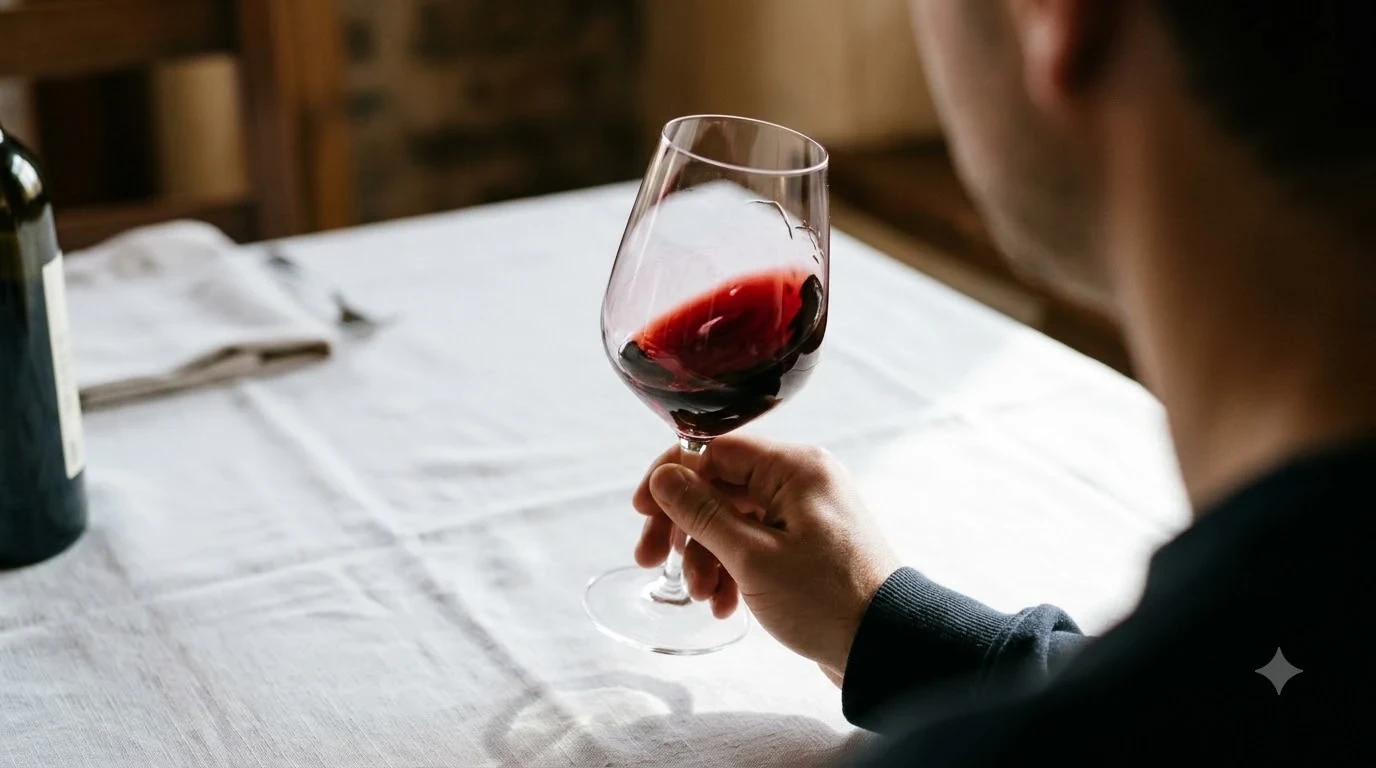
Alamos red wine is easiest to understand through the grape and region behind many Argentine reds: Malbec grown in Mendoza. Malbec is a dark-skinned red that found its strongest home in Argentina, and Mendoza is the province where most of its best-known bottles are grown. Knowing those two facts helps you predict the style of a red from this label before you open it.
Shoppers who search for Alamos red wine usually want to know what the bottle will taste like, whether it suits a dinner, and how it compares with other reds from Argentina or Italy. This guide focuses on the grape, the growing region, and the flavor profile that most Argentine reds share, and it explains what to check on the label so you can judge a bottle with confidence.
What the name on the label tells you
A brand name on the front of a bottle identifies the label, but it does not always tell you the whole story. The producer or bottler line on the back is usually the most reliable detail, because it names the company responsible for the wine. Many brands are made by family-owned wineries that have worked in one region for generations, and the producer’s own website is the best place to confirm the grape, vintage, and winemaking notes for a specific bottle.
The Wikipedia entry on the Catena Zapata winery describes a family-owned winery in Mendoza, founded in 1902 by Italian immigrant Nicola Catena and later passed to his son Domingo. The winery sits in Agrelo, a sub-appellation of Luján de Cuyo, which is useful background if you want to understand how a Mendoza producer approaches its wines. Read the back label to see where your bottle was made before you assume it matches the style described here.
Some labels add extra words such as reserve or estate bottled. Wine Folly’s label guide notes that reserve has no official meaning, so the word may signify nothing on its own, while estate bottled means the wine was grown, produced, and bottled on the same property. Treat these phrases as clues to check against the producer’s own description rather than as guarantees of quality.
Malbec: the grape behind most Mendoza reds
Malbec is a dark-skinned red grape that originated in southwest France, where it is also called Côt or Auxerrois. According to Wine Folly’s Malbec guide, the grape gained little fame in France, but it found a far stronger home in Argentina. Malbec was first planted in Mendoza in 1868 by French botanist Michel Pouget, and today it makes up about 40 percent of Argentina’s red grape vineyards.
If the label names Malbec, you can expect a red built around dark fruit, a smooth texture, and a rounded finish. If the label names a blend, the Malbec share is often the main character of the wine, so the bottle still points toward the same general style.
Why Mendoza shapes the flavor
Mendoza is a high-altitude region in the foothills of the Andes, and that setting matters for the wine. Wine Folly notes that Malbec does best at higher elevations with large temperature swings between cold nights and sunny days. Those swings help the grape hold its acidity while it builds ripe fruit and smooth tannins.
Two sub-regions come up most often in discussions of Mendoza Malbec. The Uco Valley and Luján de Cuyo are both cited by Wine Folly for consistently strong examples of the grape. When you see either name on a label, it is a useful clue that the wine comes from one of the regions known for this style.
Flavor and style to expect
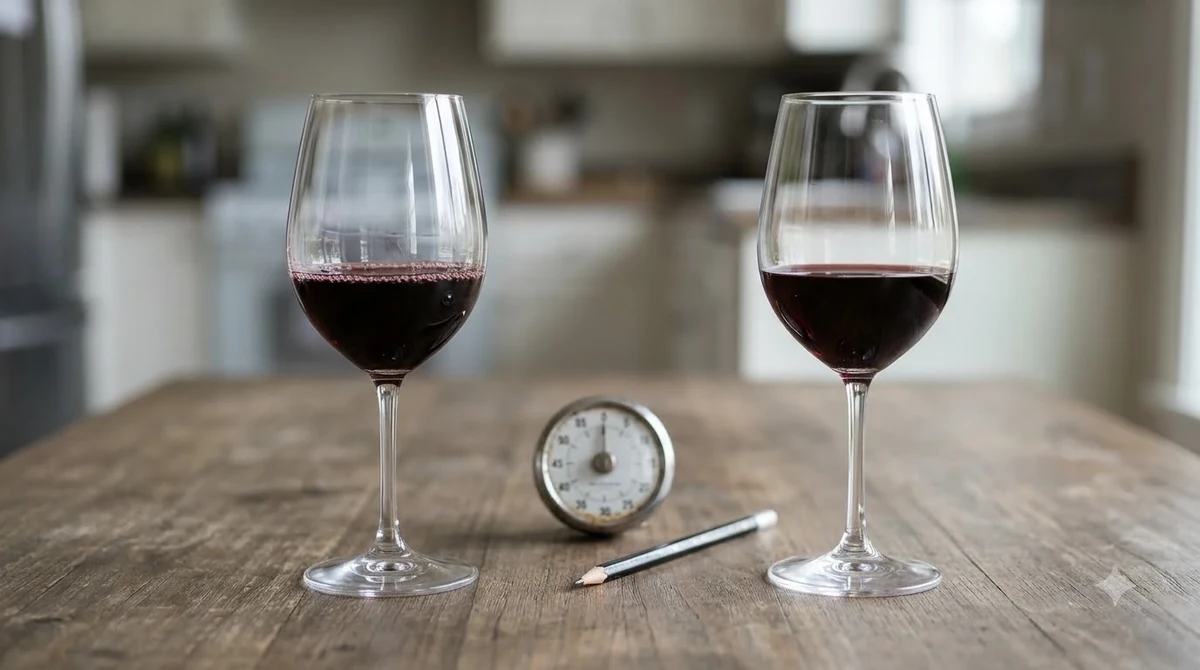
Malbec from Mendoza usually shows red plum, blackberry, and vanilla on the nose and palate. Wine Folly also describes notes of sweet tobacco and cocoa, with a smooth, chocolatey finish. The wines are typically dry and full-bodied, with medium tannins and medium-low acidity. Alcohol usually falls in a range of about 13.5 to 15 percent by volume, which makes the wine feel rich without being heavy in the way some reds can be.
| Element | Typical Mendoza Malbec | What it means at the table |
|---|---|---|
| Fruit | Red plum, blackberry | Pairs with grilled and roasted dishes |
| Oak and spice | Vanilla, sweet tobacco, cocoa | Adds depth to a hearty meal |
| Tannin | Medium | Supports fatty cuts of meat |
| Acidity | Medium-low | Feels soft and round in the glass |
| Alcohol | About 13.5 to 15 percent | Gives body and warmth |
Tip: Check the vintage and the ABV on the back label. A wine from a warm year may lean richer, so the number helps you judge the style before you open the bottle.
How to serve and pair Alamos red wine
Malbec suits leaner red meats and works well with dishes that have a bit of char or smoke. Wine Folly suggests it pairs especially well with melted blue cheese, which brings out the fruitiness of the wine. A grilled steak, a rich beef stew, or a mushroom dish with thyme are all natural choices for a medium-bodied Argentine red.
If you are comparing Alamos with a lighter red, the difference will show in the body and the tannin. For a different style of Italian red, you can read about Antinori red wine, which offers a useful contrast in structure and food pairing.
Who this wine suits, and who might skip it
A Mendoza Malbec suits drinkers who enjoy a full, smooth red with ripe dark fruit and a soft finish. It is a good match for a relaxed dinner with grilled meat or for a cool evening with a rich cheese board. Drinkers who prefer crisp, high-acid reds or very light, delicate wines may find Malbec too round, so it helps to try one bottle before you commit to a case.
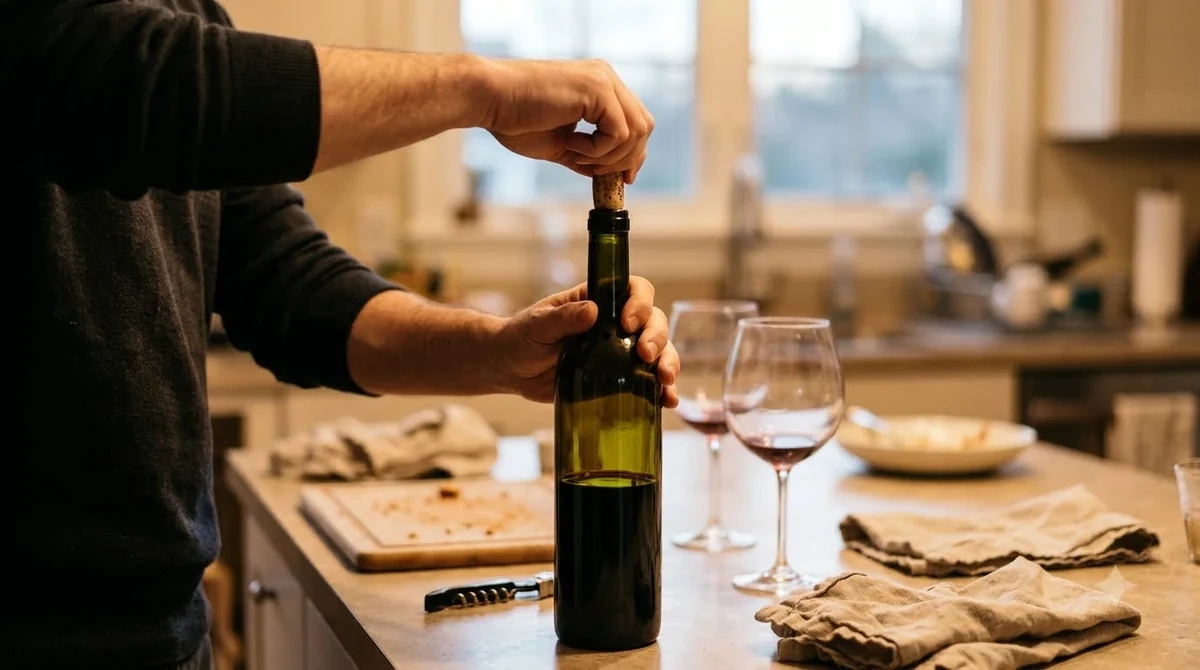
Serving the wine well also makes a visible difference. A full-bodied red like Malbec benefits from a short rest after opening, which lets the aromas open up in the glass, and a generous pour gives the wine room to show its fruit and texture. Serve it in a glass with a wide bowl so the aromas gather near the rim, and let it sit for a few minutes before the first sip.
Brand loyalty is also worth thinking about. If you enjoy one bottle from a family-owned producer, you may find the house style carries across its range. Exploring other labels from the same region is a practical way to widen your taste, and the wine brands guide is a helpful place to compare what different producers offer.
Frequently Asked Questions
Is Alamos red wine a Malbec?
Many red wines from Mendoza are Malbec-based, and the back label or the producer’s site will confirm the grape for any specific bottle. If the label names Malbec, the style will follow the description in this guide.
Is Malbec a dry or sweet wine?
Malbec from Mendoza is typically dry. It is full-bodied, with ripe fruit and a smooth finish, which can read as richer than a dry wine with high acidity.
What food goes best with Malbec?
Grilled and roasted red meats, stews, and firm cheeses work well. Wine Folly points to blue cheese as a particularly good match for the wine’s fruitiness.
Should I serve Malbec with a chill?
Most full-bodied reds are served slightly below room temperature rather than fully chilled. A short time in the fridge before serving can help if the room is warm, but a light chill is enough.
Alamos red wine is a good example of why the grape and region matter more than the name alone. Start with the producer on the back label, then use the style described here to set your expectations. For a broader view of brands and their styles, visit the wine brands guide, and for a quick comparison with another red, the Antinori red wine guide shows how Italian reds differ in structure and pairing.
More in Wine Brands
 Underwood Wine Price: Compare Bottles, Cans, and Pack SizesUpdated Nov 21, 2026
 Zenato Wine Price: Compare Styles and Choose the Right BottleUpdated Nov 21, 2026
 Zuccardi Wine Price: Compare Bottles and Find the Right RangeUpdated Nov 21, 2026
 Yellow Tail Moscato Review: Taste, Sweetness and Serving TipsUpdated Nov 21, 2026
 Wolf Blass Yellow Label Review: Choose Your Best StyleUpdated Nov 21, 2026
 Wolffer Estate Rose Review: Choose the Right Bottle for Your TableUpdated Nov 21, 2026