

We may earn a commission when you buy through links on this page, at no extra cost to you. Learn more.
Cheval Blanc is a famous Bordeaux estate in the Saint-Émilion appellation, known for its rare, age-worthy red wines. The château earned the top Premier Grand Cru Classé A rank in the 1954 classification of Saint-Émilion, and its wines are built mainly on Merlot with a significant share of Cabernet Franc. Cheval Blanc is one of the most collected names in Bordeaux, which makes it a wine people talk about more than they drink.
Few Bordeaux names carry the same weight as Cheval Blanc, and the label often appears in conversations about collectible wine. This guide explains where the estate sits, how its history shaped its reputation, what the wines taste like, and how to think about buying and serving them.
Where Cheval Blanc Sits in Bordeaux
Cheval Blanc is a château on the Right Bank of Bordeaux, in the Saint-Émilion appellation. Saint-Émilion is known for Merlot-led blends grown on limestone and clay soils, and it has its own classification system separate from the famous 1855 ranking of the Médoc.
The estate is in a small, high-profile part of the region. Its vineyards sit close to other celebrated châteaux, and the estate is often grouped with the finest producers in the appellation. Winemakers and critics treat the château as a benchmark for the style.
The Right Bank soils that Merlot favors are a major reason the area is known for plush red wine. Clay and limestone hold water and warmth in different ways, and growers in the appellation tend to match each parcel to the grape that suits it best.
A Short History of the Estate
The château’s history goes back a long way. The estate’s own history describes vines planted on the land for more than two thousand years, although the modern domain took shape much later. In 1832, Jean-Jacques Ducasse bought the heart of the property, and the vineyard was later replanted under the management of the family that took over through marriage.
In 1852, the wines were sold for the first time under the Cheval Blanc name, after being known for a time as Figeac wines. The name stuck, and it became the house identity over the following decades.
The Classification and Its Reversal
The estate’s biggest milestone came in 1954, when the Saint-Émilion classification placed Cheval Blanc in the top Premier Grand Cru Classé A tier. That rank made it one of the few châteaux in the appellation at the very top of the hierarchy.
In July 2021, the château chose to withdraw from the Premier Grand Cru Classé A rank. The estate said the evaluation criteria no longer matched its principles, and it stepped out of the classification, which surprised many in the trade. The move is still discussed when people compare Saint-Émilion producers.
Ownership and the Modern Estate
In autumn 1998, Bernard Arnault and Baron Albert Frère acquired the estate, and the château has been under their ownership since then. Investment in the vineyards and winery has supported a consistent focus on quality, although the estate’s wines are priced at the very top of the market.
The château also produces a white wine, Petit Cheval Blanc, which was first presented as the 2014 vintage. Its white is a separate product from the red Grand Vin, and it appeals to buyers who want a different experience from the same house.
Many collectors read the history of the estate as much as the bottles themselves. Knowing when the château changed hands, how its name developed, and how it has handled the classification can help a buyer understand why the wines draw such strong attention in the market.
What the Wines Taste Like
The red Cheval Blanc is usually built around Merlot, with a significant share of Cabernet Franc in the blend. That mix tends to produce a wine that is plush and aromatic, with dark fruit, violet, and a silky texture when young, and deeper savory notes such as cedar, tobacco, and graphite as it ages.
Because the wines are made to age, tasters often describe them as tight and structured in their early years. Serious collectors hold bottles for many years before opening them, and the flavors shift considerably over that time.
| Aspect | What to expect |
|---|---|
| Region | Saint-Émilion, Right Bank of Bordeaux |
| Main grapes | Merlot with a significant share of Cabernet Franc |
| Style | Rich, aromatic, and built to age |
| Typical flavors | Dark fruit, violet, cedar, tobacco, graphite |
| Best for | Collectors and special-occasion dinners |
Vintage matters a great deal with a wine of this kind. Growing seasons differ from year to year, and the weather in a given harvest shapes the balance of fruit, tannin, and acidity. Tasters who follow the estate closely often compare several vintages before deciding which bottle to open.
How to Serve and Pair Cheval Blanc
Decant young bottles well before serving to let the wine open up, and serve older bottles with more care, since their sediment and delicate structure need gentle handling. Serve the red at a cool room temperature in a large Bordeaux glass.
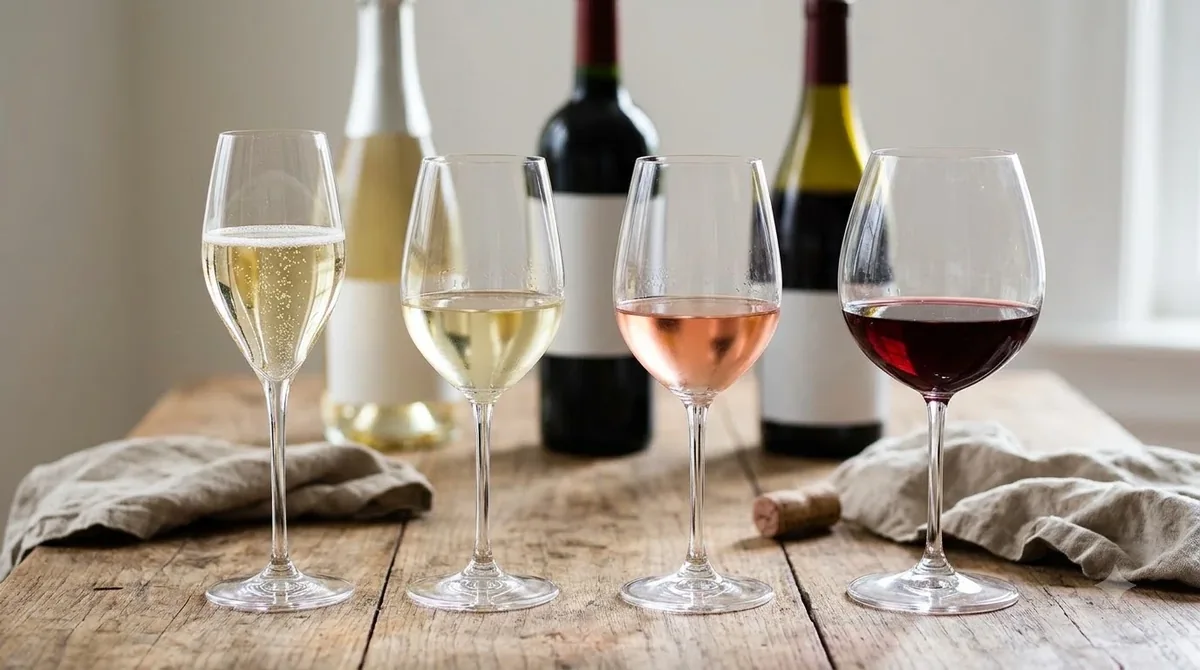
Rich, savory food works best. Roast lamb, beef tenderloin, mushroom dishes, and aged hard cheese all match the wine’s depth and structure. The bottle deserves a meal that gives it room, rather than a quick weeknight dinner.
Wines built to age need stable, cool, and dark storage to develop well. Temperature swings and strong light can shorten a bottle’s life, so buyers who plan to hold bottles for years should check how the wine was kept before it reached them.
How to Think About Buying Cheval Blanc
Cheval Blanc is a wine most people admire from a distance, and for many shoppers the practical route is to read the vintage notes, compare the wine with other top Saint-Émilion estates, and consider younger bottles only if they plan to drink them soon. The producer’s own history pages are a good starting point, and the château’s official history explains the classification story in its own words.
If you want a white for comparison while you explore the château’s range, the Kim Crawford Sauvignon Blanc and Oyster Bay Sauvignon Blanc guides cover two widely sold bottles, and the Wine Brands guide covers how producers present their wines to a wider audience.
Frequently Asked Questions
What is Cheval Blanc known for?
Cheval Blanc is known as a top estate in Saint-Émilion, Bordeaux. It holds a long reputation for rich, age-worthy red wines and has long been one of the most collected names in the region.
What grapes go into Cheval Blanc?
The red Cheval Blanc is built mainly on Merlot with a significant share of Cabernet Franc. Blend details change by vintage, so check the producer’s notes for the exact mix.
Why did Cheval Blanc leave the top classification?
In July 2021, the château withdrew from the Premier Grand Cru Classé A rank, saying the classification’s evaluation criteria no longer matched its principles. The estate remains one of the best-known names in Saint-Émilion.
Should I drink Cheval Blanc young or wait?
Most serious bottles reward patience, and many tasters find them tight in their early years. If you plan to drink a bottle soon, decant it well before serving, and read producer or critic notes for guidance on the vintage.
Cheval Blanc rewards study as much as it rewards the glass. Learn the history, understand the Merlot and Cabernet Franc balance, and serve the wine with a meal that matches its weight. For more background on the brands behind popular bottles, see the Wine Brands guide, and always drink responsibly.
More in Wine Brands
 Underwood Wine Price: Compare Bottles, Cans, and Pack SizesUpdated Nov 21, 2026
 Zenato Wine Price: Compare Styles and Choose the Right BottleUpdated Nov 21, 2026
 Zuccardi Wine Price: Compare Bottles and Find the Right RangeUpdated Nov 21, 2026
 Yellow Tail Moscato Review: Taste, Sweetness and Serving TipsUpdated Nov 21, 2026
 Wolf Blass Yellow Label Review: Choose Your Best StyleUpdated Nov 21, 2026
 Wolffer Estate Rose Review: Choose the Right Bottle for Your TableUpdated Nov 21, 2026