

We may earn a commission when you buy through links on this page, at no extra cost to you. Learn more.
The palomino grape is a white variety best known as the main grape used to make sherry, and it is grown mostly in Spain, with smaller plantings in South Africa, Portugal, Australia and California. On its own the wine is light, dry and low in tannin, which is why it works well as a base for fortified styles. Its flavor and acidity depend on where it is grown and how the wine is aged.
This guide covers where the palomino grape grows, why it matters so much to sherry, what the wine tastes like on its own, and how to pair it with food. It is useful for anyone who has seen the name on a sherry label or a white wine list and wants a clear picture of what sits behind it.
Where palomino grapes grow
Palomino is a white grape that Wikipedia describes as widely grown in Spain and South Africa. Within Spain, it is planted in Andalusia, the Canary Islands and Galicia. The grape also grows in Portugal’s Douro region and in Australia and California. Wikipedia notes that in France it is called Listan, and in South Africa it goes by names such as Fransdruif and White French.
In Spain it is the fourth most common white grape. Wikipedia gives a figure of 20,261 hectares (50,066 acres) planted in 2015, which shows how large the grape’s footprint is inside the country.
Why palomino matters to sherry
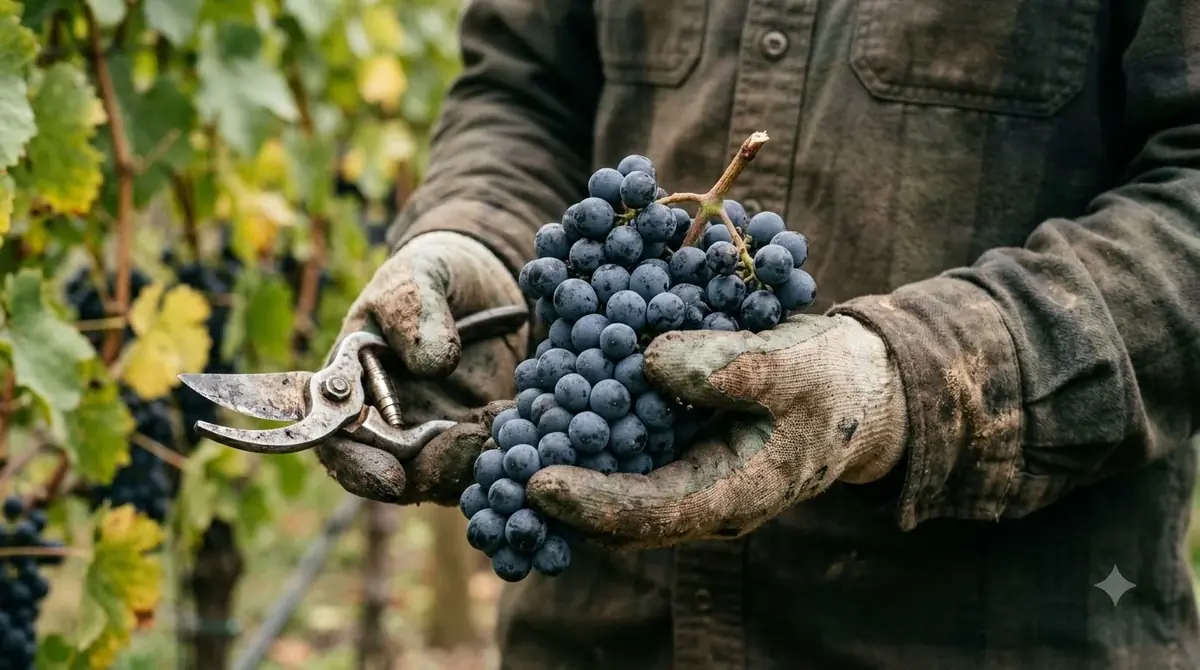
The grape’s biggest role is in sherry. Wine Folly describes Palomino as the main grape used to make sherry, and its most important home is Jerez in Spain. There, the grape grows on chalky soils called albariza, and vineyards sit within what the wine trade calls the sherry triangle. Wikipedia specifically names Palomino Fino as the principal grape in sherry production.
The grape suits sherry for a practical reason. Wikipedia notes that its must oxidizes quickly, a trait that is a problem for ordinary table wine but not for sherry, which is made to be exposed to air. The same low sugar and low acidity that make standalone Palomino wines hard to recommend also make it a neutral canvas for the aging that defines sherry.
| Sherry style | How it compares to the wine |
|---|---|
| Fino | Pale, dry and light, pairs like a white wine (Wine Folly) |
| Manzanilla | A style made in the same region, pale and dry, with a salty edge |
| Oloroso | Darker and richer, pairs more like a red wine (Wine Folly) |
| Amontillado | Between the two, so the food match depends on the bottle (Wine Folly) |
What palomino wine tastes like
Wine Folly lists the primary flavors of Palomino as lemon, jackfruit, almond, saline and mushroom. The wine is bone dry, with a light body and no tannins, and its alcohol sits at 10 to 11.5% ABV. That combination makes it easy to drink in a small glass, and the saline and nutty notes give it character without weight.
Acidity is one of the places the sources differ. Wikipedia describes the grape itself as low in both acidity and sugar, which is why it is rarely bottled as a table wine. Wine Folly rates the finished wine as medium-high in acidity. The difference reflects the grape’s natural profile compared with the finished wine, which is often shaped by winemaking and the sherry process.
Palomino wine in the glass
A still, dry palomino wine is a rarity. Wine Folly notes that a few still, dry, single-varietal bottles exist, but most of the grape’s output goes into sherry or other fortified and blended wines. When you do find a still palomino, expect a clean, dry white with a modest body and a savory finish rather than the fruit-forward style of some other white grapes.
Serving follows the same logic. A chilled glass shows the freshness and the saline edge, while a slightly warmer glass lets the nutty and savory notes open up. Because the wine is light, it can be poured more often than a heavier white without feeling heavy on the palate.
Storage is also simpler than it is for many whites. A still palomino is usually meant to be enjoyed young, while the grape’s real complexity shows up in sherry, where the wine is deliberately aged in contact with air or under a layer of yeast called flor. That is one reason the grape is so closely tied to the sherry-making process rather than to the single-varietal bottle.
Tip: If a bottle is labeled sherry rather than palomino, the grape is only part of the story. The style, the aging method and the sweetness level usually matter more than the variety name on the front label.
Pairing palomino and sherry with food
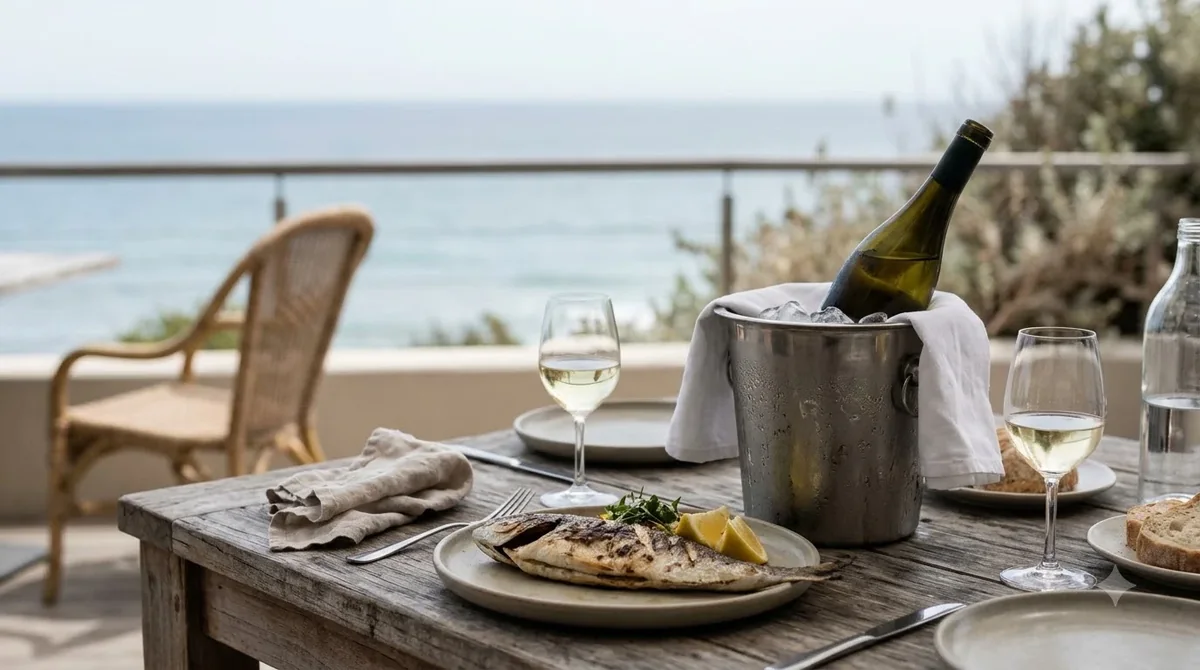
Wine Folly offers clear guidance for matching food. Fino-style sherries pair like white wines, so they suit seafood, olives, almonds and light tapas. Oloroso-style sherries work more like red wines, so they can accompany roasted meats, rich stews and aged cheeses. Amontillado sits between the two, and Wine Folly suggests that the weight of the dish and the salinity of the wine should guide the choice.
For a still palomino, the savory character and clean acidity pair well with simple seafood, grilled vegetables and mild cheeses. The wine’s lightness means it is less likely to overwhelm a delicate dish, which is useful for a first meal with a new white.
How to choose a palomino bottle
Start with the label. If you see a sherry, check the style first, since Fino, Manzanilla, Amontillado and Oloroso taste very different. Then consider the producer’s region. Bottles from Jerez, where most of the grape’s best-known sherry is made, reflect the chalky soils and sherry triangle that define the style.
If you are curious about the grape outside sherry, a still bottle from Spain or South Africa is a good place to begin. Expect a dry, light wine with savory notes, and use it as a food wine rather than a sipping wine. Look for clear information about the producer, the vintage and the style on the bottle, since those details tell you more about the taste than the grape name alone. Producers who describe the wine’s dryness, acidity and aging tend to give a clearer picture of what you will drink. Once you know that profile, comparing it with other white grapes becomes easier, and the Chablis grape is a useful reference for a dry white with a different character.
Frequently Asked Questions
Is palomino a sherry grape?
Yes. Palomino Fino is the principal grape used to make sherry, according to Wikipedia. It is grown mostly in Andalusia, with Jerez as its best-known sherry area.
What does palomino wine taste like?
Wine Folly lists lemon, jackfruit, almond, saline and mushroom as its primary flavors. The wine is dry, light-bodied and has no tannins.
Is palomino a sweet wine?
No. Wikipedia describes the grape as low in sugar, and Wine Folly describes the finished wine as bone dry. Sweet sherry styles are made from other processes and other grapes, not from palomino alone.
What food goes with palomino or sherry?
Fino pairs with seafood, olives and almonds. Oloroso suits roasted meats and aged cheese, and Amontillado can work with either, depending on the dish’s weight.
Palomino is a grape that matters more for what it becomes than for how it tastes on its own. For a wider view of white styles, the wine by type guide shows how palomino compares with other varieties, and Wine Folly’s Palomino Fino grape guide covers the sherry connection in more detail.
More in Wine Types & Grapes
 Zinfandel Sugar Content: Dry Red vs. White Zinfandel GramsUpdated Nov 21, 2026
 Best Zinfandel Substitute Options for Sipping and CookingUpdated Nov 21, 2026
 Zweigelt Food Pairing: Best Dishes, Cheeses, and Serving TipsUpdated Nov 21, 2026
 Zinfandel Tannins Explained: How Structure Shapes Every BottleUpdated Nov 21, 2026
 Zinfandel Sweetness Level: Dry Red vs. Sweet White Zin ExplainedUpdated Nov 21, 2026
 Xinomavro Food Pairing: Best Dishes, Styles, and Serving TipsUpdated Nov 21, 2026