

We may earn a commission when you buy through links on this page, at no extra cost to you. Learn more.
Martinborough vineyards sit around a small colonial town in the Wairarapa, on the southern tip of New Zealand’s North Island. The area is best known for Pinot Noir, and regional sources also highlight vivid Sauvignon Blanc and elegant aromatic whites. Most vineyards are small and family-owned, and they follow the dry riverbeds that run around the edges of town.
This guide covers how the Martinborough vineyards developed, what the local climate and soils do for the grapes, which wines the area is known for, and how to plan a visit. Where a figure is not published in the sources, the guide describes the point in general terms rather than inventing a number.
A short history with a sharp turn
Vines were first planted in the wider Wairarapa in 1883, and the early industry grew for two decades before it collapsed after the temperance movement in 1905. The wider region’s modern wine history began in the late 1970s, when a new generation of growers looked again at the local soils and climate. Martinborough itself predates the vines: it is regarded as the town of John Martin, who laid out its first streets in the 19th century. Before viticulture expanded, the town was mainly a rural service centre for nearby farms.
The modern vineyards grew from that restart. The New Zealand Wine overview of Wairarapa describes the area as compact, with numerous boutique producers. That scale is one reason the local scene feels personal, and many visitors meet the winemakers directly in the cellar or the tasting room.
Where the vineyards sit
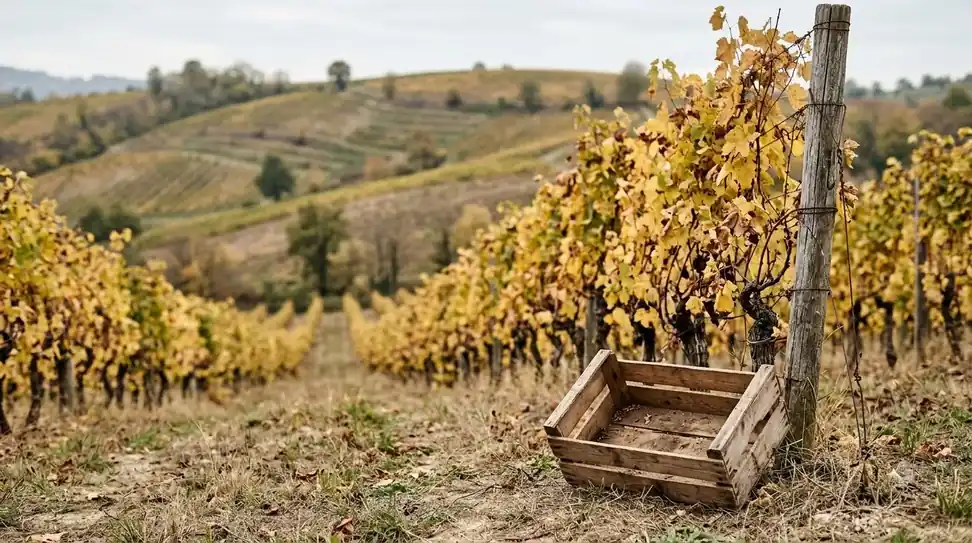
Martinborough’s vineyards are laid out in narrow strips rather than in one large block. Most follow the dry riverbeds, which provide free-draining soils, and they run in bands around the northern and eastern edges of the town, plus along the Dry River to the south. That arrangement means that many vineyards are close enough to walk or cycle between, which suits a tasting day.
The town’s setting is also part of the appeal. Hills lie to the east and west, and the surrounding landscape gives the vineyards a sheltered feel. Regional sources describe a warm micro-climate in the area, even though the wider Wairarapa is cooler and drier than many New Zealand regions.
Climate and soils behind the wines
Martinborough has a cool, dry climate and free-draining soils. The Wairarapa overview says the subregion’s climate and soil profile is similar to that of Burgundy, and that comparison is useful for understanding why Pinot Noir does so well here. Cool nights and a long, dry autumn allow the fruit to ripen slowly and keep its natural acidity.
Climate figures for the town, based on the 1991 to 2020 normals reported in the Wikipedia entry for Martinborough, put average annual rainfall at about 767.6 millimeters and annual sunshine at about 2,034.5 hours. The mean annual daily maximum is 18.0 degrees Celsius, and the all-time record high is 34.2 degrees while the record low is minus 4.3 degrees. Those numbers show a region with plenty of sun and a moderate temperature range, which suits slow-ripening varieties.
Grape varieties and the wines to try
Pinot Noir is the flagship red, and the area’s reputation rests largely on it. Regional sources describe the style as rich and warm, with a savory undercurrent and perfumed varietal character. Sauvignon Blanc is the other headline wine, often described as intense and vivid, with herbaceous and tropical notes. Chardonnay offers a more complex style, with good acidity and a sense of minerality, and Syrah and aromatic whites appear in many cellars.
| Wine | Typical character | Good starting point for |
|---|---|---|
| Pinot Noir | Rich and warm, savory, perfumed, with a clear varietal stamp | Roast chicken, mushrooms and salmon |
| Sauvignon Blanc | Intense and vivid, herbaceous and tropical | Goat cheese, seafood and fresh salads |
| Chardonnay | Complex, with good acidity and minerality | Creamy pasta and roast poultry |
| Syrah and aromatics | Expressive reds and whites from smaller plantings | Spiced dishes and grilled meats |
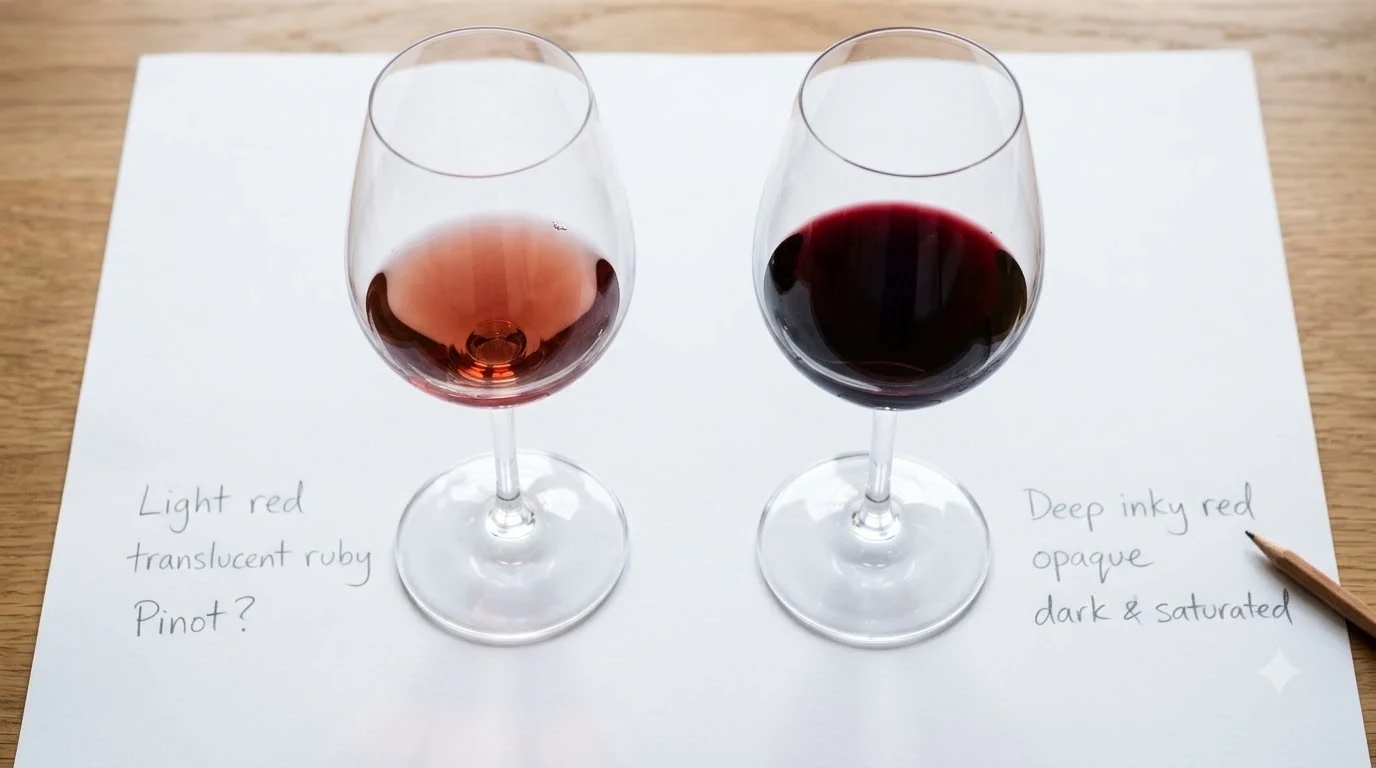
Tip: Taste a Pinot Noir and a Sauvignon Blanc from the same producer. The contrast shows how the local climate and soils support both a delicate red and a bright, aromatic white.
Reading a Martinborough label
Many Martinborough wines are labeled by variety and vintage, and some carry the subregion name. Because the area has a high share of small producers, a label can tell you a great deal about the winemaker’s approach. A single-vineyard Pinot Noir will often show more of the site than a blended white, so check the back label for the vineyard or block name when you want a specific style.
Vintage matters as well. Cool or wet seasons can produce lighter wines, while warmer, drier years tend to give fuller fruit. Tasting notes from the producer usually describe the vintage conditions, and those notes help you choose between two bottles of the same variety from different years.
Notable wineries and the estates to know
Wikipedia’s Martinborough entry names a dozen notable wineries in the area, including Ata Rangi, Martinborough Vineyard, Palliser Estate Wines and Dry River. Those names are a good place to start a visit, but many smaller cellars are just as worth exploring. The list changes over time as new estates open and others grow, so check each winery’s own site before you travel.
When you visit, ask which vineyards supply each wine and whether the estate makes its own wine from its own fruit. Those answers tell you how much of the bottle reflects the local site, and they make it easier to compare estates in a single afternoon.
Planning a visit to the Martinborough vineyards
The town is small enough to explore on foot, and the vineyards near the edges of the town are close to the central square. A day can include three or four cellar doors, a lunch stop and a walk along one of the riverbed tracks. Because many estates are family-run, opening hours can be limited, so it helps to check before you set out.
The region’s biggest event is the Toast Martinborough wine festival, held each November. Wikipedia reports that the festival temporarily raises the town’s population by about 10,000 people. If you plan to attend, book accommodation early, since local lodging fills quickly during the festival weekend. Outside festival time, the town is quieter, and that suits visitors who want unhurried tastings.
For more on how sub-regions shape wine styles across the world, the wine regions guide is a useful companion before you travel. You can also compare Martinborough with other cool-climate areas, such as the Columbia Gorge vineyards and the Lake Erie vineyards, to see how cool nights and dry soils show up in different wines.
Frequently Asked Questions
What is Martinborough best known for?
Martinborough is best known for Pinot Noir, and regional sources also highlight Sauvignon Blanc and aromatic whites. The area’s small estates and dry, free-draining soils support these styles.
How many wineries are in Martinborough?
The regional overview does not give an exact count for the area. Wikipedia names twelve notable wineries, and the number of smaller cellars is larger. Check current listings before you plan a visit.
When is the best time to visit Martinborough?
The Toast Martinborough festival in November is the busiest time, with a large increase in visitors. Outside that event, the town is quieter and easier for unhurried tastings, though some cellars keep limited hours.
Is Martinborough similar to Burgundy?
The Wairarapa overview says the subregion’s climate and soil profile is similar to that of Burgundy. That comparison helps explain why Pinot Noir is central to the area, though the wines have their own local character.
Martinborough rewards visitors who enjoy small estates, quiet streets and a clear focus on Pinot Noir. Start with a tasting of the reds, add a Sauvignon Blanc for contrast, and note the vineyard names on the labels. That habit turns a single visit into a useful guide for choosing future bottles.
More in Wine Regions
 Willcox Wine Trail: Discover Arizona’s High-Elevation Wine CountryUpdated Nov 20, 2026
 Yakima Valley Wine Region: Find the Best Styles to TryUpdated Nov 20, 2026
 Vosne Romanee Wine Tasting: Identify Aromas and Choose Better PairingsUpdated Nov 20, 2026
 Yakima Valley Wine Festival: Find the Best Seasonal Wine EventsUpdated Nov 20, 2026
 Wales Vineyards: Discover Cool-Climate Wines and Where to VisitUpdated Nov 20, 2026
 Yountville Wine Festival: Discover Napa Wines and Local FoodUpdated Nov 20, 2026