

We may earn a commission when you buy through links on this page, at no extra cost to you. Learn more.
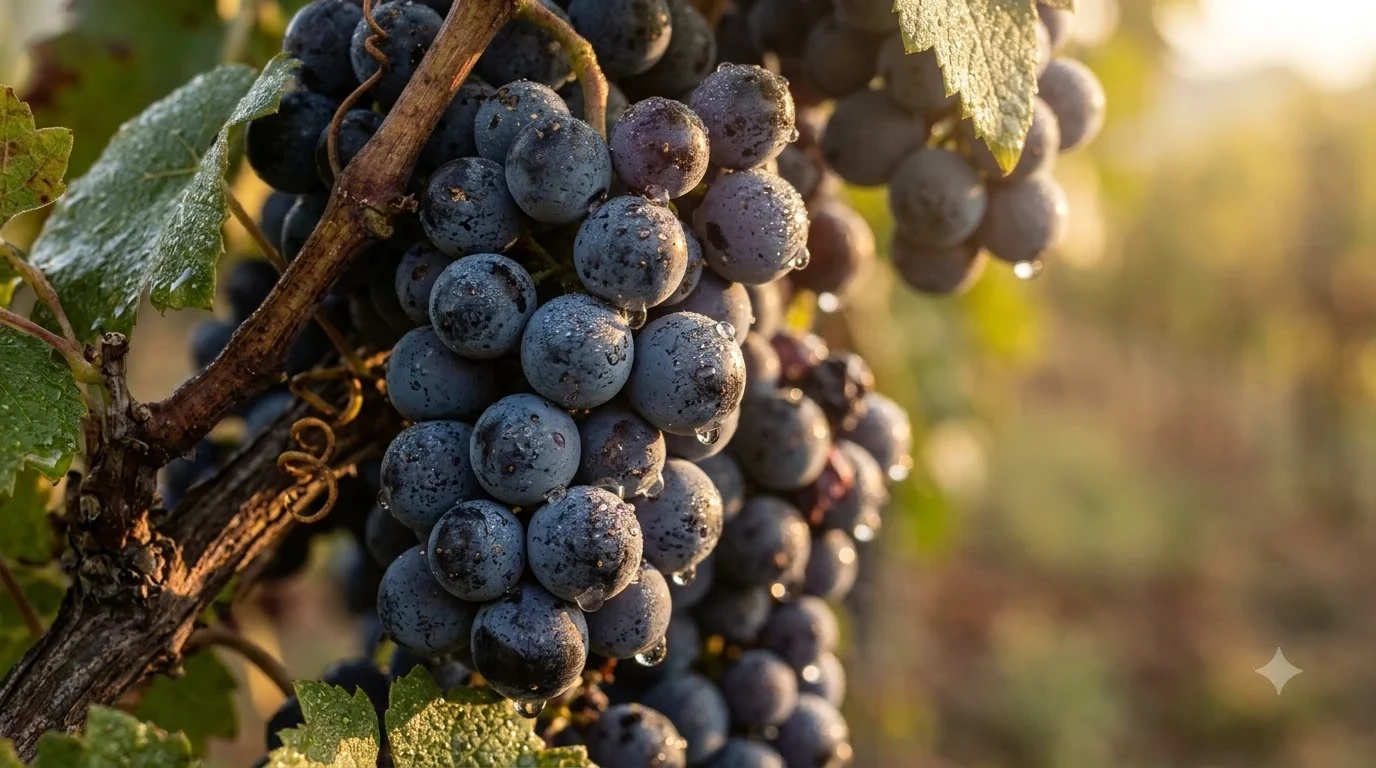
Baja California wine is mostly red, made from Bordeaux-style and other warm-climate grapes grown near Ensenada, Mexico. The region produces about 90 percent of Mexico’s wine, and its bottles tend to be ripe and full-bodied, with a clear sense of place. Whites exist too, but reds are where the region stands out.
This guide covers what Baja California wine tastes like, which grapes you are likely to see on a label, and how to choose and serve a bottle. For the travel side of the region, the guide to the Baja California wine country covers the valley and its estates.
Where Baja California wine comes from
Almost all of the region’s wine comes from three areas near Ensenada: San Antonio de las Minas, which includes the Valle de Guadalupe, the San Vicente Valley, and the Santo Tomás Valley. Knowing these names helps when a label mentions a sub-area or a winery location, because each district has its own soils and exposure.
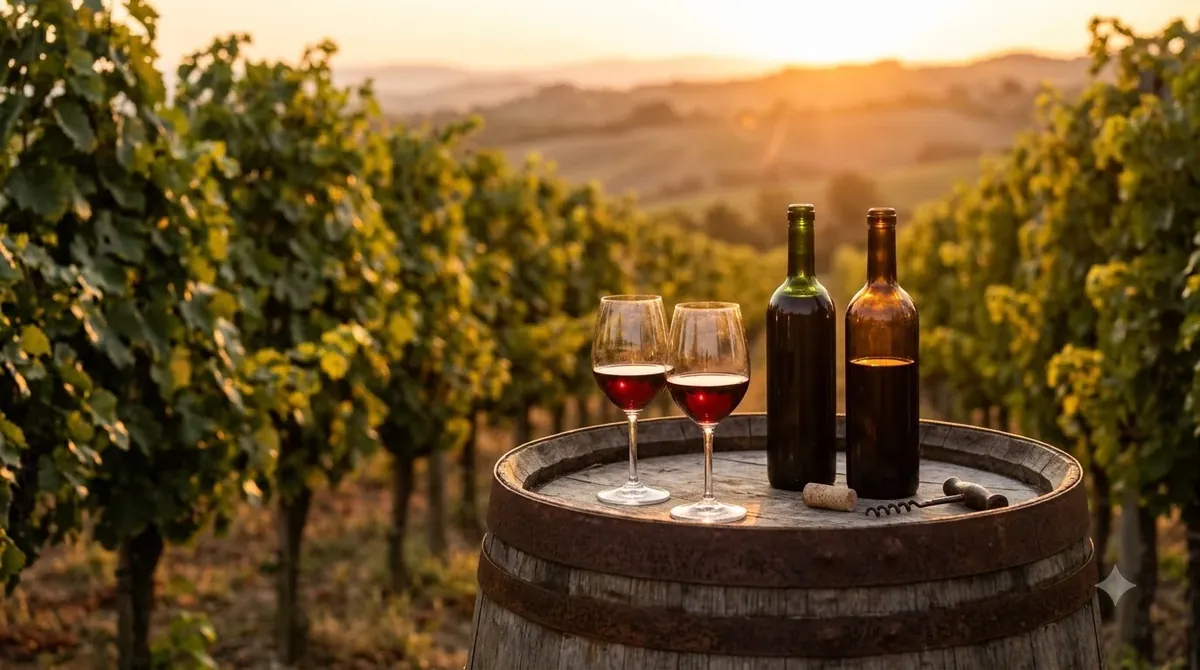
The soils are deep granite, and the days are warm and sunny. Cool nights come in from Pacific breezes, which gives the grapes a long, slow ripening period. That combination is the main reason the region can grow a wide range of varieties while keeping acidity in the wine.
Baja’s wine culture is tied closely to its coastal towns. Ensenada is the main city for travelers and the place many visitors first taste the region’s wines, so local restaurants often carry a wider range of regional bottles than shops farther away. If you are shopping at home, look for a store that specializes in Mexican or West Coast wines, since those shops tend to carry a wider selection.
Growing wine in Baja California is not new. Winemaking began after the Spanish arrived in the 16th century, and the first vines in the peninsula were planted at a Jesuit mission in 1701, according to the overview of Mexican wine on Wikipedia. The modern industry grew in the 1980s and 1990s, and most of today’s wineries were founded in that period. Older production figures from the late 1980s, when output peaked near four million cases a year, show how much the region has changed.
Grapes you will see on Baja labels
Baja winemakers work with a wide list of grapes. On the red side, you will most often see Cabernet Sauvignon, Ruby Cabernet, Zinfandel, Grenache, and Mission. These reds tend to show dark fruit, firm structure, and a spicy edge, especially from warmer sites.
White grapes include Chenin Blanc, Palomino, Riesling, Sauvignon Blanc, Sémillon, Saint Emilion, and Malaga. Whites are usually lighter and fresher than the reds, and they pair well with seafood, which fits the coastal setting of the region.
The table below gives a quick way to read a label by grape and expected style.
| Grape | Color | Typical character in Baja |
|---|---|---|
| Cabernet Sauvignon | Red | Full-bodied, dark fruit, firm tannins |
| Zinfandel | Red | Ripe, jammy fruit with a peppery finish |
| Grenache | Red | Soft, red-fruited, lighter in structure |
| Chenin Blanc | White | Crisp, with apple and stone fruit notes |
| Sauvignon Blanc | White | Fresh and herbal, good for warm days |
| Sémillon | White | Fuller texture, often with a rounder feel |
Styles of Baja wine: reds, whites, and boutique bottles
Baja suits both red and white wines, and its climate supports many of the varietals grown in California. Warmer parts of Mexico tend to produce spicy, full-bodied, ripe wines, and that character shows up in many of the region’s reds. If you like California Cabernet or Zinfandel, a Baja red is often a reasonable place to start.
The region also has a growing group of boutique producers in and around Ensenada. These wineries focus on small batches, which means limited bottlings and a more personal style. Boutique bottles can be harder to find outside the region, so tasting them in person is often the best way to discover them.
Tasting a few wines side by side is the simplest way to learn the region. A flight of a red blend, a Grenache-based bottle, and a crisp white can show you how much the grape, the district, and the winemaking choices change the glass. Notice the fruit first, then the acidity and the finish, because those three features tell you most of what you need to know about a wine’s balance.
Wine styles here vary by producer. Some estates lean toward bold, oaked reds, while others choose a lighter touch with fresher fruit. Reading the back label or asking a tasting room staff member about oak and ripeness will give you a better sense of the style than the grape name alone.
How to choose a Baja California wine
Start with the grape and the style you enjoy, then move to the producer. A Cabernet Sauvignon from a large producer will taste different from one made in small lots, so the winery matters as much as the variety. If you are new to the region, pick a bottle that names both the grape and the district, because that information signals how the wine was made.
Price should not be the only guide either. Expensive bottles do not always taste better to every drinker, and a modest bottle from a careful producer can be the best value in the shop. Read the producer’s description, ask for a tasting note, and taste before you buy if the shop allows it.
Check the vintage as well. Vintage variation matters in any region, and a warm year can produce a riper, more powerful wine than a cooler one. Shop with that in mind, especially if you plan to keep a bottle for several years.
Tip: Look for wines that name the district on the label. The name helps you compare bottles from similar sites, and it tells you which of the three main growing areas near Ensenada the grapes came from.
How to serve and pair Baja wine
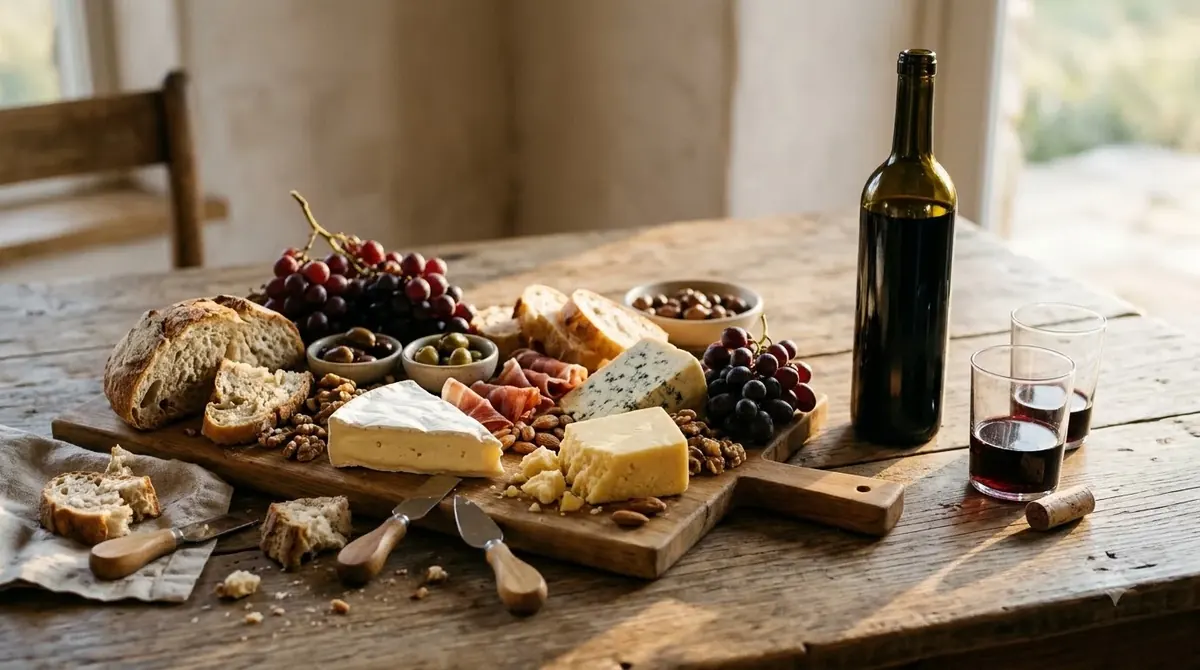
Serve the region’s reds slightly cooler than room temperature, and decant the bigger, more structured bottles so the fruit and tannins open up. Whites such as Sauvignon Blanc and Chenin Blanc should be well chilled but not ice cold, which keeps their aromas readable.
The food pairings are simple. Grilled meats and hearty dishes suit the reds, especially Cabernet Sauvignon and Zinfandel. Fresh seafood, tacos, and salads match the whites. Regional cooking that mixes Mexican ingredients with Mediterranean technique fits both styles, which is one reason the region’s food and wine go together so well.
Frequently Asked Questions
What kind of wine is Baja California known for?
Baja California is best known for red wines, especially those made from Cabernet Sauvignon, Zinfandel, and Grenache. The region produces about 90 percent of Mexico’s wine, and its reds often show ripe fruit and a firm structure.
Are Baja California wines similar to California wines?
There are similarities, since the region grows many of the same grapes and its climate supports most of the varieties grown in California. Baja wines often show a warmer, spicier character, and styles vary a great deal from one producer to the next.
Which Baja California wine should a beginner try first?
A medium-bodied red from a well-known producer is a good starting point. Look for a Cabernet Sauvignon or Grenache blend, and ask the tasting room staff which bottle matches the style you already enjoy.
How much Baja California wine is made each year?
Recent figures vary by source. Older production data from the late 1980s shows output peaking near four million cases a year, and more recent estimates are lower, so check the most current source before you rely on a single number.
Baja California wine rewards curiosity. Start with a red, try one white for contrast, and then compare bottles from different districts. For more background on how regions shape their wines, the wine regions guide is a good next step, and the Baja California vineyards guide shows where many of these grapes are grown.
More in Wine Regions
 Willcox Wine Trail: Discover Arizona’s High-Elevation Wine CountryUpdated Nov 20, 2026
 Yakima Valley Wine Region: Find the Best Styles to TryUpdated Nov 20, 2026
 Vosne Romanee Wine Tasting: Identify Aromas and Choose Better PairingsUpdated Nov 20, 2026
 Yakima Valley Wine Festival: Find the Best Seasonal Wine EventsUpdated Nov 20, 2026
 Wales Vineyards: Discover Cool-Climate Wines and Where to VisitUpdated Nov 20, 2026
 Yountville Wine Festival: Discover Napa Wines and Local FoodUpdated Nov 20, 2026