

We may earn a commission when you buy through links on this page, at no extra cost to you. Learn more.
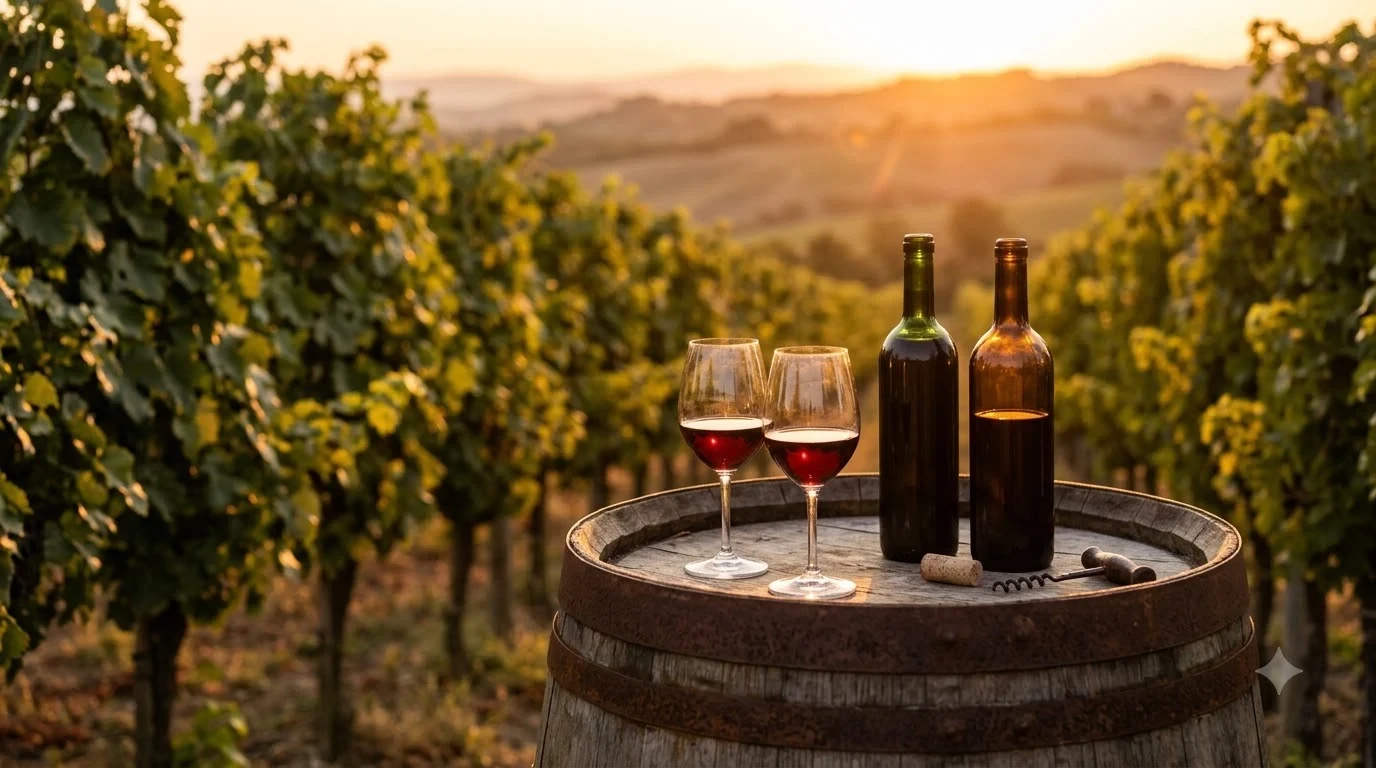
Baja California wine country is the Valle de Guadalupe, a dry, Mediterranean-climate valley about 20 km north of Ensenada, Mexico. It produces an estimated 70 percent of Mexico’s wine, and it is known for red Bordeaux-style blends, Baja Med cooking, and wine tourism that draws many visitors from Southern California.
This guide explains where the region is, how the valley developed, which grapes and styles to expect, and how to plan a visit without wasting a day on the wrong roads.
Where the Baja California wine country is
Most of the region’s wineries sit in the Valle de Guadalupe, a farming valley and town in the Ensenada Municipality. The valley lies about 20 km north of Ensenada and roughly 113 km (70 miles) southeast of the San Diego–Tijuana border crossing, which is why it sees so many day trips from the United States.
The valley covers about 66,353 hectares and sits at an elevation of around 344 m (1,129 ft). That height, together with ocean breezes, shapes the climate that vineyards in the valley work with.
Ensenada itself is the main city for travelers. It has hotels, restaurants, and a port, and most visitors use it as a base for the drive into the valley. The road into the wine country is the one most people take from the border, so the route is easy to follow even on a first trip. Planning matters, though, because the border crossing and local traffic can add time to the day, and tasting appointments at popular estates can fill on weekends.
Many visitors combine the valley with time on the Pacific coast. Because the distances are modest, a trip can mix a morning of tastings with an afternoon at the beach or a stop at a local market. That mix is one reason the region has grown into a destination in its own right, rather than just a stop on the way somewhere else.
A short history of the valley
The Kumeyaay and Kiliwa peoples lived in the area for thousands of years before Spanish-era missions arrived. A Dominican mission was founded there in 1834 but was abandoned by 1840. Over the following decades the land passed through private ranches, and a Russian Molokan colony was established in 1905.
Land reform in 1937 created the ejido El Porvenir, a communal land arrangement that shaped how the valley was farmed. Modern commercial winemaking began in 1972, when Casa Pedro Domecq started producing wine there. Over the decades that followed, more producers arrived, and the valley grew from a set of farms into the cluster of wineries and tasting rooms that visitors see today.
Climate, grapes, and wine styles
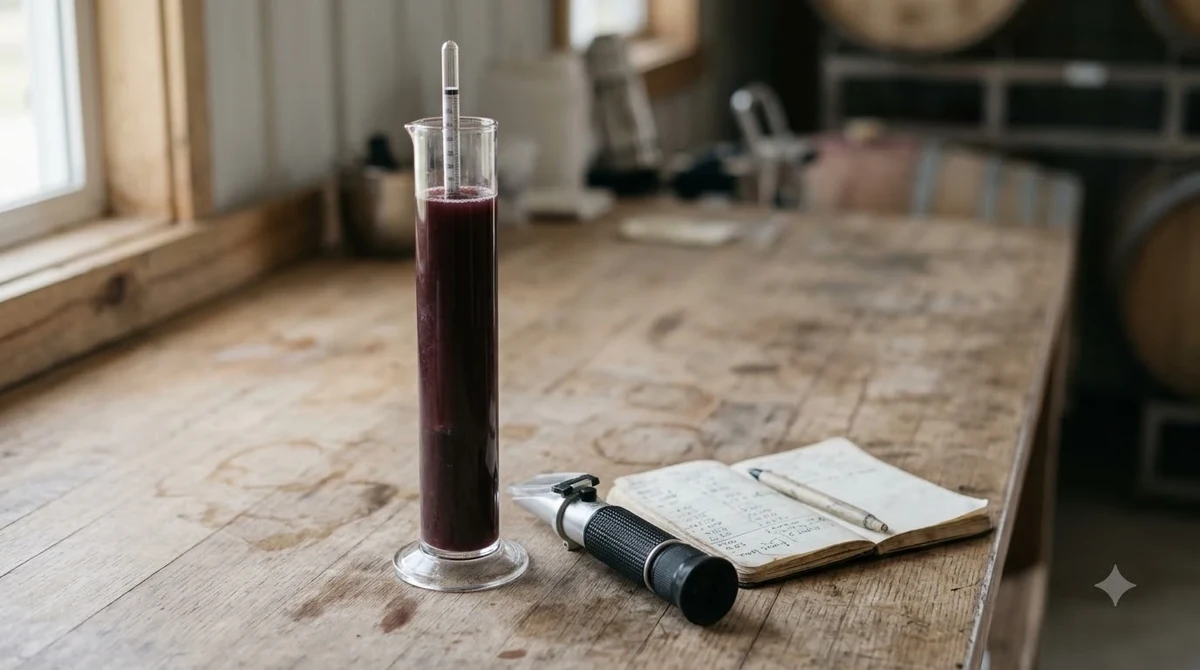
The valley has a Mediterranean climate, with cool, rainy winters and dry, warm summers. Average temperatures are about 5 °C (41 °F) in winter and 30 °C (86 °F) in summer, and ocean breezes help moderate the heat.
Red Bordeaux varieties are the most typical plantings in the valley. Growers also work with Malbec, Tempranillo, and Sauvignon Blanc. If you are new to the region, start with the reds and treat the whites as a bonus. For a broader look at how these grapes behave in other places, the guide on Baja California wine covers the styles in more depth.
The table below summarizes the main grapes and what they usually bring to the glass.
Red wines tend to be the best way to understand the region’s character. Bordeaux-style blends often combine several grapes, which gives the wine a balance of structure and fruit. Tempranillo and Malbec add variety, and a tasting flight that includes both lets you compare how each grape reads in the same valley. Whites are more of a supporting act, and many estates keep them fresh and simple.
When you read a label, pay attention to the grape list and the vintage. Blends are common, so a bottle labeled as a red Bordeaux style may contain several varieties. A tasting room staff member can explain the blend and the intended style, which is often the fastest way to learn what you like.
| Grape | Usual style in the valley | Good pairing |
|---|---|---|
| Red Bordeaux varieties (such as Cabernet Sauvignon and Merlot) | Structured reds with firm tannins and dark fruit | Grilled beef or lamb |
| Malbec | Dark, fruit-forward red with a plush texture | Roasted meats and hearty stews |
| Tempranillo | Medium-bodied red with savory, earthy notes | Tapas-style plates and cured meats |
| Sauvignon Blanc | Fresh, crisp white with citrus and herbal notes | Fish tacos and fresh salads |
Notable producers and what to expect
The producers most often named in regional overviews include L.A. Cetto, Santo Tomás, Domecq, and Monte Xanic. Each one runs its own tasting schedule and visitor setup, so check hours and reservation rules before you plan a route. Some estates offer full tours with lunch, while others keep a simpler tasting room.
Larger estates tend to have more formal tours, restaurants, and event spaces, which suits a group visit or a special occasion. Smaller producers often offer a more personal experience, with the winemaker or a family member pouring the wines. Neither style is better in general. Choose based on how much time you have, whether you want food on site, and how much detail you want about the wine.
Winery counts vary by source. Overviews cite figures from more than 100 to around 150 wineries, so treat any single number with caution. For a closer look at individual estates and their vineyards, see the guide to Baja California vineyards.
Visiting the Baja California wine country
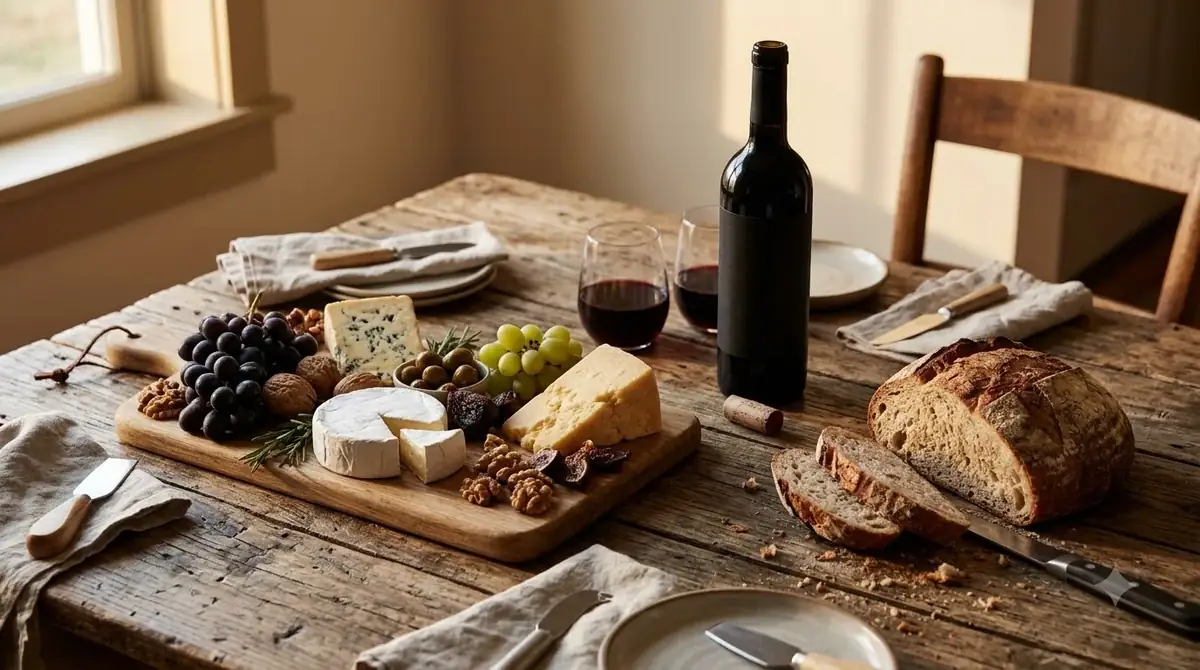
Most visitors base themselves in Ensenada or inside the valley and spend a day or two on tastings. The region is known for wine tourism and Baja Med cuisine, a style that combines Mexican ingredients with Mediterranean-style techniques. Restaurants in the valley often pair local produce with the regional wines, which makes lunch a natural part of the day.
For a first visit, a practical plan is one tasting-heavy morning, a long lunch, and a slower afternoon at one more estate. That pace keeps you from tasting too much in one stretch and gives you time to talk with staff about the wines you liked. Reservations are worth making ahead on weekends, and it helps to confirm whether a tasting fee applies and whether it is credited against bottle purchases.
Wine tourism here also brings a debate over development and water use. Visitors who care about sustainability can ask tasting rooms how they manage water and land, and the answers often reveal which estates have a long-term plan.
Tip: Plan one driver or book a tour for the day. Distances between estates are short on a map, but the local roads are slow, and tasting several wines in a row is easier when you are not behind the wheel.
How to buy and serve Baja wine
Baja’s reds are the easiest place to start. Serve them slightly cooler than room temperature, and open the bigger Bordeaux-style blends before dinner so the aromas have time to open. Whites such as Sauvignon Blanc should be well chilled but not ice cold, which keeps their aromas readable.
Ask tasting rooms which bottles can be shipped or carried home, since rules for importing wine change over time. Staff at each estate usually know the current options better than any general guide.
When you pick a bottle to bring home, think about the way you plan to drink it. A young red with firm tannins benefits from a few years in the bottle or a long decant, while a lighter red or a fresh white is ready to enjoy soon after you buy it. Asking the pourer which wines are meant to be drunk young can save you from opening a bottle too early.
Frequently Asked Questions
Where is the Baja California wine country?
Most of it is in the Valle de Guadalupe, in the Ensenada Municipality of Baja California, Mexico. The valley sits about 20 km north of Ensenada and is roughly 113 km southeast of the San Diego–Tijuana border crossing.
What grapes grow in Baja California?
Red Bordeaux varieties are the most typical plantings. Malbec and Tempranillo are also common, and Sauvignon Blanc is the main white grape named in regional overviews.
How far is Baja California wine country from San Diego?
The valley is about 113 km (70 miles) southeast of the San Diego–Tijuana border crossing. Total travel time depends on the border wait and the route you take inside Mexico.
Is Baja California wine worth trying?
Yes, especially the reds. The valley accounts for an estimated 70 percent of Mexican wine, so it is a serious center of production. Quality varies by estate, so start with established names and ask staff for recommendations.
Baja California wine country rewards a planned day trip more than a rushed visit. Pick two or three estates, eat lunch in the valley, and then read more about the region’s styles in the wine regions guide before you pour your first bottle at home.
More in Wine Regions
 Willcox Wine Trail: Discover Arizona’s High-Elevation Wine CountryUpdated Nov 20, 2026
 Yakima Valley Wine Region: Find the Best Styles to TryUpdated Nov 20, 2026
 Vosne Romanee Wine Tasting: Identify Aromas and Choose Better PairingsUpdated Nov 20, 2026
 Yakima Valley Wine Festival: Find the Best Seasonal Wine EventsUpdated Nov 20, 2026
 Wales Vineyards: Discover Cool-Climate Wines and Where to VisitUpdated Nov 20, 2026
 Yountville Wine Festival: Discover Napa Wines and Local FoodUpdated Nov 20, 2026