

We may earn a commission when you buy through links on this page, at no extra cost to you. Learn more.
Louis Jadot red wine is mostly Pinot Noir from Burgundy, plus Gamay from Beaujolais. The house was founded in 1859 in Beaune, the heart of the Côte d’Or, and it now farms a sizable group of Burgundy vineyards along with crus in Beaujolais. The reds range from simple regional bottlings to village and cru wines, and the label’s region tells you most of what you need to know about the style.
Louis Jadot is one of the most recognized names in French red wine, and it is often the first Burgundy that shoppers buy. This guide explains the house’s background, what the red wines are built on, how to serve them, and how to choose the right bottle from the label.
Who Makes Louis Jadot Red Wine
Maison Louis Jadot was founded in 1859 by Louis Henry Denis Jadot. The family’s first vineyard purchase was the Beaune vineyard Clos des Ursules, made in 1826, which gave the house a foothold in one of Burgundy’s best-known wine towns. The house has since built a large holding of vineyards across Burgundy and Beaujolais.
According to reference sources, the house controls about 270 hectares, or roughly 670 acres, of vineyards in Burgundy, including Beaujolais crus. Its Mâconnais holdings include Domaine Ferret in Fuissé and Château des Jacques in Moulin-à-Vent, the latter in the Beaujolais cru area. The house produces only Appellation d’Origine Contrôlée wines, which means every bottle must meet the rules for its named region.
The house both farms its own vineyards and buys grapes from other growers. In 1996 it partnered with Tonnellerie Vicard to create Cadus, a cooperage that makes French oak barrels in the Burgundian tradition. That matters for the reds, because the barrels shape the texture and spice of many bottles.
The Red Wine Regions and Styles
Burgundy red is built on Pinot Noir. The best-known home of the grape is Burgundy itself, and a Louis Jadot Pinot Noir from the region usually shows red cherry, raspberry, and earth, with a silky texture and moderate tannin. Burgundy’s cooler climate and fine-grained soils give the wines a sense of place, and the house’s broad vineyard base lets it show different villages and sites.
Beaujolais is different. Its reds are made mostly from Gamay, and they tend to be lighter, fruitier, and lower in tannin than Pinot Noir from the Côte d’Or. Crus such as Moulin-à-Vent are known for more structure and a longer life than the simpler Beaujolais bottlings.
| Label clue | What it usually signals | Typical style |
|---|---|---|
| Bourgogne | Regional Burgundy blend of vineyards | Easy-drinking, fruit-forward Pinot Noir |
| Village name | A specific Burgundy commune | More character and a sense of place |
| Premier or Grand Cru | A single vineyard with a classified rating | Fuller structure and more aging potential |
| Beaujolais or Moulin-à-Vent | Gamay from the Beaujolais region or a cru within it | Bright red fruit, lower tannin, and firm structure in crus |
How to Serve Louis Jadot Red Wine
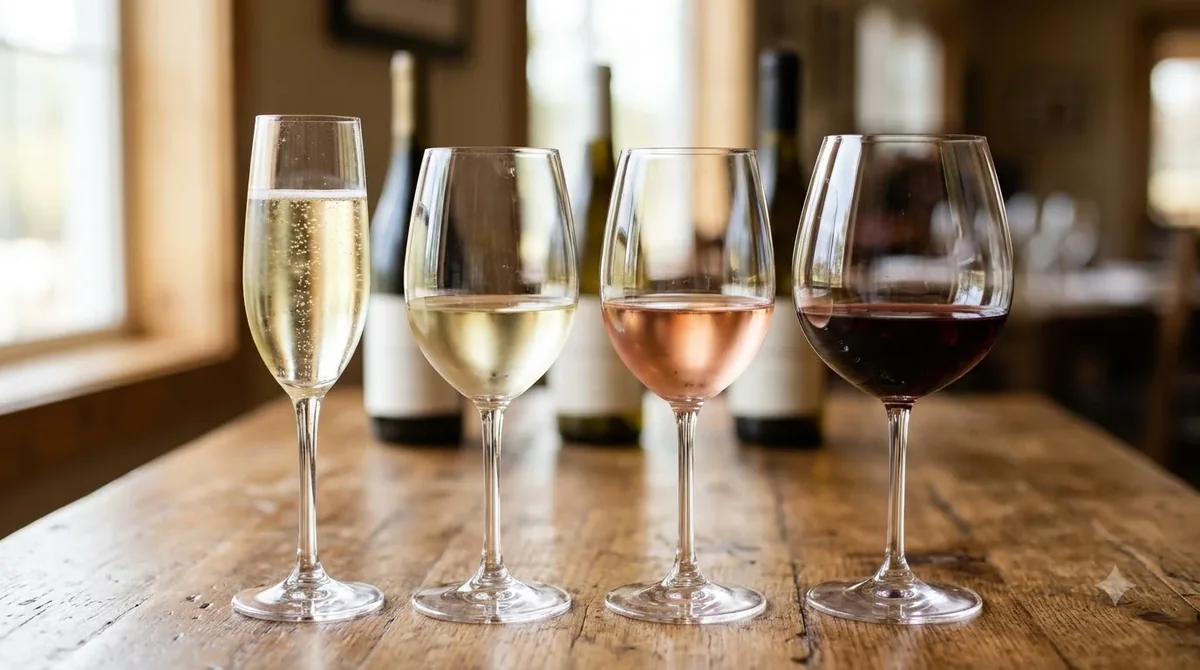
Serve red Burgundy slightly cool, not warm. A short time in the refrigerator before pouring helps the fruit and acidity stand out, and it keeps a Pinot Noir from tasting soft or alcoholic. Beaujolais is best served a little cooler still, since its fresh fruit shows best when it is not too warm.
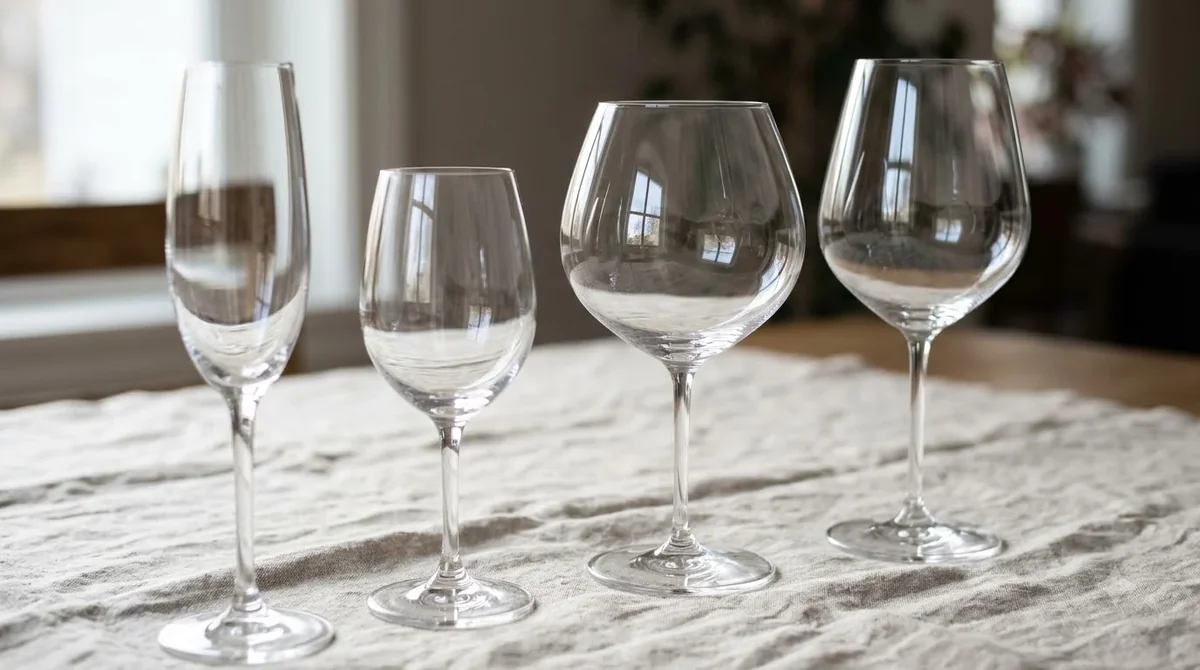
A glass with a wide bowl helps the aromas develop, especially for Pinot Noir. Pour a moderate amount so you can swirl the wine and notice the layers of fruit, earth, and spice. Most bottles from the house can be opened and poured straight away, though a younger village or cru bottle can benefit from a short rest in the glass.
If you do not finish a bottle, re-cork it and refrigerate it. Pinot Noir and Beaujolais both keep reasonably well for a day or two once opened, but the fruit fades over time.
Burgundy’s labels are easier to read once you know the basic ranks. A village wine comes from a single named commune, while a Premier Cru or Grand Cru comes from a named vineyard with a classified rating. Bourgogne is the broadest regional category. Beaujolais follows its own set of crus, which are named villages with their own character. Learning a handful of these terms makes shopping faster and helps you understand why two bottles from the same house can taste so different.
Serving temperature and glassware also shape the experience. Pinot Noir from the Côte d’Or rewards a glass with a wider bowl, and a young Beaujolais shows its fruit best when it is served a little cooler than a Burgundy. Taking the time to match the wine to the glass and the temperature is a simple habit that makes an everyday bottle feel more special.
Food Pairings for Louis Jadot Reds
Pinot Noir from Burgundy is one of the most flexible red wines at the table. Roast chicken, salmon, duck, and mushroom dishes are classic matches, because the wine’s acidity and gentle tannin balance the fat in the food. Earthy vegetables such as roasted beets and lentils also suit it well.
Beaujolais pairs especially well with lighter meats and with dishes that have a bit of fruit or herb. Charcuterie, roast pork, and grilled sausages are reliable choices, and the bright fruit works with many cheeses. A cru Beaujolais with more structure can handle heartier dishes, such as roast lamb or beef stew.
When a dish has a rich sauce, let the sauce guide the choice. A mushroom or cream sauce usually suits a Pinot Noir, while a more savory, herb-heavy sauce often pairs better with Beaujolais.
How to Choose a Bottle
Start with the region on the label. A Bourgogne bottling is the simplest way to taste Burgundy Pinot Noir, while a village or cru wine shows more individual character. If you want a lighter, fruit-driven red for an everyday meal, a Beaujolais is often a good choice.
Next, check the vintage. Burgundy vintages vary with the weather, and a recent bottle will reflect the current house style. For a gift or a dinner party, a village-level Burgundy from a good vintage is a safe and impressive choice.
Finally, think about how you plan to drink it. A simple Pinot Noir works with a casual weeknight dinner, while a cru Beaujolais or a village Burgundy suits a meal built around a roast or a special occasion. Because the house works across several regions, the label is the most reliable guide to the style in the glass.
Frequently Asked Questions
What kind of red wine does Louis Jadot make?
The house is known for Pinot Noir from Burgundy and Gamay from Beaujolais. Its vineyard holdings span Burgundy and include crus in Beaujolais, so the range covers both regions.
Is Louis Jadot red wine from Burgundy?
Many of the house’s reds are Burgundy wines made from Pinot Noir. Others come from Beaujolais, which is a separate region south of Burgundy and uses Gamay for its reds.
How long has Louis Jadot been making wine?
The house was founded in 1859 by Louis Henry Denis Jadot, and the family’s first vineyard purchase, the Clos des Ursules in Beaune, was made in 1826.
What should I serve with Louis Jadot Pinot Noir?
Roast chicken, salmon, duck, and mushroom dishes work well with Pinot Noir. Its acidity and gentle tannin suit a wide range of meals.
To compare the house with other producers, see the Wine Brands guide, and for other well-known reds, the Aveleda wine and Antinori red wine pages are good next reads. For background on the house and its vineyards, the Louis Jadot entry on Wikipedia is a useful reference.
More in Wine Brands
 Underwood Wine Price: Compare Bottles, Cans, and Pack SizesUpdated Nov 21, 2026
 Zenato Wine Price: Compare Styles and Choose the Right BottleUpdated Nov 21, 2026
 Zuccardi Wine Price: Compare Bottles and Find the Right RangeUpdated Nov 21, 2026
 Yellow Tail Moscato Review: Taste, Sweetness and Serving TipsUpdated Nov 21, 2026
 Wolf Blass Yellow Label Review: Choose Your Best StyleUpdated Nov 21, 2026
 Wolffer Estate Rose Review: Choose the Right Bottle for Your TableUpdated Nov 21, 2026