

We may earn a commission when you buy through links on this page, at no extra cost to you. Learn more.
How many ounces in a glass of wine? The U.S. standard pour is five ounces, which is about 148 ml. White wine is often poured a little less, around three ounces, while red is commonly poured around four ounces in some guidance. Restaurant pours often run a bit larger, so the number on your glass depends on the setting and the person pouring.
Most people have a rough idea of how much wine goes into a glass, but the number matters when you are hosting, tracking how much you drink, or comparing a bottle to the glasses it yields. This guide explains the standard pour, why it varies, and how to measure it at home.
The U.S. standard pour
The five-ounce figure is the reference most American guides use for a standard glass of table wine. It works as a common unit for comparing wine with other drinks, and it is the figure many people use when they talk about one serving. A standard 750 ml bottle contains about 25.5 ounces, so the math is straightforward: divide the bottle size by five and you get a little more than five servings.
The standard describes the amount poured, not the size of the glass. A tall, narrow flute and a wide Burgundy glass can each hold a five-ounce pour, even though the wine looks very different in each. That is why the same bottle can seem to fill a larger or smaller number of glasses depending on the shape of what you are drinking from.
Why white and red pours differ
Many guides suggest a smaller pour for white wine than for red. The reasoning is mostly about temperature and aroma. White wine is usually served cold, and a smaller pour helps it stay chilled and lets the glass be refilled at a comfortable pace. Red wine is often served at a warmer temperature, and its aromas open up as it sits in the glass, which is why some people pour a little more.
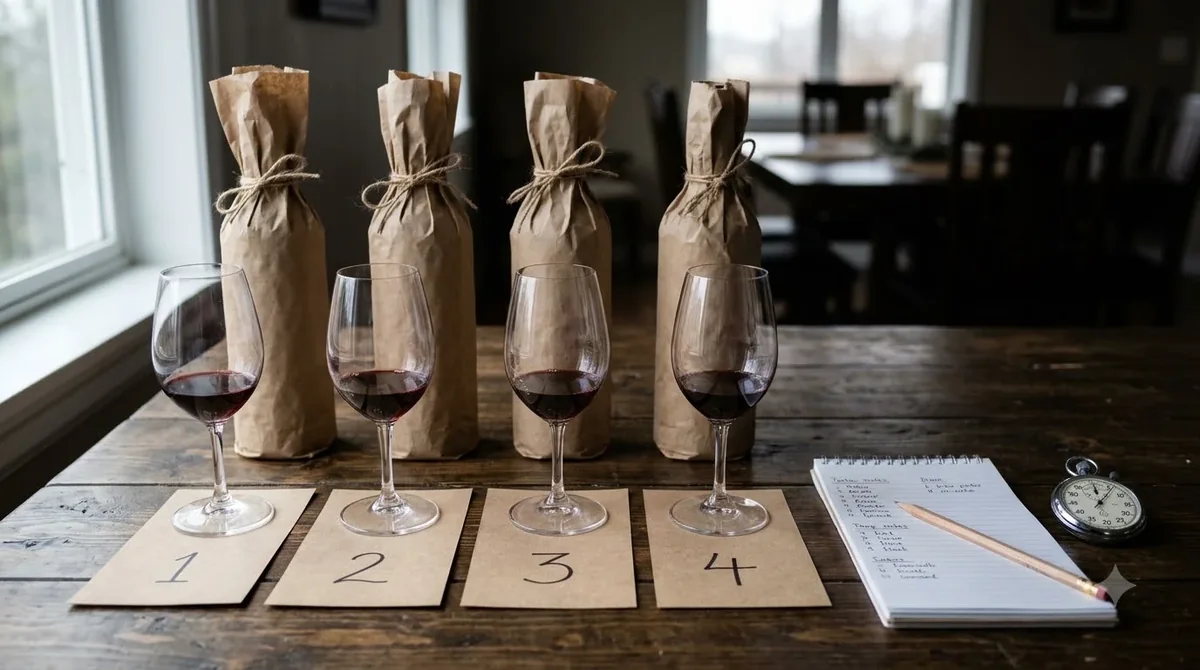
One source reviewed for this guide suggests about three ounces for white wine and about four ounces for red, while the U.S. standard of five ounces is used as the general reference. Use these as guidelines rather than strict rules, since personal taste and the wine itself both matter.
| Wine type | Common pour | Approximate milliliters |
|---|---|---|
| Table wine (U.S. standard) | 5 ounces | about 148 ml |
| White wine | about 3 ounces | about 89 ml |
| Red wine | about 4 ounces | about 118 ml |
The table is a helpful starting point, and the milliliter values are simple conversions of the ounce figures. Sweeter and fortified wines are usually poured in smaller amounts than table wine, because they are richer and a small glass goes a long way.
How restaurant pours compare
Restaurants and bars often pour more than a home standard, and the gap can be noticeable. Restaurant pours are often described as a little larger than the home standard, and the amount can vary widely depending on the glass. A wide bowl can make a five-ounce pour look small, and a narrow glass can make a six-ounce pour look full.
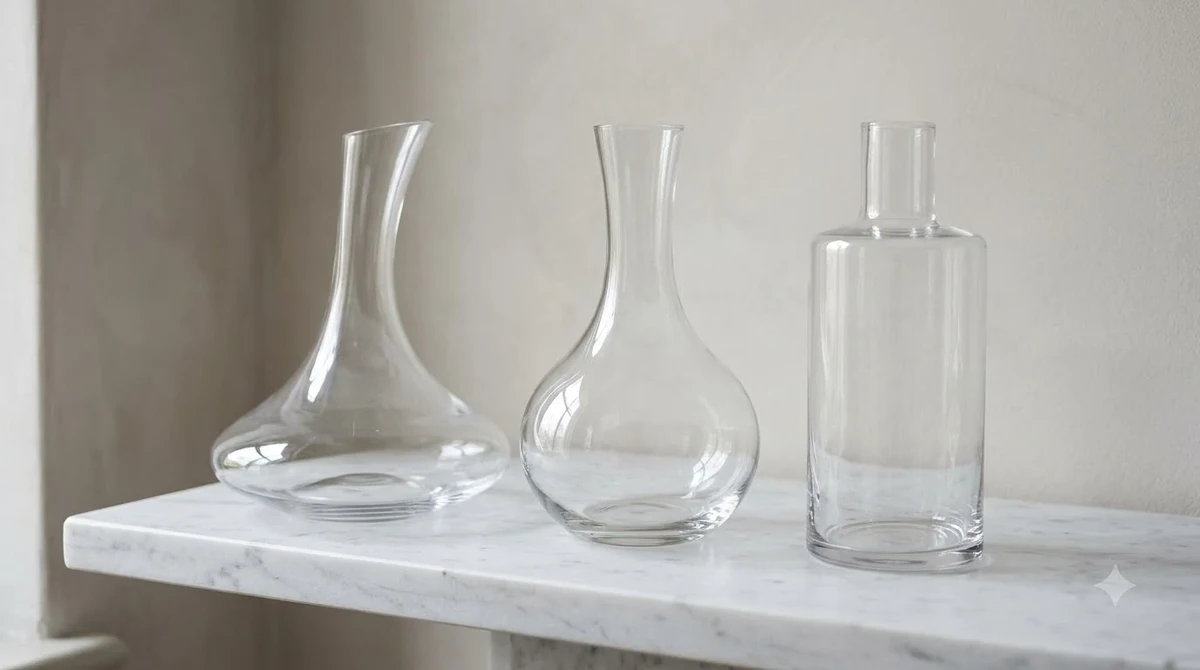
If you are ordering by the glass, it can help to ask what the pour size is or to compare the glass to a measured line on the pour. When you are cooking with wine or pouring at home, a measuring cup makes it easy to match the standard exactly. A kitchen measuring jug marked in ounces works well for this.
How to measure a pour at home
Measuring is most useful when you are first learning what a standard pour looks like. Once your eye is trained, you can estimate a glass with reasonable accuracy, but a quick check with a measuring tool still helps when you are planning for a group or working from a recipe that calls for an exact amount of wine.
The simplest way to measure a pour is with a jigger or a measuring cup. Pour five ounces into a glass, mark the level with a piece of tape or a marker on a clear glass, and use that mark as a guide for future pours. Over time you will learn what the standard looks like in your favorite glass, which makes measuring unnecessary.
Another approach is to count the glasses from a bottle. A standard 750 ml bottle yields a little more than five pours, so if you are planning for a group, you can divide the number of servings you expect by five to estimate how many bottles to buy. Adding a bit of extra wine for refills is a sensible habit, since people rarely pour exactly the same amount. Keep in mind that a pour measured once in a clear glass may look different in a stemmed glass, so measure in the glass you plan to use.
Why the pour matters for hosting
When you are hosting, the pour size affects how many bottles to open and how much wine to chill ahead of time. A group that sips slowly over a long dinner will use fewer pours per hour than a group gathered for a tasting or a casual party. Planning with the five-ounce standard gives you a reliable starting point, and you can adjust based on what your guests usually drink.
It also helps to think about what you are serving alongside the wine. A heavy meal may encourage smaller pours, while a relaxed gathering with appetizers might see more glasses poured. The guide on how many ounces are in a bottle of wine explains the bottle side of the math in more detail.
Converting ounces, milliliters, and glasses
Conversions come up in more places than you might expect, from cooking to shopping. A recipe may call for half a cup of wine, while a bottle label lists milliliters, and a restaurant menu may show a glass in ounces. Being able to move between these units keeps the math simple.
Wine labels in the United States usually list volume in milliliters, while recipes and pour guides often use ounces. A simple conversion helps. One fluid ounce equals about 29.6 ml, so five ounces is about 148 ml. A 750 ml bottle equals roughly 25.4 fluid ounces, which is why it is often described as about 25.5 ounces.
For quick math, remember that a 750 ml bottle divided by five-ounce pours gives about five glasses with a little left over. A 1.5-liter bottle, which is twice the size, gives about ten standard pours. Keeping these two figures in mind makes most wine calculations much easier. If you want the same math for the bottle side, our guide on how many glasses are in a bottle of wine walks through it step by step. Terms like pour, serving, and standard drink appear often on labels and menus, and the wine basics guide explains them in plain language.
The source of much of this guidance is trade and consumer wine writing, which often reflects typical practice rather than a single official rule. For a broader view of how wine is measured and described, the Tasting Table guide to wine pours explains the standard pour in plain terms.
Frequently Asked Questions
How many ounces are in a standard glass of wine?
The U.S. standard is five ounces, which is about 148 ml. Actual pours vary by setting, and some restaurants serve a little more.
How many ounces should a glass of white wine be?
Some guides suggest a smaller pour of about three ounces for white wine, mainly so it stays chilled and the glass can be refilled comfortably.
How many glasses are in a bottle of wine?
A standard 750 ml bottle holds about 25.5 ounces, which is a little more than five five-ounce glasses. Pour size changes the count, so the number of glasses is an estimate.
Does the size of the glass change the pour?
The pour is a measured amount, so a five-ounce pour is the same whether it sits in a flute or a wide bowl. The glass shape changes how full it looks, not how much it holds.
A standard glass of wine is about five ounces, with smaller pours for white and sweeter wines and slightly larger ones for red. Measuring a pour once at home will give you a reference you can trust, and it makes planning for a bottle or a party much easier.
More in Wine Basics
 Which Rose Is Best for Your Taste, Budget, and Food PairingsUpdated Nov 21, 2026
 Is Cheap Wine Bad? How to Find Bottles Worth DrinkingUpdated Nov 21, 2026
 What To Write On A Wine Gift Tag: Thoughtful Messages For Every OccasionUpdated Nov 21, 2026
 Which Wine Is Best For Weight Loss? Compare Lower-Calorie ChoicesUpdated Nov 21, 2026
 What Is The Best Wine For Mimosas? Choose Bubbly That Balances Orange JuiceUpdated Nov 20, 2026
 Which Prosecco Is Best for Your Taste and OccasionUpdated Nov 20, 2026