

We may earn a commission when you buy through links on this page, at no extra cost to you. Learn more.
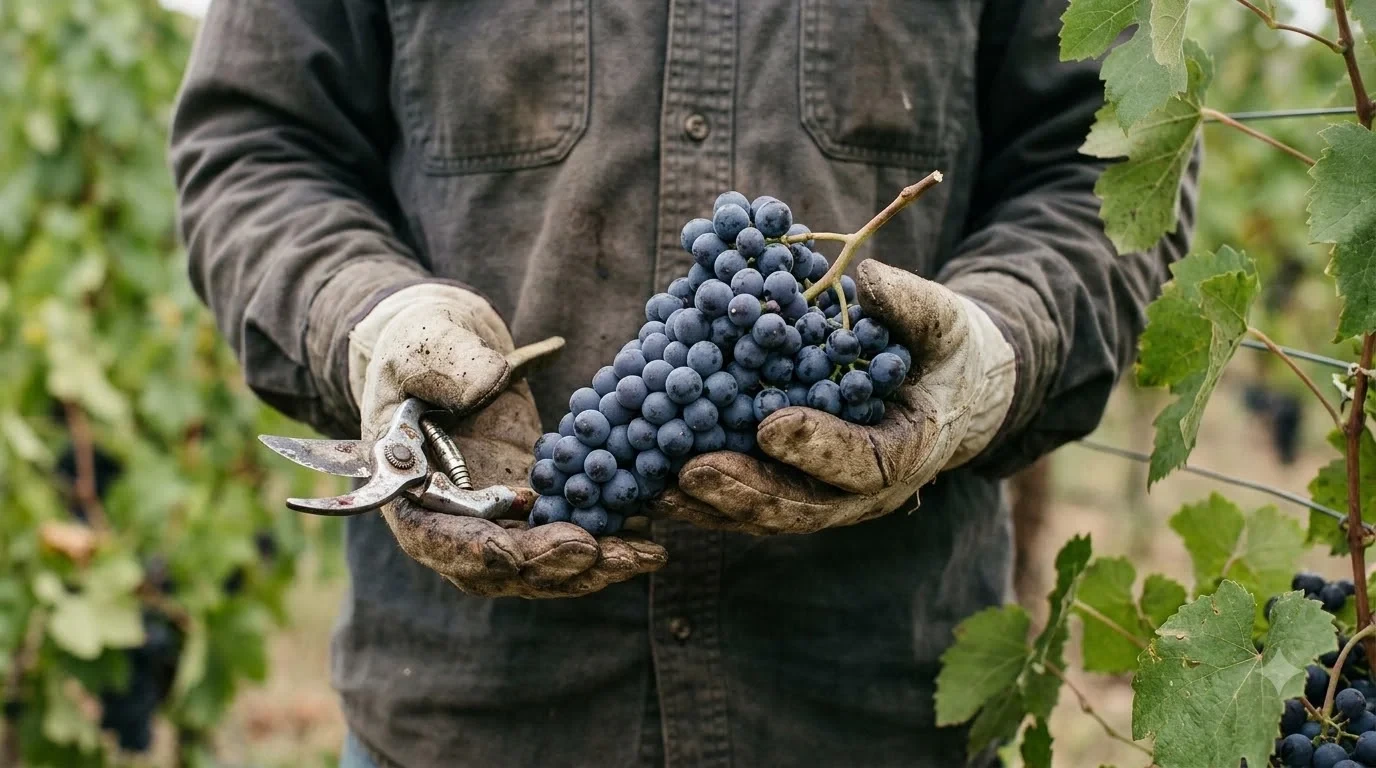
Missouri vineyards are among the oldest and most historic in the United States, built largely by German immigrants in the 1800s and known today for the Norton grape and French-American hybrids. Before Prohibition the state was one of the largest wine producers in the country, and vineyards today sit mainly in the central and southern parts of the state, with the Hermann area at the heart of the German-influenced wine country.
This guide explains where Missouri vineyards are, how the industry rose, fell and came back, which grapes make its wines distinctive, and what to know if you plan to visit or buy a bottle. The history is unusual for an American wine region, so it helps to understand it before you taste.
Where Missouri’s vineyards are located
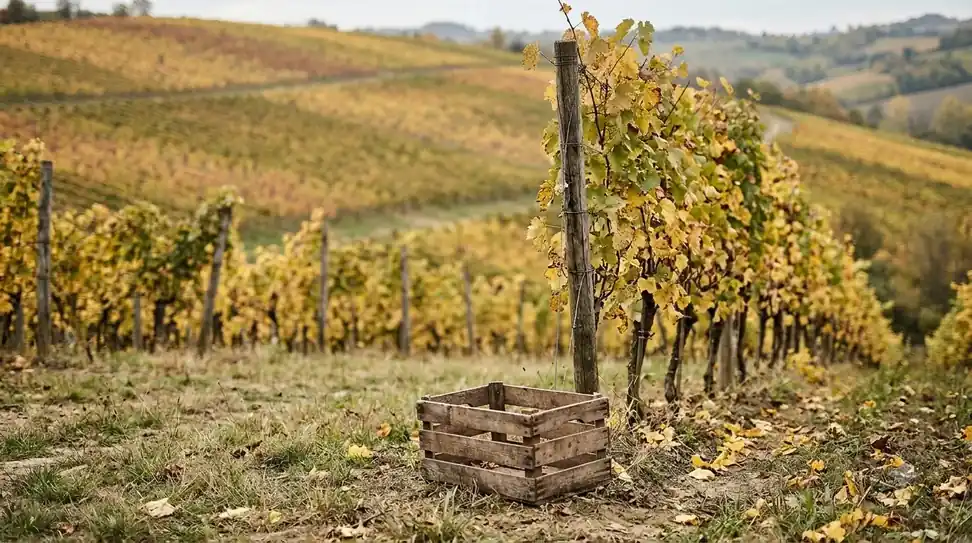
Most of Missouri’s wine country lies along the Missouri River, in a corridor that locals and historians call the Missouri Rhineland. The name reflects the German settlers who put down roots in the region and planted vines that reminded them of home. Towns along the river, especially Hermann, still carry that heritage in their architecture, festivals and tasting rooms.
Several designated American Viticultural Areas, or AVAs, cover the state. Augusta was the first, established in 1980. Others include Hermann, Ozark Highlands and Ozark Mountain, and the Loess Hills District appears in some listings. An AVA tells you the place a wine was grown, which matters because the Ozark hills and river valleys give different soils and drainage from the flat farmland to the north.
How German settlers built the industry
Missouri’s wine story begins in the early and mid 1800s, when German immigrants arrived and began planting vineyards on the hillsides above the river. Hermann, settled by Germans in 1837, grew fast. Reference histories note that the town produced about 10,000 U.S. gallons of wine a year by 1848 and about 100,000 by 1856. By the 1880s, the state as a whole was making about 2,000,000 gallons a year, which made it one of the largest producers in the country.
The most famous name from that era was Stone Hill Winery in Hermann, which became the second-largest winery in the nation at its peak. Italian immigrants later added to the wine culture, especially around the Rolla area. Then came Prohibition, which wiped out most of the commercial industry for decades. The modern revival began in the mid 1960s, and it has continued steadily since, with Missouri now home to well over 100 wineries.
The Norton grape and other hybrids
Missouri’s wine identity rests on grapes that handle the humid summers and cold winters of the Midwest. The Norton grape is the most prominent. Wine Folly’s Norton guide describes it as an American hybrid of Vitis vinifera and Vitis aestivalis, and notes that it “shows excellent promise for winemaking in America’s midwest.” Norton wines are typically dry, with black cherry, black currant, dill and black pepper notes, medium-full body and firm tannins, which is why they pair well with hearty food.
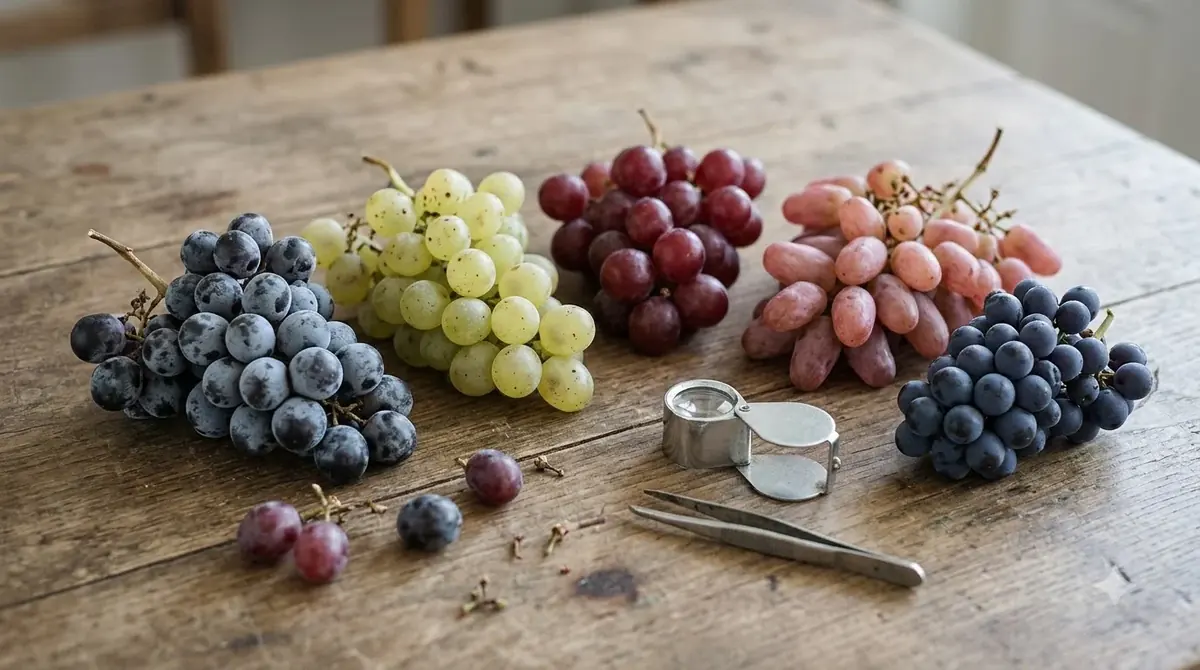
Other important varieties include Vignoles, Seyval and Chambourcin among the French-American hybrids, along with the native Catawba and Concord grapes. Vinifera varieties such as Cabernet Franc and Chardonnay have gained interest in recent years, but Norton and the hybrids remain the core of the state’s identity.
| Grape group | Examples in Missouri | Typical style |
|---|---|---|
| Native American | Catawba, Concord | Fruity, aromatic, often sweeter |
| French-American hybrids | Norton (Cynthiana), Vignoles, Seyval, Chambourcin | Dry reds and whites, bright acidity, strong fruit |
| Vinifera | Cabernet Franc, Chardonnay | Classic varietal styles, a newer focus for some growers |
The Norton story also shows why the grape suits the state. Its promise for Midwestern winemaking, as described in the Wine Folly guide, is one reason growers here have kept it at the center of their plantings rather than chasing delicate European vines. Missouri’s vineyards are a good example of a region choosing grapes for the weather it actually has, rather than the one it wished for.
Serving and pairing Missouri wines
Norton is a red that rewards a little patience. Wine Folly suggests serving it at about 60 to 68 degrees Fahrenheit and decanting it for around 30 minutes before pouring, which softens the tannins and opens the fruit. Its alcohol range is typically 13.5 to 15 percent, so it is a full-bodied glass rather than a light one.
Pairings also follow the local table. Missouri’s German roots bring sausages, pork and sauerkraut into the mix, while the state’s barbecue culture adds smoke and sweet sauces. Reds with firm tannins and dark fruit can stand up to those flavors, and the lighter hybrid whites suit picnic food, fresh salads and mild cheeses.
Because the state has a strong barbecue and German food tradition, Missouri reds often pair with smoked meats, sausages and hearty stews. The whites, especially the Vignoles and other hybrids, tend to be crisp and fruity, which makes them easier to match with lighter dishes or a simple cheese plate.
Tip: If you are trying Norton for the first time, ask for a dry version and give it a few minutes in the glass before you judge it. The fruit and spice usually open up as it warms slightly.
Visiting and buying Missouri wine
The easiest way to visit is to plan a river trip along the wine corridor, where several wineries sit within a short drive of each other. Tasting rooms often run tours of the vineyard or the cellar, and many host seasonal events. Hours can change, so check a winery’s website before you travel, especially on weekdays or in winter.
When buying, look for the grape and the appellation on the label. A Norton labeled from a specific AVA gives you a clear sense of style and origin. Local shops often carry Missouri bottles alongside imports, so it is easy to compare a Norton with a Cabernet Franc from another state.
For broader context on how American regions differ, the Wine Regions guide compares the main growing areas. If you want a cool-climate comparison from the eastern side of the country, Lake Erie vineyards show how another historic area works with hybrid grapes.
Frequently Asked Questions
What is Missouri known for in wine?
Missouri is known for its German heritage, its historic Rhineland wine corridor, and the Norton grape, a hybrid that makes dry, full-bodied reds. The state was a major producer before Prohibition, and its wineries have grown steadily since the 1960s revival.
How many wineries are in Missouri?
Missouri has well over 100 wineries, and the count has grown over the past two decades. Published figures vary by year and source, so check the state wine program or individual winery websites for the latest number.
What is the Norton grape?
Norton, also known as Cynthiana in parts of the Midwest, is an American hybrid that grows well in the humid Midwest. It makes dry reds with black cherry and black pepper notes and firm tannins, and it is the signature red of Missouri wine.
Is Missouri wine worth trying if I usually drink European wine?
Yes, especially if you enjoy dry reds with bold fruit. Norton tastes different from a classic European red, but it is a good way to explore an American style. Start with a dry bottle, serve it slightly cool and decant it for a short time.
Missouri vineyards have a long history and a distinct character. Whether you visit the river towns or pick up a bottle at a local shop, you are tasting a region shaped by German settlers, a difficult past and a steady modern revival.
More in Wine Regions
 Willcox Wine Trail: Discover Arizona’s High-Elevation Wine CountryUpdated Nov 20, 2026
 Yakima Valley Wine Region: Find the Best Styles to TryUpdated Nov 20, 2026
 Vosne Romanee Wine Tasting: Identify Aromas and Choose Better PairingsUpdated Nov 20, 2026
 Yakima Valley Wine Festival: Find the Best Seasonal Wine EventsUpdated Nov 20, 2026
 Wales Vineyards: Discover Cool-Climate Wines and Where to VisitUpdated Nov 20, 2026
 Yountville Wine Festival: Discover Napa Wines and Local FoodUpdated Nov 20, 2026