

We may earn a commission when you buy through links on this page, at no extra cost to you. Learn more.
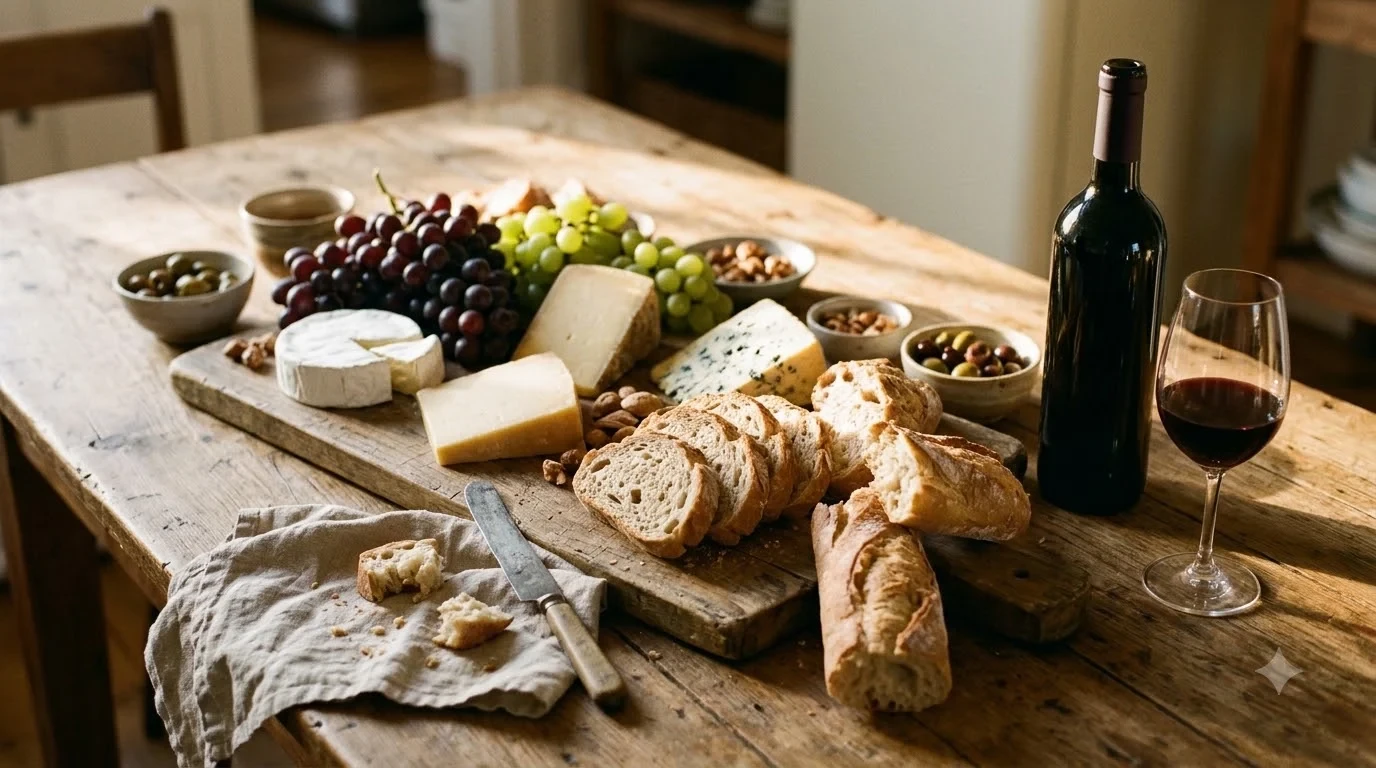
Bardolino red wine is a light, fresh Italian red from the hills east of Lake Garda in Veneto. It is usually blended from Corvina, Rondinella and Molinara, and the Bardolino DOC, granted in 1968, sets the rules for that blend. Most bottles are meant to be drunk young, served a little cooler than a heavy Cabernet, and matched with everyday Italian food.
This guide covers where Bardolino is made, which grapes go into it, the main styles you will see on shelves, and how to serve and pair it. If you want an Italian red that is bright and easy to drink, Bardolino is a good place to start.
Where Bardolino comes from
Bardolino takes its name from the town on the southeastern shore of Lake Garda, in the province of Verona. The DOC covers morainic hills around the lake and flatter plains to the south, where yields tend to be higher. According to the Wikipedia entry for the Bardolino DOC, about 45% of production comes from the classico zone that surrounds the town, which includes Affi, Cavaion, Costermano, Garda and Lazise.
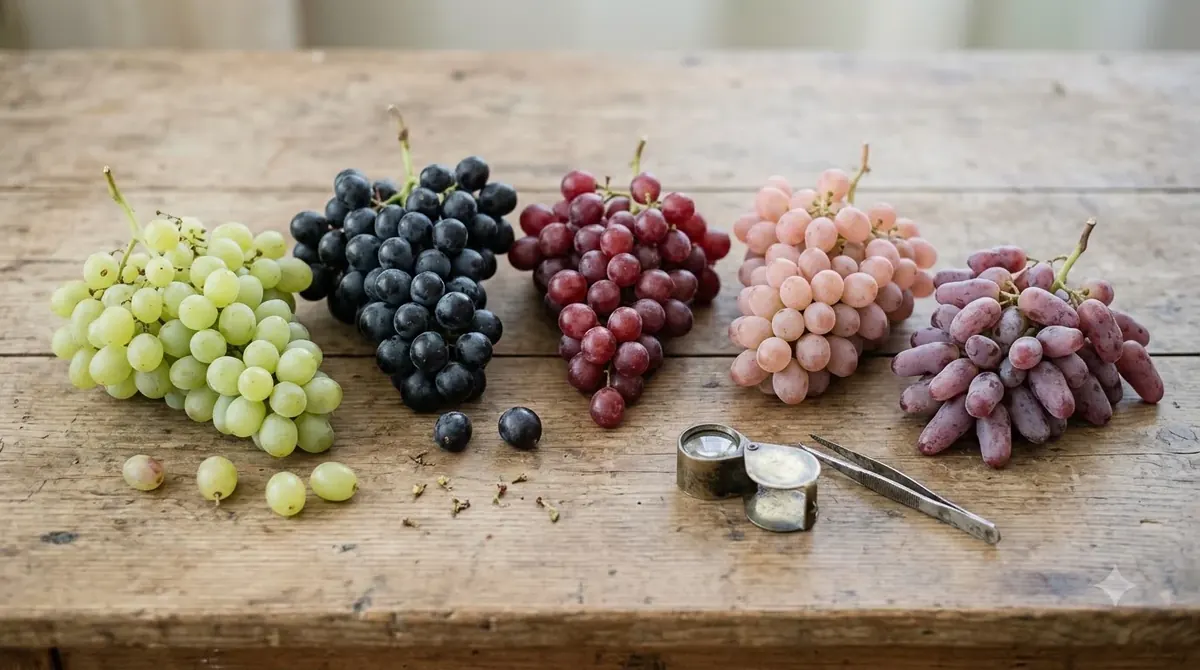
That split matters when you shop. If you want a wine from the lakeside heartland of the appellation, look for the word Classico on the label. Bottles from the flatter plains are still Bardolino, but the classico zone is the more established part of the appellation.
The vineyards sit on morainic hills, the ridges of earth and stone that glaciers left behind as they retreated. The sources used for this guide describe the zone by its hills and its lake setting, and they do not put a number on soil types, so treat any claim about soil as a producer’s own description rather than a fixed rule.
Grapes and blend
Bardolino is built around three main grapes. Corvina is the leading variety, with Rondinella and Molinara in supporting roles. Up to 15% of the blend may come from Rossignola, Barbera, Sangiovese or Garganega, used alone or in combination.
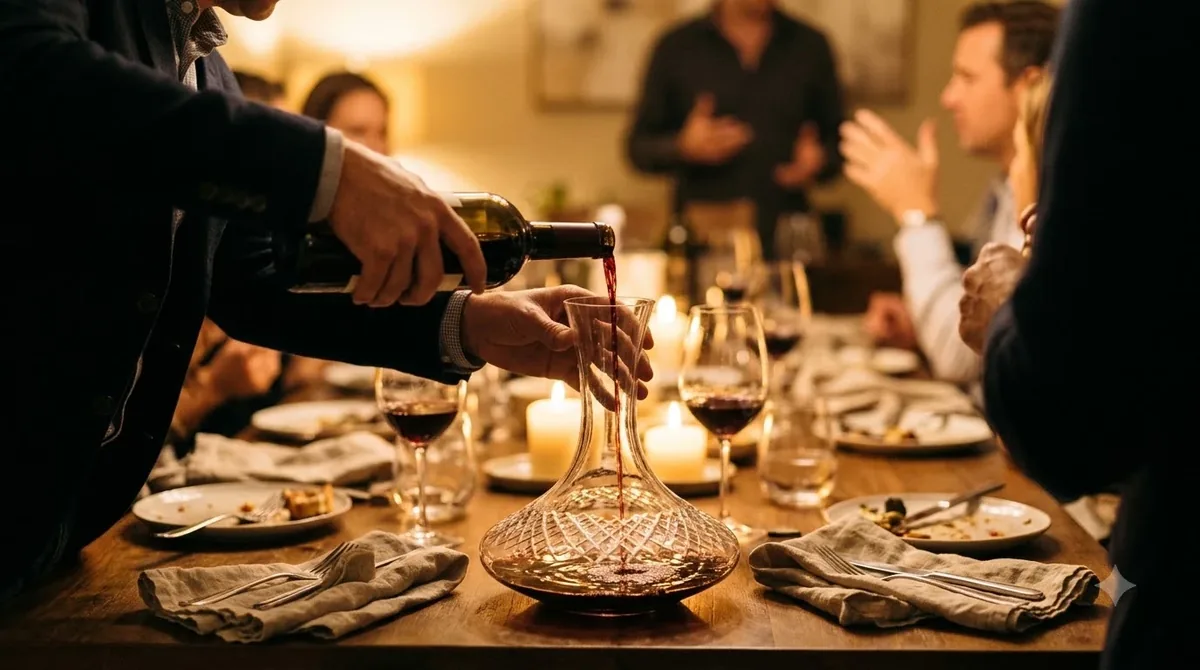
Corvina is also the anchor of Valpolicella, the neighbouring wine of the hills north of Verona. Wine Folly describes fresh-grape Corvina wines as showing “tart red cherry, plum and herbal aromas,” with high acidity and low tannin. That profile explains why Bardolino tastes brighter and lighter than a Cabernet-based red. The Wikipedia summary does not give exact proportions for the three main grapes, so a producer’s technical sheet is the place to check a specific bottle.
Blending is part of the local tradition. Producers combine the three main varieties rather than bottling one grape on its own, and that is why Bardolino is usually described as a blend. If you have tried a Valpolicella and liked its cherry character, Bardolino is a natural next step, since the two share a grape and a region.
| Grape | Role in Bardolino | What the sources say |
|---|---|---|
| Corvina | Leading variety | Tart red cherry, plum and herbal notes in fresh-grape wines |
| Rondinella | Supporting variety | Named in the DOC blend |
| Molinara | Supporting variety | Named in the DOC blend, and often blended with Corvina |
| Rossignola, Barbera, Sangiovese, Garganega | Up to 15% combined | Permitted in any combination |
The main Bardolino styles
Bardolino is a family of wines rather than one style. The base red is the everyday bottle you will find most often. The Superiore is a step up in structure: it must have at least one extra percent of alcohol and be aged at least one year before release. It was promoted to DOCG status in 2001.
Other styles are worth knowing when you read a wine list or shop an unfamiliar shelf. Chiaretto is a rosé, sometimes labelled Bardolino Chiaretto. Frizzante is a lightly sparkling version. Novello is a young style first produced in the late 1980s and modeled on Beaujolais nouveau, so it is meant to be drunk soon after the harvest rather than stored.
When you compare styles on a shelf, check the label for the appellation name and the word Superiore, rather than relying on the color or the shape of the bottle. The Superiore designation is the clearest sign that the producer followed the stricter rules on alcohol and aging. A base bottle from the same producer will usually be lighter and quicker to drink.
- Bardolino: the base red and the most widely sold style
- Superiore: higher minimum alcohol and at least one year of aging
- Chiaretto: the rosé of the appellation
- Frizzante: lightly sparkling
- Novello: young, fruity and released early
How to serve Bardolino
Serve young Bardolino slightly cooler than you would a big red. Wine Folly describes fresh-grape Corvina as dry, with low tannin and high acidity, which suits a bottle that is not allowed to get warm on the table. Pour it into a standard red wine glass and let it sit in the glass for a few minutes as it comes up in temperature.
Storage matters too. Keep bottles out of direct sun and away from the stove, and drink them within a short window once opened. A simple stopper in the refrigerator will hold a half-finished bottle for a day or two, although the fresh fruit notes fade faster than they do in a fuller red. Treat the wine as a fresh, everyday bottle rather than something to lay down for years.
Young Bardolino usually does not need decanting. Superiore and older bottles can handle a short decant if they seem tight, but do not expect the dramatic change you would get from a heavy Italian red. A short pause in the glass is often enough.
Food pairings for Bardolino
A light, bright red suits food with tomato, herbs or grilled flavors. Pizza, pasta with tomato sauce, grilled sausage and mild cheeses are easy matches. A chilled Chiaretto works with the same plates and adds a little more freshness.
Keep very rich or heavily fried dishes for a more structured red such as a Superiore. A light Bardolino can taste thin next to heavy sauces. Antipasti with cured meats and fresh cheese make a good opening course, and the wine stays in balance with them.
Think about the weight of the sauce as much as the main ingredient. A light tomato sauce with basil works well, while a long-simmered meat ragù calls for something fuller. For a casual dinner, a simple plate of pasta with olive oil and herbs is often the best match, because it lets the wine’s cherry and herb notes come through without competing.
Tip: If you are unsure which style to buy, start with the base Bardolino from a producer you trust, then move up to a Superiore once you know which flavors you like.
Frequently Asked Questions
Is Bardolino red wine sweet?
Standard Bardolino is a dry red. That matches the fresh-grape Corvina wines described by Wine Folly, which are dry with high acidity. If you prefer a softer style, look for a chilled Chiaretto rosé instead of the red.
What does Bardolino taste like?
Expect tart red cherry, plum and herbal notes, with a light body and fresh acidity. The wine is generally less powerful than a Cabernet Sauvignon, which makes it a good everyday red. Many drinkers like it because the fruit is clear and the finish is short, so it does not ask for much attention at the table.
How is Bardolino different from Valpolicella?
Both use Corvina and both come from Veneto. Bardolino is named for the lakeside zone around Lake Garda, while Valpolicella comes from the hills north of Verona. Amarone and Recioto della Valpolicella are made from dried grapes, so they are fuller and richer than Bardolino.
Should I chill Bardolino before serving?
Yes, a light chill is a good idea. Serve young Bardolino a little cooler than a heavy red, and let it warm slightly in the glass. Superiore bottles can be served a touch warmer than the base wine. If you open the bottle and it feels too cold to smell, let it rest for a few minutes before you pour, so the aromas have room to show.
Bardolino is an easy Italian red to enjoy with simple food. For a broader view of Italian reds, see Antinori red wine, or browse the wine brands guide to compare producers. For the grape itself, Wine Folly’s Corvina profile is a useful next read.
More in Wine Brands
 Underwood Wine Price: Compare Bottles, Cans, and Pack SizesUpdated Nov 21, 2026
 Zenato Wine Price: Compare Styles and Choose the Right BottleUpdated Nov 21, 2026
 Zuccardi Wine Price: Compare Bottles and Find the Right RangeUpdated Nov 21, 2026
 Yellow Tail Moscato Review: Taste, Sweetness and Serving TipsUpdated Nov 21, 2026
 Wolf Blass Yellow Label Review: Choose Your Best StyleUpdated Nov 21, 2026
 Wolffer Estate Rose Review: Choose the Right Bottle for Your TableUpdated Nov 21, 2026