

We may earn a commission when you buy through links on this page, at no extra cost to you. Learn more.
If you are wondering what does pinotage taste like, expect a bold, full-bodied red wine bursting with dark fruit like blackberry, black cherry, and plum sauce alongside savory, smoky undertones of tobacco, licorice, and roasted coffee. Despite sharing half of its name with delicate Pinot Noir, South Africa’s signature red grape looks and drinks much closer to a rich Shiraz or Petite Sirah, featuring deep purple pigment, medium-high tannins, and lively acidity. Depending on how it is made, a glass can range from bright and red-fruited in unoaked youth to velvety, earthy, and mocha-laced after oak aging.
Because Pinotage was bred from Pinot Noir and Cinsaut, many first-time drinkers pour a glass expecting light, silky cranberry notes and get caught off guard by its sheer power and smoky depth. Understanding how climate, barrel aging, and winemaking styles shape this grape makes it far easier to pick a bottle that matches your palate and dinner menu.
What Is Pinotage?
Pinotage is a red wine grape created in South Africa in 1925 by crossing Pinot Noir with Cinsaut, a Mediterranean variety known locally at the time as Hermitage. Rather than inheriting the pale color and light frame of its parent grapes, this cross produces thick-skinned, deeply pigmented berries that yield dark, structured, and richly flavored red wines.
Professor Abraham Izak Perold of Stellenbosch University bred the variety with a practical goal: he wanted a vine that delivered the refined fruit character of Pinot Noir while thriving in South Africa’s warm, sunny vineyards as reliably as Cinsaut. The experiment nearly vanished when only four seedlings survived in Perold’s garden and were almost cleared away after he left his post. In 1941, Professor C.J. Theron rescued and propagated the vines at the Welgevallen experimental nursery in Stellenbosch, producing the very first barrel of Pinotage wine that same year.
For decades, Pinotage carried a polarizing reputation outside South Africa. Growers realized the vines could produce massive crop yields in warm sun, which often led to thin wines marred by harsh, chemical aromas reminiscent of paint or nail polish remover when fermentations ran too hot. Over the past two decades, a new generation of South African winemakers dramatically lowered vineyard yields, harvested at balanced ripeness, and refined cellar temperature controls, transforming Pinotage into one of the most distinctive wines in the Southern Hemisphere.
Flavor Profile and Styles of Pinotage
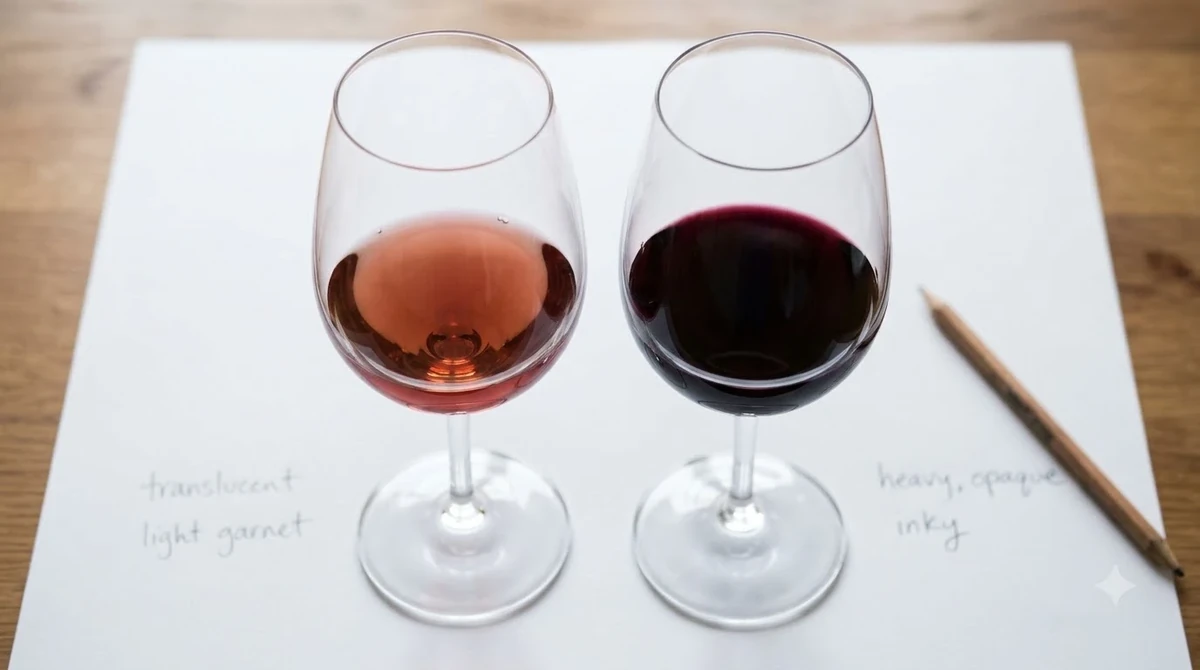
At its core, classic red Pinotage combines concentrated dark and red berry fruit with savory, earthy, and smoky secondary notes. In the glass, it shows an opaque ruby-purple hue, noticeable grip on the gums, and refreshing acidity inherited from both parent varieties.
On the nose and palate, ripe black cherry, blackberry, mulberry, and plum sauce typically lead the way. In cooler vintages or younger, unoaked bottlings, brighter accents of raspberry, red cherry, red licorice, and even a faint hint of red bell pepper or rooibos tea emerge. Because the grape’s skins pack high levels of anthocyanins and tannins, the mouthfeel feels substantial and plush, often finishing with warm spice, dried leaves, and a subtle sweet-and-sour tang.
Winemakers also craft several distinct expressions of Pinotage that dramatically shift what you taste in the glass. As Wine Folly’s comprehensive guide to Pinotage notes, barrel aging and regional climate steer the wine from lively fruit-forward pours toward complex, age-worthy reds with leather and dark chocolate depth. In 2001, winemaker Bertus Fourie at Diemersfontein pioneered a style known as “Coffee Pinotage,” using heavily toasted oak staves or barrels to accentuate rich espresso, mocha, and dark chocolate aromas. Beyond still reds, South African producers also turn the grape into crisp pink rosés, white Blanc de Noir wines pressed gently off the dark skins, and traditional Cape Blends where Pinotage makes up at least thirty percent alongside Cabernet Sauvignon and Merlot.
| Pinotage Style | Primary Fruit Notes | Savory and Oak Notes | Body and Tannin |
|---|---|---|---|
| Classic Oak-Aged Red | Black cherry, ripe plum, blackberry | Smoke, sweet tobacco, cedar, leather | Full body, medium-high tannins |
| Unoaked / Young Red | Raspberry, red cherry, mulberry | Dried herbs, rooibos, gentle spice | Medium body, softer tannins |
| Coffee Pinotage | Baked plum, dark fig, cassis | Roasted espresso, mocha, dark chocolate | Full body, plush velvety texture |
| Cape Blend | Blackcurrant, black cherry, plum | Earth, graphite, vanilla, savory herbs | Full body, firm structured tannins |
| Pinotage Rosé / Blanc de Noir | Strawberry, watermelon, white peach | Subtle floral notes, crisp minerality | Light body, crisp acidity, zero tannin |
Where Pinotage Grows
South Africa remains the undisputed heartland of Pinotage, accounting for the vast majority of global plantings across the Western Cape. Small experimental pockets exist in New Zealand, California, Israel, and Switzerland, yet the grape’s character is defined by South African soils and coastal breezes.
Within the Western Cape, regional microclimates create noticeable differences in flavor and structure. Stellenbosch—especially warmer sub-regions like Simonsberg—is famous for structured, age-worthy Pinotage with dark berry concentration, firm tannins, and savory complexity that can evolve for ten to fifteen years in bottle. Neighboring Paarl enjoys slightly warmer temperatures that yield velvety, generous wines brimming with ripe black cherry, raspberry, and warm spice.
Further north in the Swartland and Darling regions, dry-farmed old bush vines rooted in weathered granite and shale produce concentrated, earthy bottles with wild scrub herb notes and grippy texture. Meanwhile, cooler maritime pockets in Walker Bay and Elgin slow down ripening, yielding lighter-colored, aromatic expressions that show off Pinotage’s Pinot Noir heritage with bright red fruit and brisk acidity. If you enjoy exploring how South African terroir shapes different grapes, comparing Pinotage with a crisp glass of what Chenin Blanc tastes like reveals both sides of the Cape wine scene.
How to Serve Pinotage
Serving red Pinotage slightly below standard room temperature—ideally between 60°F and 68°F (15°C to 20°C)—keeps its ripe fruit vivid and prevents its 13% to 15% ABV from tasting hot. Chilled Pinotage rosé and Blanc de Noir styles shine much colder at 46°F to 54°F (8°C to 12°C).
Because Pinotage grows in sun-drenched vineyards, bottles frequently reach higher alcohol levels than cool-climate reds. Pouring a red Pinotage straight from a warm kitchen counter can amplify alcohol vapor and make toasted oak notes feel heavy. Placing the bottle in the refrigerator for fifteen to twenty minutes before opening brings it right into the ideal cellar window.
A large Bordeaux-style glass or a generous universal wine glass gives the wine room to breathe and funnels its layered dark fruit and smoky aromatics toward your nose. Young, deeply structured bottles from Stellenbosch benefit from thirty to sixty minutes in a decanter to soften their firm tannins and blow off any tight, reductive cellar aromas. Lighter, unoaked red styles need little more than a quick swirl in the glass before sipping.
Tip: If you are pouring a young, fruit-forward Pinotage for a summer cookout, chill the bottle in the fridge for 20 minutes first so the berry flavors stay crisp and refreshing alongside smoky grilled food.
Best Food Pairings for Pinotage
Pinotage is built for food cooked over live fire, making it the go-to red wine for a traditional South African braai (backyard barbecue). Its smoky undertones mirror charred crusts while its medium-high tannins and bright acidity cut cleanly through rich fat and sweet-savory glazes.
Grilled meats sit at the top of the pairing list. Slow-smoked pork ribs brushed with tangy barbecue sauce, charred lamb chops, pepper-crusted ribeye steaks, and juicy bacon cheeseburgers all lock onto the wine’s plum sauce and tobacco notes. Game meats such as venison roast, wild boar, or roasted duck breast also thrive alongside Pinotage’s earthy, slightly gamy edge.
For meatless meals, match the wine’s savory depth with umami-rich ingredients. Wild mushroom risotto, charred portobello burgers, lentil stews, and aged hard cheeses like mature cheddar or Gouda highlight the grape’s dark fruit without letting its tannins overwhelm your palate. Gently spiced dishes—such as Cape Malay bobotie, Moroccan lamb tagine, or smoky eggplant curries—also harmonize nicely with the wine’s clove, cinnamon, and licorice accents. You can explore even more food-friendly red profiles across our guide to Wine by Type.
How to Choose a Great Bottle of Pinotage
Shopping for Pinotage comes down to matching the producer’s winemaking style and regional origin to the flavor profile you prefer. Because quality has climbed dramatically over the past twenty years, looking at a few label clues helps you avoid overly oaked or clumsy bottles.
Start by checking the region and vine age on the label. Bottles labeled Stellenbosch, Simonsberg-Stellenbosch, or Swartland—especially those mentioning old bush vines—tend to come from low-yielding vineyards that deliver concentrated fruit and balanced acidity. If you want a classic, structured red built for steak or cellaring, look for heritage South African estates such as Kanonkop, Beyerskloof, Beeslaar, Fairview, or Kaapzicht.
Next, read the back label to see how the wine was aged. Terms like “unwooded” or “unoaked” signal a brighter, juicier red focused on raspberry and red plum, whereas aging in French oak barrels points toward cedar, dark chocolate, and supple tannins. If a label mentions mocha or espresso character, you are looking at a Coffee Pinotage style—fun with smoked brisket or dark chocolate desserts, though much sweeter-smelling than traditional bottlings. For drinkers who love rich, savory Italian reds and want to compare similar dried-fruit and spice profiles, learning what Corvina tastes like offers a helpful point of reference.
Frequently Asked Questions
Does Pinotage taste like Pinot Noir?
No, Pinotage tastes very different from Pinot Noir even though Pinot Noir is one of its parent grapes. While Pinot Noir is light-bodied, pale, and delicate with tart red cherry notes, Pinotage is deeply colored, full-bodied, and tannic with bold flavors of blackberry, plum sauce, smoke, and sweet tobacco.
Is Pinotage a sweet or dry red wine?
Pinotage is almost always fermented completely dry, meaning it contains virtually no residual sugar. However, its ripe dark fruit flavors of black cherry, baked plum, and vanilla oak can create a lush, slightly sweet impression on the mid-palate.
Why do some people say Pinotage smells like burnt rubber or paint?
In the past, high vineyard yields, overripe grapes, and warm fermentations caused some Pinotage wines to develop elevated volatile acidity or reductive sulfur compounds, leading to sharp aromas of nail polish remover or burnt rubber. Modern South African winemakers prevent these flaws through lower yields, careful canopy management, and strict fermentation temperature control.
What grape is most similar to Pinotage?
Shiraz (Syrah) and Petite Sirah are the closest flavor matches to classic red Pinotage because they share its inky color, full body, firm tannins, and mix of dark berry fruit with smoky, peppery, and savory notes. Australian Shiraz or bold California Zinfandel will feel very familiar if you enjoy Pinotage.
Pinotage rewards curious wine drinkers who enjoy bold, smoky reds with unmistakable character. Once you know to expect dark berries, savory spice, and a hearty grip rather than light Pinot Noir elegance, finding a bottle that shines at your next cookout or dinner party becomes effortless.
More in Wine Types & Grapes
 Zinfandel Sugar Content: Dry Red vs. White Zinfandel GramsUpdated Nov 21, 2026
 Best Zinfandel Substitute Options for Sipping and CookingUpdated Nov 21, 2026
 Zweigelt Food Pairing: Best Dishes, Cheeses, and Serving TipsUpdated Nov 21, 2026
 Zinfandel Tannins Explained: How Structure Shapes Every BottleUpdated Nov 21, 2026
 Zinfandel Sweetness Level: Dry Red vs. Sweet White Zin ExplainedUpdated Nov 21, 2026
 Xinomavro Food Pairing: Best Dishes, Styles, and Serving TipsUpdated Nov 21, 2026