

We may earn a commission when you buy through links on this page, at no extra cost to you. Learn more.
Langhe wine comes from the rolling hills of Piedmont in northwest Italy, where Nebbiolo, Moscato Bianco and a handful of other local grapes produce some of the country’s most respected bottles. The area is known for structured reds with firm tannins, aromatic sparkling wines, and a long tradition of winemaking that has earned it UNESCO World Heritage recognition. If you are new to these wines, start with a Nebbiolo-based red or a Moscato d’Asti for something lighter.
This guide explains where Langhe wine comes from, which grapes and denominations matter most, how the main styles taste, and how to serve and pair them. The goal is to help you choose a bottle with confidence, whether you are buying for dinner or planning a visit to the region. For a broader view of Italian and European regions, see the Wine Regions hub.
What Langhe Wine Is and Where It Comes From
Langhe is a hilly area in Piedmont, and the name is used for both a landscape and the wines grown across it. According to the Consorzio dell’Asti DOCG, the hills of Langhe, Roero and Monferrato are recognized as a UNESCO World Heritage site, a designation that reflects centuries of vineyard and cellar know-how rather than a single style of wine.
The consortium’s figures give a sense of the scale of the production area: 51 comuni (municipalities), about 9,900 hectares of vineyards, and roughly 3,000 growers. Those numbers describe the wider Asti and Monferrato zone, so they are best read as an indication of how many producers work in these hills rather than a count of Langhe alone.
The terrain matters because slopes, soil and exposure change how grapes ripen. Vineyards on higher, well-drained ground tend to give wines with more acidity and structure, while lower sites can produce softer, rounder bottles. Winemakers in the area often describe their wines in terms of the specific hill or commune where the fruit was grown.
The Main Grapes Behind Langhe Wines
Two grapes define much of the region’s reputation. Nebbiolo is the red grape behind the area’s most serious wines, and Moscato Bianco is the white grape used for its sweet, aromatic sparkling styles. Other local varieties are also grown across Piedmont, but Nebbiolo and Moscato are the ones most visitors and buyers encounter first.
Wine Folly describes Nebbiolo as one of Italy’s most important red grapes, prized for its delicate aromas alongside strong tannins. Its typical flavors include cherry, rose, leather, anise and clay pot. In the glass, it usually shows as a bone-dry, medium-full wine with high tannins and medium-high acidity, which is why it rewards time in the bottle and food on the table.
Moscato Bianco works in a completely different way. It is the base for the sparkling wines of the Asti zone, where the sweetness, low alcohol and fresh floral character are the main attraction. Many people who think they do not like sweet wine find Moscato d’Asti refreshing because the bubbles and acidity keep it light.
Denominations and Styles to Know
Italian wine law uses designations such as DOC and DOCG to mark where and how a wine is made. The Consorzio dell’Asti DOCG lists the main denominations connected to Moscato Bianco, and they are a useful starting point when you are reading labels in the Langhe area.
| Denomination | Grape | Style | Good first choice when |
|---|---|---|---|
| Asti Spumante DOCG | Moscato Bianco | Sparkling, sweet, fuller bubbles | You want a celebratory sparkler with dessert |
| Moscato d’Asti DOCG | Moscato Bianco | Lightly sparkling, low alcohol, floral | You want a gentle, fruity glass for brunch or afternoons |
| Canelli DOCG | Check the label (Asti-zone denomination) | Wines tied to a named village | You want to explore a specific village’s character |
| Strevi DOC | Check the label (Asti-zone denomination) | Wines tied to a named village | You are comparing sub-zone styles |
The table lists the denominations named by the consortium for the Asti zone. Labels from elsewhere in Langhe can carry different designations, so check the bottle before assuming the style. A Nebbiolo-based red from the Langhe hills will usually be dry, while a Moscato from the same hills is typically sweet and aromatic.
How to Serve Langhe Wines
Serving temperature changes how these wines taste, and the right choice depends on the style.
Wine Folly gives 55–60°F (12–15°C) as a serving range for Nebbiolo, which keeps the tannins structured without making the wine feel hot or heavy. Chilling a young Nebbiolo slightly can also help the fruit come forward.
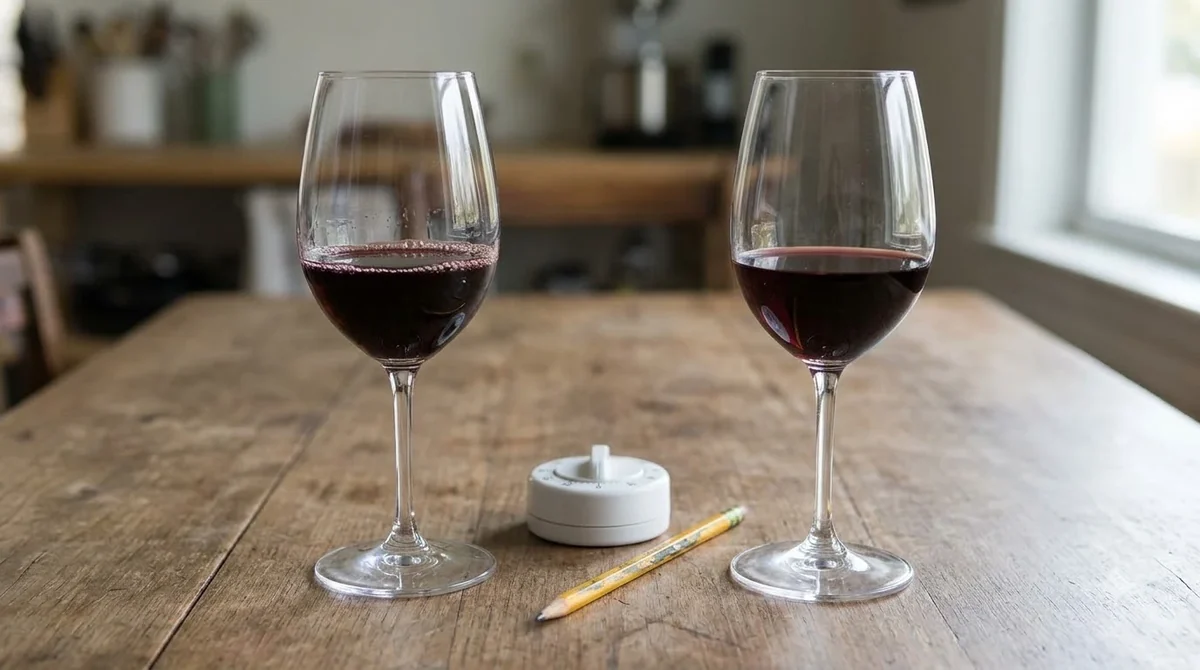
Moscato-based wines are best served colder, and the sparkle lasts longer when the bottle is kept cool. Use a glass with a narrow bowl so the aromas stay concentrated. For reds, a wider bowl gives the wine room to open, especially if the bottle is young and firm.
Decanting an older Nebbiolo for an hour or so can soften the tannins and open the aromas. Younger bottles usually do not need it, although a short time in the glass before drinking can still make a difference.
Tip: If you are unsure about a red from the area, open it an hour before dinner and pour a small taste first. Nebbiolo often gets more expressive as it warms slightly in the glass.
Food Pairing with Langhe Wine
Nebbiolo’s firm tannins and acidity make it a good match for rich, savory dishes. Roasted or braised meats, aged cheeses and mushroom-based dishes work well because the wine has enough structure to stand up to them without overwhelming the food. Tomato-based sauces also suit its acidity.
Moscato d’Asti pairs best with lighter, sweeter foods. Fresh fruit, pastries, and mildly sweet desserts are classic choices. Asti Spumante, with its fuller bubbles, can handle richer desserts such as fruit tarts and custards.
For a simple pairing test, match intensity to intensity. A delicate Moscato suits a light dessert, while a powerful Nebbiolo needs a dish with comparable weight. If the wine tastes sharp next to the food, try a richer or saltier dish, and if the food overwhelms the wine, switch to something simpler.
How to Choose and Buy a Bottle
When you are shopping for Langhe wine, start with the grape and the denomination rather than the producer alone. A bottle labeled with a Nebbiolo variety from the hills is a different experience from a sparkling Moscato, even if both come from the same area. Read the back label for the alcohol level and the style description, since these tell you more about the wine than the marketing on the front.
Wines from this region are sold in many shops, and the quality range is wide. Look for producers who describe their vineyards and winemaking clearly, and be cautious with any bottle that gives only a vague regional name. If a store staff member can explain the difference between a Moscato d’Asti and an Asti Spumante, that is a good sign of expertise.
Frequently Asked Questions
Is Langhe wine always red?
No. The area produces dry red wines based on Nebbiolo, and it is also known for sweet, aromatic sparkling wines made from Moscato Bianco. Checking the grape and denomination on the label tells you which style you are buying.
What is the difference between Asti Spumante and Moscato d’Asti?
Both are based on Moscato Bianco and carry DOCG status. Asti Spumante has fuller bubbles and a richer feel, while Moscato d’Asti is lighter and softer. The label and the producer’s description will show which one you have.
What temperature should I serve a Nebbiolo from Langhe?
Wine Folly suggests 55–60°F (12–15°C) for Nebbiolo. That range keeps the tannins and acidity balanced. Young bottles can be served slightly cooler to show the fruit, and older ones can be served a little warmer.
Is Langhe a good place to visit for wine tasting?
Many visitors come to the hills to see the vineyards and try local wines directly from producers. Plan ahead for appointments, because many smaller estates work by reservation. Pairing a visit with a local meal is a common way to taste the region’s styles.
Langhe wine rewards curiosity. Start with one Nebbiolo red and one Moscato, compare them side by side, and note which style you prefer. From there, you can explore the sub-zones and producers, and use the alentejo wine guide or the anderson valley wine guide to compare how other regions approach similar grapes.
More in Wine Regions
 Willcox Wine Trail: Discover Arizona’s High-Elevation Wine CountryUpdated Nov 20, 2026
 Yakima Valley Wine Region: Find the Best Styles to TryUpdated Nov 20, 2026
 Vosne Romanee Wine Tasting: Identify Aromas and Choose Better PairingsUpdated Nov 20, 2026
 Yakima Valley Wine Festival: Find the Best Seasonal Wine EventsUpdated Nov 20, 2026
 Wales Vineyards: Discover Cool-Climate Wines and Where to VisitUpdated Nov 20, 2026
 Yountville Wine Festival: Discover Napa Wines and Local FoodUpdated Nov 20, 2026