

We may earn a commission when you buy through links on this page, at no extra cost to you. Learn more.
Can wine go bad? Yes, but how quickly depends on the style and on whether the bottle is open. An unopened bottle can keep for years in good storage, while an opened bottle usually lasts only a few days because air begins to oxidize the wine and bacteria can sour it. Sparkling wine loses its bubbles fast, light whites and rosés keep a bit longer in the fridge, and fortified wines such as port and sherry last considerably longer once opened. This guide covers how long wine lasts, how to store it, and how to tell when a bottle has turned.
Most people have opened a bottle, poured a glass, and then wondered whether the rest is still worth drinking. The answer is rarely all or nothing. Wine changes slowly, and a few simple habits can extend its life and keep its flavor closer to what the winemaker intended.
Why Wine Goes Bad After You Open It
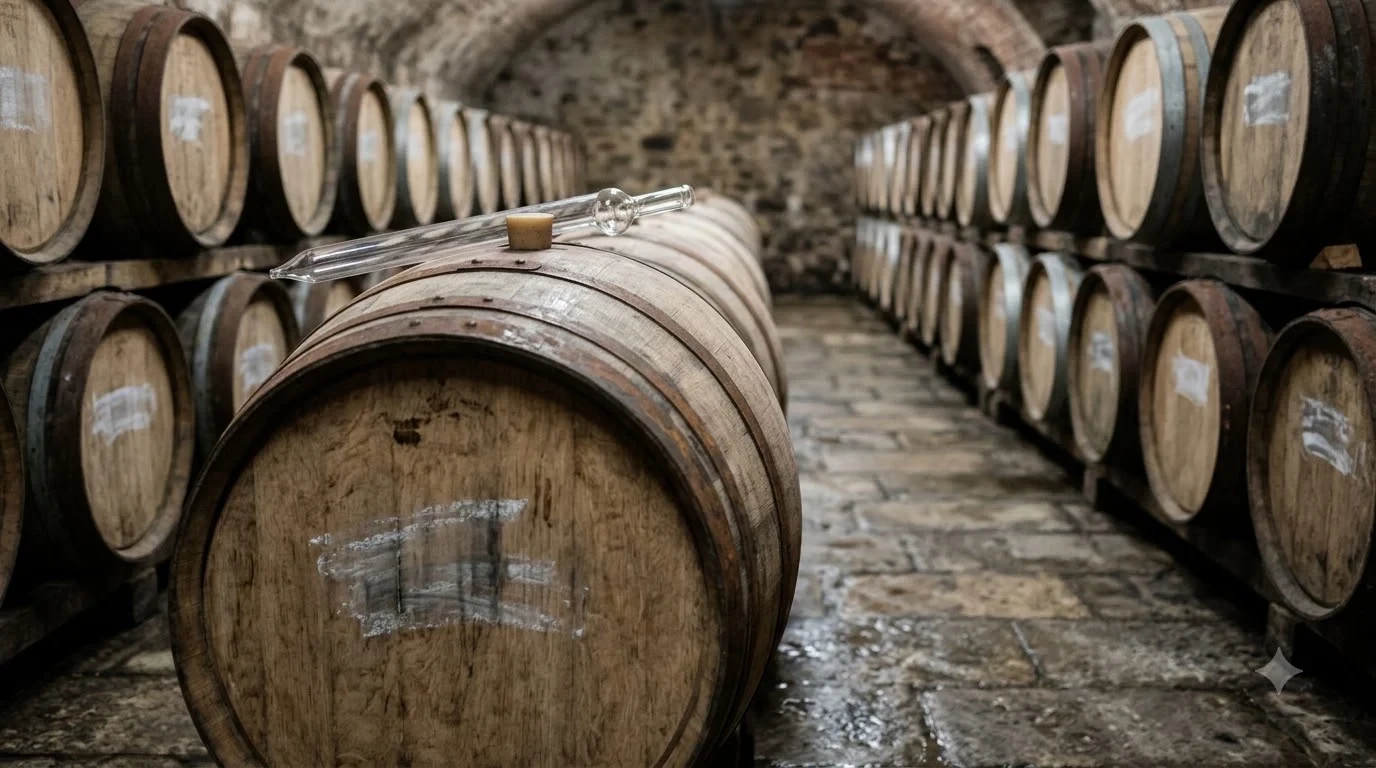
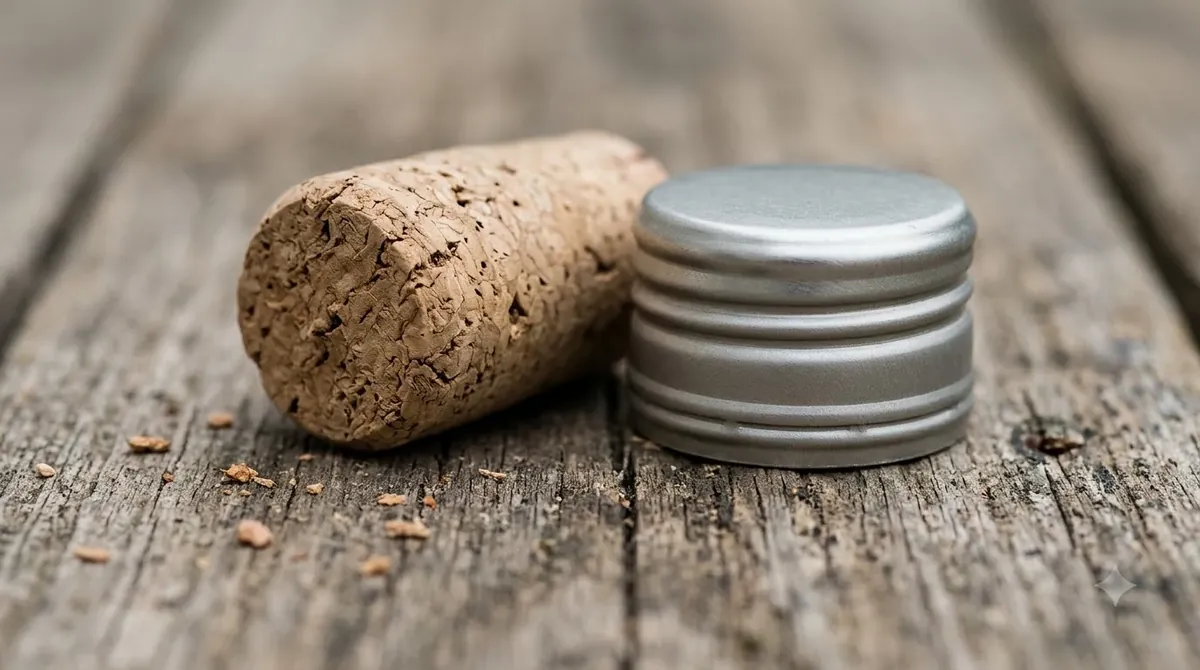
Wine is a preserved product because of its alcohol, acidity and, for many bottles, the protection of a sealed container. Once a cork is pulled or a screw cap is removed, oxygen starts to work on the wine. Oxidation dulls fresh fruit flavors and gives the wine a flat, nutty or bruised-fruit taste. Over time, the wine can also become sour as bacteria convert alcohol into acetic acid.
Oxidation is a gradual process, which is why an opened bottle often tastes fine on the first day and noticeably tired by the fourth or fifth. Temperature speeds up the change. A bottle left in a warm kitchen or near a sunny window will decline faster than one kept cool and dark.
How Long Opened Wine Lasts by Style
The table below gives general guidance for how long opened wine keeps when it is stored with a suitable stopper and in the right place. The ranges follow the guidance in Wine Folly’s guide to open bottles, cross-checked against other published wine guides, and they are rough estimates rather than strict rules, since producers, vintages and storage conditions all matter.
| Wine style | Typical life after opening | Best storage |
|---|---|---|
| Sparkling wine | About 1 to 3 days | Refrigerated with a sparkling wine stopper |
| Light red | About 3 to 5 days | Cool, dark place with the cork pushed back in |
| Full-bodied red | About 3 to 6 days | Cool, dark place; a chiller helps |
| Light or sweet white and rosé | About 5 to 7 days | Refrigerated with a cork |
| Full-bodied white | About 3 to 5 days | Refrigerated with a cork or vacuum cap |
| Fortified wine (port, sherry, Marsala) | Several weeks | Cool, dark place, away from heat and light |
Tip: Write the date on the bottle or the cork when you open it. A small note takes seconds and saves guesswork later in the week.
Does Unopened Wine Go Bad?
An unopened bottle is much more stable than an opened one, but it is not immortal. Most everyday wines are made to be enjoyed within a few years of release, and their flavors fade over time even when the bottle stays sealed. Fresh, fruity whites and light reds are usually best drunk young, while structured reds from good vintages can develop well over a decade.
Fortified wines and some oxidized styles behave differently, and Wine Folly notes that Madeira and Marsala keep for a long time even after opening. Madeira and Marsala are already exposed to air during their making, so they can stay good for a long time after opening. Storage still matters, however: heat, light and large temperature swings can damage almost any bottle over the years.
How to Store Wine After Opening
The simplest rule is to slow everything down. Refrigerate sparkling, white and rosé wines after opening, and use a stopper made for the job. Reds can go in the fridge too, but many people leave them in a cool, dark cupboard and take them out about 20 minutes before serving. Keep the bottle upright, which limits how much of the wine touches the cork.
Smaller amounts left in the bottle oxidize faster, so transferring the leftover wine to a smaller bottle can help if you cannot finish it. Vacuum pumps and inert-gas sprays can slow the change further, though they do not stop it completely. For frequent drinkers, a wine preservation system is a useful investment, and it works best when used soon after opening rather than days later.
Signs a Wine Has Turned
A wine that has turned usually shows clear signs. The most obvious is a sharp, vinegar-like smell, which comes from bacteria turning alcohol into acetic acid. A dull, nutty or bruised-fruit flavor is another sign of oxidation, and it often appears before the vinegar note. Sparkling wine that has lost its bubbles quickly after opening is also past its best.
Taste is the final check. Pour a small sample into a clean glass, swirl it, and smell it before tasting. If the aroma is pleasant and the flavor still tastes like the wine you opened, it is probably fine for a glass with dinner. If the sample smells sharp or tastes hollow, the bottle has usually passed its best, even if the color still looks normal.
Not every change means the wine is ruined. A slightly flat or tired wine may still work well in a sauce or a braise, where its acidity and flavor add depth. A wine that smells strongly of vinegar or tastes clearly sour is best poured down the drain rather than saved for cooking.
What to Do With Leftover Wine
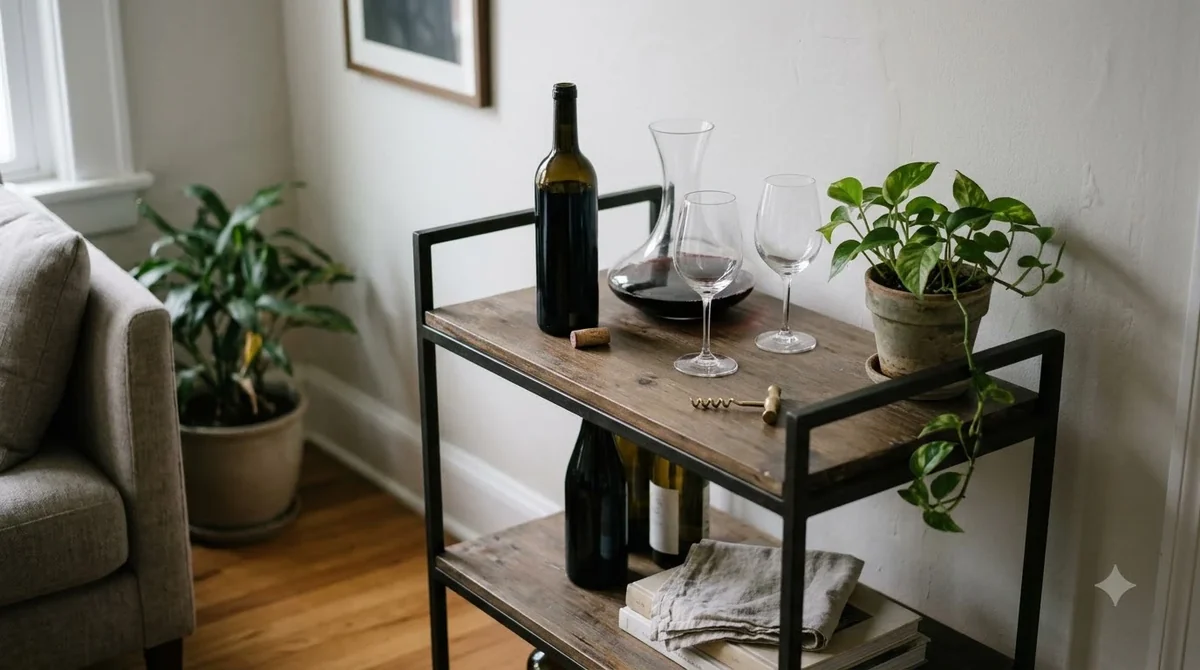
Leftover wine has more uses than many people expect. Red wine works well in stews, braised beef and mushroom dishes, while white wine suits risotto, steamed fish and creamy pan sauces. Cooking drives off alcohol but keeps the flavor, so a slightly tired bottle can still add depth to the dish.
If you often finish a bottle over several days, consider buying smaller formats or wines that age gracefully after opening. Fortified wines are an easy solution for sipping over a few weeks. For more on bottle sizes and planning, see our guide to how many glasses in a bottle of wine, which can help you decide how much to open at once.
Frequently Asked Questions
How long does an open bottle of wine last?
Most opened wines last a few days, with sparkling wine at the short end and light whites or rosés at the longer end. Fortified wines such as port and sherry can last several weeks when stored well.
Can you drink wine that has been open for a week?
It depends on the style and storage. A sturdy red or a fortified wine may still taste acceptable after a week, but a sparkling wine or a light white usually tastes flat or dull by then. Trust your nose and palate.
Does wine go bad in the fridge?
Refrigeration slows oxidation and bacterial growth, so it extends the life of most opened wines. Reds are often kept in a cool cupboard instead, and they should be brought close to serving temperature before pouring.
What does spoiled wine smell like?
A sharp, vinegar-like smell is the clearest sign of spoilage. A nutty or bruised-fruit aroma points to oxidation, and a wine that tastes flat with no fresh fruit left is also past its best.
Wine goes bad gradually, and most bottles give you clear signals before they are undrinkable. Store opened bottles cool and sealed, use leftovers in cooking when they have lost their freshness, and keep unopened bottles in a steady, dark place. For more practical wine basics, return to our wine Q&A section, or read about how long other opened drinks keep in our guide to whether champagne goes bad.
More in Wine Basics
 Which Rose Is Best for Your Taste, Budget, and Food PairingsUpdated Nov 21, 2026
 Is Cheap Wine Bad? How to Find Bottles Worth DrinkingUpdated Nov 21, 2026
 What To Write On A Wine Gift Tag: Thoughtful Messages For Every OccasionUpdated Nov 21, 2026
 Which Wine Is Best For Weight Loss? Compare Lower-Calorie ChoicesUpdated Nov 21, 2026
 What Is The Best Wine For Mimosas? Choose Bubbly That Balances Orange JuiceUpdated Nov 20, 2026
 Which Prosecco Is Best for Your Taste and OccasionUpdated Nov 20, 2026