

We may earn a commission when you buy through links on this page, at no extra cost to you. Learn more.
Does champagne go bad? Yes, but in most cases it loses quality rather than becoming unsafe to drink. An unopened non-vintage bottle generally stays at its best for about three to four years, and vintage bottles can keep their quality for ten years or more when stored well. Once opened, champagne goes flat and loses its character within a day or two, so it is best finished within a few days.
Champagne is often bought for a special occasion and then stored for months, which raises a simple question: how long does it last? The answer depends on whether the bottle is still sealed, what style it is, and how it has been kept. The sections below explain the timeline, the signs that a bottle has faded, and how to store it so that it tastes its best.
The question is similar to the one many people ask about other bottles. If you are also wondering whether a red or white is still good, the guide on whether wine can go bad covers still wine, and does wine expire looks at dates printed on labels. Sparkling wine follows its own rules, which is why champagne deserves its own answer.
Unopened Champagne: How Long It Keeps
Sealed champagne ages slowly, and the time frame depends mostly on the style. Non-vintage bottles, which are blends from several years, are meant to be enjoyed relatively soon after release. According to one champagne guide, they generally stay fresh for about three to four years, and that is a reasonable window for most bottles on a shop shelf.
Date codes on the bottle or case are a useful starting point, but they are not a strict expiration date. Many producers print a disgorgement date or a release year rather than a “best by” stamp. If you find an old bottle and are unsure, check the vintage, the storage history, and the condition of the cork and capsule before deciding.
Vintage champagne is made in one year and built to age. Properly stored vintage bottles can keep their quality for ten years or more, and some structured wines can continue to develop beyond that. The key word is “properly stored,” because a warm, bright kitchen shelf will shorten the life of even the best bottle.
Opened Champagne: The Short Window
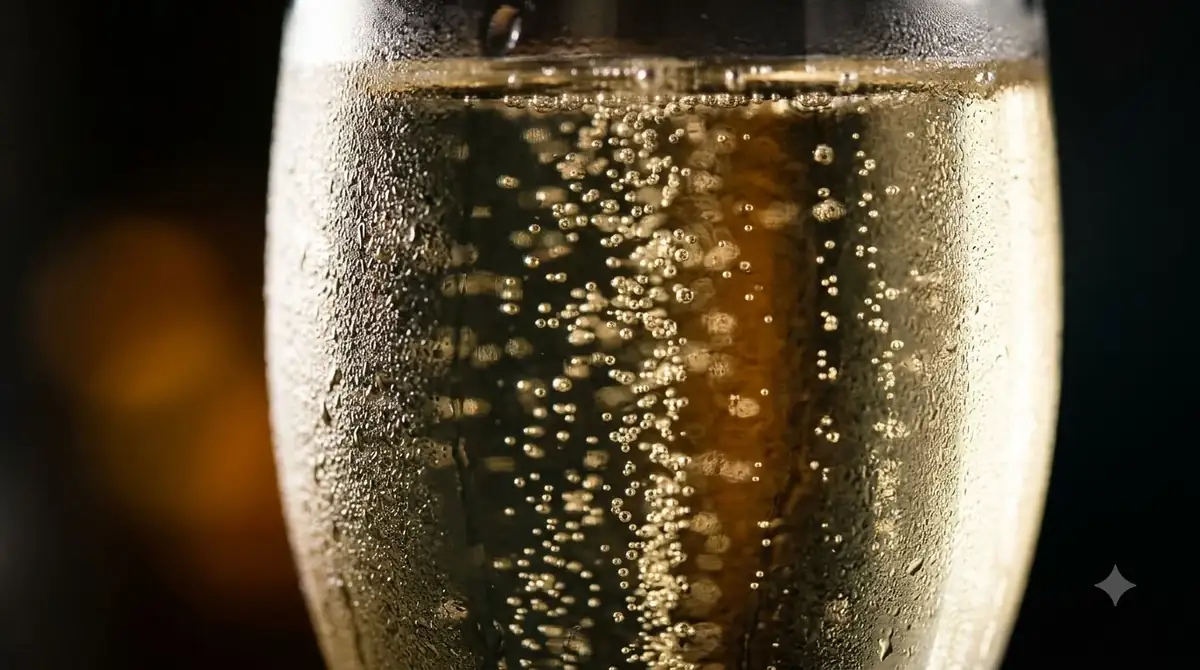
Once a bottle is opened, the clock runs much faster. The bubbles begin to fade right away, and the wine loses its lively edge over the next few hours. A guide from a wine retailer puts the useful life of an open bottle at about one to three days when it is sealed and refrigerated, and it notes that the wine “won’t last nearly as long” once opened.
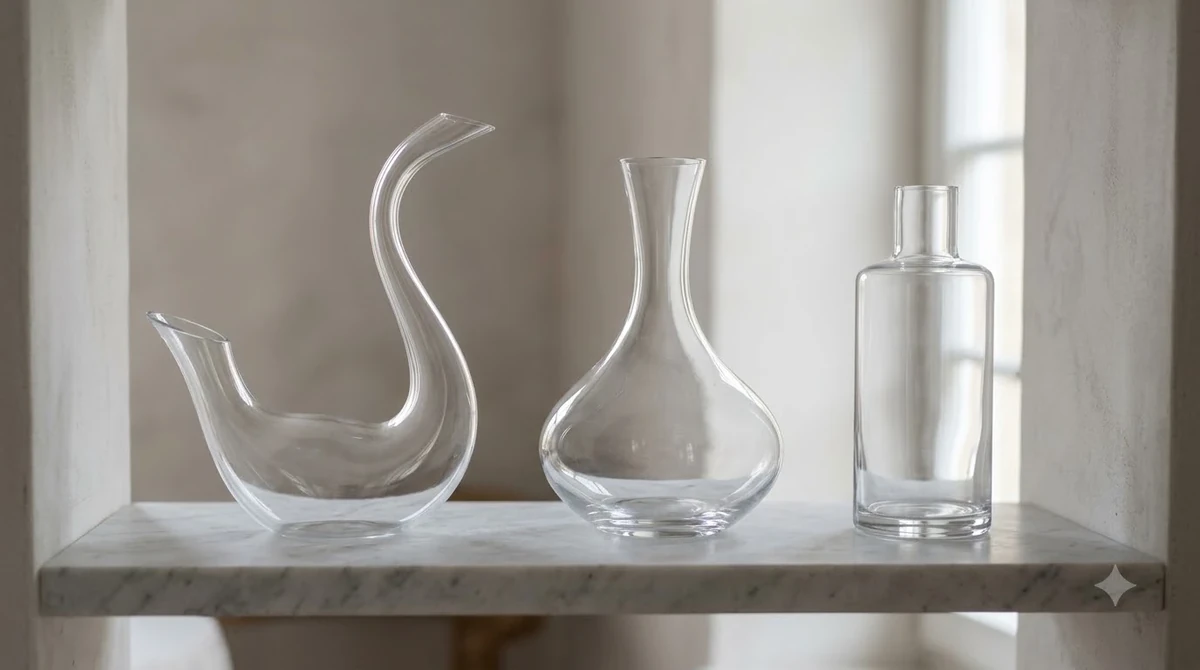
Leftover champagne is a common problem after a party. A bottle that was opened in the evening will often taste tired by the next afternoon, and it is rarely worth saving for a second toast. If you know you will only use part of a bottle, decant the rest into a smaller sealed container in the refrigerator, but expect less fizz than the original.
A champagne stopper helps keep the gas in the wine, but it does not stop the change completely.
Storing the bottle upright in the refrigerator slows the loss of fizz, since colder wine releases carbon dioxide more slowly. Even with careful storage, most people find the best flavor in the first day.
Does Old Champagne Make You Sick?
For most people, the main concern is taste, not safety. A spoiled or flat bottle typically will not harm your health, though a sour or vinegary flavor can ruin the experience. The change is mostly the result of oxidation, which happens when air gets into an opened bottle or when a corked bottle has been stored in poor conditions for many years.
If a bottle smells off, tastes sharp or vinegary, or has lost nearly all of its bubbles, it is past its best. There is no reason to force yourself to finish it. A flat bottle can still be used in cooking, where its acidity and body often work well in sauces and marinades.
| Situation | Typical window | Notes |
|---|---|---|
| Unopened non-vintage | About three to four years | Keep upright, cool, dark, and away from vibration |
| Unopened vintage | Ten years or more | Storage conditions matter most |
| Opened and refrigerated | About one to three days | Use a stopper and keep it upright |
| Opened and left at room temperature | Hours, not days | Fizz fades quickly |
Tip: Store unopened bottles in a cool, dark place at a steady temperature, ideally around the same range as a cellar. Avoid kitchen cabinets above the stove and shelves near a window.
How to Store Champagne Properly
Good storage is the single biggest factor in how long champagne lasts. Keep bottles upright in a cool, dark spot away from direct sunlight and artificial light. A cool cellar, a closet away from the heat of the house, or a wine fridge all work. Avoid areas with strong temperature swings, because repeated warming and cooling is hard on any bottle.
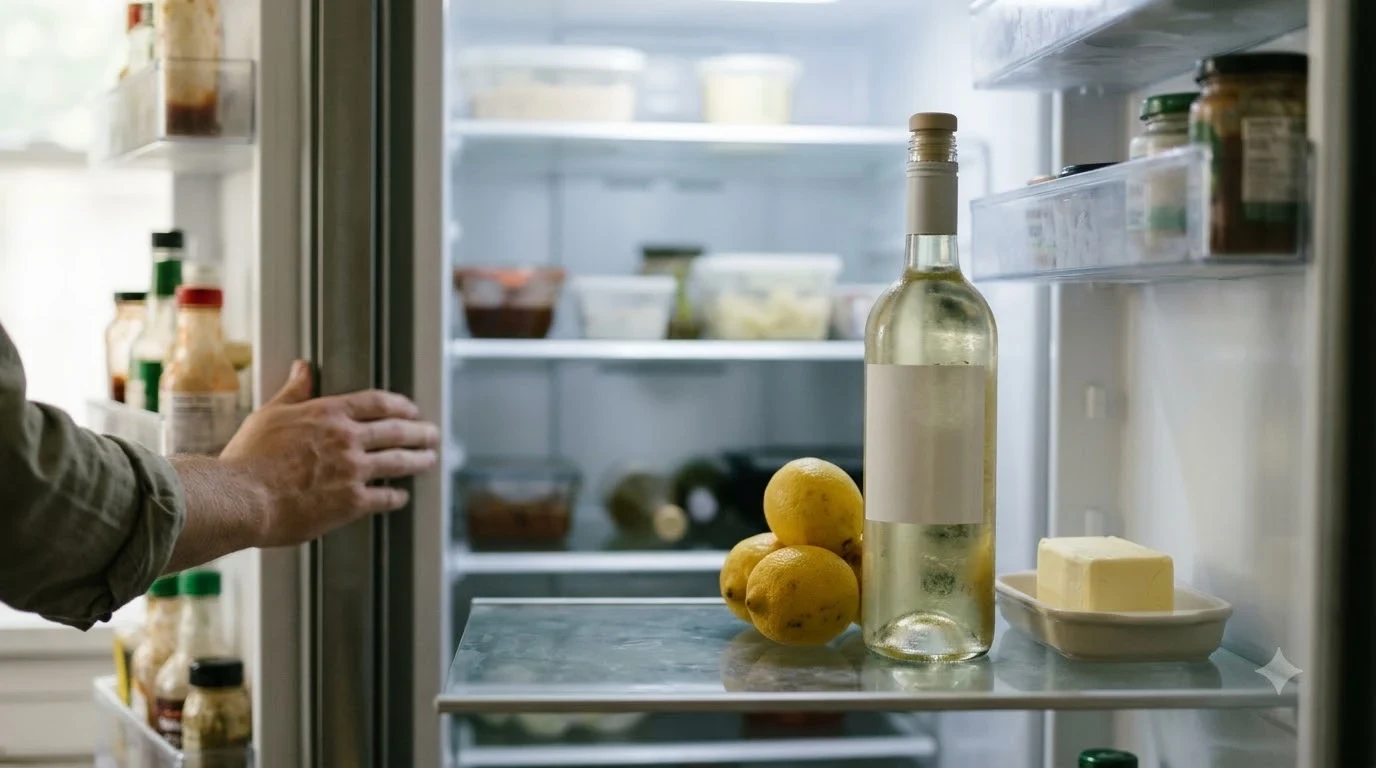
Once a bottle is open, pour what you need, put a stopper in, and refrigerate it right away. Keep it upright so less of the wine is exposed to air. If you bought champagne for a party and expect to finish only part of it, plan for leftovers early by chilling extra bottles and opening them only when needed.
Signs That Champagne Has Gone Off
Look at the bottle and the wine before you pour. A tired bottle may show a darker color than when it was fresh, and the bubbles may be weak or absent. When you smell it, look for sour, flat, or vinegary notes that were not there when the bottle was new.
Color and clarity help too. A very dark or amber tone in a young bottle suggests the wine has been exposed to heat or light for a long time. Cloudiness in a fresh bottle is less common, and it often points to a bottle that has been moved or stored roughly. Any sign of leakage around the cork is a reason to be cautious.
Taste is the final check.
Fresh champagne is crisp and lively, with clear fruit and a clean finish. A bottle that tastes flat, dull, or sharp is not dangerous in most cases, but it is no longer the wine it was meant to be. Treat it as a cooking wine or pour it out.
Frequently Asked Questions
How long does champagne last once opened?
An opened bottle is best within about one to three days when it is sealed and kept in the refrigerator. The fizz fades faster if the bottle is left out, so refrigerate it right after pouring.
Can you drink champagne that is past its date?
Most old champagne is not harmful, but quality may have faded. Flatness, a darker color, and sour or vinegary flavors are the main signs that a bottle is past its best.
How long does unopened champagne last?
Non-vintage bottles generally stay fresh for about three to four years. Vintage bottles can keep their quality for ten years or more when stored in a cool, dark place.
Should champagne be stored in the fridge?
Chilling an opened bottle is the best choice. For long-term storage of an unopened bottle, a cool, steady, dark spot is the goal, and a wine fridge works well if you have one.
Champagne is more forgiving than it sometimes seems, but its freshness is short once opened. Store sealed bottles cool and dark, finish opened ones within a few days, and trust your senses when you pour. For a detailed guide on shelf life and signs of decline, see the Coravin guide to champagne shelf life.
More in Wine Basics
 Which Rose Is Best for Your Taste, Budget, and Food PairingsUpdated Nov 21, 2026
 Is Cheap Wine Bad? How to Find Bottles Worth DrinkingUpdated Nov 21, 2026
 What To Write On A Wine Gift Tag: Thoughtful Messages For Every OccasionUpdated Nov 21, 2026
 Which Wine Is Best For Weight Loss? Compare Lower-Calorie ChoicesUpdated Nov 21, 2026
 What Is The Best Wine For Mimosas? Choose Bubbly That Balances Orange JuiceUpdated Nov 20, 2026
 Which Prosecco Is Best for Your Taste and OccasionUpdated Nov 20, 2026