

We may earn a commission when you buy through links on this page, at no extra cost to you. Learn more.
The best wine fridge under 500 is a freestanding compressor model holding 24 to 36 bottles with single-zone temperature control, double-pane UV-protected glass, and vibration-dampening wooden shelves. Shoppers who drink both crisp whites and full-bodied reds at serving temperature benefit most from a dual-zone compressor cabinet, while apartment dwellers and light drinkers do better with a slim countertop thermoelectric unit. If you plan to tuck an appliance beneath a kitchen counter or host gatherings with canned drinks alongside wine, front-venting undercounter models and combination beverage centers deliver the most practical value in this price tier.
Standard kitchen refrigerators run far too cold and dry for wine, stripping humidity from natural corks and numbing delicate aromatics. Stepping up to a dedicated cooler at this mid-range budget unlocks genuine compressor cooling, digital thermostats, and UV-tinted doors without stretching into luxury cellar territory. Whether you are browsing year-round or tracking wine fridge black friday promotions to stretch your budget further, matching the cabinet style to your room layout and drinking habits matters far more than chasing the highest advertised bottle count.
Quick Comparison
Each wine cooler architecture in this price bracket balances bottle capacity, cooling power, noise, and installation flexibility differently.
| Cooler Type | Typical Capacity | Cooling System | Ventilation | Ideal Use Case |
|---|---|---|---|---|
| Single-Zone Compressor Freestanding | 24 to 36 bottles | Compressor | Rear and side clearance | Everyday storage and short-term aging at 55°F |
| Dual-Zone Compressor Cabinet | 28 to 46 bottles | Compressor | Rear or front (varies) | Serving whites and reds simultaneously |
| Slim Countertop Thermoelectric | 6 to 18 bottles | Thermoelectric | Rear and side clearance | Apartments, offices, and quiet living spaces |
| Front-Venting Undercounter Built-In | 18 to 30 bottles | Compressor | Front kickplate | Flush installation under standard kitchen counters |
| Wine and Beverage Combo Center | 15 to 20 bottles + cans | Compressor | Front or rear | Entertaining, mixed drinks, and family kitchens |
Best for Everyday Collections: Single-Zone Compressor Freestanding
A mid-sized freestanding single-zone compressor fridge offers the strongest mix of temperature stability, bottle capacity, and long-term reliability in this budget bracket. By maintaining one uniform climate across the entire interior, these cabinets avoid the mechanical complexity and narrower shelf spacing of split compartments.
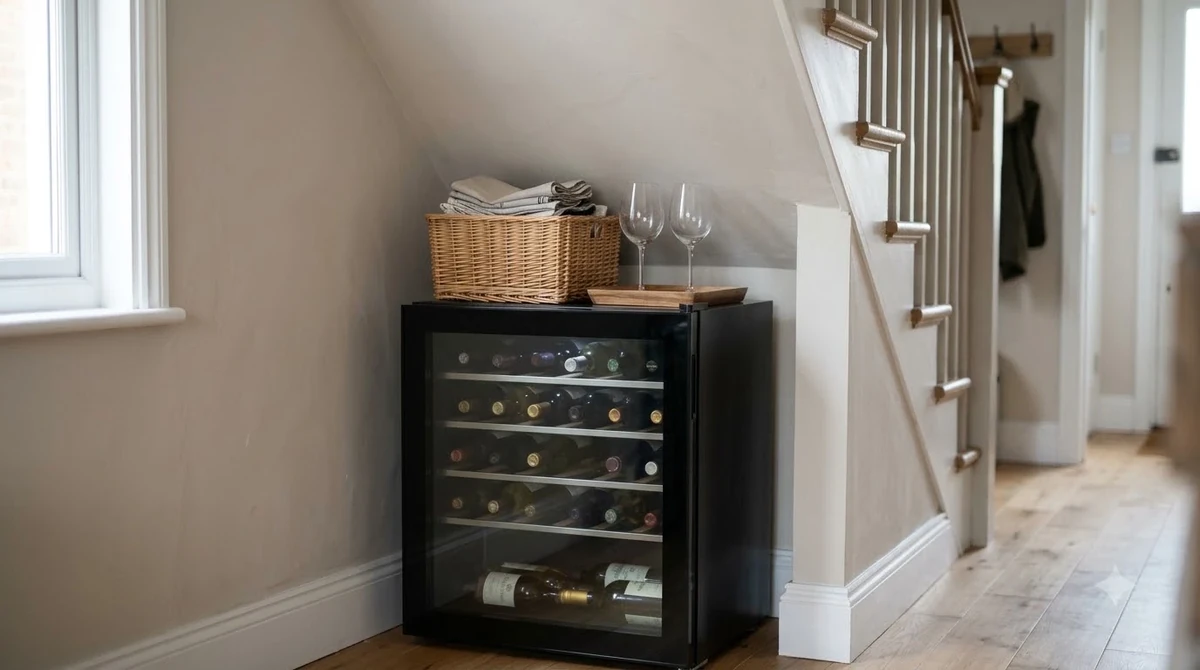
Why it stands out: According to Wine Enthusiast’s wine fridge buying guide, all wine should be stored around 55°F if your primary goal is preservation rather than immediate service. Single-zone compressor units excel at holding that steady 55°F sweet spot even when summer indoor temperatures climb into the mid-70s. Many models in this class include beechwood or scalloped wire racks that cradle standard 750 mL Bordeaux bottles while dampening minor motor vibrations.
Keep in mind and best for: Because freestanding cabinets vent heat through the back and sides, you must leave two to four inches of breathing room around the exterior walls. You will also want to pull white wines out 20 minutes early or chill them briefly in an ice bucket before pouring, since 55°F is warmer than ideal white serving temperature. This type is best for wine lovers building a 20- to 35-bottle rotation of everyday drinkers and cellar-worthy reds who have an open spot in a dining room, pantry, or den.
Best for Mixed Red and White Drinkers: Dual-Zone Compressor Cabinet
Dual-zone wine refrigerators divide the interior into two independently controlled compartments separated by an insulated barrier, letting you chill crisp whites below while keeping reds at cellar temperature above. At this price point, dual-zone models give hosts and casual drinkers restaurant-style pouring convenience right at home.
Why it stands out: Reviewers at major kitchen and wine publications note that separate digital thermostats eliminate the compromise between serving temperatures. You can set the lower compartment between 45°F and 50°F for Sauvignon Blanc, Pinot Grigio, and sparkling wines, while keeping the upper zone at 58°F to 64°F for Cabernet Sauvignon and Pinot Noir. Tinted double-pane glass doors and soft interior LED lighting protect bottles from ultraviolet rays while letting you check labels without opening the door and dumping cold air.
Keep in mind and best for: The internal divider and second fan assembly take up vertical space, meaning a dual-zone cabinet holds roughly 15 to 20 percent fewer bottles than a single-zone fridge of identical exterior dimensions. Additionally, tightly spaced racks can struggle with wide-shouldered Burgundy or Champagne bottles unless a shelf is removed. Choose this style if you regularly open both white and red bottles during the week and want every glass ready to pour on demand.
Best for Small Apartments and Quiet Rooms: Slim Countertop Thermoelectric
Compact thermoelectric coolers ditch traditional refrigerant compressors in favor of solid-state Peltier cooling plates and a small internal fan. The result is a featherlight, whisper-quiet appliance narrow enough to sit on a kitchen counter, bar cart, or home office credenza.
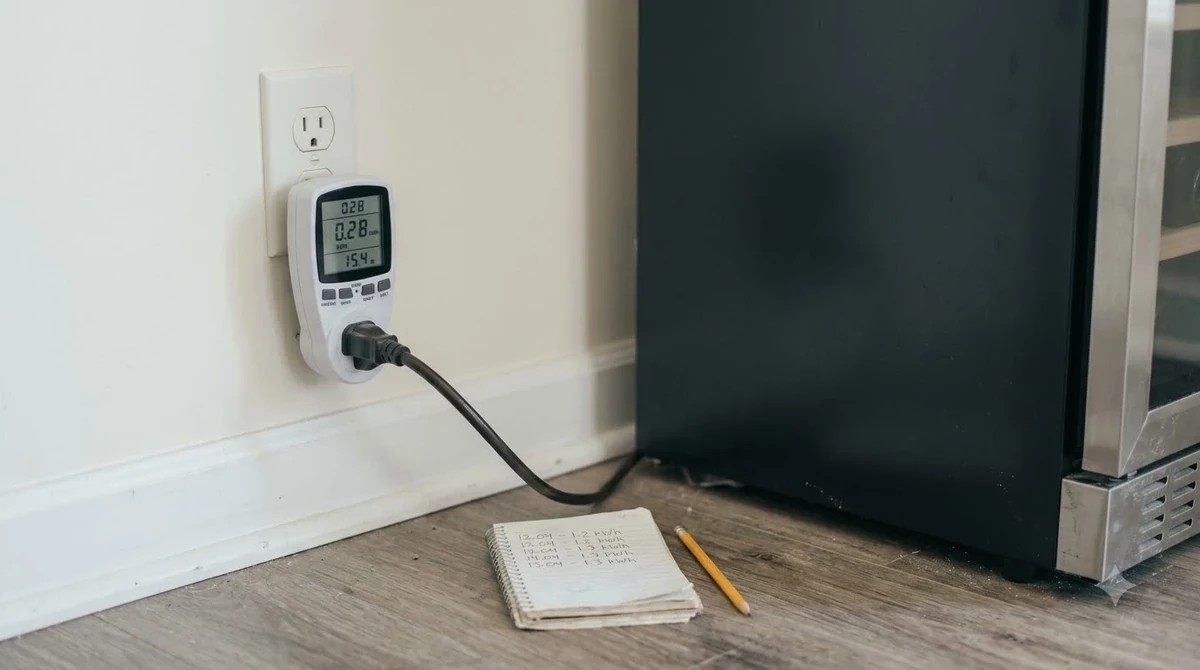
Why it stands out: Because thermoelectric units have no moving compressor parts, they produce virtually zero vibration—an important safeguard for sediment-heavy older reds—and emit only a soft fan whisper well below 40 decibels. Many slimline designs measure roughly 10 to 14 inches wide and include a dedicated vertical or semi-upright rack for recorked bottles. If your collection rarely exceeds a single case and you are also comparing the best wine cooler under 300, you will find plenty of reliable thermoelectric options across both tiers.
Keep in mind and best for: As experts at Wine Folly’s wine storage guide explain, thermoelectric coolers can struggle to maintain steady internal temperatures when ambient room heat rises, making them poorly suited for multi-year aging. Most can only cool about 15°F to 20°F below the surrounding room temperature, so avoid placing them in sun-drenched kitchens or unconditioned garages. This type is best for apartment renters, studio dwellers, and casual wine drinkers who keep six to 16 bottles on hand for near-term enjoyment.
Best for Kitchen Remodels: Front-Venting Undercounter Built-In
Unlike freestanding coolers that overheat if boxed into cabinetry, front-venting built-in wine fridges exhaust warm air through a slotted kickplate grille at the base. They are engineered to slide flush beneath standard 34- to 36-inch kitchen countertops for a clean, integrated look.
Why it stands out: True built-in units feature finished black or stainless cabinets, zero-clearance door hinges, and reversible door swings so the handle opens cleanly alongside adjacent dishwasher or cabinet doors. At the upper edge of this budget bracket, you can find slim 15-inch-wide undercounter models holding 24 to 30 bottles that replace a standard trash compactor or narrow base cabinet. Front ventilation protects the compressor from premature burnout while keeping surrounding millwork cool.
Keep in mind and best for: Undercounter models pack heavy-duty front-exhaust hardware into a compact chassis, which means you trade away maximum bottle volume for architectural fit. Always measure the exact width, depth, and height of your cabinet cutout—including space for the power plug behind the unit—before ordering. This style is best for homeowners renovating a kitchen island, wet bar, or butler’s pantry who want a built-in appearance without spending luxury appliance money.
Best for Entertaining and Mixed Drinks: Wine and Beverage Combo Center
Wine and beverage combo centers pair scalloped wine racks on one side or top section with flat glass or wire shelves below for sparkling water, craft beer, mixers, and soda cans. Some designs use French doors with independent zones, while single-door models arrange wine cradles above deeper beverage bins.
Why it stands out: Hosting becomes dramatically easier when guests can grab cold cans and chilled Pinot Grigio from a dedicated drinks station instead of crowding your main kitchen refrigerator. Many combo coolers let the beverage side chill down to 37°F or 39°F—cold enough for lagers and sodas—while holding the wine side at 48°F to 55°F. Knowing how many glasses in a bottle of wine helps you stock the wine side accurately for dinner parties while keeping plenty of non-alcoholic options chilled right beside it.
Keep in mind and best for: Combo units dedicate roughly half their cubic footage to cans, limiting wine storage to around 15 to 22 bottles. If your goal is building a serious wine cellar, a dedicated wine-only cabinet uses space far more efficiently. This type is best for frequent hosts, families, and game-room setups where diverse refreshments matter as much as wine.
How to Choose
Evaluating a few technical specs before you buy prevents noisy compressors, cramped shelves, and premature cooling failure.
- Cooling Mechanism: Choose a compressor fridge for capacities above 18 bottles, warm rooms, or storage longer than a few months. Reserve thermoelectric models for small countertop collections in air-conditioned rooms where silence is your top priority.
- Realistic Bottle Capacity: Manufacturers calculate maximum bottle counts using slim 750 mL Bordeaux bottles. If you drink California Pinot Noir, Oregon Chardonnay, Rhône blends, or Champagne, expect real-world capacity to drop by 20 to 30 percent unless the shelves are removable or spaced at least 3.5 inches apart.
- Door Glass and Lighting: Look for double-pane, UV-tinted, or Low-E glass to block ultraviolet light, which degrades wine aromatics and triggers premature aging. Interior LED bulbs are mandatory because incandescent bulbs radiate unwanted heat inside the cabinet.
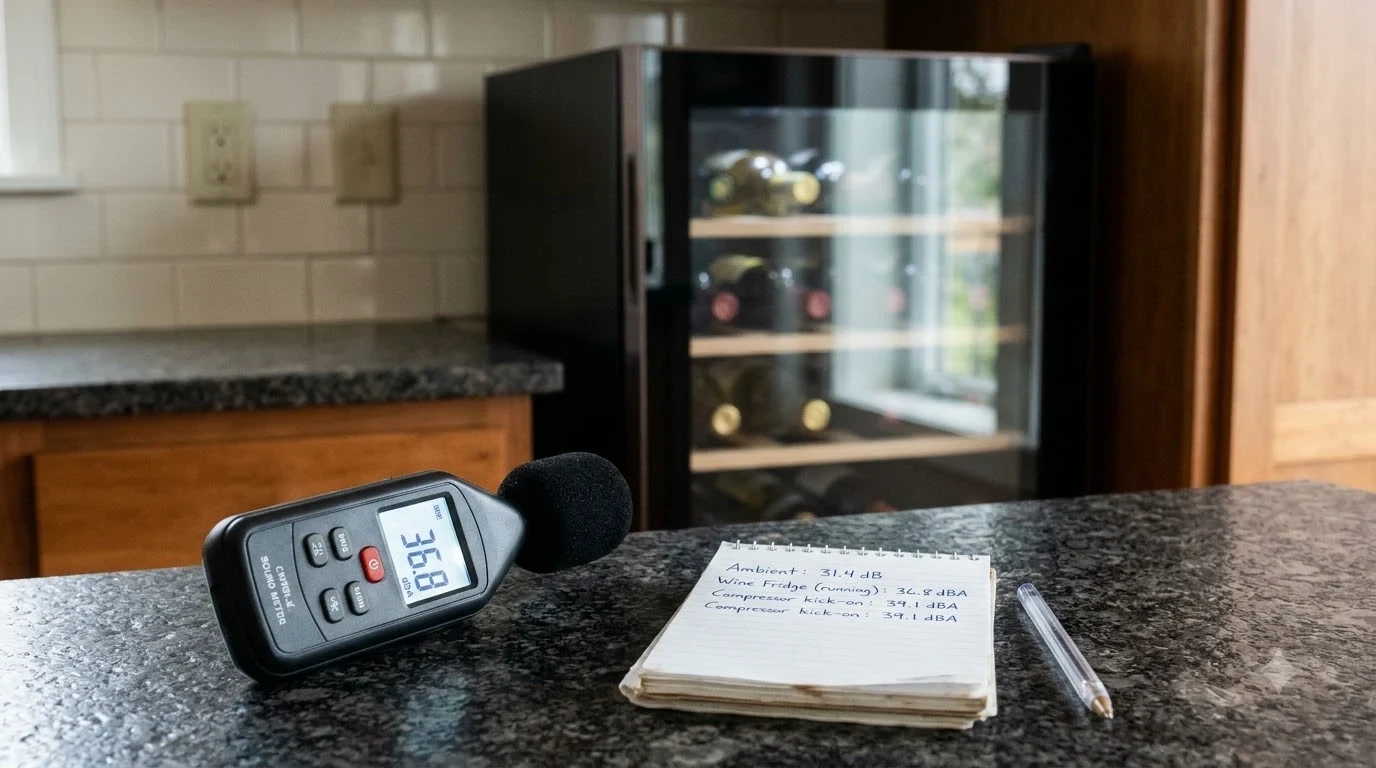
- Noise Rating: Check the decibel rating if the fridge will live near a television or bedroom. Modern inverter and low-vibration compressors run between 38 and 42 dBA—roughly the volume of a quiet library—while budget compressors can hum closer to 45 dBA.
Tip: Let any compressor wine fridge stand upright unplugged for at least 24 hours after delivery before turning it on. Shipping tilts the unit and allows compressor oil to migrate into the cooling lines, and waiting a full day lets the oil settle back into the sump so the motor does not burn out.
Frequently Asked Questions
Is a single-zone or dual-zone wine fridge better under 500?
A single-zone wine fridge is better if your priority is storing wine for months or years, because all wines age safely at a steady 55°F and single-zone cabinets offer more usable shelf space. Choose a dual-zone model only if you regularly drink both whites and reds straight from the fridge and want separate serving temperatures without waiting to chill or warm bottles.
How many bottles can a wine fridge in this budget realistically hold?
Most freestanding models in this tier advertise 24 to 46 bottles, while undercounter and countertop units hold between 12 and 30 bottles. Because manufacturers measure capacity with narrow Bordeaux bottles, plan on fitting roughly 20 percent fewer bottles if your collection includes wider Burgundy, Pinot Noir, or sparkling wine bottles.
Can I put a freestanding wine fridge under my kitchen counter?
No, you should never enclose a freestanding wine fridge inside tight cabinetry. Freestanding models dissipate heat through their rear and side panels, so blocking that airflow causes the compressor to overheat, run continuously, and fail early. If you want a flush undercounter fit, buy a front-venting built-in model.
Do wine fridges in this range control humidity?
Most coolers in this bracket rely on passive humidity management—recycling condensation from the cooling plate—rather than active digital humidifiers found in luxury wine cellars. Compressor models naturally maintain roughly 50 to 70 percent relative humidity in normal indoor climates, which is sufficient to keep natural corks supple for short- to medium-term storage.
Selecting the right cooler comes down to matching cooling power and ventilation to where the cabinet will sit and how quickly you open your bottles. Once you know your target bottle count and whether you need front venting or dual temperature zones, comparing By budget tiers makes it easy to narrow down the exact cabinet that protects your collection without overspending.
More in Wine Fridges by Budget
 Best Wine Cooler Under 1000 by Cooling Type and RoomUpdated Nov 18, 2026
 Best Wine Cooler Under 100 for Chilled PoursUpdated Nov 18, 2026
 Best Wine Cooler Under 200 for Compact Home Wine StorageUpdated Nov 18, 2026
 Best Wine Cooler Under 300 for Reliable Home StorageUpdated Nov 18, 2026
 Best Wine Fridge Black Friday: How to Choose a Unit That FitsUpdated Nov 18, 2026