

We may earn a commission when you buy through links on this page, at no extra cost to you. Learn more.
What is a sommelier? A sommelier is a trained wine professional who leads wine service in a restaurant or hotel, from building the wine list to pouring the bottle at the table. The role covers wine knowledge, pairing advice, storage and staff education. Certification through programs such as the Court of Master Sommeliers is common, but not every sommelier holds a formal title.
This guide explains what a sommelier does day to day, how people train for the role, what the certification levels mean, and how a sommelier differs from a wine steward or a retail wine expert. It is written for diners who want to know what to expect from a sommelier and for anyone thinking about the career.
What a Sommelier Does
The Court of Master Sommeliers describes the sommelier as a professional who leads wine service and shapes the dining experience. In practice, that means handling the wine service itself, including opening bottles, decanting older wines and serving each glass at the right temperature. Presentation matters as much as technical skill, because the guest’s first sip is often the moment the meal starts to feel special.
Beyond service, the role often covers the whole beverage program. A sommelier may plan the wine list, choose bottles that fit the restaurant’s menu and price range, and manage the cellar’s inventory and storage. Many sommeliers also suggest pairings and help guests choose a bottle that matches their budget and taste.
Core Skills Behind the Job
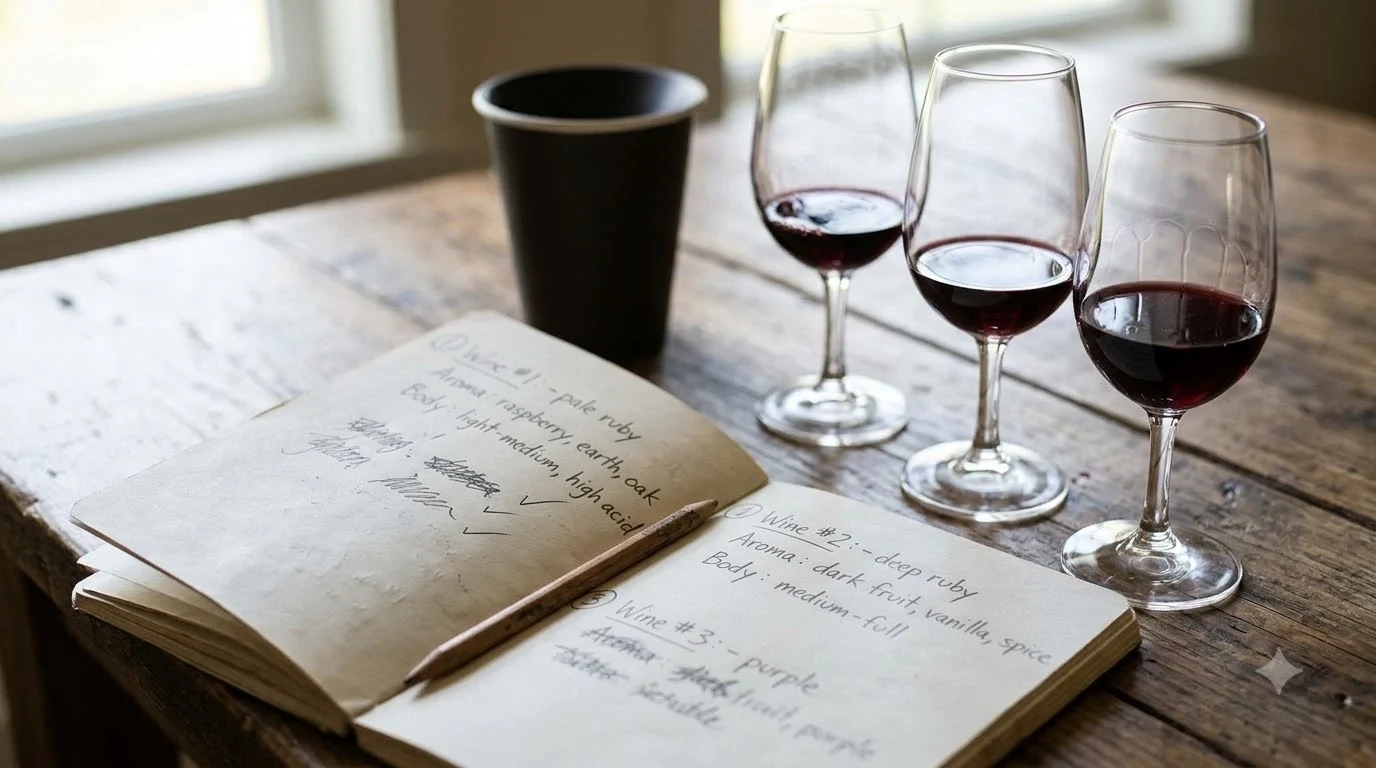
The job depends on a deep understanding of wine. That includes grape varieties, the regions where they grow, the climate and soils that shape the wine, and the winemaking methods behind each style. A sommelier who can explain why a Riesling from one region tastes different from another is more useful to a guest than one who simply reads a label.
Service skill is just as important. Sommeliers need to open a bottle quietly, pour without spilling, and handle a decanter with care. They also read the table, noticing when a guest wants a recommendation and when they simply want to be left alone to enjoy their meal.
Finally, sommeliers teach. They train servers to describe wine accurately, lead staff tastings and answer questions from both the team and the guests. In a busy restaurant, that education helps the whole floor sell and serve wine with confidence.
How People Train to Become Sommeliers
Most sommeliers start in restaurant service. Many work as servers, bartenders or assistants before they take on a wine-focused role. Practical experience matters because the job is practical. Reading about wine teaches the theory, but service teaches timing, pacing and the judgment needed to make a recommendation in real time.
Formal study is common too. Some sommeliers complete wine courses offered by industry organizations, and some take a structured program that combines classroom learning, tastings and practical exams. Those programs give a common language for wine knowledge, which is useful when a sommelier moves between restaurants or cities.
Certification is not required to work as a sommelier. Many capable professionals have built long careers on experience alone. A certificate can still help with credibility, especially in high-end restaurants where guests and employers expect a recognized standard.
Training rarely stops once someone has a job. Sommeliers keep tasting widely, visit producers when they can, and follow new releases from regions they already know. That habit keeps the wine list current and gives the sommelier fresh stories to share with guests.
The Court of Master Sommeliers Certification Levels
The Court of Master Sommeliers is one of the best-known certifying bodies. Its program has four levels, and each one builds on the last. The first is an introductory course and examination. The second is the Certified Sommelier examination, followed by the Advanced Sommelier course and examination, and then the Master Sommelier diploma examination.
According to the organization, all four levels include a theory portion. The upper three levels also test blind tasting and hospitality and service. That means candidates must identify wines by taste as well as explain them, and they must show that they can serve a table with poise.
| Level | Main focus | What it tests |
|---|---|---|
| Introductory | Foundation | Core wine theory and terminology |
| Certified | Working knowledge | Theory plus service fundamentals |
| Advanced | Deeper expertise | Theory, blind tasting, hospitality and service |
| Master | Top level of the program | Theory, blind tasting, hospitality and service |
Sommelier Versus Wine Steward
People often use the terms interchangeably, but the roles can differ. A wine steward is usually focused on service: taking orders, presenting bottles and pouring. A sommelier typically has broader responsibility for the wine program, including selection, pricing strategy and training. Some restaurants use the word for both roles, so the job description matters more than the title.
Retail wine specialists also share some skills with sommeliers. They know the market and can recommend bottles, but they usually work without the table service and food pairing focus that define a restaurant sommelier. Both roles are useful, and a good guide can help in either setting.
What to Expect When You Dine With a Sommelier
When a sommelier visits your table, they usually start by asking about your budget, your favorite styles and the dishes you plan to order. A good sommelier listens first. The best recommendations come from a short conversation rather than a long list of technical terms.
Guests can help by being honest about what they like. Saying you want something crisp, fruity or not too heavy gives the sommelier a clear direction. Asking for a wine that pairs with a specific dish is also a simple request that most sommeliers enjoy answering.
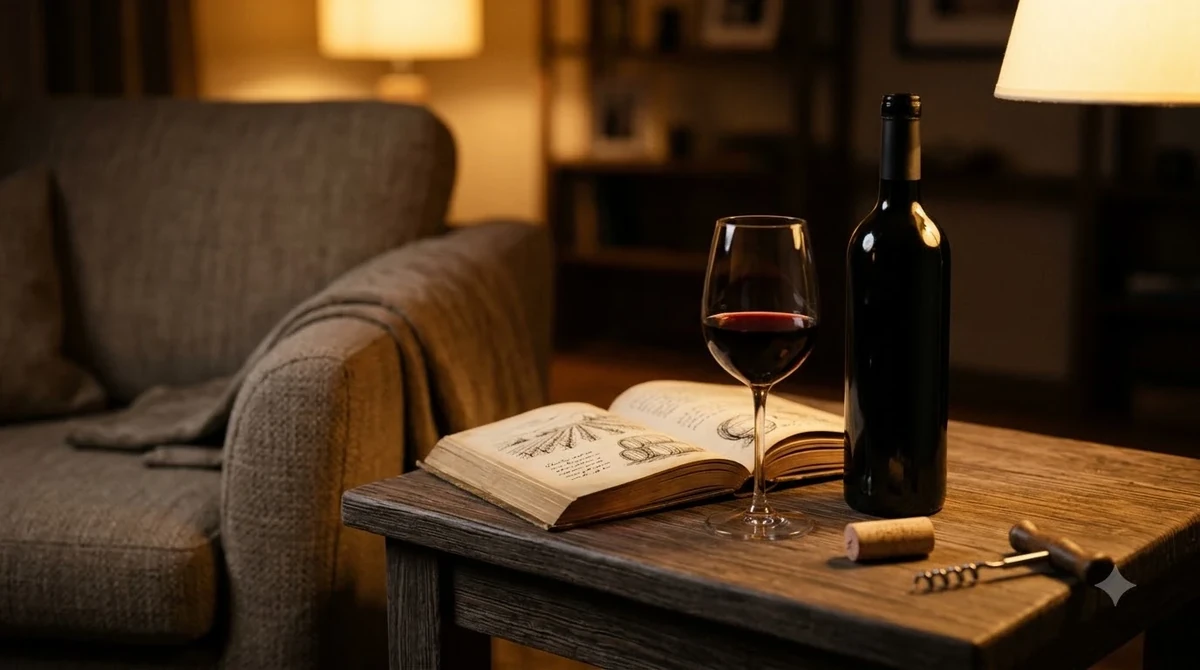
Presentation follows a familiar pattern. The sommelier shows the bottle label, opens it at the table and pours a small taste for the host to approve. Once the host agrees, the rest of the table is served. If a wine seems off, it is reasonable to ask for a check, and a skilled sommelier will respond without fuss.
Tip: If you are unsure what to order, tell the sommelier the main dish and a price range. That gives them enough to suggest a bottle that fits the meal without guessing.
Frequently Asked Questions
Do you need a certificate to be a sommelier?
No. Certification is not required in most places. Many sommeliers work with experience and continuing study, although a formal certificate can help with employment in high-end restaurants.
What is the highest sommelier level?
The Court of Master Sommeliers offers the Master Sommelier diploma as its top level. It includes theory, blind tasting, and hospitality and service, and it is considered one of the most demanding wine credentials.
Does a sommelier only recommend wine?
No. Sommeliers also handle service, manage storage and inventory, train staff, and often help with the restaurant’s wine pricing and list design. Recommendations are one part of a broader role.
Should I tip a sommelier?
Practices vary by restaurant. Many places include service charges, and some guests add a tip for especially helpful wine service. Check the bill or ask the restaurant if you are unsure of the local custom.
Once you know what a sommelier does, it is easier to plan a meal around wine. The guide on how many glasses are in a bottle of wine helps when you are ordering for a group, and the ounces in a bottle page explains the standard volume. If you are wondering about a bottle you already have, the can wine go bad article covers storage. For more beginner topics, the wine basics section is a good place to start.
More in Wine Basics
 Which Rose Is Best for Your Taste, Budget, and Food PairingsUpdated Nov 21, 2026
 Is Cheap Wine Bad? How to Find Bottles Worth DrinkingUpdated Nov 21, 2026
 What To Write On A Wine Gift Tag: Thoughtful Messages For Every OccasionUpdated Nov 21, 2026
 Which Wine Is Best For Weight Loss? Compare Lower-Calorie ChoicesUpdated Nov 21, 2026
 What Is The Best Wine For Mimosas? Choose Bubbly That Balances Orange JuiceUpdated Nov 20, 2026
 Which Prosecco Is Best for Your Taste and OccasionUpdated Nov 20, 2026