

We may earn a commission when you buy through links on this page, at no extra cost to you. Learn more.
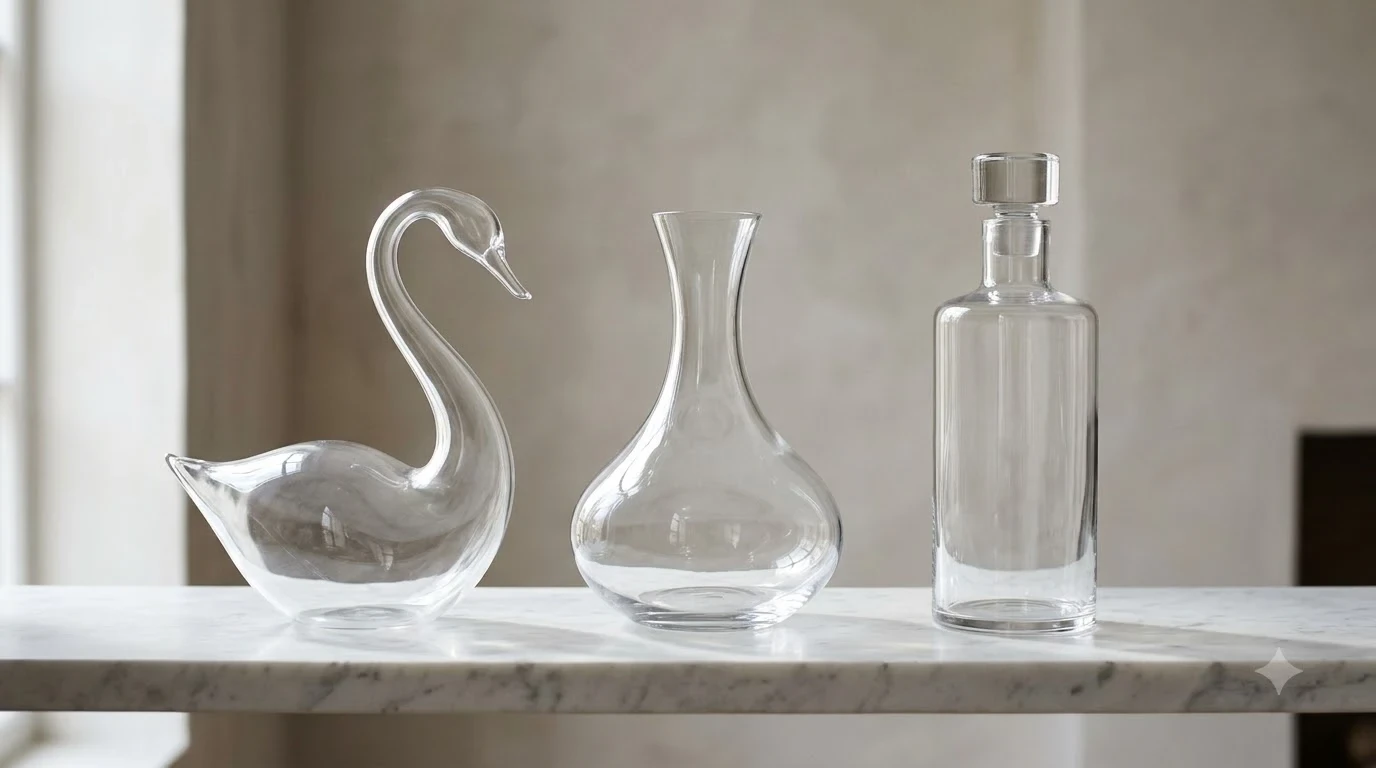
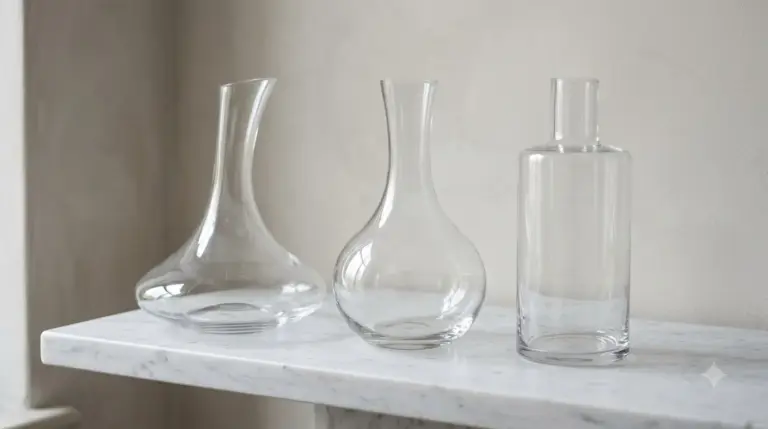
The best modern decanter combines clean lines with a wide, stable base, so it aerates wine well and still looks at home on a contemporary table. Traditional decanters were often cut crystal with ornate stoppers, while newer designs lean toward simple geometric forms, smooth glass, and open shapes. The modern look is not only about style. A low, wide body gives the wine more surface area, and a straight-sided form is easier to clean and store. The right choice depends on the room where the decanter lives and the wines you pour most often.
Decanters have a long history as serving pieces. They were traditionally made from glass or crystal, and they were used to separate a wine from its sediment before it reached the table. Over time, the vessel also became a way to give wine contact with air. Today, buyers often want the function of a decanter without the formality, which is where modern designs come in. This guide covers the shapes, sizes, and features that make a contemporary decanter practical, from minimalist kitchens to lively dinner parties.
Quick Comparison of Modern Decanter Shapes
Modern decanters fall into a few broad shape families, and each one trades off air contact, presence on the table, and ease of storage. The table below compares the main styles so you can narrow the options before reading the detailed sections. The ratings are general comparisons intended to guide your shortlist rather than measured results.
| Shape family | Air contact | Table presence | Storage | Best setting |
|---|---|---|---|---|
| Straight-sided geometric | Moderate | Clean and understated | Easy, stacks well | Minimalist kitchens |
| Wide, low body | High | Relaxed and open | Takes more shelf space | Bold red wines, young wines |
| Sculptural or statement shape | Varies | Strong focal point | Needs display room | Entertaining, wine bars |
| Tall, narrow carafe | Lower | Slim and elegant | Compact | Small tables, everyday pours |
| Open-spout design | Moderate | Practical and modern | Fits a standard cabinet | Shared dinners |
Best for Minimalist Kitchens
A straight-sided geometric decanter is the most natural fit for a minimalist kitchen. Its clean lines match open shelving, pale counters, and a restrained palette, and the piece reads as deliberate rather than decorative. Because the walls are simple, the decanter also works as a display item between uses, without drawing attention away from the rest of the room.
This shape stands out because it looks modern without requiring a special occasion. The smooth surface shows the color of the wine clearly, and the straight sides make it easy to judge how much is left in the vessel. Its stackable form also helps when space is tight, since it can sit beside glasses and bottles without crowding them.
The limit is that very plain shapes can look stark on a crowded table. If the rest of the setting is busy, the decanter may get lost. Choose a piece with a slightly heavier base, which tends to look more solid and gives the wine a steadier pour when it is poured from a standing position.
Best for Statement Tables and Entertaining
A sculptural decanter is the right choice when the piece is meant to be seen. Curved bodies, uneven forms, and bold silhouettes turn a glass of wine into part of the table design, which suits dinners where the host wants the presentation to match the food. Statement pieces also work well on a bar cart or a sideboard.
Sculptural shapes stand out for their presence. They are conversation starters, and a well-made piece can carry a room’s style without any other decoration. Because they are designed to be looked at, they can also make a simple red or white wine feel more special when poured in front of guests.
Statement shapes often have less storage practicality, and their aeration varies with the design. Check the opening and the interior before buying, since a very narrow neck can slow the pour. A display piece is best kept in a spot where it can be reached easily, rather than tucked away between uses.
Best for Young and Bold Red Wines
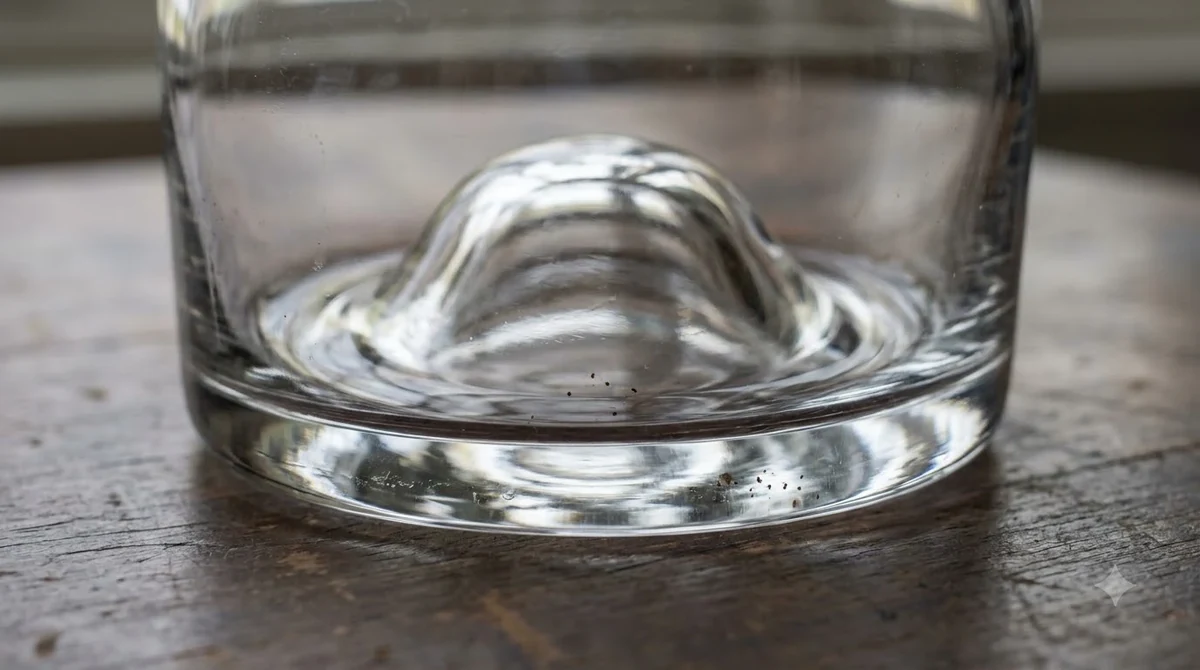
A wide, low decanter suits young, firm red wines that benefit from air. The broad body spreads the wine across a larger surface, which gives it more contact with oxygen than a narrow carafe. This shape is a good match for a dinner where the red is poured early and enjoyed over the course of the meal.
The main advantage is aeration. Opinions on how much air helps a wine differ, and the French oenologist Émile Peynaud argued that long exposure to oxygen can dissipate aroma compounds, so timing matters. A wide decanter lets you decide how much air the wine receives, because you can pour it in less time or leave it in the vessel for longer. That control is what makes the shape useful for wines that are young and tightly structured.
The trade-off is space and handling. A wide body takes up more room in the cupboard and on the table, and a heavy full decanter can be awkward to lift. Pour in a steady motion and keep the decanter on a stable surface, especially when it is nearly full.
Best for Shared Dinners
An open-spout decanter is practical when wine is served to several guests in quick succession. The spout gives a clean, controlled pour, which helps when the bottle needs to be shared across a long table. This design suits family dinners and gatherings where refills happen often.
Spouted decanters stand out because they are easy to use with one hand. The pour is steady, and the decanter fits a standard cabinet, so it can be stored with the glasses you already own. Many people find the spout easier than tilting a wide bottle, especially when they are serving someone else.
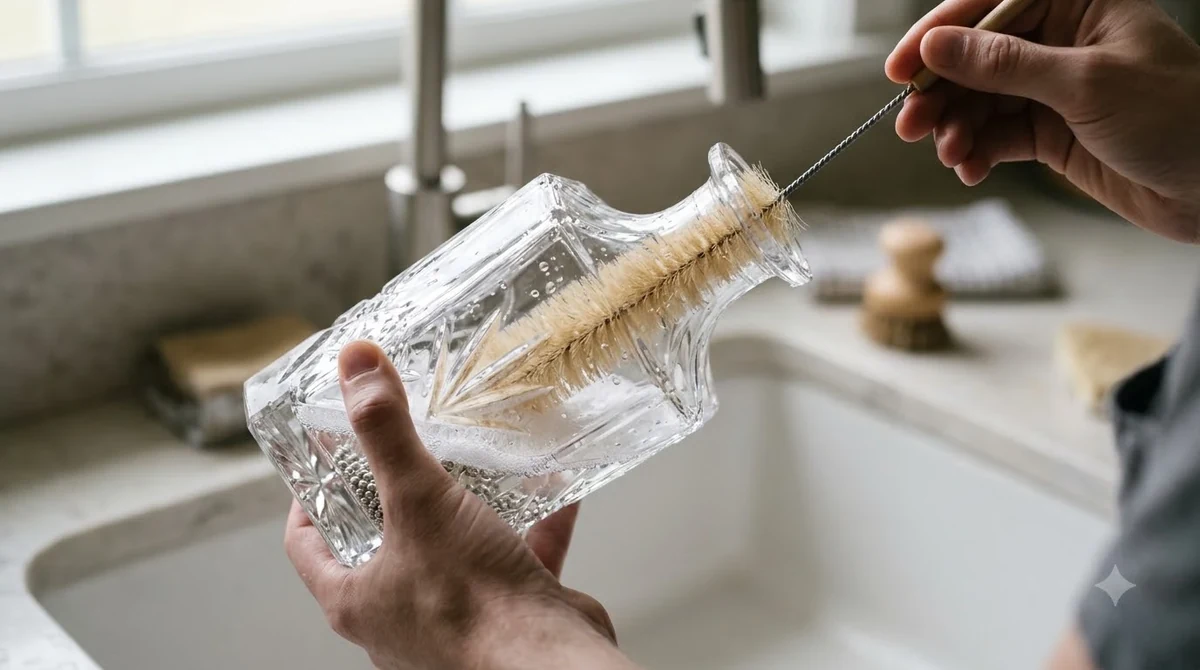
A spout adds a small part that needs to be cleaned, so check how easily the opening can be reached with a brush or sponge. Look for a spout with a smooth join, since rough edges can catch on a cloth. The design is practical rather than dramatic, which may suit everyday use more than special occasions.
Best for Open Shelving and Display
A decanter that stacks well is a good choice for open shelving or a glass-front cabinet. Its shape and height should suit the other bottles and glasses on display, so the decanter sits comfortably in the lineup. This style is useful for people who like to keep their barware visible.
Display-friendly decanters look tidy because they share lines with other pieces. A consistent shape across several items makes a shelf read as a set rather than a collection of separate objects. The clear glass also shows the wine’s color when the decanter is filled, which adds interest to an otherwise plain display.
Display pieces need regular cleaning, because dust and fingerprints show easily on smooth glass. Keep the decanter out of direct sunlight, which can fade the tint of a colored wine in the vessel. A cabinet with a clear view makes it easy to check whether the decanter is clean before it is used again.
How to Choose a Modern Decanter
Start with the room and the wines you serve most often. A decanter should fit the space where it will be used, and its shape should match the kind of wine you pour. A wide body suits bold reds, a narrow one suits everyday pours, and a sculptural piece suits a host who wants the table to make a statement.
- Shape: straight-sided designs suit minimalist spaces, while wide bodies give more air contact.
- Size: match the capacity to a standard bottle and the number of guests you usually host.
- Weight: a heavier base gives a steadier pour, while a lighter piece is easier to lift.
- Cleaning: smooth, open shapes are simpler to rinse than designs with narrow necks or deep details.
- Storage: a stackable shape saves space, while a statement piece needs room to be displayed.
The shape of a decanter also affects how the wine looks in the glass. A clear vessel lets you watch sediment and color, which is one reason decanters are useful beyond aeration. For a broader view of the category, the wine decanter guide compares more styles, and the Decanter article on Wikipedia explains the traditional roles of separating sediment and serving wine.
Tip: Rinse a new decanter before its first use and let it dry fully. Store it with the stopper or cover off so that air can circulate and no stale smell builds up.
Frequently Asked Questions
What makes a decanter look modern?
Modern decanters usually have clean lines, simple geometric forms, smooth glass, and fewer decorative cuts than traditional pieces. A plain body and a straightforward stopper or open top give the design a contemporary feel.
Is a wide decanter better than a narrow one?
It depends on the wine. A wide body gives more surface for air to reach, which suits young, firm reds. A narrow carafe is easier to store and pours more slowly, which can suit everyday wines and smaller tables.
How long should wine stay in a decanter?
Wine is usually decanted shortly before serving, and it changes as it meets air. Many people pour within a few hours. The how long does red wine last after opening guide covers how long opened wine keeps in other containers.
Can a statement decanter be used every day?
It can, but the shape should suit daily handling. A sculptural piece with a wide base and a comfortable pour is easy to use, while one with a narrow neck or fragile details may be better kept for special dinners.
Once the shape is settled, the rest of the serving setup is easy to plan. The decanter set guide shows how a decanter can be paired with glasses, and the Aerators & Decanters section lists related pieces for a complete table.
More in Decanters & Aerators
 Best Whiskey and Wine Decanter: Choosing One Vessel for Both DrinksUpdated Nov 18, 2026
 Best Tower Decanter: How to Pick the Right Shape for Your WineUpdated Nov 18, 2026
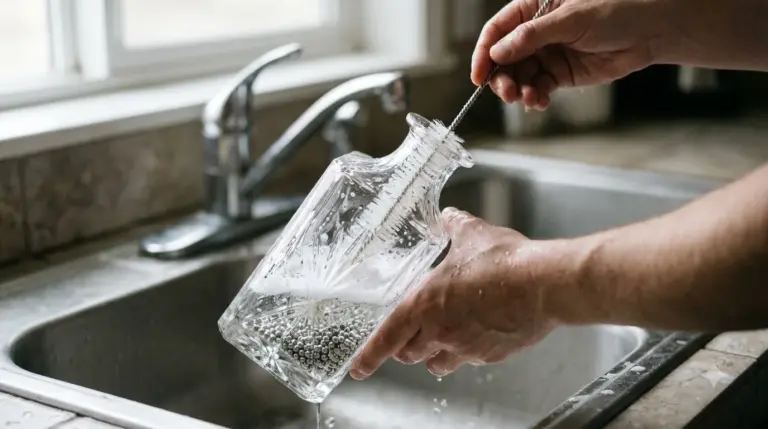 Best Cleaning Brush Decanter Options for Narrow Necks and Deep BowlsUpdated Nov 19, 2026
 Best U Shaped Decanter Picks for Aerating Bold Red WineUpdated Nov 18, 2026
 Best Electric Decanter Styles for Faster, Smoother Wine PoursUpdated Nov 18, 2026
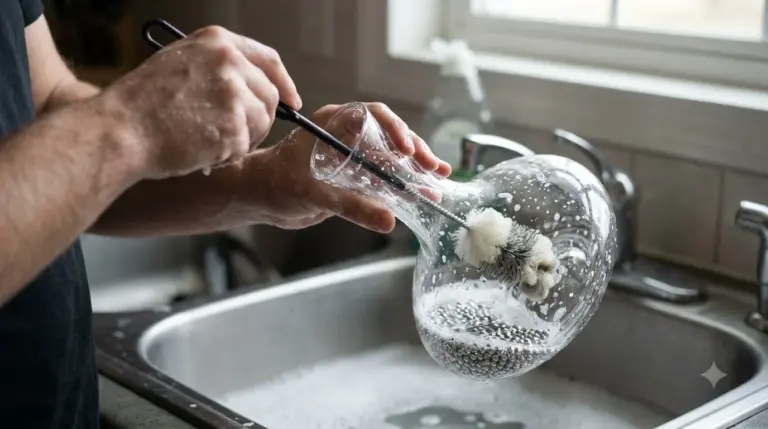 Best Hand Blown Decanter Styles for Every Bottle and TableUpdated Nov 18, 2026