

We may earn a commission when you buy through links on this page, at no extra cost to you. Learn more.
The best 36 inch wine fridge for most kitchens is a built-in or freestanding unit sized to the cabinet run, with one or two zones and a clear front vent. A 36 inch width suits a kitchen run beside appliances or a home bar where the unit has to share a counter line, while narrower and wider models fit tighter or larger spaces. Measure the opening, the depth and the airflow path before you order, because the width is only part of the fit.
A 36 inch wine fridge is a common width for kitchen and bar installations, since it matches standard cabinet modules and lines up with other appliances. It holds a useful collection without pushing the cooler into a full-size cellar. The options below are grouped by where the unit goes and how it is used, so you can narrow the choice by fit before comparing specific models.
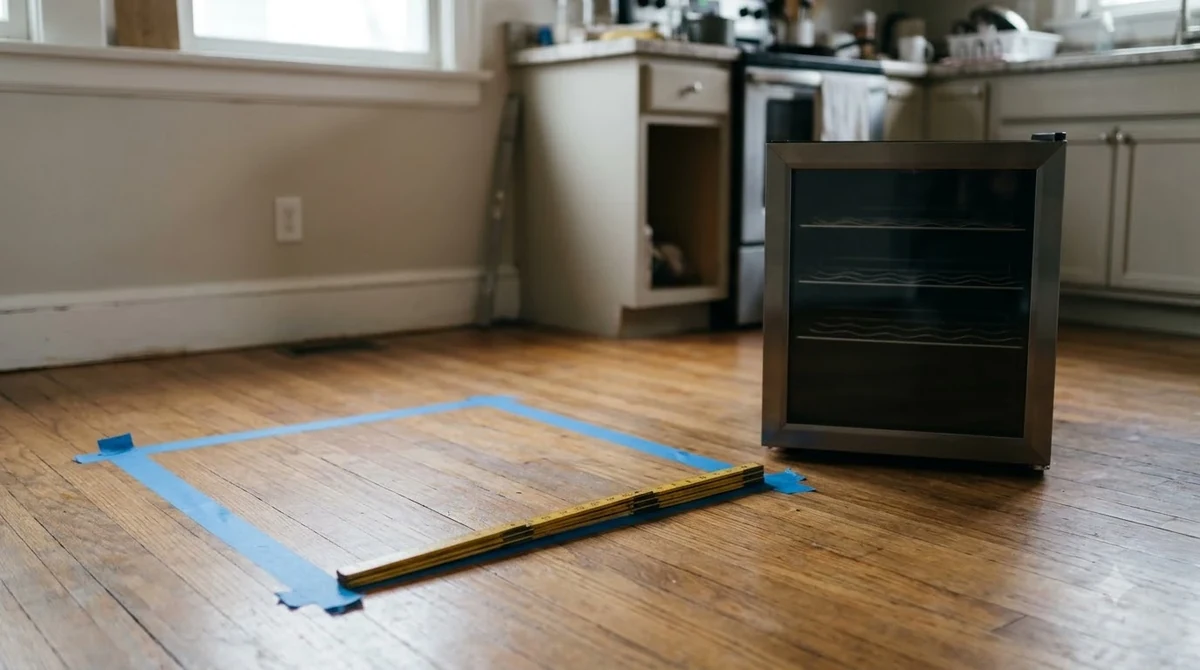
Width is only one dimension. Depth, height, door swing and the vent path decide whether a unit slides in cleanly or has to be pushed out from the wall. A width that matches the opening on paper can still fail if the vent is blocked, so check all of these before buying.
Quick Comparison of 36 Inch Wine Fridge Fits
Most 36 inch units fall into five placements. They differ in how they are installed, whether they need a cabinet opening, how many zones they offer and how much clear space they need around them. The table below compares those points so you can match the fit to the room.
| Placement | Temperature zones | Installation | Clearance | Best suited for |
|---|---|---|---|---|
| Built-in kitchen run | One or two | Fixed cabinet opening, front vent | Clear front vent path required | Kitchens with a planned cabinet line |
| Freestanding beside a bar sink | One | Set on floor, power outlet nearby | Airflow at back and sides | Home bars and wet bars |
| Pantry or hallway closet | One | Tucked into a closet or alcove | Tight, check vent path carefully | Homes that want storage out of sight |
| Move-friendly freestanding | One | Plug in and place | Standard freestanding clearance | Renters and households that rearrange rooms |
| Dining room display | One or two | Freestanding, often with glass door | Airflow and light control | Rooms where guests see the collection |
The table points to a single decision: whether the unit will be fixed in place or moved later. A built-in model gains a finished look but needs a precise opening. A freestanding model is more flexible but needs room to breathe. Both can hold a steady setting if the placement is right.
Best for a 36 Inch Built-In Unit in a Kitchen Run
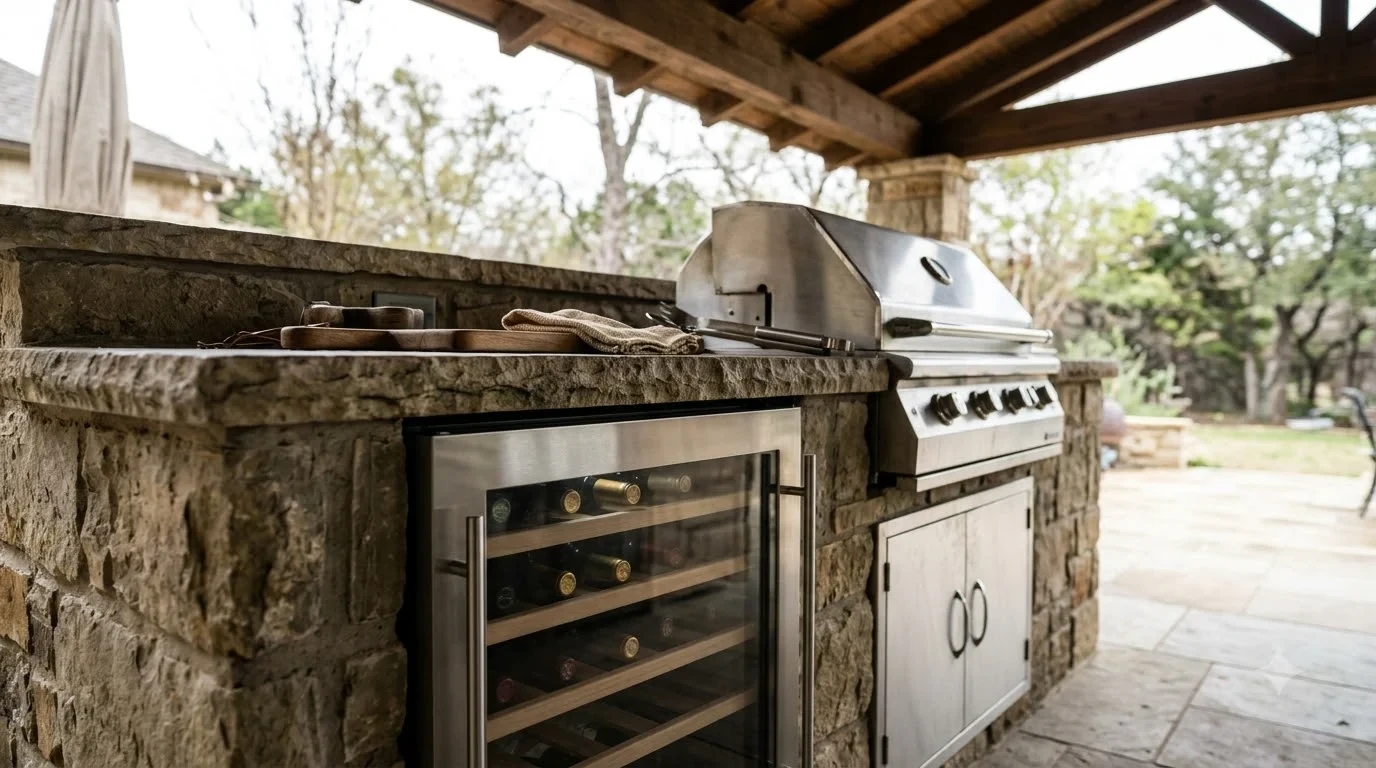
A built-in 36 inch unit suits a kitchen run where the cabinet line already leaves an opening for a wine fridge beside other appliances.
Why it stands out: A flush front reads as part of the cabinetry, and a planned opening keeps the layout tidy. Built-in models often vent from the front, so they can sit under a counter without taking floor space.
Keep in mind: The opening has to match the unit’s dimensions exactly, and the vent path must stay clear. Measure the width, height and depth of the opening and the door swing before ordering, since a tight fit leaves little room for adjustment.
Best for: Kitchens with a planned cabinet run and owners who want the unit to look installed rather than placed.
Best for a 36 Inch Freestanding Unit Beside a Home Bar
A 36 inch freestanding unit fits a home bar or wet bar where the cooler shares a counter line with a sink, glassware and a serving area.
Why it stands out: A freestanding model can be placed at the end of a bar run and moved if the layout changes. Its width matches the counter, so the bar looks balanced without custom cabinetry.
Keep in mind: Freestanding units need airflow at the back and sides, so leave clearance rather than pushing the cooler against a wall. Keep it away from the sink’s splash area and from any heat source that would warm the cabinet.
Best for: Home bars, wet bars and entertaining corners where the wine is served close to the bar counter.
Best for a 36 Inch Unit in a Pantry or Hallway Closet
A closet installation suits a pantry or hallway alcove where the wine should be stored out of sight but still close to the kitchen.

Why it stands out: Tucking the unit into a closet keeps the main living area clear. A closet also limits direct light and can make a steady setting easier to hold if the space stays cool.
Keep in mind: Closet installs are the most likely to block airflow, so confirm the vent path before committing. A closet that gets warm from a water heater or laundry area can push the unit beyond its rated range.
Best for: Homes that want the collection hidden behind a door and have a cool, ventilated space for it.
Best for a 36 Inch Unit in a Rental or Move-Friendly Setup
A freestanding 36 inch unit works for a rental or a home where the layout changes often and a fixed installation is not an option.
Why it stands out: A plug-in unit needs no cutout and can go with the owner to the next home. It gives a 36 inch footprint without the cost and work of a built-in install.
Keep in mind: A move-friendly unit still needs clearance around it, and the power outlet must be accessible. Check the placement against the rental space before buying, and avoid putting it where it blocks a door or a window.
Best for: Renters, people who rearrange rooms often, and anyone who wants flexibility over a permanent fit.
Best for a 36 Inch Display Unit in a Dining Room
A 36 inch display unit suits a dining room or living area where the collection is visible and guests can see the bottles while they sit.
Why it stands out: A glass front shows the labels and gives the unit a clear place in the room. Interior lighting helps with reading the bottles during a meal without moving them.
Keep in mind: Glass lets light reach the wine, so keep the display out of direct sun and consider a tinted or double-paned door. Compressor noise can carry in a quiet room, so place the unit where the hum will not interrupt conversation.
Best for: Dining rooms and open-plan living spaces where the collection is part of the decor.
How to Choose the Right 36 Inch Wine Fridge
Start with the opening or the floor space, then choose the zone count and door type that fit how the wine is used. The checks below cover what most buyers need to compare.
- Opening and clearance: Measure width, height, depth and door swing, and confirm the vent path for the chosen placement.
- Installation: Built-in units need a fixed opening, freestanding units need airflow around them.
- Zones: One zone for one wine style, two zones when whites and reds are served at different temperatures.
- Door type: A solid door or tinted glass limits light on the bottles, while clear glass shows the collection.
- Temperature control: Look for a display that shows the actual temperature and lets you adjust in small steps.
- Room conditions: Check the ambient range in the manual, especially for closets and rooms near heat sources.
Storage temperature matters more than the width. The Wikipedia article on wine cellars gives a range of 7–18 °C (45–64 °F) that wine can tolerate when changes are gradual, and it calls 13 °C (55 °F) ideal for short-term storage and long-term aging. It also says swings of 14 degrees or more are said to make wine breathe through the cork. A 36 inch unit that holds a steady setting in that range does its job, whatever the placement. To compare the width options against other sizes, browse the wine fridges sorted by width and pick the fit that matches your opening.
The Wikipedia article on wine cellars is the reference for the temperature figures above.
Frequently Asked Questions
Is 36 inches the right width for a wine fridge in a kitchen?
It is a common width for kitchen runs because it lines up with standard cabinet modules. The right width depends on the opening you have, so measure the space before deciding.
Can a 36 inch wine fridge be built in?
Yes, many models are made for a fixed cabinet opening with a front vent. Confirm the exact dimensions and vent path against the manufacturer’s installation guide before you order.
Should a 36 inch unit be freestanding or built-in?
Built-in suits a planned kitchen where the look matters, while freestanding suits a home bar, a rental or a layout that changes often. Pick the placement that fits how long the unit will stay in one spot.
Does a closet installation affect how the wine fridge runs?
It can. Closets often limit airflow, and a closet near a heat source can push the unit beyond its rated range. Confirm the vent path and the room temperature before installing it in a closet.
Once the fit is settled, compare the practical points that decide daily use, such as temperature control, noise and placement. A 15 inch wine fridge or an 18 inch wine fridge is a narrower option to weigh against a 36 inch unit, and how many glasses are in a bottle of wine helps estimate how much a given unit will hold for your needs.
More in By Width
 Best 10 Inch Wine Fridge Types for Tight Spaces and CountertopsUpdated Nov 18, 2026
 Best 6 Inch Wine Cooler Options for Tight Kitchen GapsUpdated Nov 18, 2026
 Best 12 Inch Wine Fridge Picks for Narrow Spaces and Small CollectionsUpdated Nov 18, 2026
 The Best 20 Inch Wine Fridge for Under-Counter Kitchens and BarsUpdated Nov 18, 2026
 Best 30 Inch Wine Fridge for Kitchens, Bars and Dining RoomsUpdated Nov 18, 2026
 Best 18 Inch Wine Fridge for Kitchens, Bars and Tight SpacesUpdated Nov 18, 2026