

We may earn a commission when you buy through links on this page, at no extra cost to you. Learn more.
The best 120 bottle wine fridge for most collectors is a dual-zone compressor unit with a solid door and a steady digital display. Two zones let you keep whites and reds at their own temperatures, and a solid door limits light on bottles that will sit for months. Single-zone and glass-door models have their place, but a 120 bottle unit is usually bought to store wine over a longer period, so temperature stability and the layout of the shelves matter more than the look.
A 120 bottle wine fridge is a step up from a countertop unit and a step toward a small home cellar. It holds enough for a growing collection, a mix of styles and a few cases bought at once. The choices in this guide are grouped by how the collection is used, so you can match the size and zone count to the way you store and serve wine before you compare specific products.
Bottle counts on these units are rated for standard bottles. Magnums, sparkling wine bottles and wide-shouldered bottles take more room, so the practical capacity is often lower than the printed figure. Measure the bottles you actually keep before deciding.
Quick Comparison of 120 Bottle Wine Fridge Types
Most 120 bottle units fall into five families. They differ in the number of temperature zones, the footprint they need, how loud they run and how much light reaches the bottles. The table below compares those points for the typical setup of each type.
| Type | Temperature zones | Footprint | Noise | Best suited for |
|---|---|---|---|---|
| Single-zone freestanding | One | Floor space, airflow at the back | Audible compressor hum | One main wine style, long storage |
| Dual-zone freestanding | Two | Larger floor footprint | Audible compressor hum | Whites and reds kept at different settings |
| Solid-door cabinet | One or two | Floor space, tall | Moderate, quieter with insulation | Long aging with minimal light |
| Glass-door display unit | One or two | Floor space, front vent | Audible compressor hum | Showing the collection in a dining or living room |
| Built-in tall unit | One or two | Fits a tall cabinet opening | Softened by cabinetry | Kitchens or basements with a fixed opening |
The main trade-off is between display and protection. A glass door shows the bottles, but it lets light in, which is the reason many collectors prefer a solid door for wine that will sit for a long time. The second trade-off is capacity against footprint: a 120 bottle unit takes real floor or cabinet space, so check the room before you commit.
Best for a Serious Collector Storing Wine for Years
A solid-door unit with a steady temperature suits a collector who buys wine to age and keeps bottles for a long time rather than drinking them within weeks.
Why it stands out: A solid door keeps light off the bottles, and a well-insulated cabinet holds its temperature more evenly than a thin-walled unit. Long storage is mostly about avoiding large swings, and a stable setting helps with that.
Keep in mind: Solid doors hide the collection, so keep a written inventory or a simple shelf chart. Confirm that the unit’s temperature range matches the storage range you plan to use, and check the noise rating if the unit will sit in a room you use daily.
Best for: Collectors with bottles meant to age, and anyone who prefers the wine to be protected from light and frequent opening.
Best for a Dual-Zone 120 Bottle Wine Fridge Serving Two Styles
A dual-zone unit with 120 bottles gives you two separate temperature sections, which fits a collection that holds both whites and reds in regular rotation.
Why it stands out: Whites can sit in a cooler zone and reds in a warmer one, so each bottle is stored close to its serving range. This also lets you keep an everyday section ready while the rest of the stock stays settled.
Keep in mind: Each zone holds fewer bottles than a single-zone unit of the same size, and the shelves may limit how wide bottles fit. Check whether the zones are properly separated and whether the shelves can be rearranged.
Best for: Households that drink both colors every week and want them ready without moving bottles between rooms.
Best for a Glass-Door 120 Bottle Display in a Dining Room
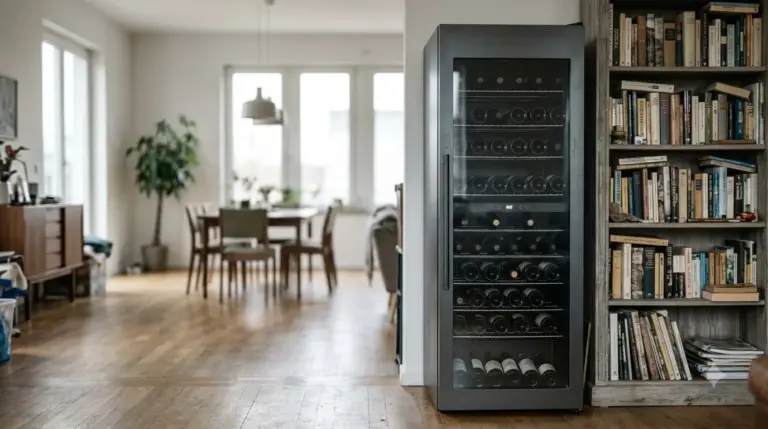
A glass-door display unit suits a dining room or living area where the collection is part of the room and guests can see the labels.
Why it stands out: The front shows the bottles and gives the unit a clear presence in the room. Many display models include interior lighting, which helps with reading labels during a dinner.
Keep in mind: Glass lets light reach the wine, so keep the unit out of direct sun and choose a tinted or double-paned door if the room is bright. Display units also run more noise-sensitive in rooms used for conversation, so place them away from quiet corners.
Best for: Dining rooms and open-plan spaces where the collection is meant to be shown rather than hidden.
Best for a Built-In 120 Bottle Unit in a Basement
A tall built-in unit suits a basement or lower-level room that stays cool and has a fixed opening for a cabinet-style cooler.
Why it stands out: A built-in unit sits flush with cabinetry, which keeps the room tidy and leaves the floor clear. A cool room also reduces the work the compressor does, which helps the unit hold its setting.
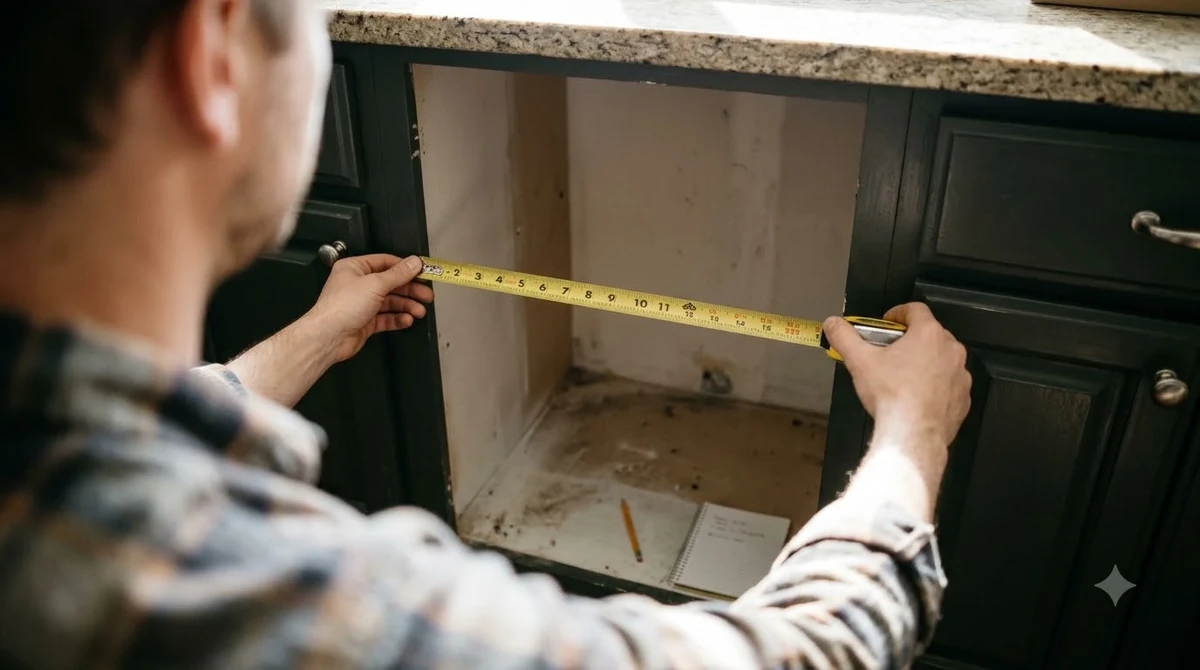
Keep in mind: Built-in units need an opening that matches their dimensions and a clear vent path. Measure the opening, the door swing and the clearance, and check the room’s ambient temperature range, since a basement that gets warm in summer can push the unit beyond its best range.
Best for: Basements, lower-level rooms and kitchens where a fixed cabinet opening already exists.
Best for a Growing Collection That Outgrows a Smaller Unit
A 120 bottle unit suits a collection that has outgrown a smaller cooler and needs room for more bottles without moving to a full cellar.
Why it stands out: Larger capacity means fewer trips to a shop or wine store for everyday stock and room for a few cases at once. Moving from a smaller unit also keeps the storage in one place, which makes tracking the collection easier.
Keep in mind: A bigger unit draws more power and needs more space around it. Confirm the rated count, the depth and the placement before buying, and plan the shelving so that bottles of different sizes do not crowd the front.
Best for: Collectors who have moved from a smaller unit and want a single place for a growing mix of wine.
How to Choose the Right 120 Bottle Wine Fridge
Choose the unit by how the collection will be used, then check the details that decide whether the fridge fits the room. The points below cover what most buyers need to compare.
- Rated capacity: Read the count in standard bottles and reduce it if you store magnums or sparkling wine.
- Zones: One zone suits one style or long storage, two zones suit a collection with whites and reds served at different temperatures.
- Door type: Solid doors protect against light, glass doors show the collection.
- Placement: Freestanding units need airflow at the back and sides, built-in units need a clear front vent.
- Noise: Compare published figures, and consider where the unit sits relative to rooms where people talk or sleep.
- Room temperature: Check the ambient range in the manual, especially for basements and rooms that warm up in summer.
Storage temperature matters more than the cabinet. The Wikipedia article on wine cellars gives a range of 7–18 °C (45–64 °F) that wine can tolerate when changes are gradual, and it calls 13 °C (55 °F) ideal for short-term storage and long-term aging. It adds that swings of 14 degrees or more are said to make wine breathe through the cork. The same article notes that a cellar holding fewer than 500 bottles is sometimes called a wine closet, which places a 120 bottle unit in the small-collection range. To compare bottle counts across sizes, browse the wine fridges sorted by bottle count and pick the capacity that fits your stock.
The Wikipedia article on wine cellars is the reference for the temperature and cellar-size figures above.
Frequently Asked Questions
How many bottles does a 120 bottle wine fridge really hold?
The count is rated by the manufacturer using standard bottles. Magnums, sparkling bottles and wide-shouldered wine take more room, so the practical number is often lower if you store many of them.
Is a dual-zone or single-zone unit better for 120 bottles?
A single zone is simpler and fits a collection built around one style or long storage. A dual zone is the better choice when whites and reds are served at clearly different temperatures and both are in regular rotation.
Can a 120 bottle wine fridge go in a basement?
Yes, if the basement stays inside the unit’s rated ambient temperature range. Check the summer temperature of the room, because a basement that warms up can push the unit out of its best range.
How long can wine stay in a 120 bottle fridge?
Storage time depends on the wine, not the fridge. A steady temperature in the recommended range is the main requirement, so keep the setting consistent and avoid frequent large swings.
Once the zone count and capacity are settled, compare the practical points that decide daily use, such as temperature control, noise and placement. If you are weighing a smaller option, a 6 bottle wine fridge is a compact comparison point, and how many glasses are in a bottle of wine helps you estimate how fast a collection will move.
More in By Bottle Count
 Best 52 Bottle Wine Fridge Options for Every Kitchen and CollectionUpdated Nov 18, 2026
 Best 15 Bottle Wine Fridge Options for Quiet Storage and Ready-to-Pour ServingUpdated Nov 18, 2026
 Best 34 Bottle Wine Cooler Types for Kitchens, Bars, and Home CellarsUpdated Nov 18, 2026
 Best 166 Bottle Wine Cooler Types for Serious Collectors and HostsUpdated Nov 18, 2026
 Best 54 Bottle Wine Fridge Types for Undercounter and Home CellarsUpdated Nov 18, 2026
 Best 46 Bottle Dual Zone Wine Cooler for Built-In Kitchens and Home BarsUpdated Nov 19, 2026