

We may earn a commission when you buy through links on this page, at no extra cost to you. Learn more.
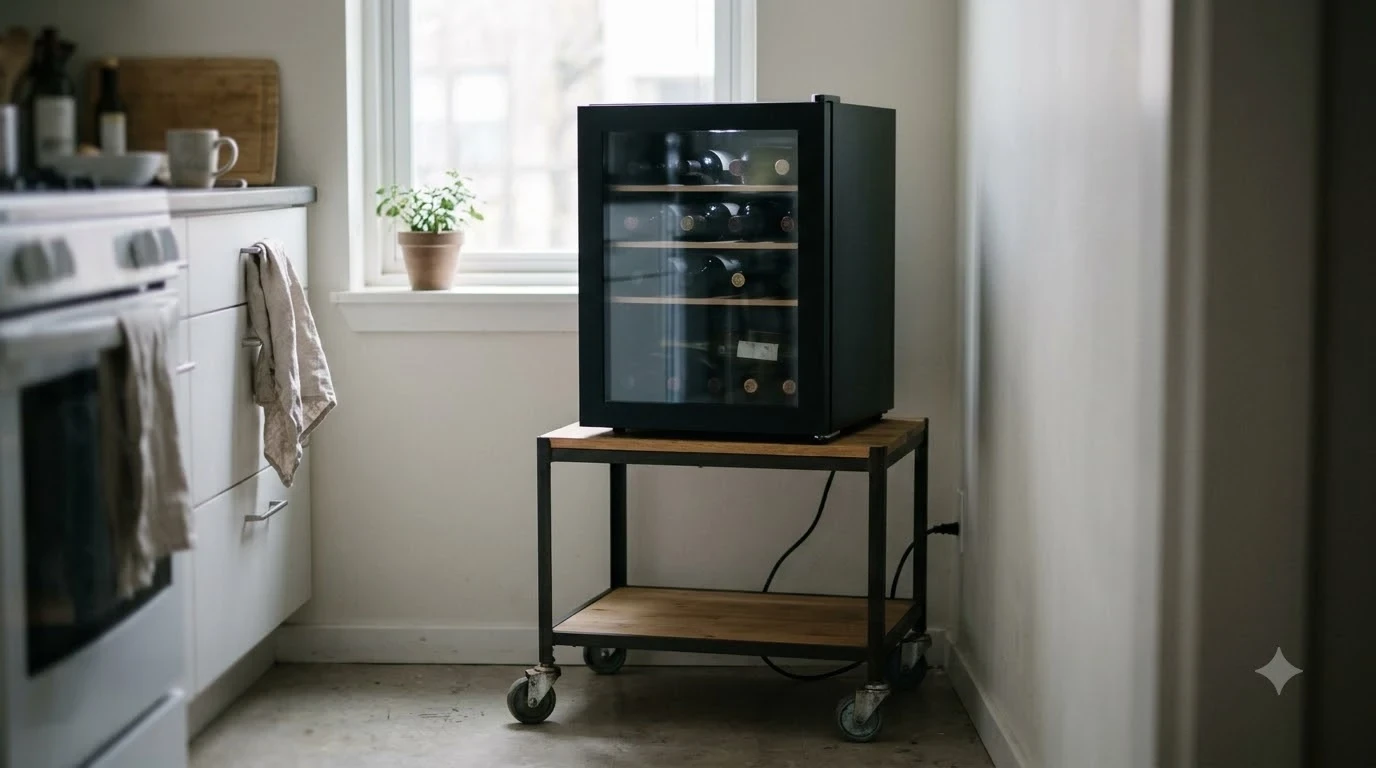
The best 36 bottle wine fridge is a unit that holds a steady temperature with the door closed, uses adjustable or sliding racks for mixed bottle sizes, and fits the space you have, because a larger capacity only helps if the bottles stay stable and easy to reach. A 36 bottle size gives room for a growing collection without the cost and footprint of a full cellar. The right model depends on how often you open the door, how long you hold wine before drinking it, and whether you need a built-in fit.
Many home collectors reach the 36 bottle mark after a few years of buying by the case. At that point the question shifts from “does it fit” to “does it keep the wine in good shape.” This guide explains what to look for in a 36 bottle wine fridge, compares the main styles, and points to the details that affect both storage and everyday use.
Quick Comparison
36 bottle wine fridges vary in how they control temperature, how they hold bottles, and how much room they need. The table below sets out the main types so you can start with the style that fits your home.
| Style | Storage method | Footprint | Best for |
|---|---|---|---|
| Freestanding wine fridge | Sliding or fixed racks | Needs air clearance on the sides and back | Kitchens, dining rooms, flexible placement |
| Built-in wine fridge | Front-venting, racks sized to the opening | Set by the cabinet opening | Renovations and fixed kitchen runs |
| Rack-style storage | Wide racks for standard bottles | Moderate | Single bottle shape, simple access |
| Mixed-shelf design | Racks plus open shelves | Moderate to wide | Standard and large bottles together |
| Cellar-style cabinet | Deeper shelves, steady climate focus | Larger and heavier | Long aging and serious collections |
Best for a Growing Collection
A 36 bottle fridge suits a collector who buys regularly and wants a fixed place for every bottle. The capacity covers a few cases’ worth of rotation without taking over a room.
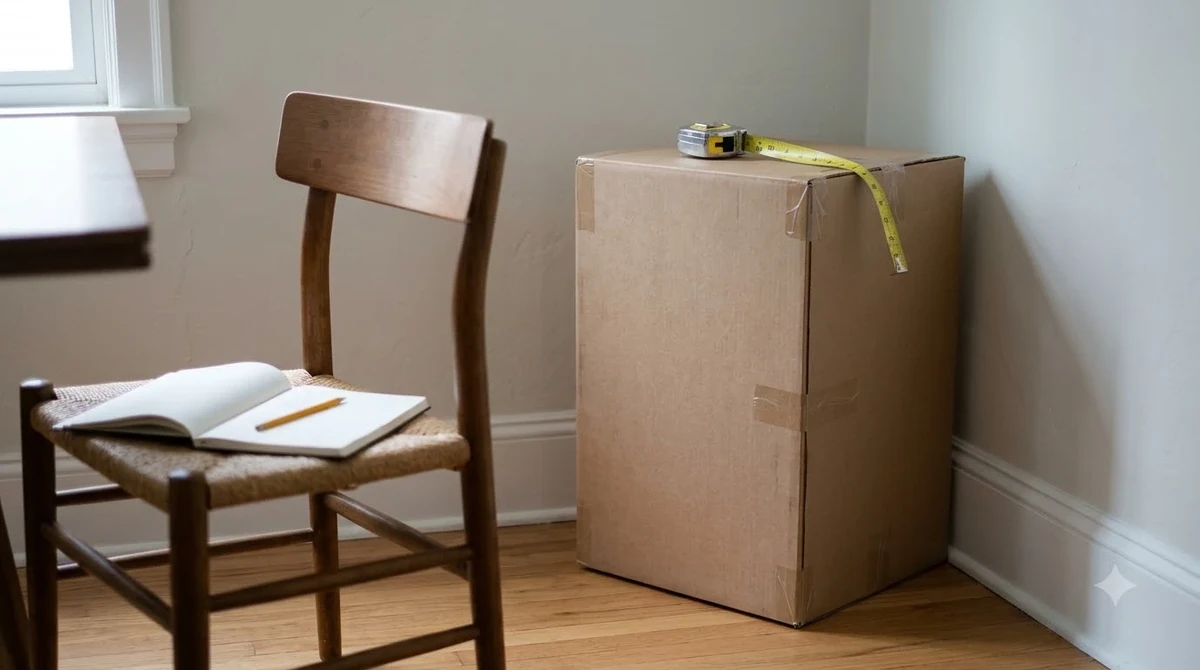
Why it stands out: the unit keeps your collection in one place, so you can see what you own and plan what to drink next. Racks that slide out make it easier to find a bottle without moving the rest.
Keep in mind: buying in volume can outrun a fridge quickly. Track your stock for a few months before deciding whether 36 bottles is enough, or whether you need a second unit.
Best for: a steady buyer who wants an organized, visible collection.
Best for Mixed Bottle Shapes
A fridge with adjustable or mixed-shelf storage handles standard wine bottles and wider or taller bottles in the same unit. This is useful when your collection includes sparkling wine or large-format bottles that standard racks cannot hold.
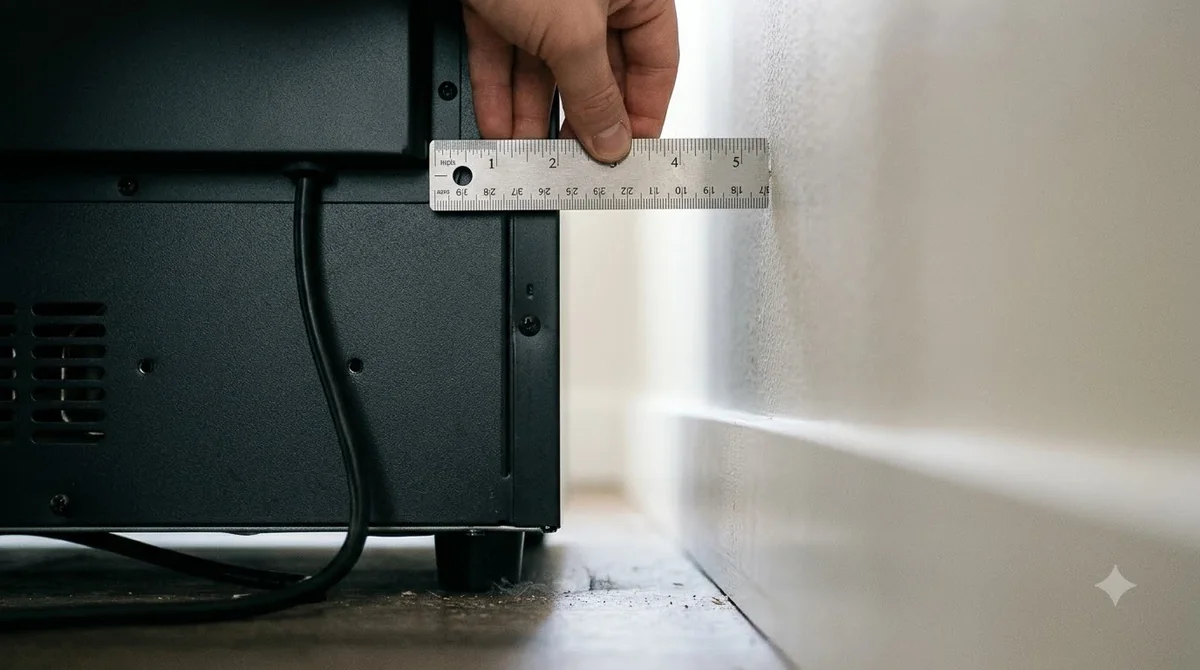
Why it stands out: flexible storage avoids the awkward gap that appears when every slot is sized for one bottle shape. You can store a Champagne-style bottle beside a standard red without rearranging the rack.
Keep in mind: measure your widest and tallest bottle before buying. Adjustable racks are only useful if they can be set to fit those bottles, so check the rack spacing in the product details.
Best for: households that drink sparkling wine and keep a few large bottles on hand.
Best for a Built-In Kitchen Fit
A built-in 36 bottle wine fridge slides into a cabinet opening and gives a finished look. The front vents let heat escape, so the unit can sit under a counter without a gap at the sides.
Why it stands out: built-in units look planned, and the racks line up with the cabinet front. They also keep the bottles away from direct kitchen heat when installed correctly.
Keep in mind: a built-in fit depends on the opening size, the depth, and the ventilation gap the manufacturer requires. A small error in measurement can prevent the door from closing or cause the unit to run hot.
Best for: a kitchen renovation or a bar corner where wine storage needs a fixed spot.
Best for Aging and Long Storage
If you hold bottles for years, a fridge should keep the temperature steady rather than simply cold. A steady environment slows how quickly wine ages, while large swings can speed it up. This matters more for reds and for wines with lower sugar or alcohol levels.
Why it stands out: stable storage protects the value of a bottle you plan to open later. Cellar-style cabinets focus on a steady climate and deeper shelves, which suits long-term holding.
Keep in mind: humidity also matters for corks, but the evidence is mixed. Keep the unit in a place with little temperature change, and avoid storing bottles where the room swings warm and cool through the day.
Best for: collectors who plan to age wine for several years before drinking.
Best Value for a Practical Home
A simple 36 bottle wine fridge with basic racks and one temperature setting suits a household that drinks wine regularly but does not age it. It keeps bottles cool and easy to reach without extra features that go unused.
Why it stands out: fewer controls and fewer parts usually mean a lower price and a simpler daily routine. For a steady stock of everyday wine, the basics are often enough.
Keep in mind: a basic unit may lack the steady climate needed for long aging. If you plan to hold bottles for years, choose a model with better insulation and temperature control instead.
Best for: everyday drinking, a first wine fridge, or a home without a cellar.
How to Choose a 36 Bottle Wine Fridge
Start with the temperature you need. The Wikipedia article on wine cellars notes that wine can be stored satisfactorily between 7 and 18 °C (45 and 64 °F) as long as the changes happen gradually, and it describes 13 °C (55 °F) as ideal for both short-term storage and long-term aging. A fridge that holds close to that range with minimal swings is the goal for most home collections.
The same article also discusses humidity, though it reports that experts disagree on how much it matters. It describes an older recommendation for a gravel floor sprinkled with water in dry climates, which helps explain why some owners keep a small dish of water in the cabinet. Treat that as one option among several rather than a rule.
The company EuroCave describes its cabinets as designed to reproduce the stable conditions of a natural wine cellar. That is a useful test for any model you consider: ask whether the unit is built to hold steady conditions, not just to cool bottles quickly.
Tip: Place the fridge away from the oven, dishwasher, and direct sunlight. Heat around the unit forces the compressor to work harder and makes the temperature harder to hold.
If your collection is smaller, compare the capacities on our pages for 12 bottle wine fridges and 6 bottle wine fridges. For a wider sense of how bottle counts translate into storage needs, see how many glasses are in a bottle of wine, which is useful when estimating how quickly a stock of bottles will run down.
Frequently Asked Questions
Is 36 bottles enough for a home wine collection?
For many households it is. It covers a steady rotation of everyday bottles and a small group of special ones. If you buy by the case often, you may need a second unit or a larger cabinet within a year or two.
Should I choose a built-in or freestanding 36 bottle fridge?
Choose freestanding if you want flexibility or might move the unit. Choose built-in if you have a fixed cabinet opening and want a finished look. Built-in models need precise measurements and venting, so confirm the fit before ordering.
Can a 36 bottle wine fridge hold large bottles?
Some models with adjustable or mixed-shelf storage can hold large or sparkling bottles. Standard racks often cannot, so measure your widest and tallest bottle and compare it with the rack spacing before buying.
Where should I put a wine fridge in the home?
Choose a cool, steady spot away from heat and direct sunlight. A room that stays at a fairly even temperature through the day is better than a warm kitchen corner or a space near a window.
A 36 bottle wine fridge suits a home that has moved beyond a few bottles and wants a fixed, organized place for its collection. Decide on built-in or freestanding first, measure the space and your largest bottles, and check how well the unit holds temperature when the door is opened. For more size options, see the By bottle count section.
More in By Bottle Count
 Best 52 Bottle Wine Fridge Options for Every Kitchen and CollectionUpdated Nov 18, 2026
 Best 15 Bottle Wine Fridge Options for Quiet Storage and Ready-to-Pour ServingUpdated Nov 18, 2026
 Best 34 Bottle Wine Cooler Types for Kitchens, Bars, and Home CellarsUpdated Nov 18, 2026
 Best 166 Bottle Wine Cooler Types for Serious Collectors and HostsUpdated Nov 18, 2026
 Best 54 Bottle Wine Fridge Types for Undercounter and Home CellarsUpdated Nov 18, 2026
 Best 46 Bottle Dual Zone Wine Cooler for Built-In Kitchens and Home BarsUpdated Nov 19, 2026